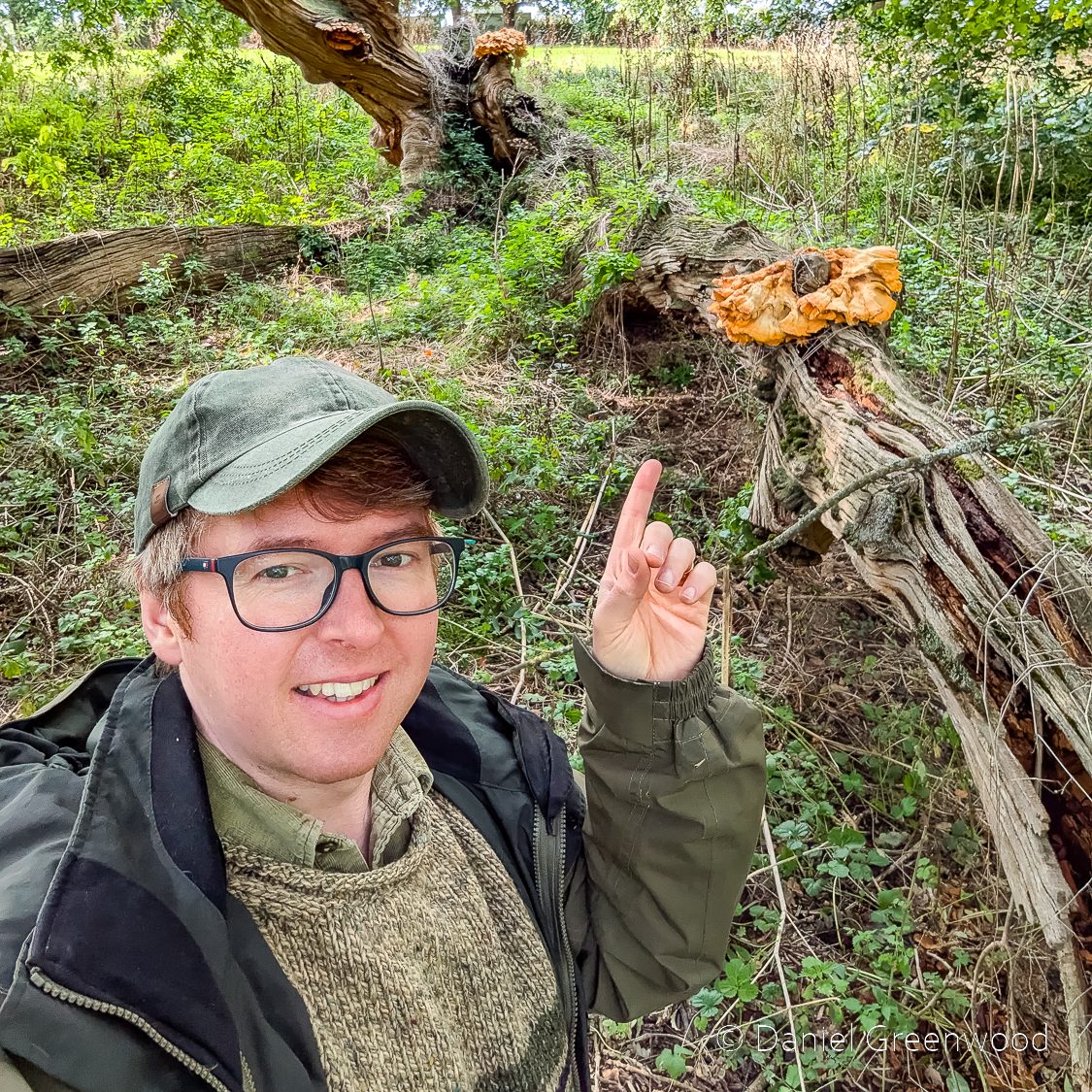
Haytor, Ilsington Parish, Dartmoor, Devon, November 2025
Welcome the first post from my annual account of the fungi I photographed on Dartmoor (National Park) in Devon, south-west England in mid-November 2025.
I was planning to do one big post, but there are so many photos to share I need to break them up into individual days.
You can see some previous accounts of Dartmoor fungi photo-walks at the bottom of this post.
A reminder that I am not encouraging people to pick or remove mushrooms in these areas. You could very easily clear all the mushrooms we saw within minutes. I think that would be sad because it would mean other people wouldn’t get to see them and learn or be inspired by them. I think with rare species like waxcaps that are featured here, we should be taking photos and submitting them to apps like iNaturalist or Plantlife’s waxcap campaign. A reminder also that there are byelaws around foraging and places like Haytor are patrolled by National Park rangers.
This post comprises photos from a 7 mile circular walk around Haytor on 8th November 2025. I’ve put the images in chronological order, rather than grouping them together in families or types.
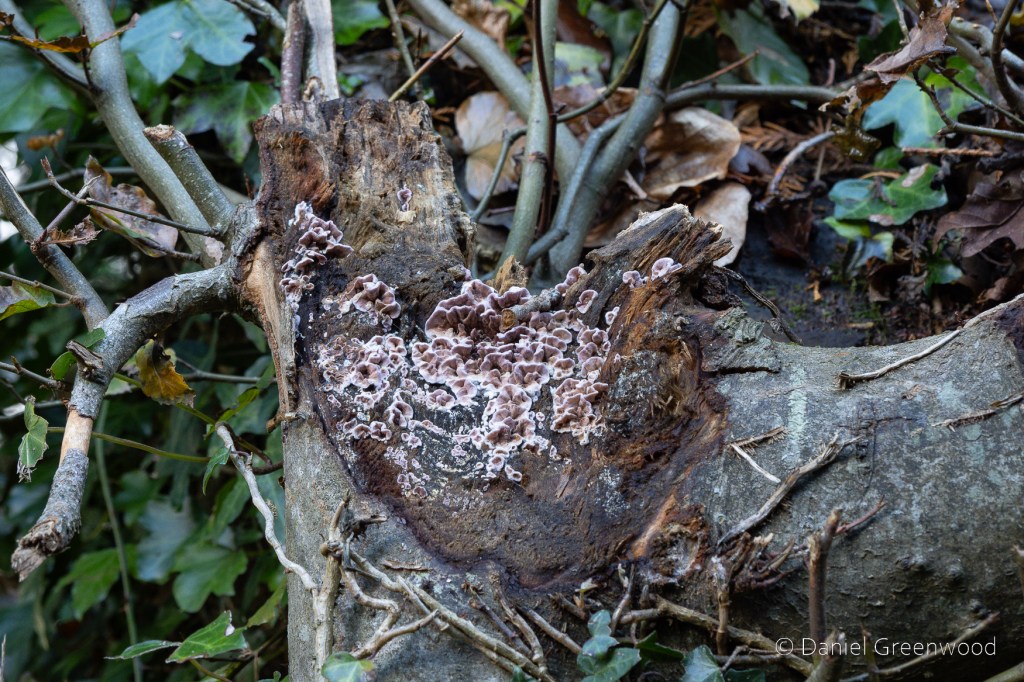
The first species was this silverleaf fungus, which can be a problem for trees, especially birch. It has a pink-purple hue to it and is often found on fallen logs.
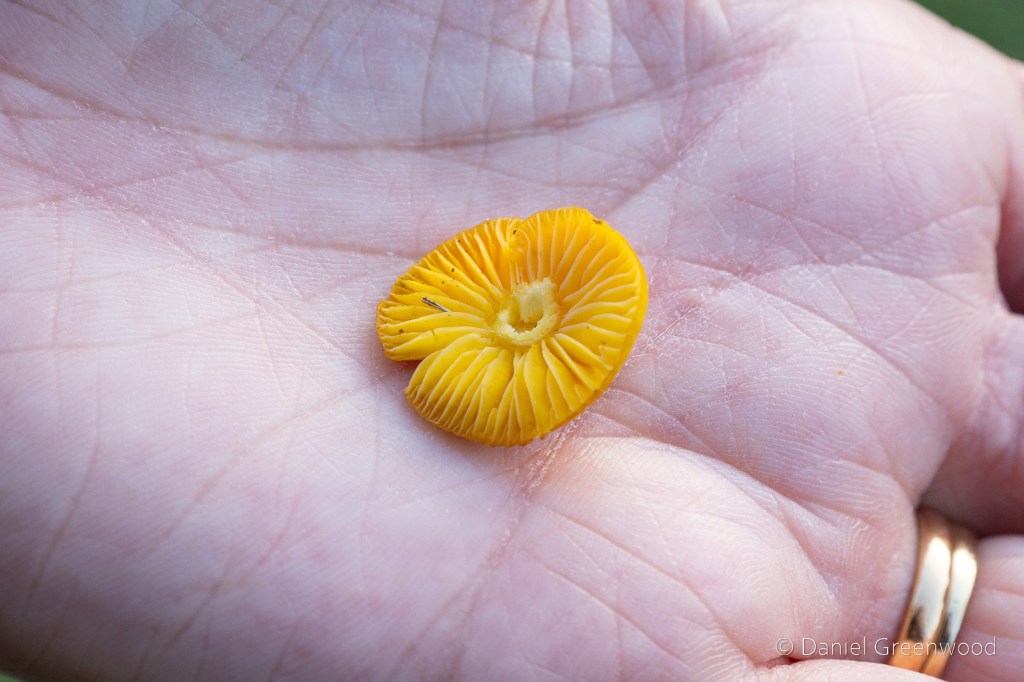
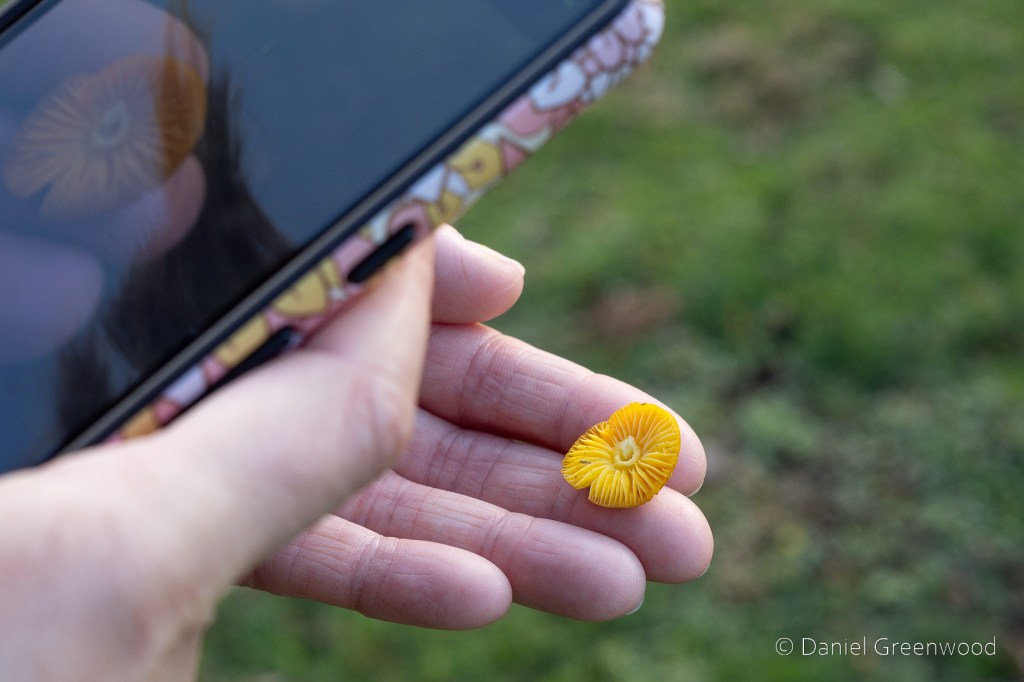
Entering onto the moor for the first time, we found this waxcap cap. It’s probably butter waxcap or golden waxcap.
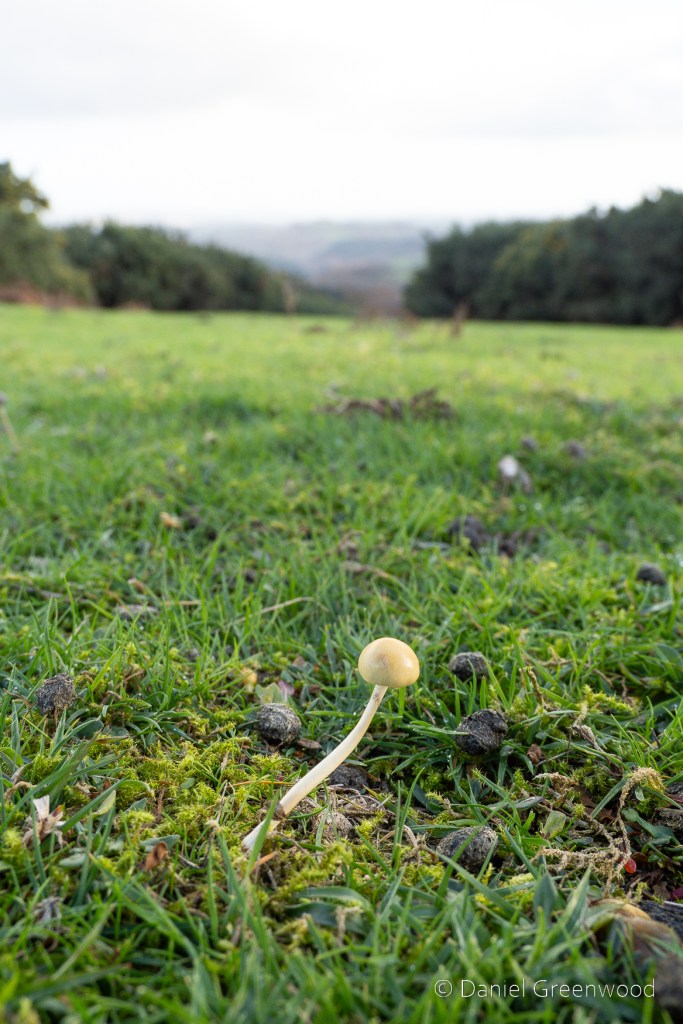
This is possibly dung roundhead, which crops up several times in this post. It’s smaller than I thought it might be.
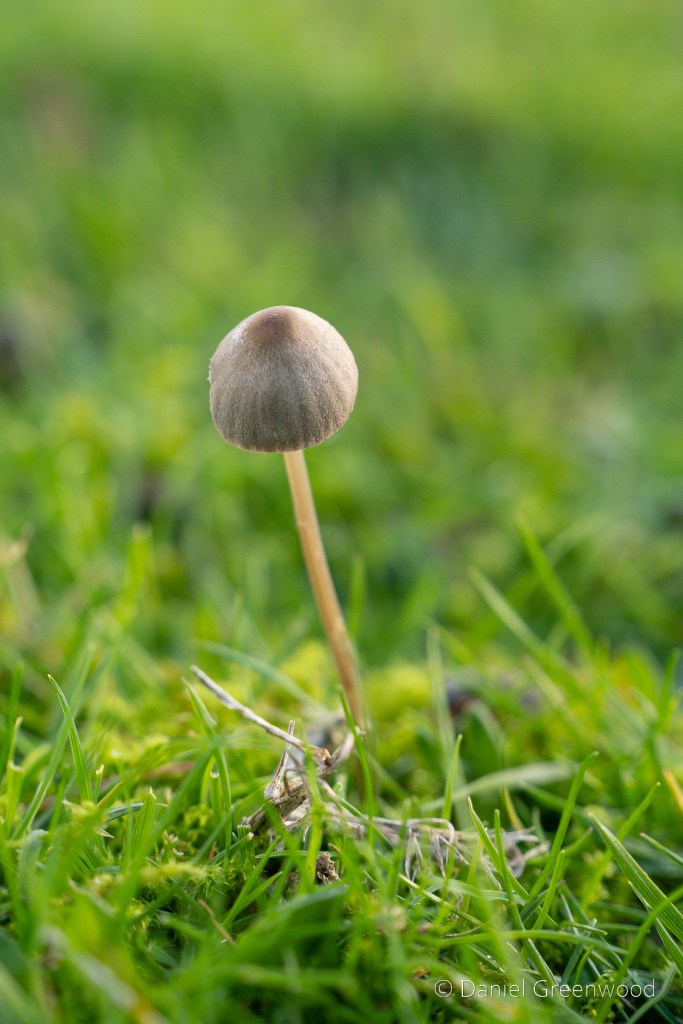
One of the many little brown jobs you will find growing in soggy moorlands! It is probably a Panaeolus mottlegill.
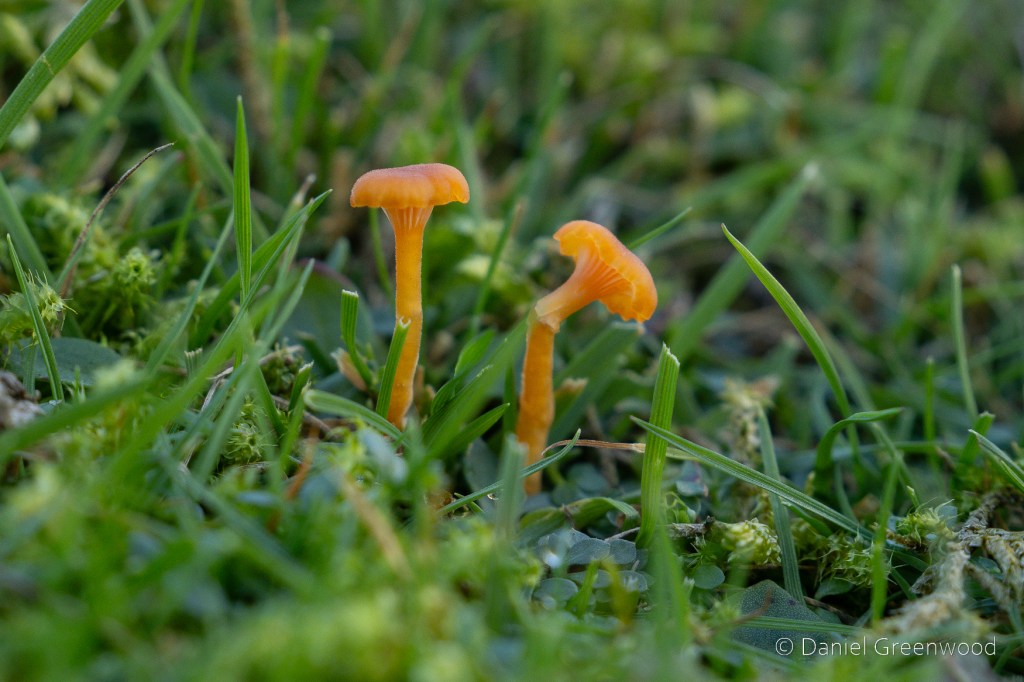
These little beauties might be spangle waxcaps.
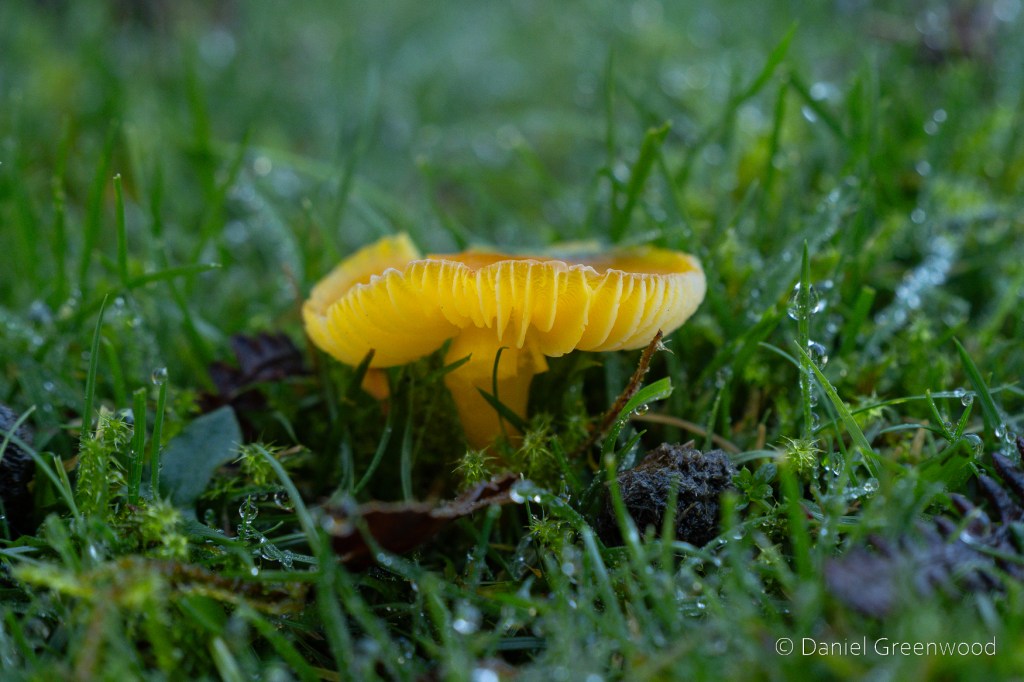
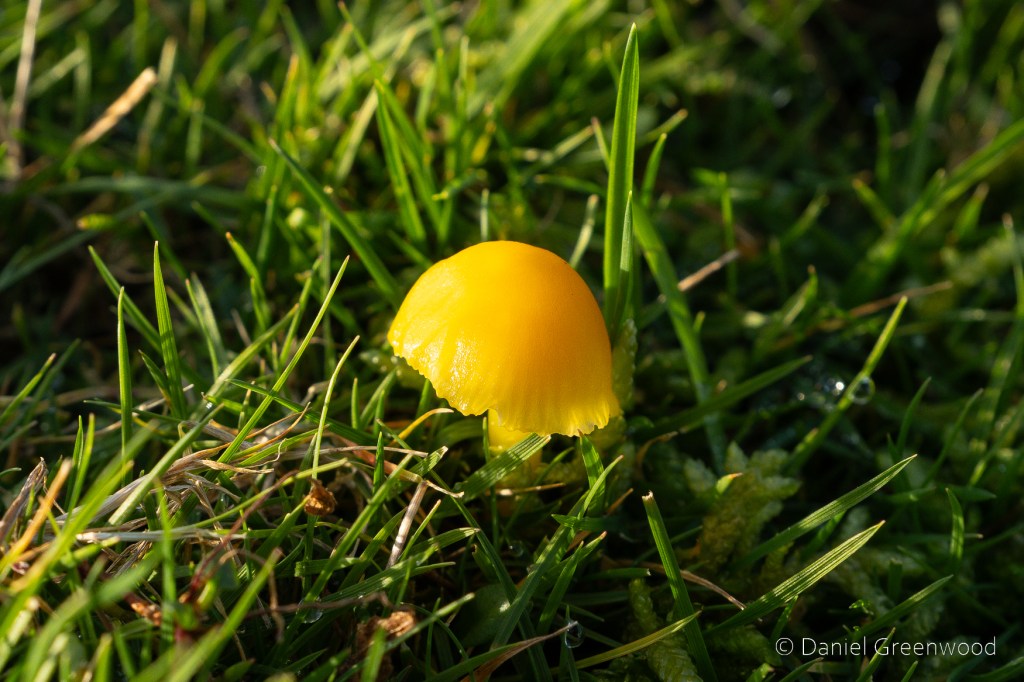
We’re looking at two different specimens here, which are either golden or butter waxcaps.
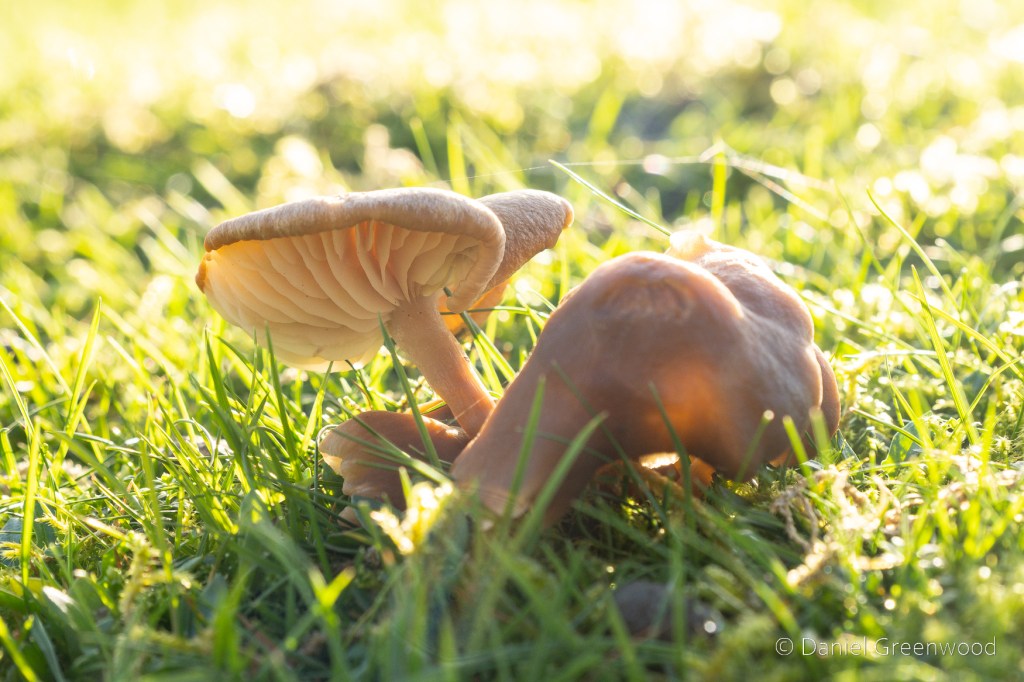
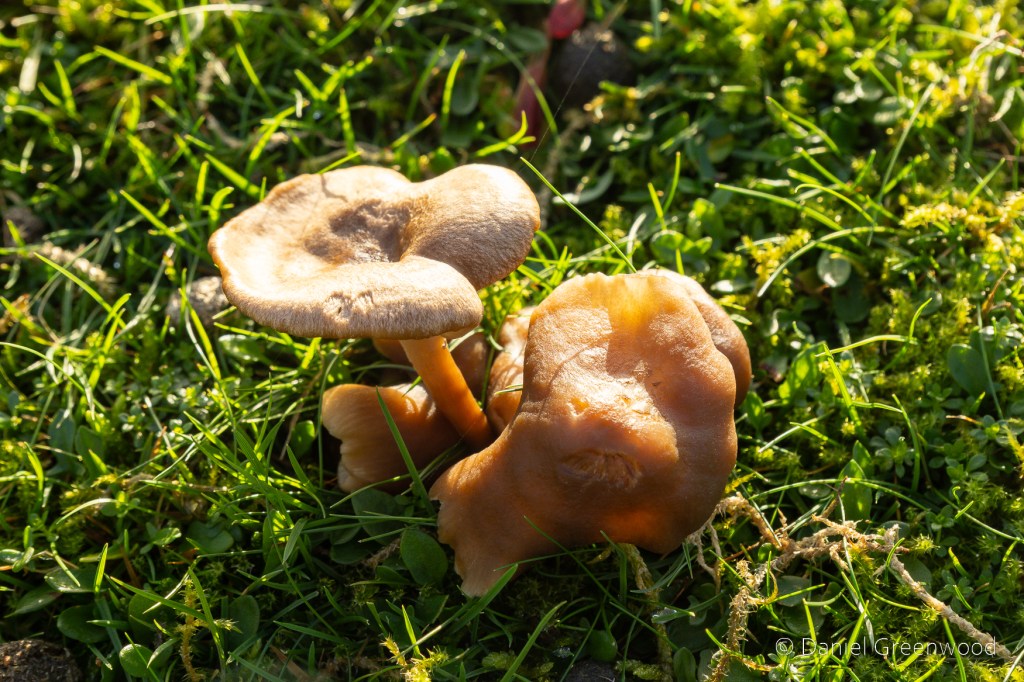
More waxcaps, possibly meadow waxcap but I don’t know for sure. I can only get them to waxcap family level on iNaturalist.
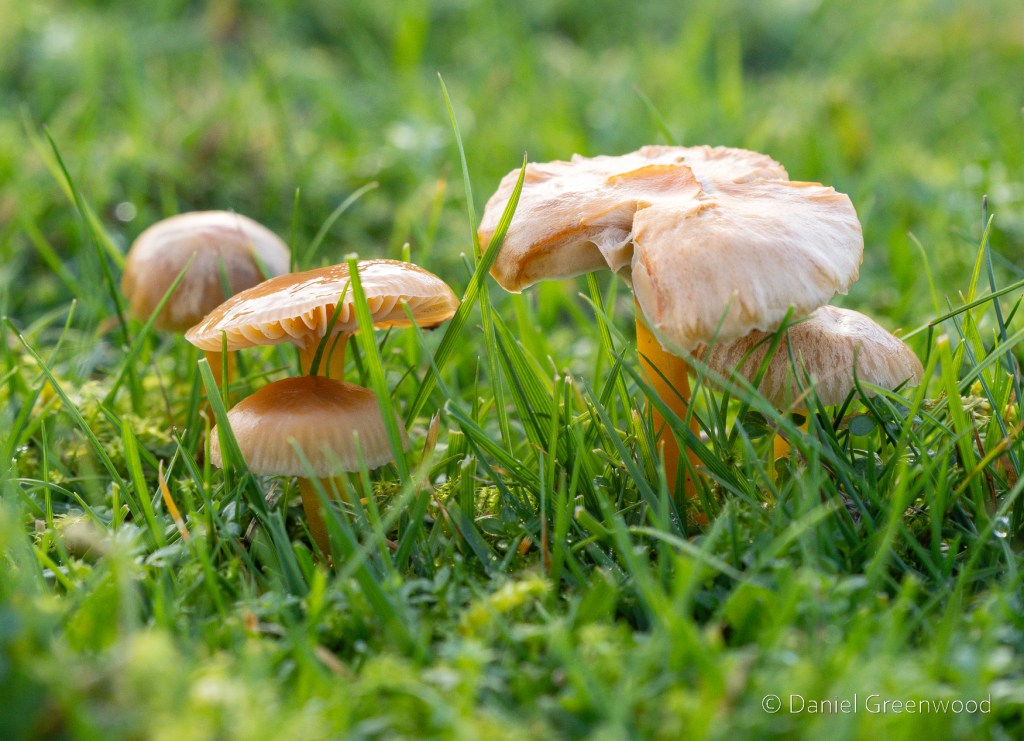
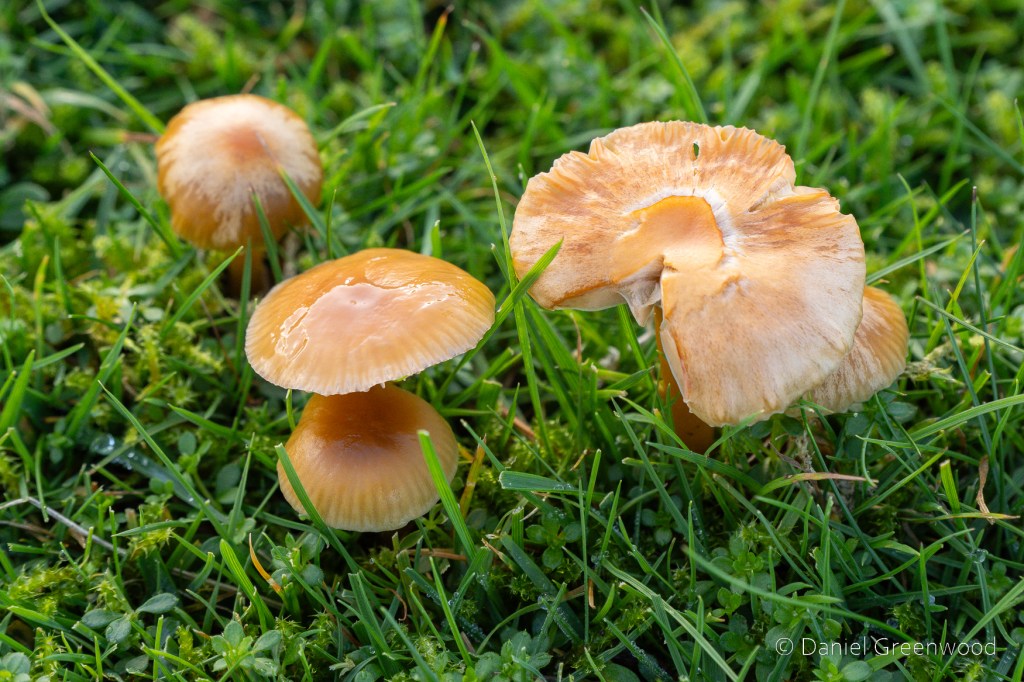
I think this is the same species as above – comments welcome if you have any ideas 🙂
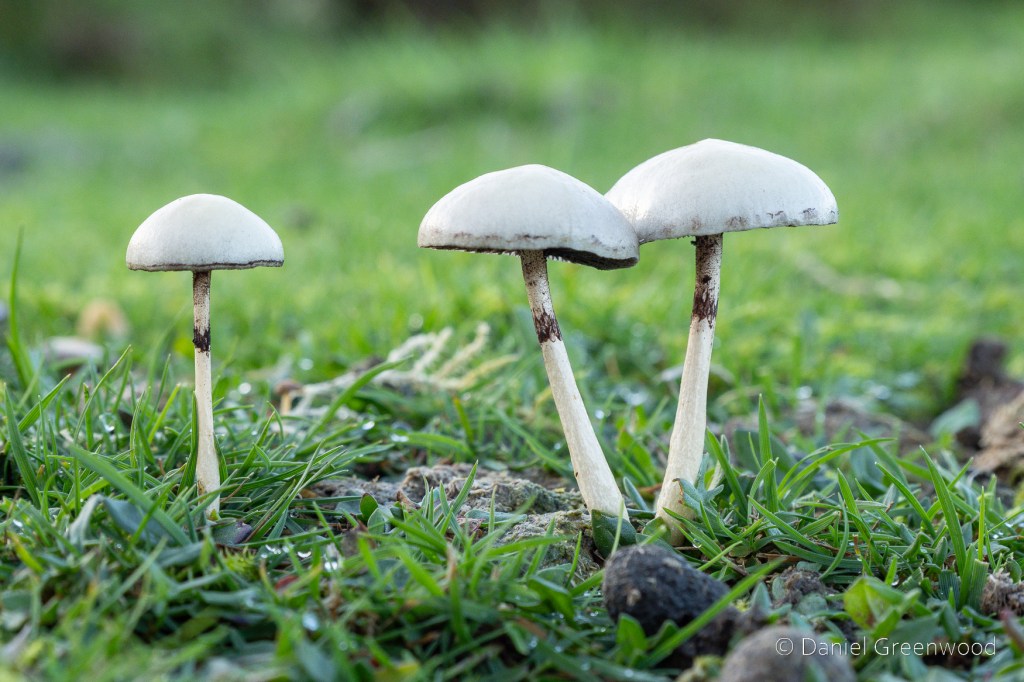
Dung roundhead doing their thing among the rabbit droppings.
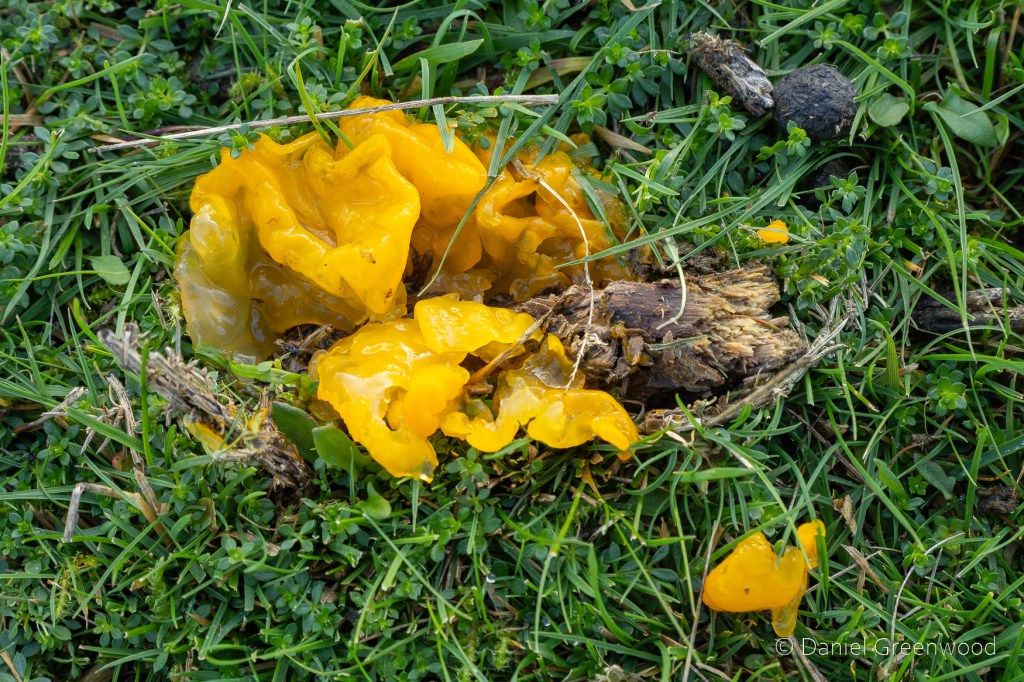
Another common moorland species (because gorse is so prevalent) is yellow brain/witches butter.
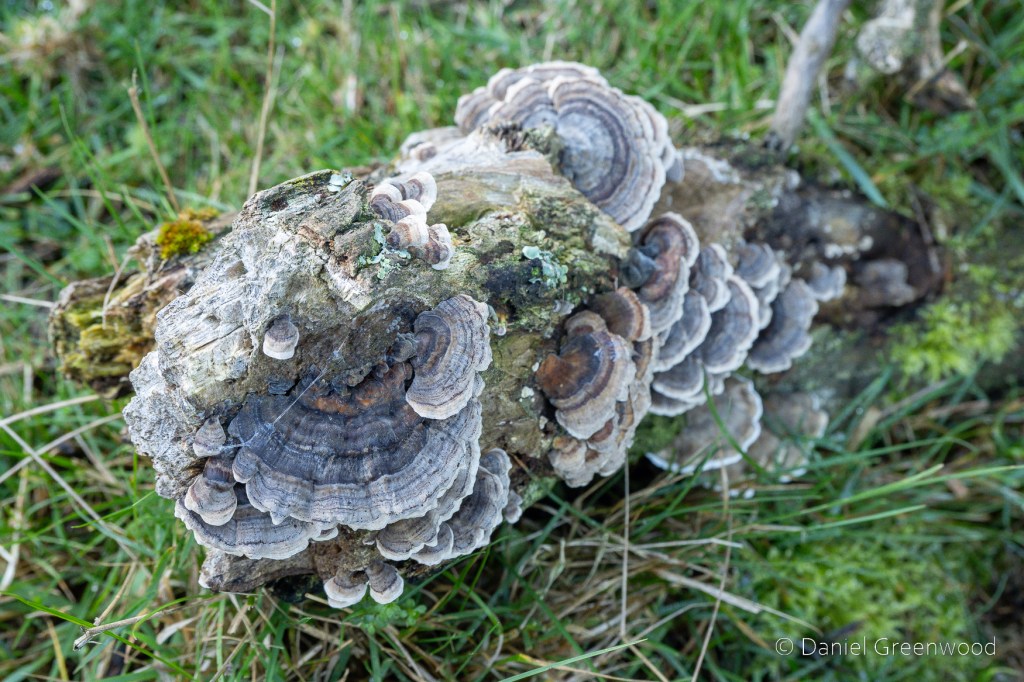
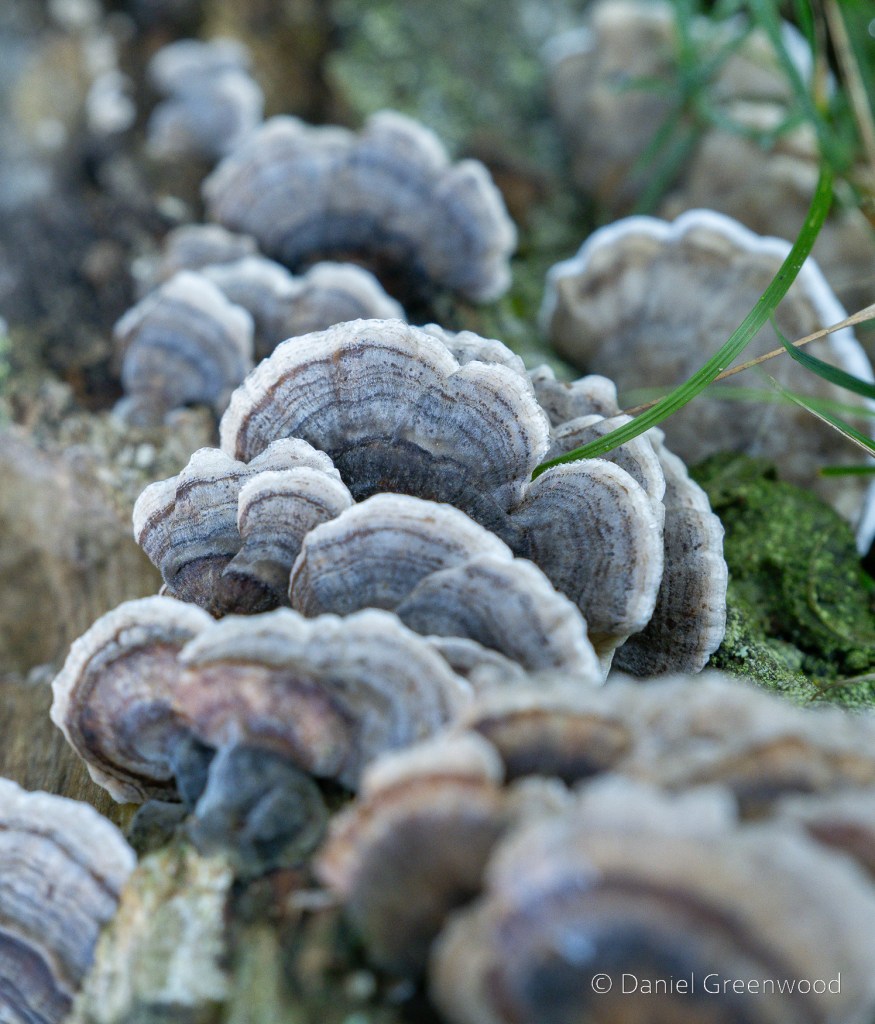
A fairly grayscale turkeytail.
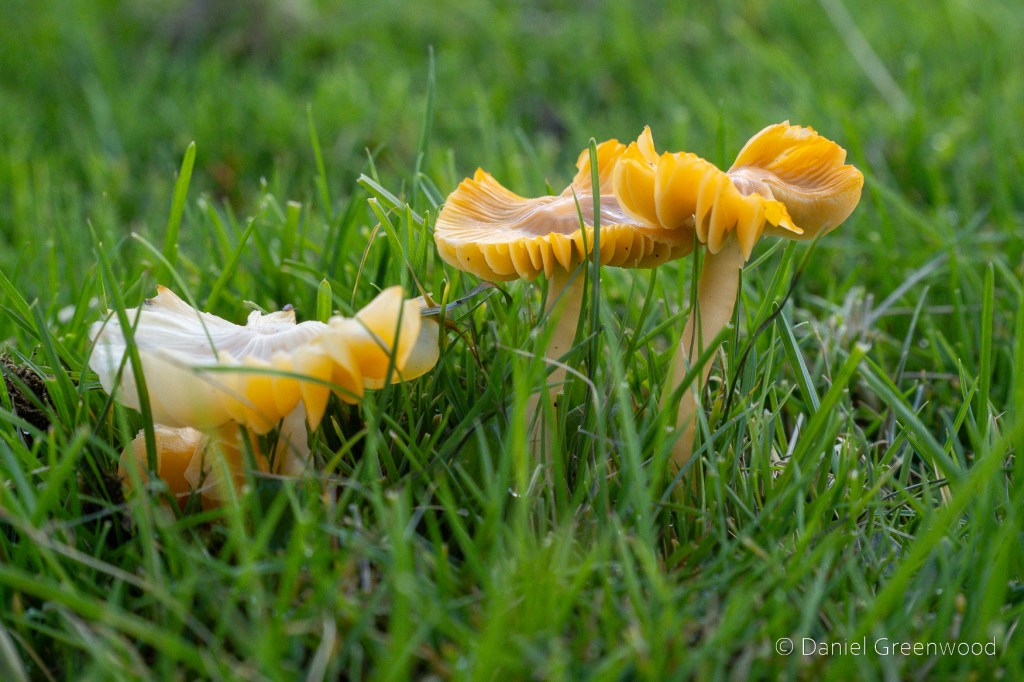
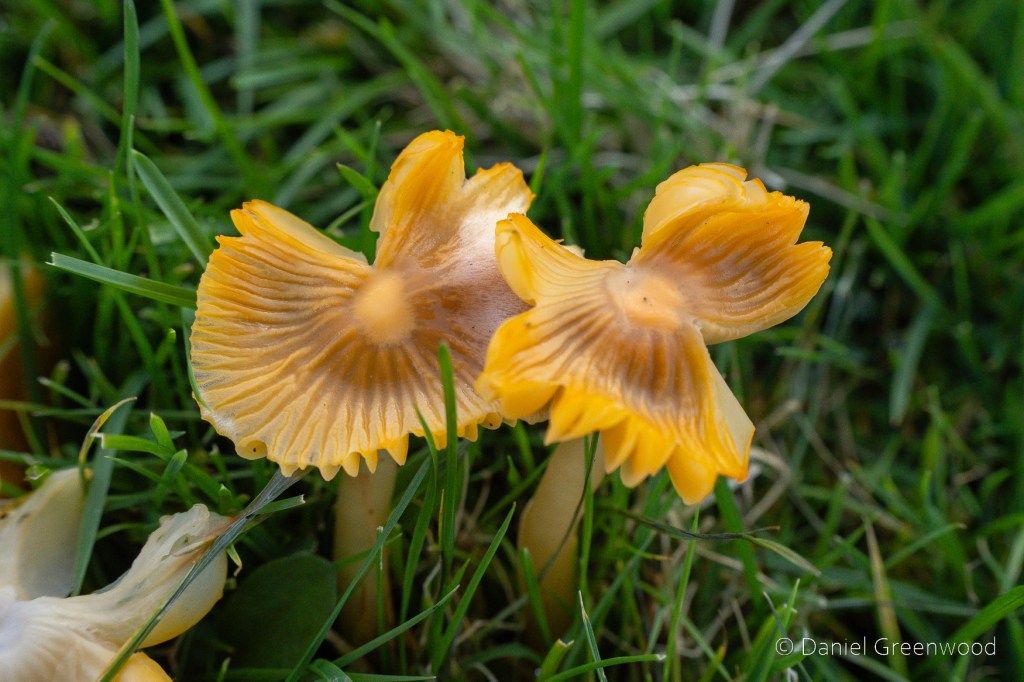
I’m fairly confident these are parrot waxcaps, a variable species at times.
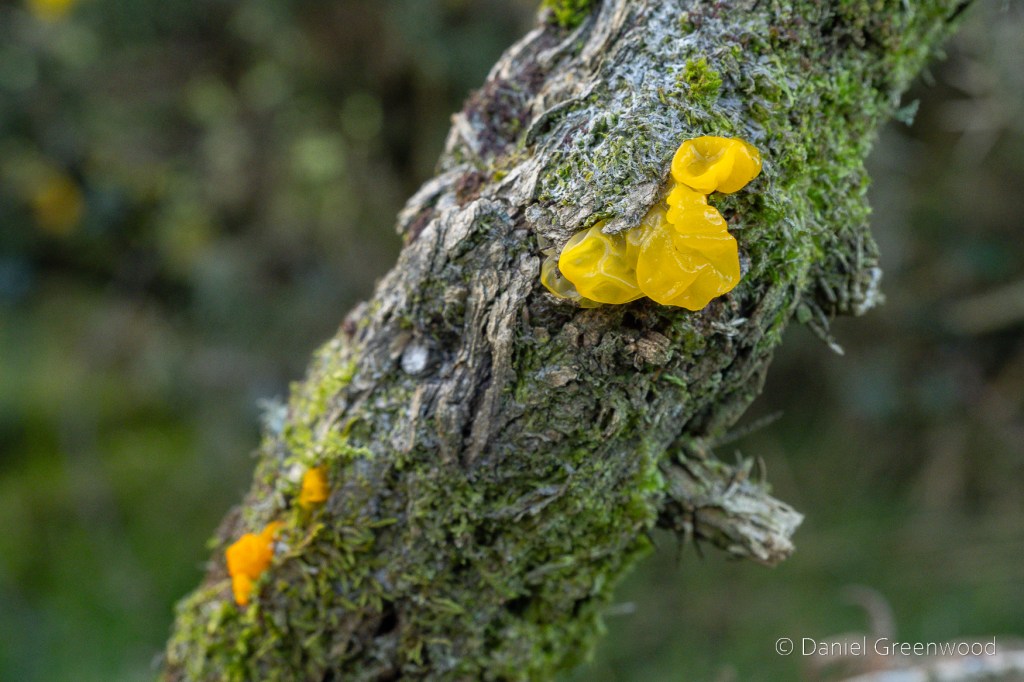
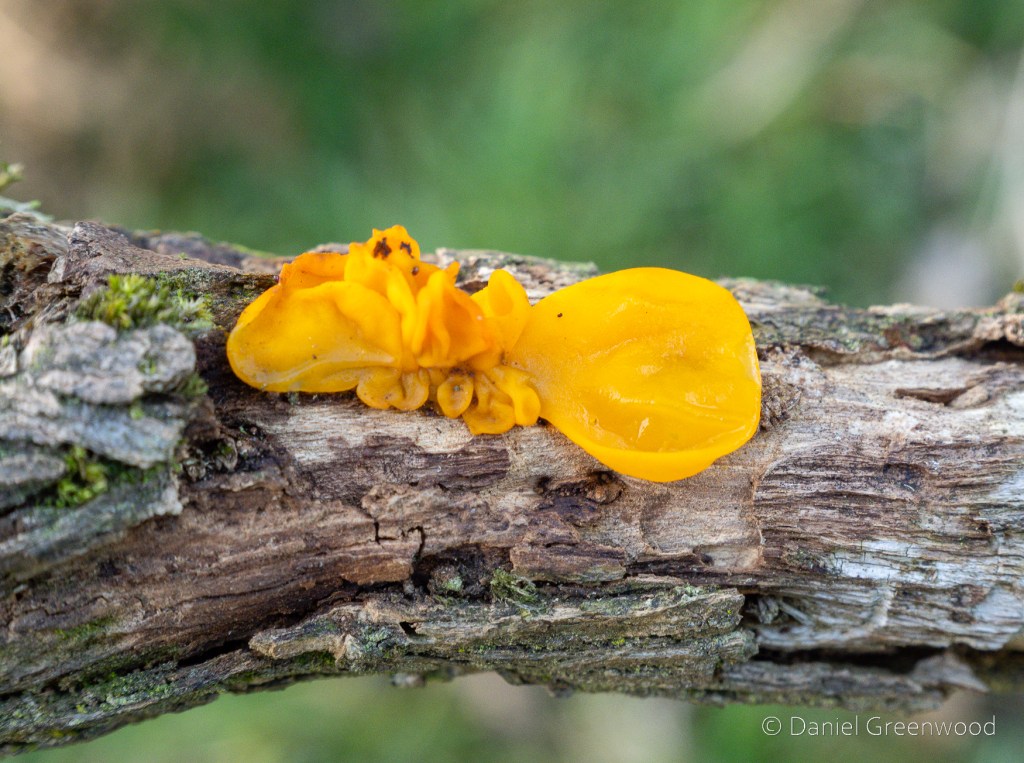
More witches butter, this time clearly growing on gorse, where it grows on another fungus.
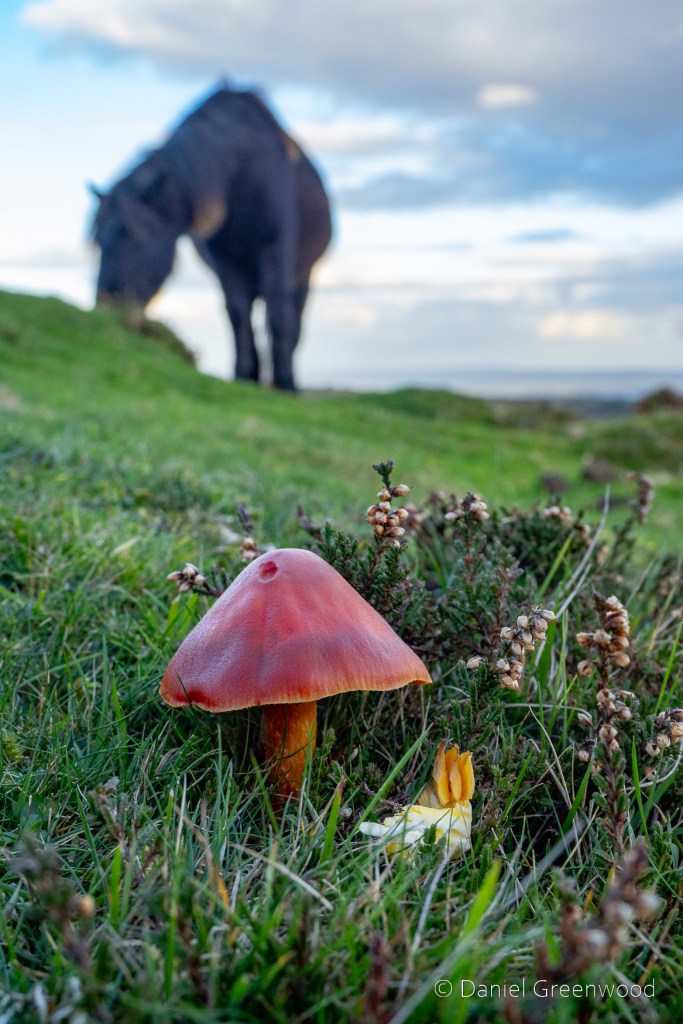
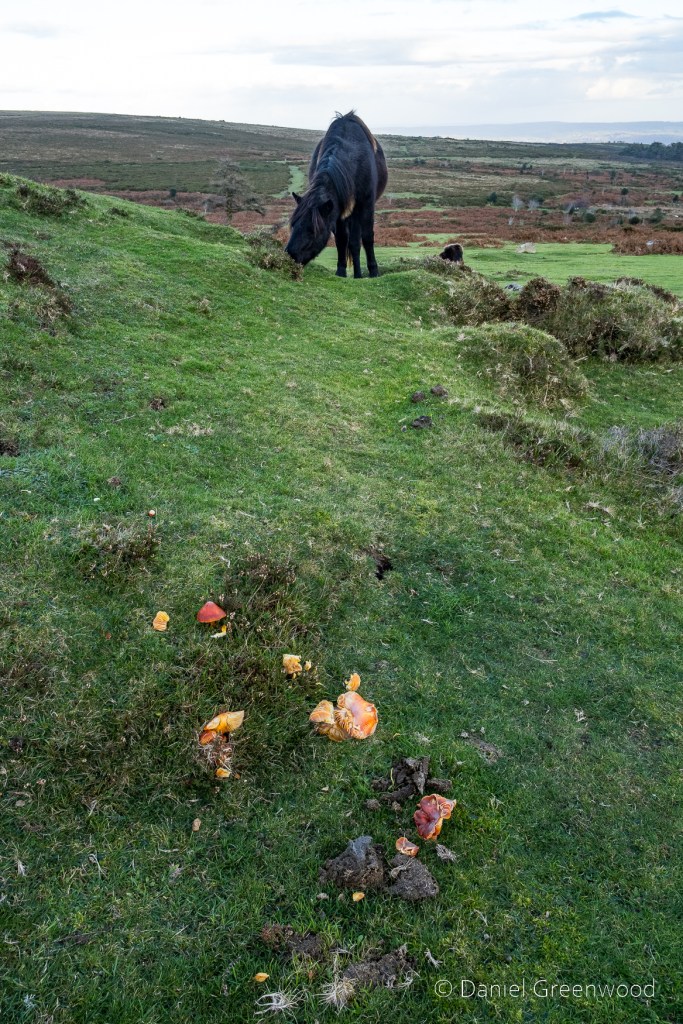
I hope you like crimson waxcaps. I don’t know if the ponies do, or if they just stood on them. They seem to be fairly consistent on heather moorland.
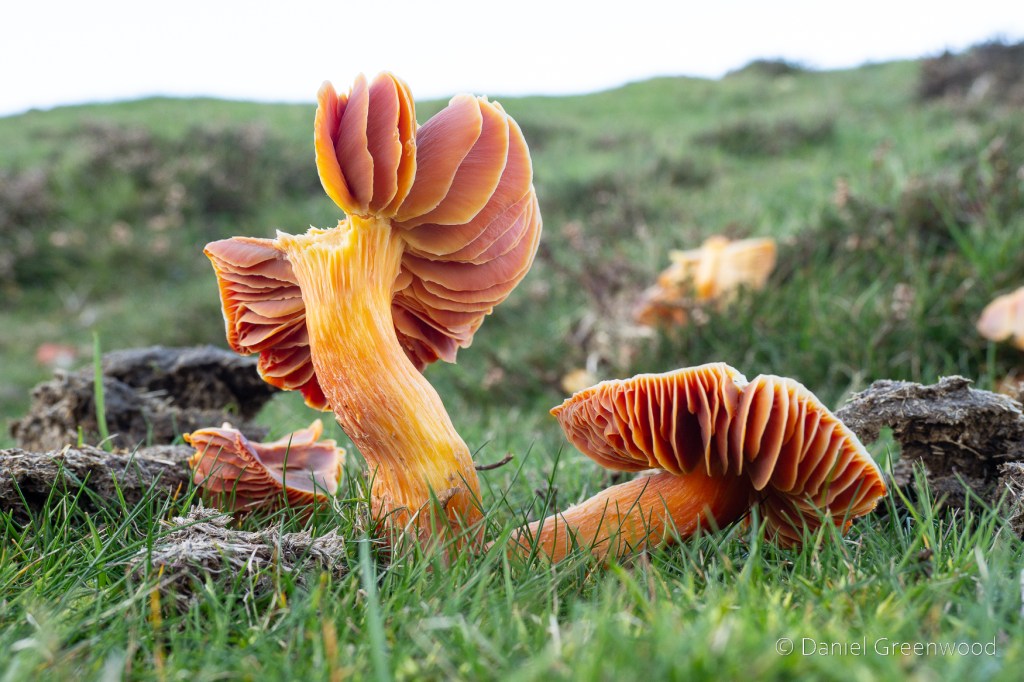
Crimsons have quite sturdy caps and the gills are deep.
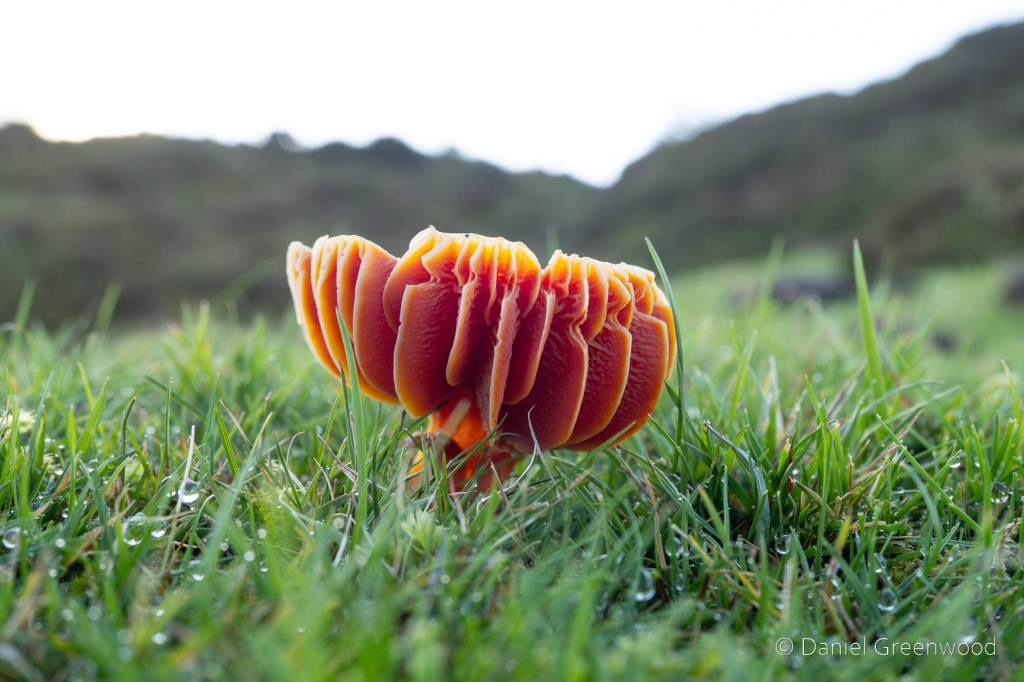
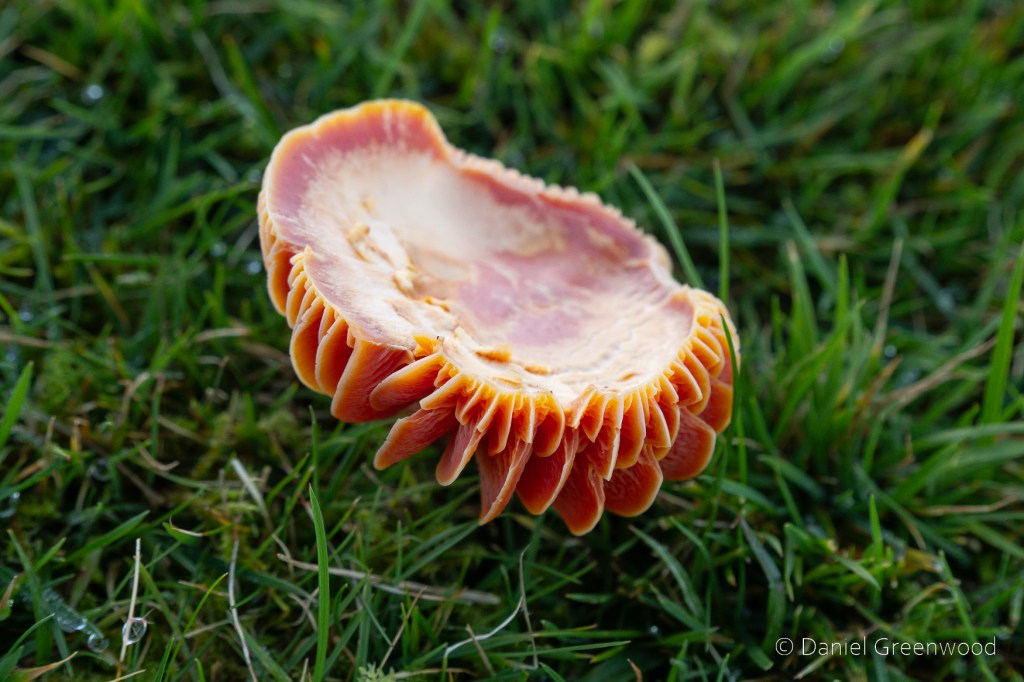
This was smaller and is likely to be scarlet waxcap.
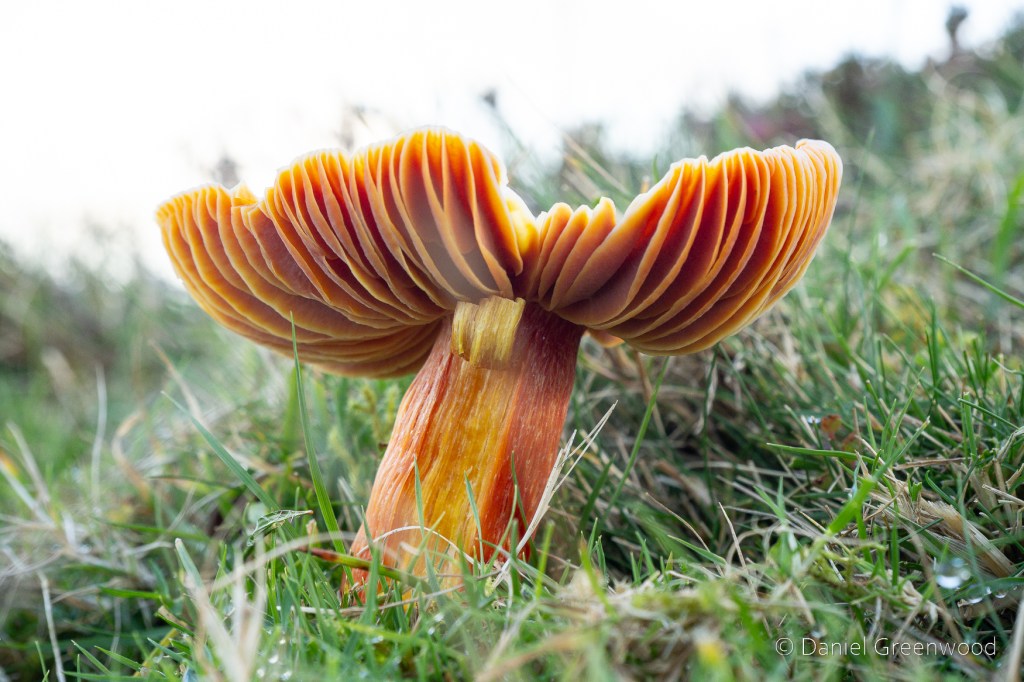
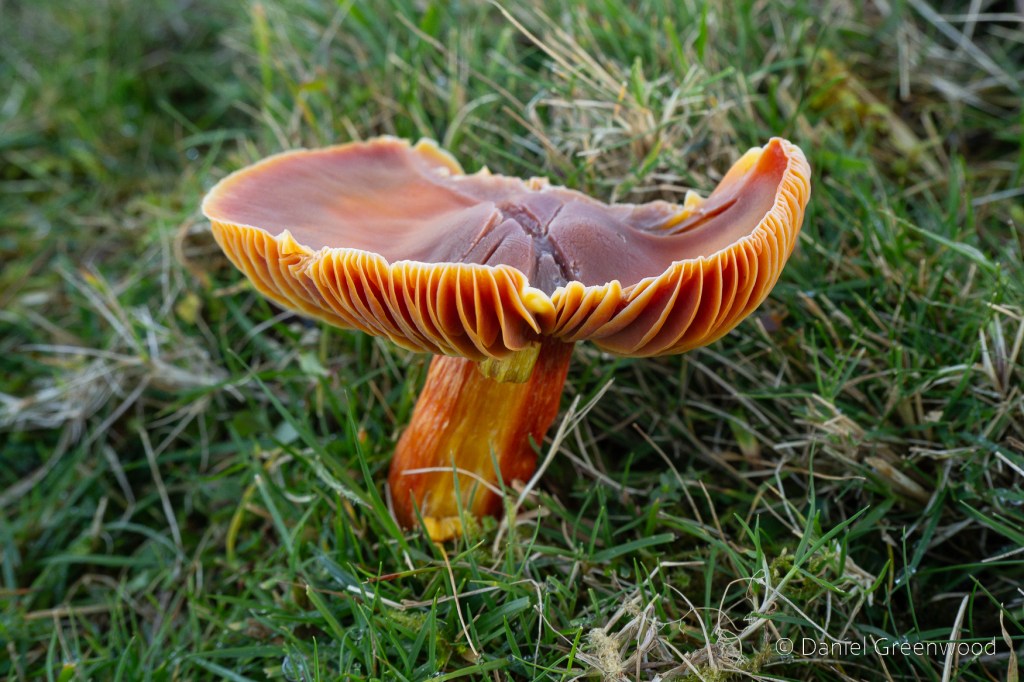
Returning to crimson wax again, they appear more robust.
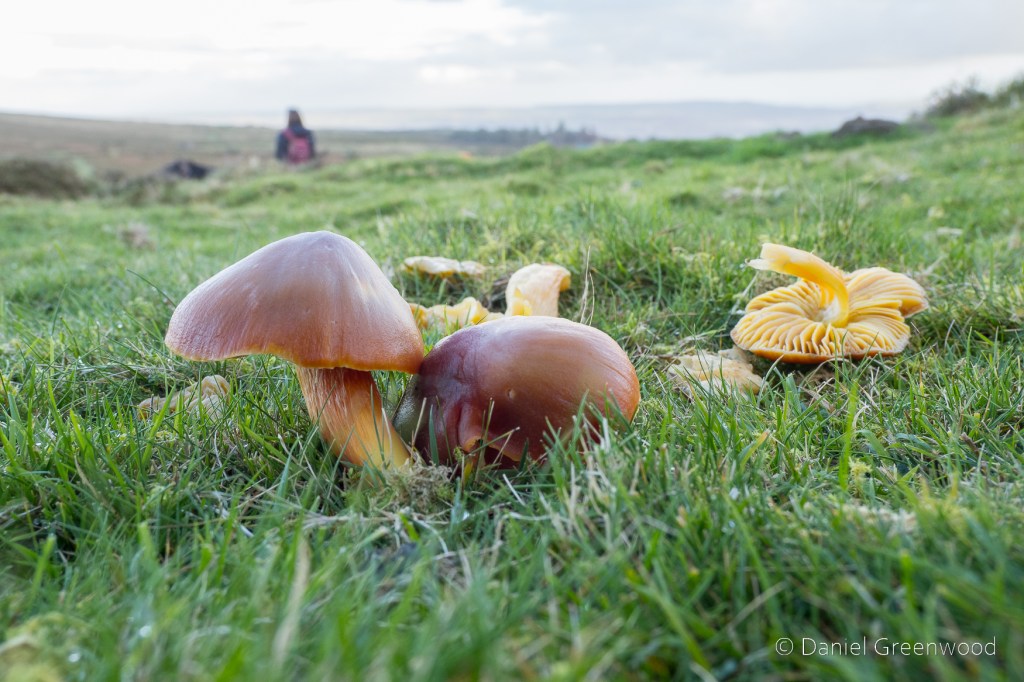
That said, the ponies may be upturning them.
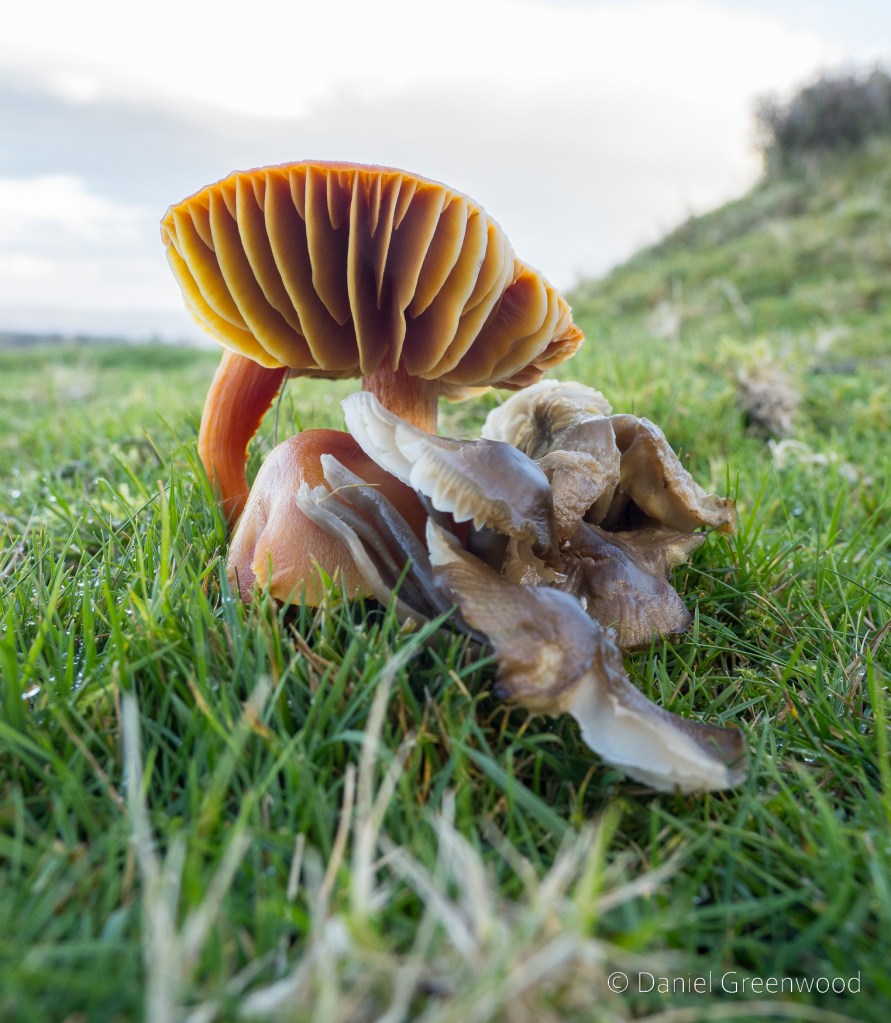
I think the brown waxcaps cowering underneath the red ones are a different species, possibly a colour variation of parrots.
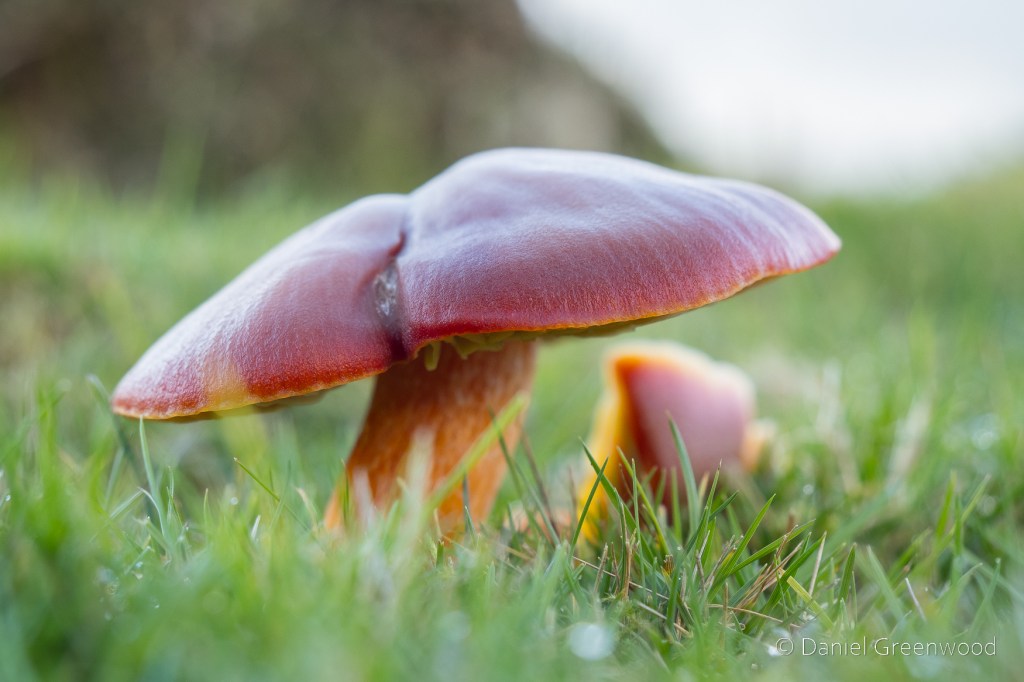
I could photograph crimson waxcaps all day!
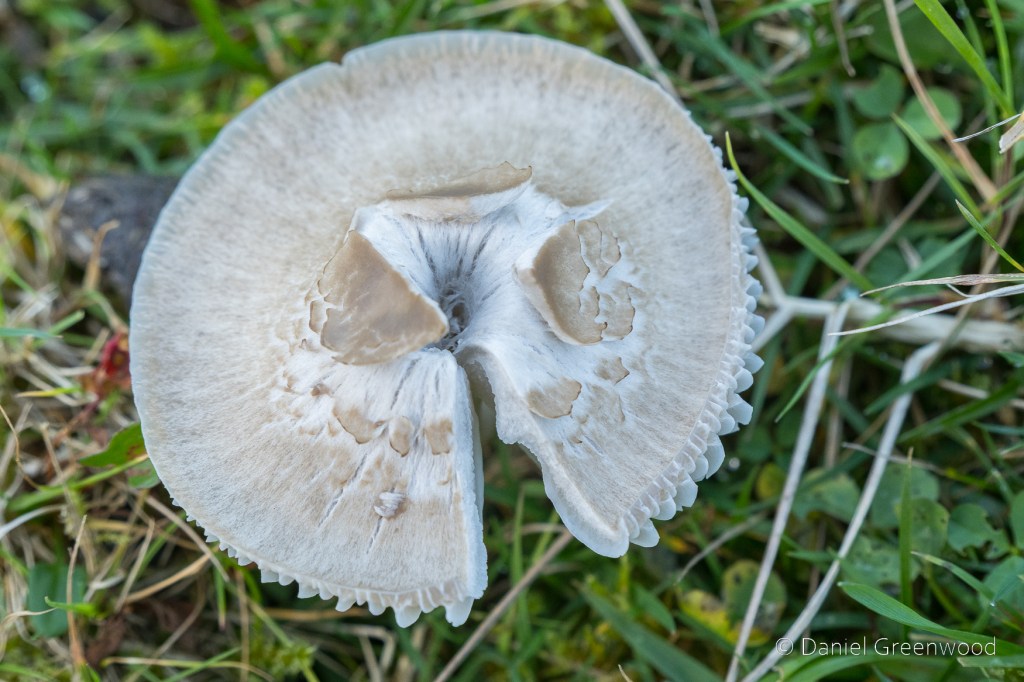
This one was intriguing, almost looking like a mushroom where a second cap was growing from the top, but I’m not sure. I’m not sure of the species either.
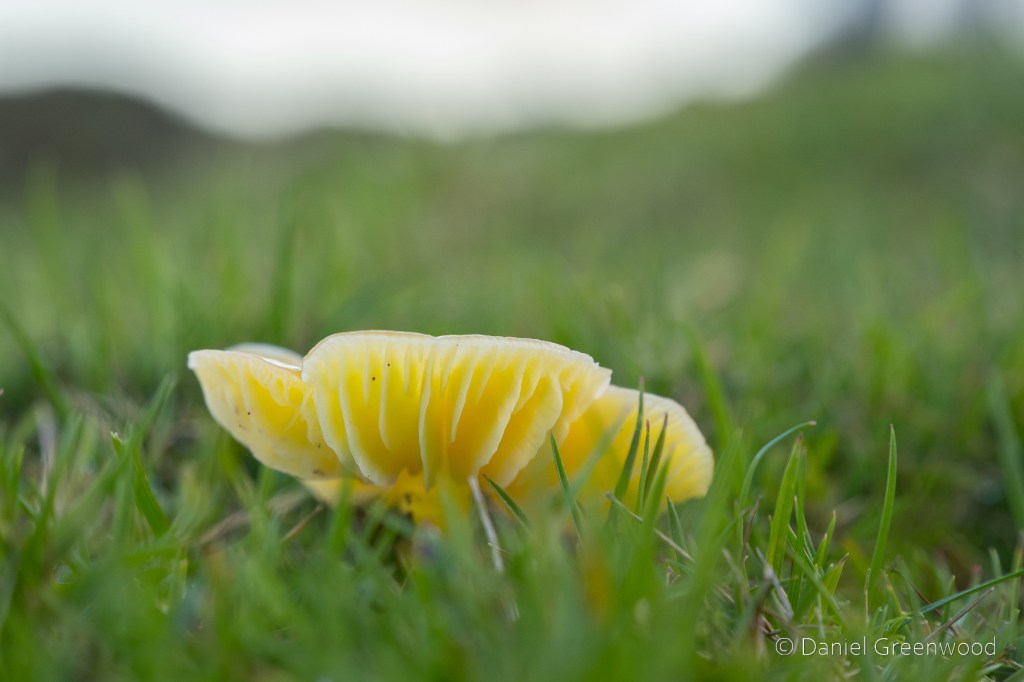
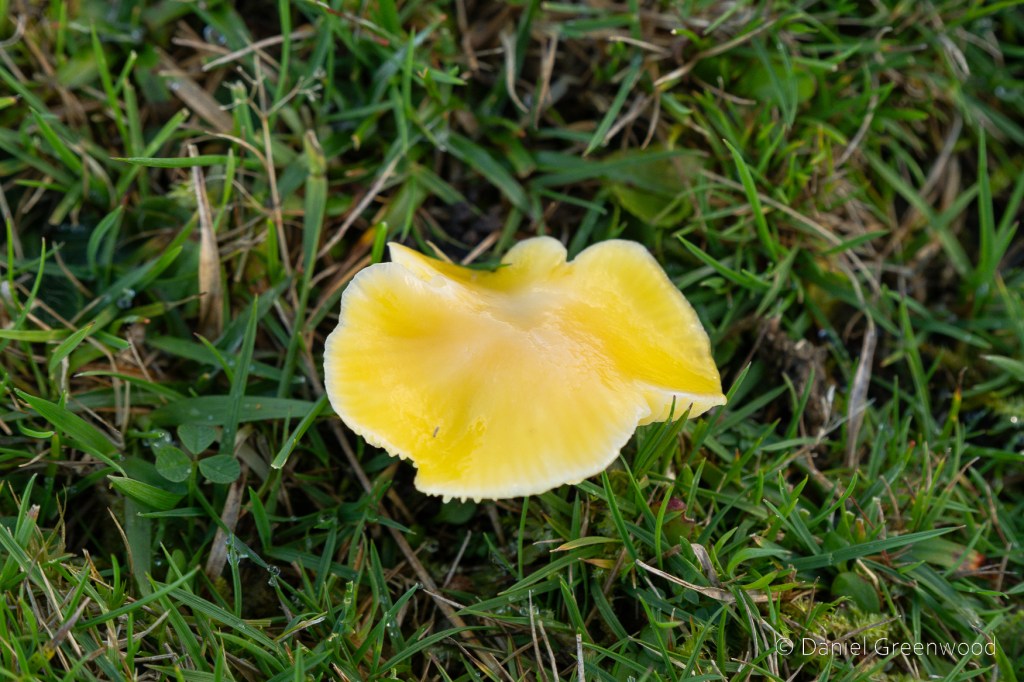
Probably butter waxcap but not sure.
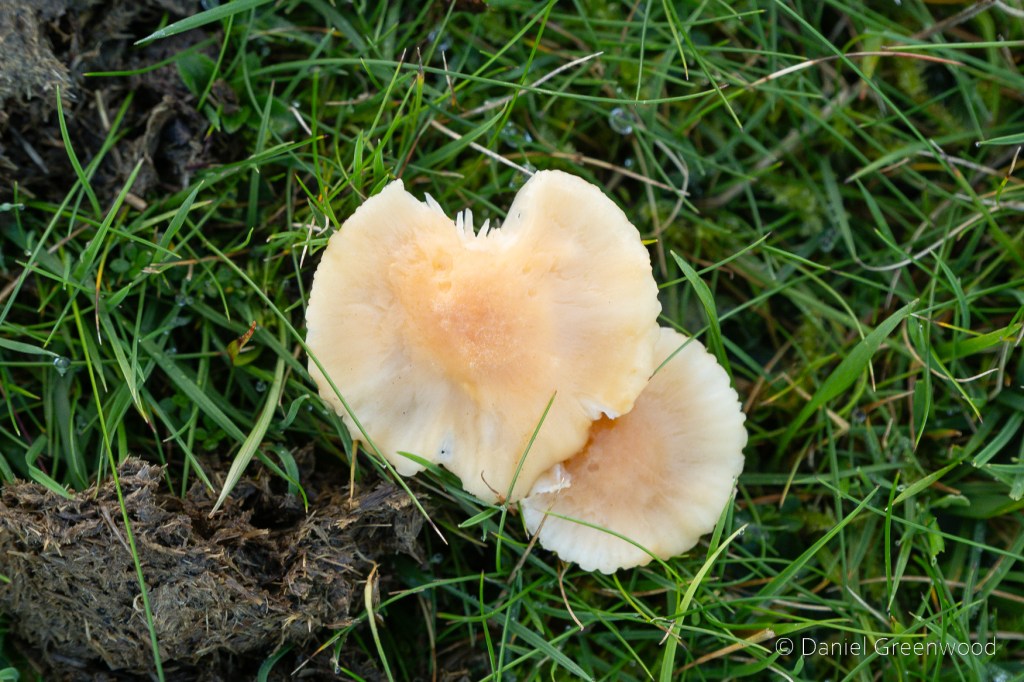
I was probably a bit tired by this point, so didn’t get down for the gills. I would say they are meadow waxcaps, which have a similar cap colour.
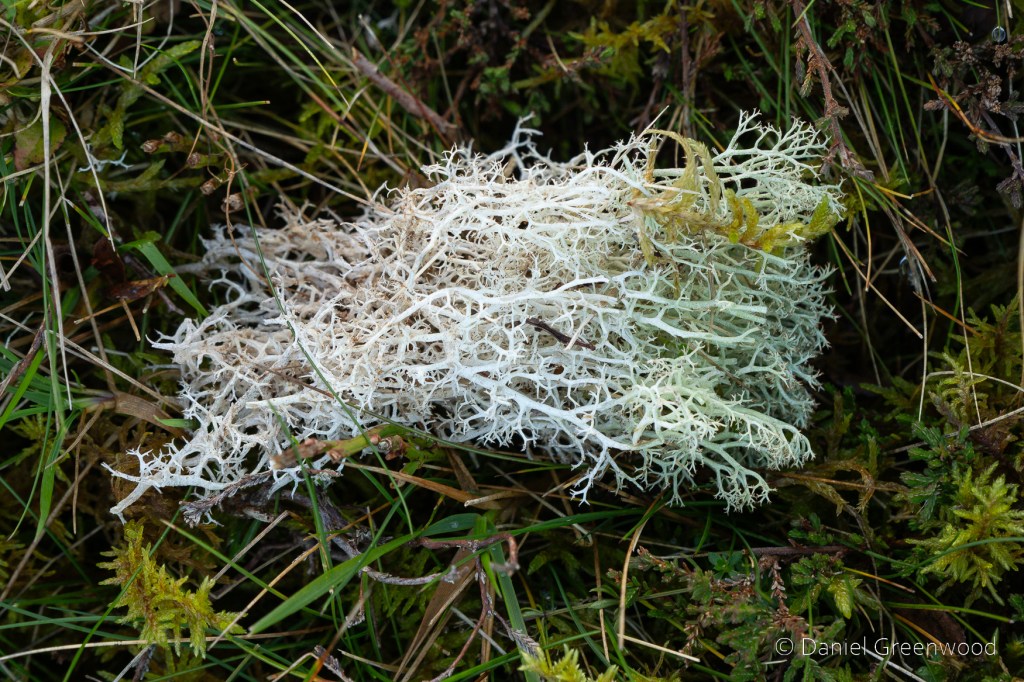
Some uprooted reindeer lichen, probably more pony work.
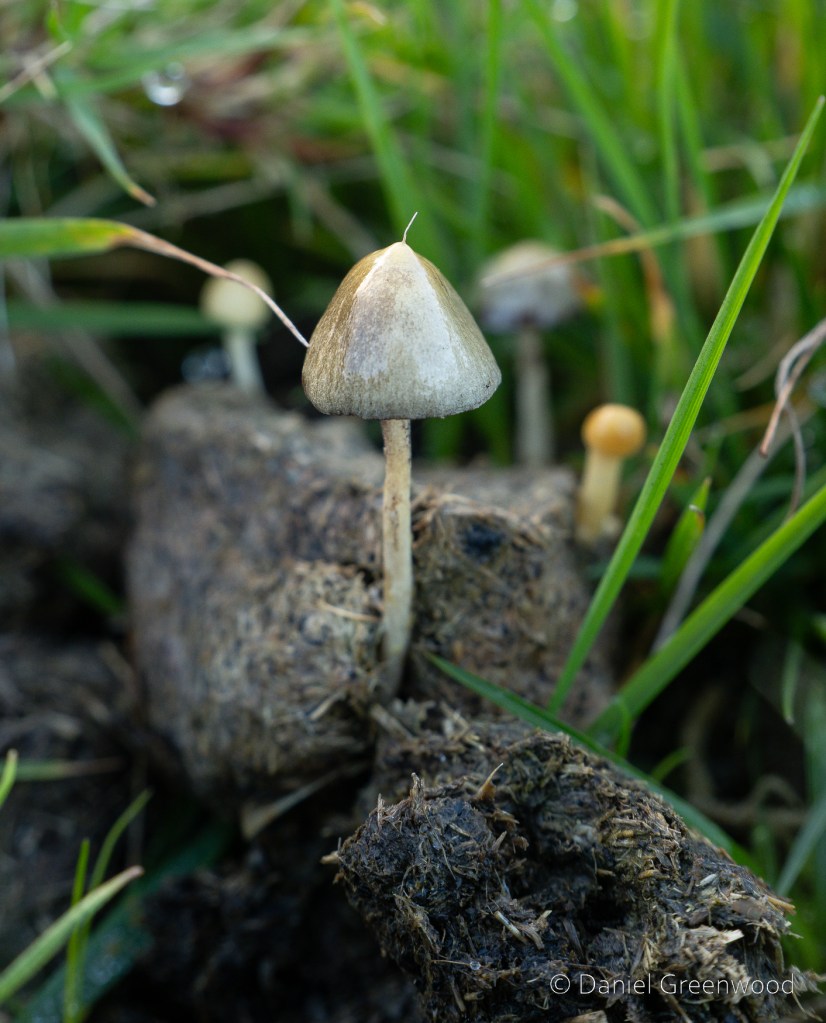
It’s hard to avoid dung on Dartmoor, but then it is a habitat in itself. This is egghead mottlegill.
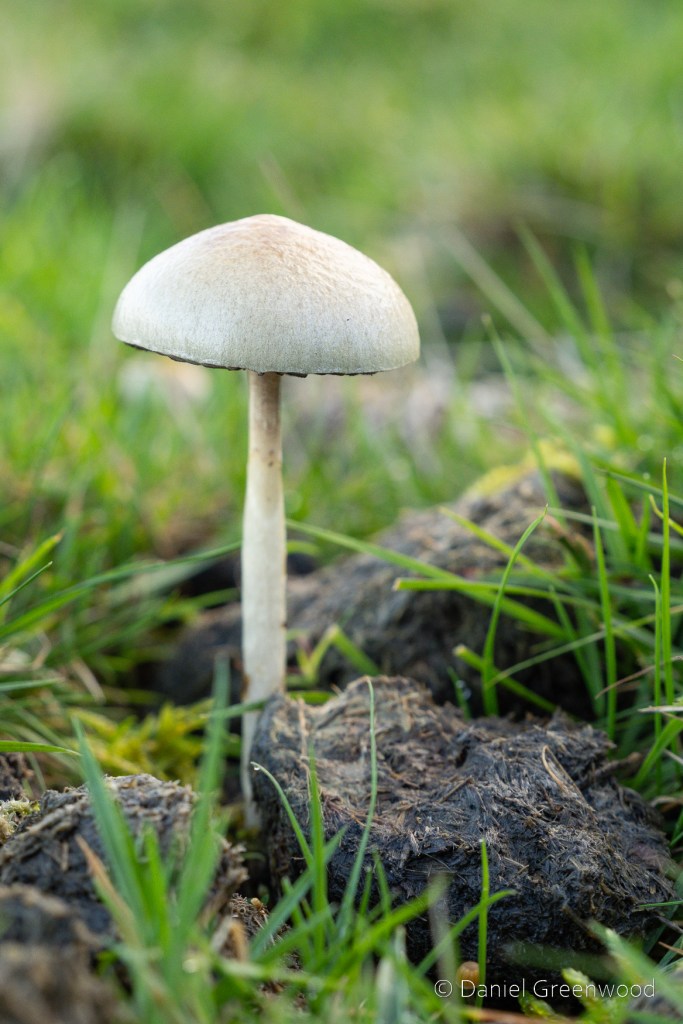
Where else to finish this post but with the star of this blog, the dung roundhead.
Thanks for reading. More Dartmoor fungi blogs below:
I write these blogs in my spare time because I want to raise awareness about the beauty and diversity of fungi. If you enjoy reading them you can support my blog here.


Leave a Reply