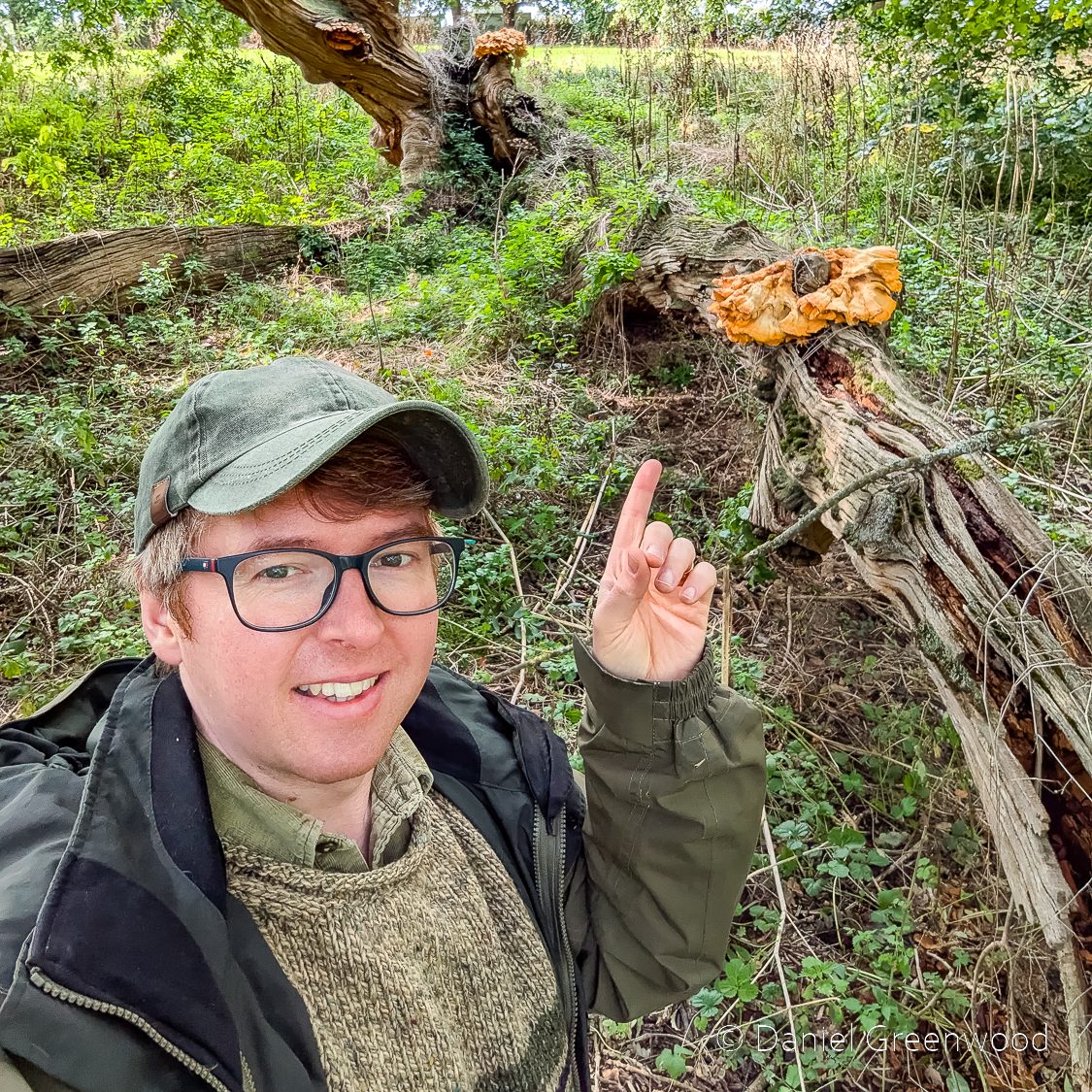
Colgate, West Sussex, October 2025
An afternoon wander around some of the ancient woodland and now wooded heath around Colgate Parish, showing the mushroom season at its peak in 2025. The beech leaves were beginning to fall, which is when things can be more difficult to find, such is the weight of those leaves, which dominate the leaf litter where beech is abundant.
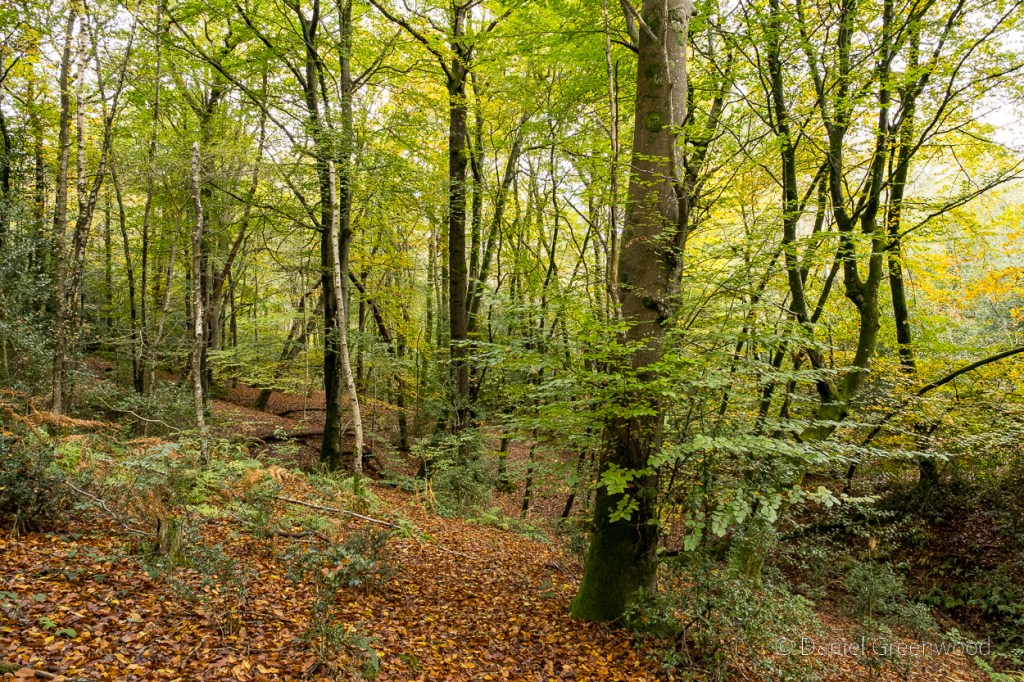
The first part of the walk was along the slopes of a ghyll (Wealden stream), a place which is rich in fungi largely due to its ancient nature, but also because there is little footfall here, meaning the woodland soil is healthy and uncompacted.
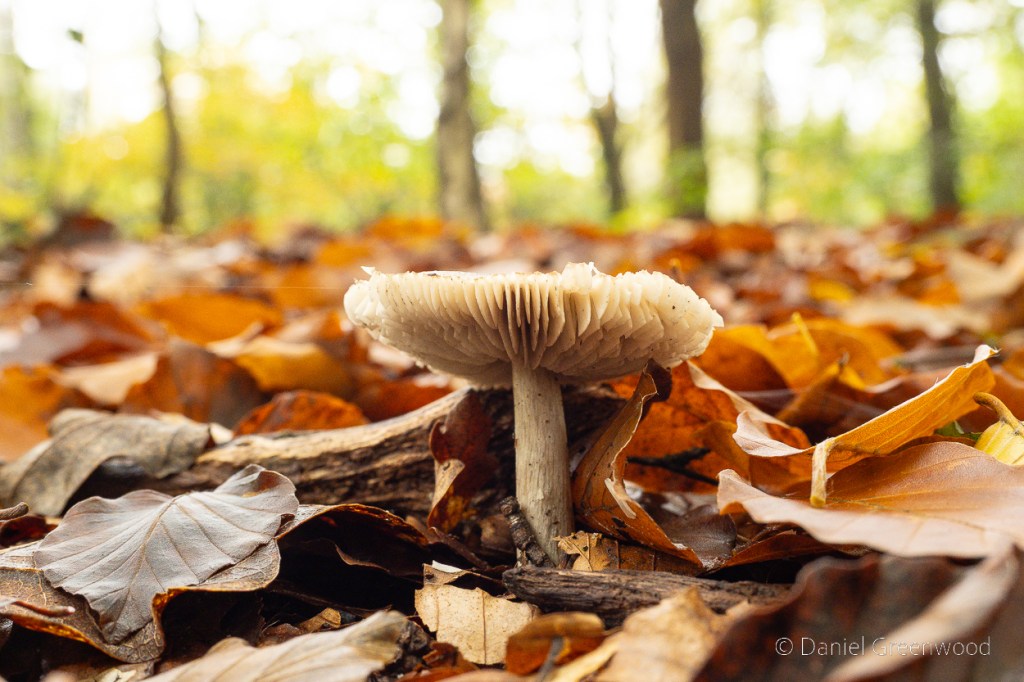
This post will feature a lot of species I don’t know, I just like the images of them. This is one of those species!
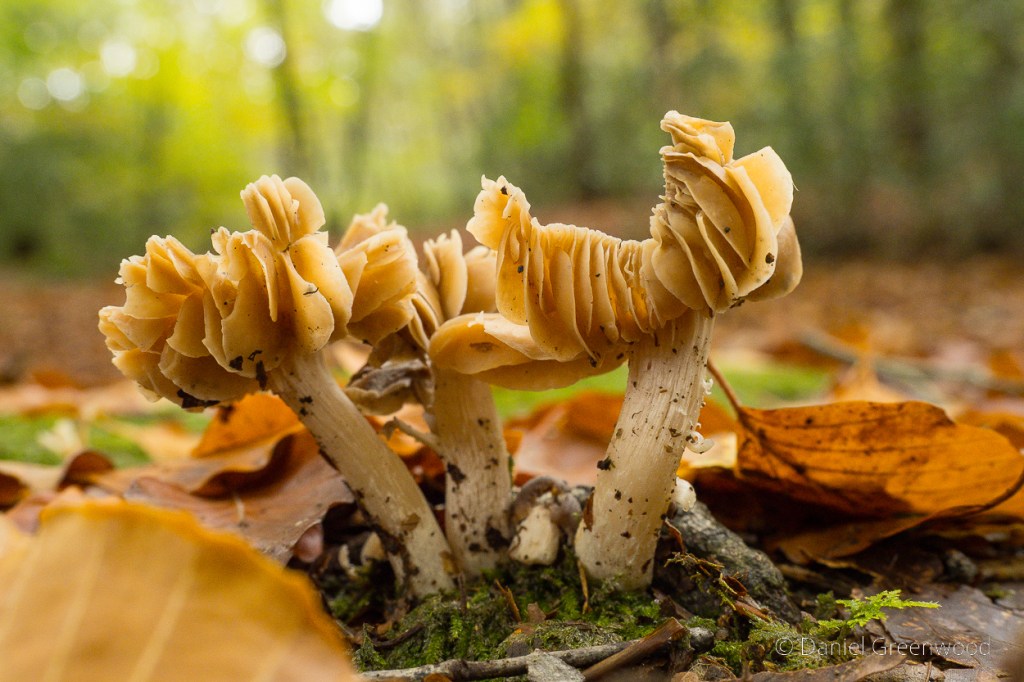
And this is another. I like the riot of gills as they over-mature and the cap breaks.
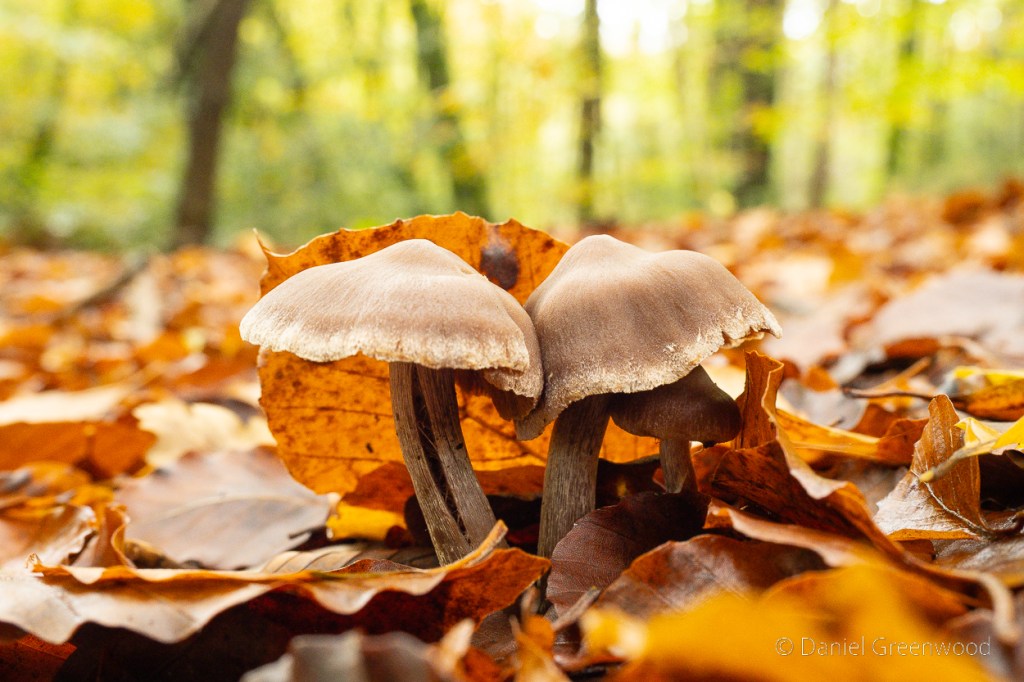
My guess here is that these are webcaps. Webcaps often have a conical point to the cap and the texture is a little grainy, if that makes sense.
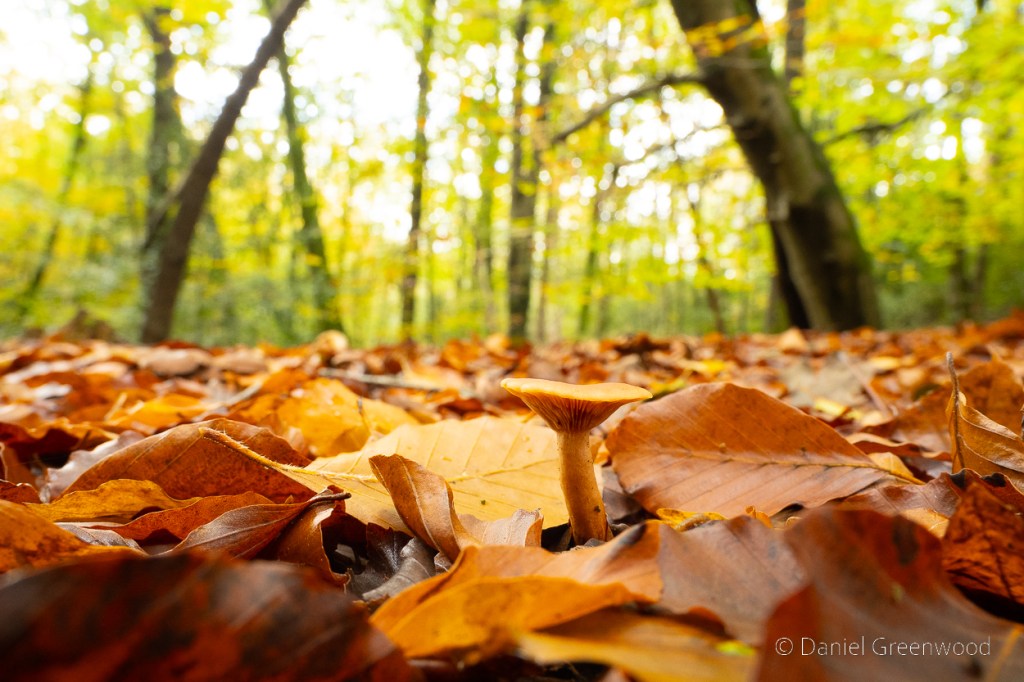
Can you see it? A milkcap breaching the beech leaf litter.
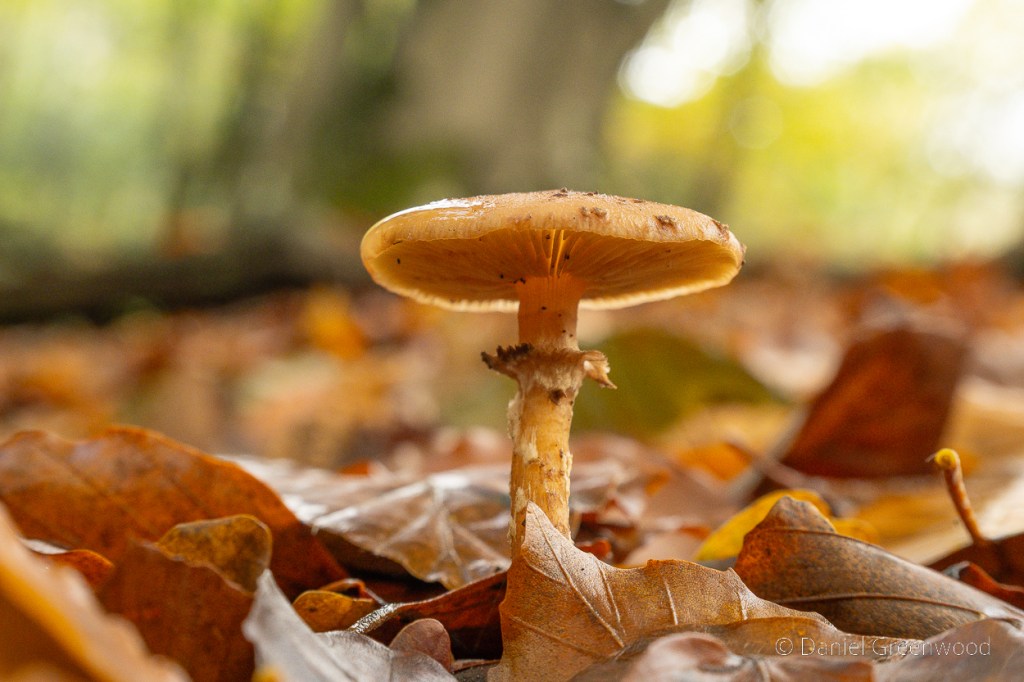
This was an unusual little mushroom. The photos don’t give a full account of the features, which doesn’t help to identify it. I’m not sure what it is.
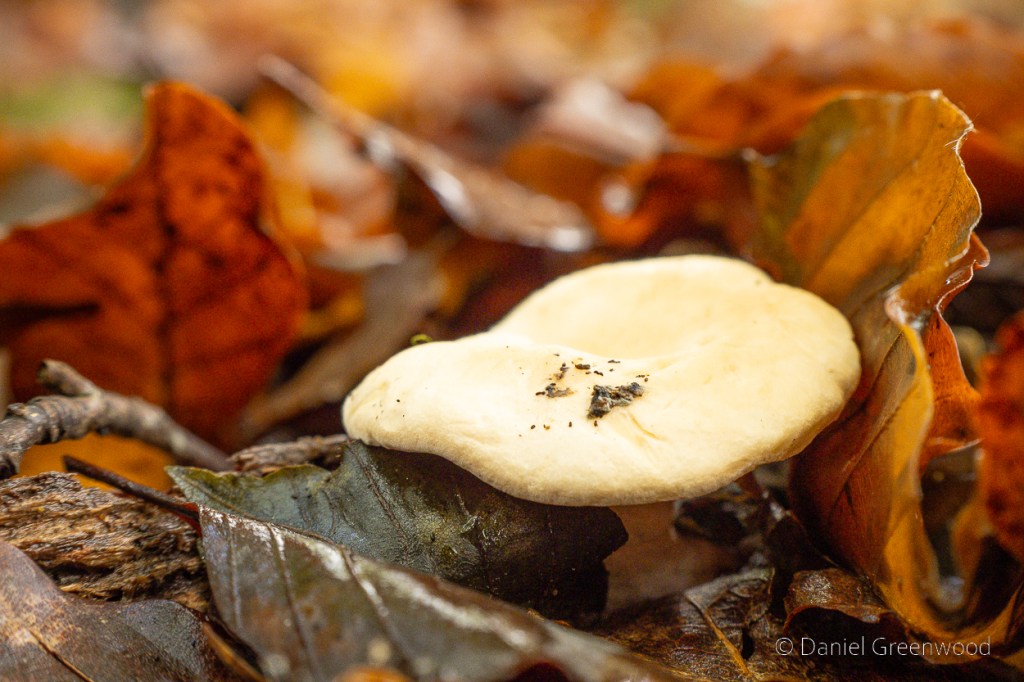
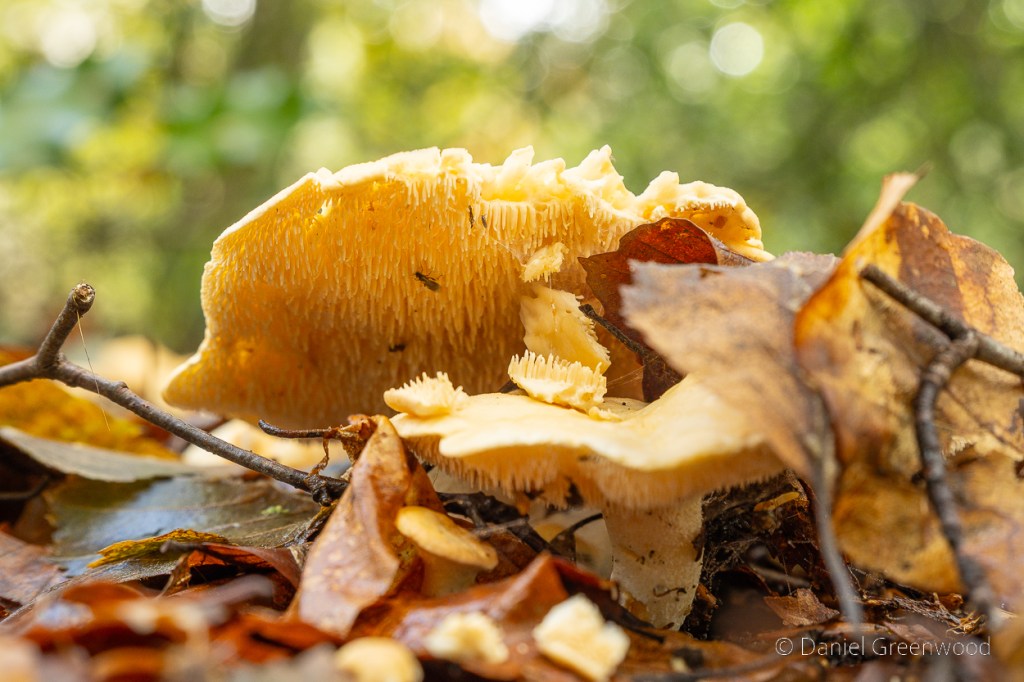
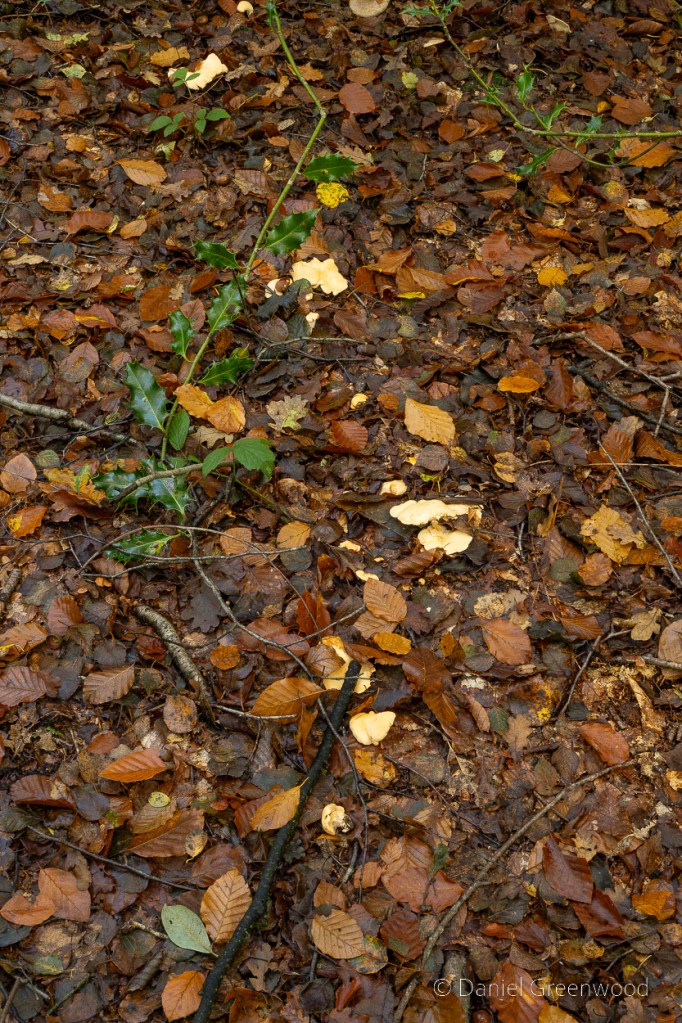
I definitely know what these are. It’s interesting to me how hedgehog mushrooms seem to appear in different places each year. I’ve not seen them in the same spot year on year. One thing they do consistently, however, is to grow along a mycelial thread as if along a root line. At least that’s how it looks from above.
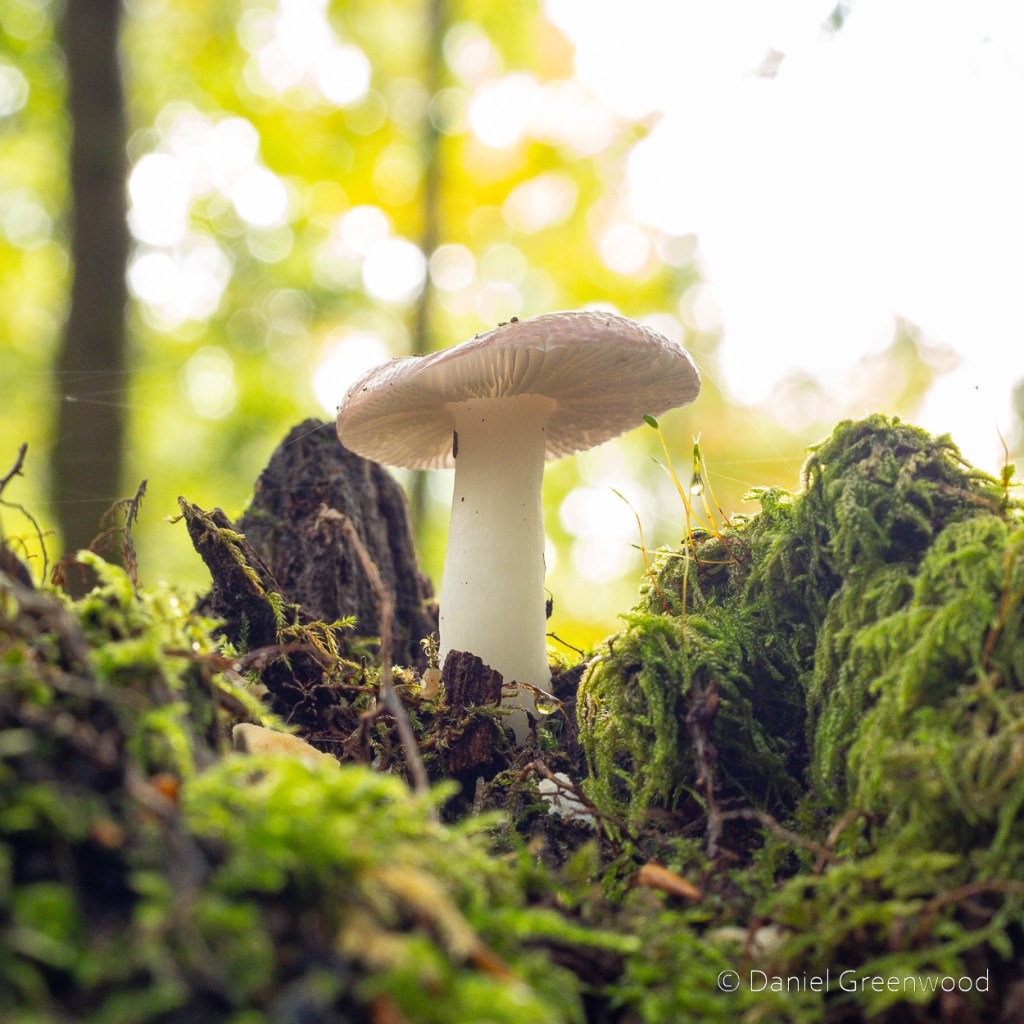
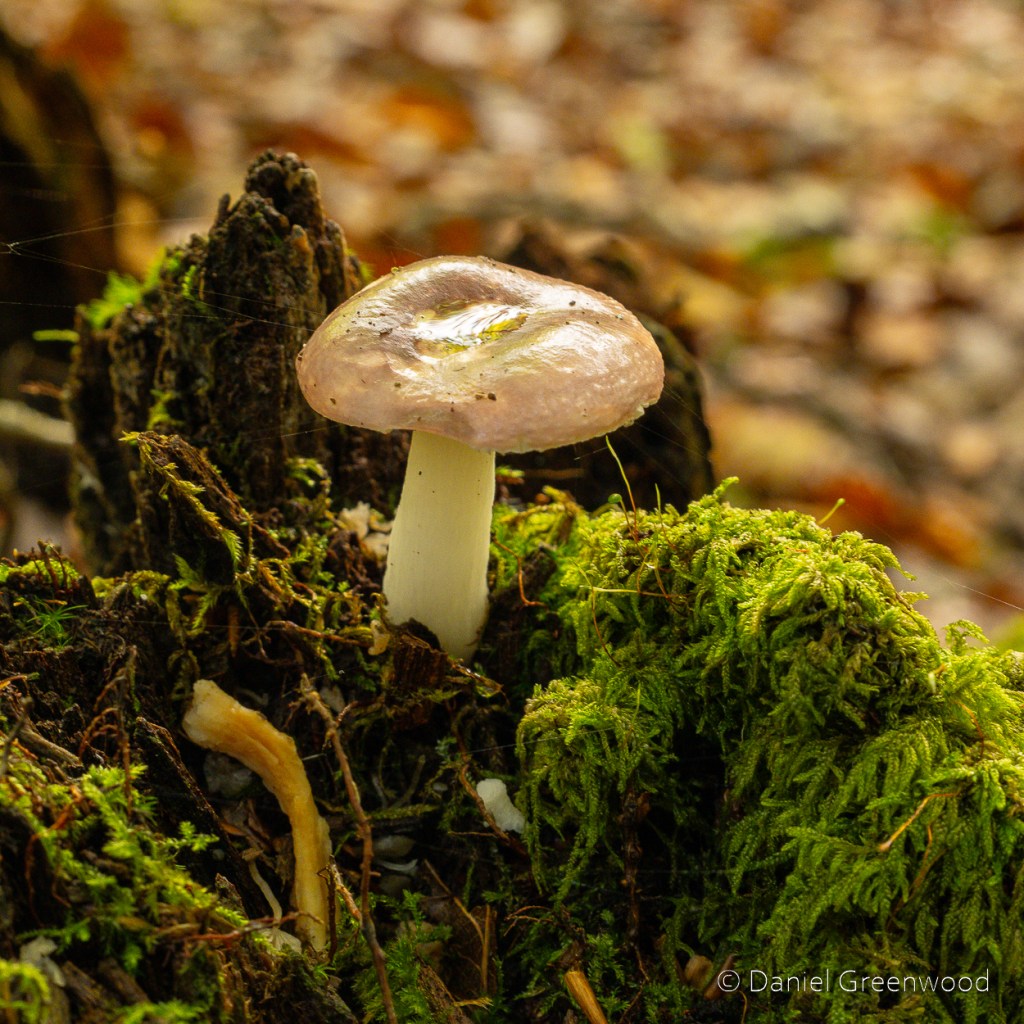
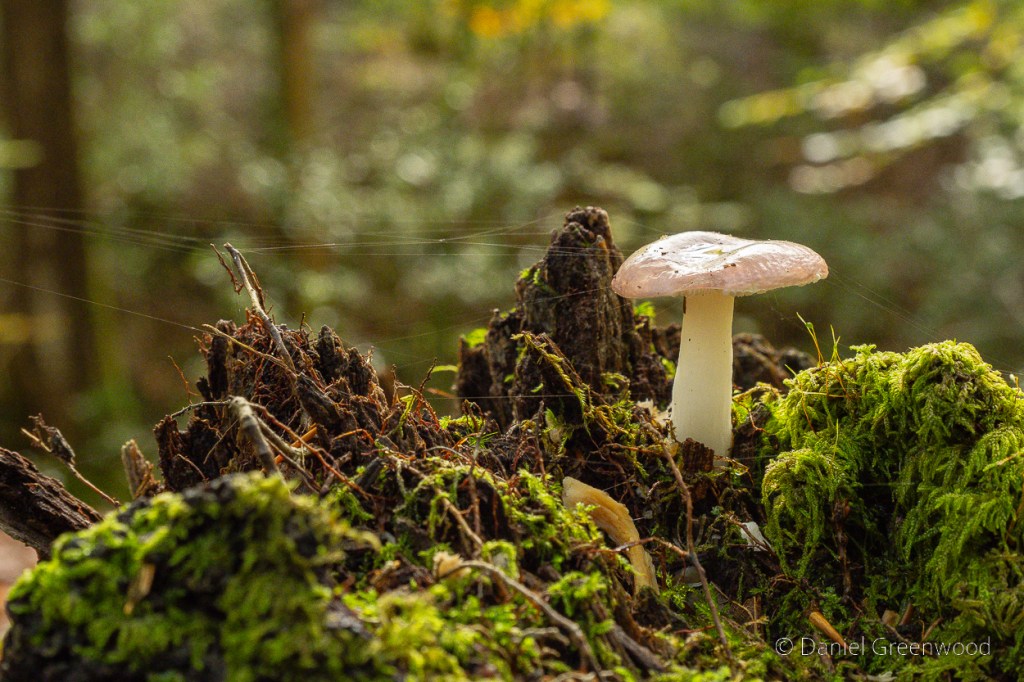
I love the setting for this little russula, in the mossy heart of an old tree stump. It looks similar to fragile brittlegill (Russula fragilis) but I don’t know.
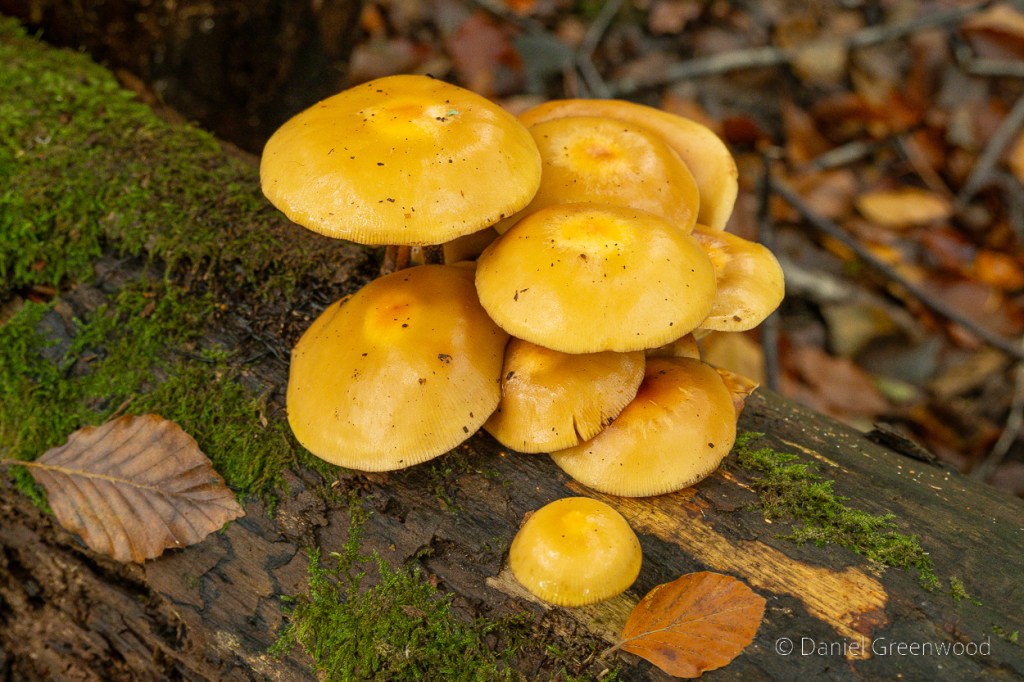
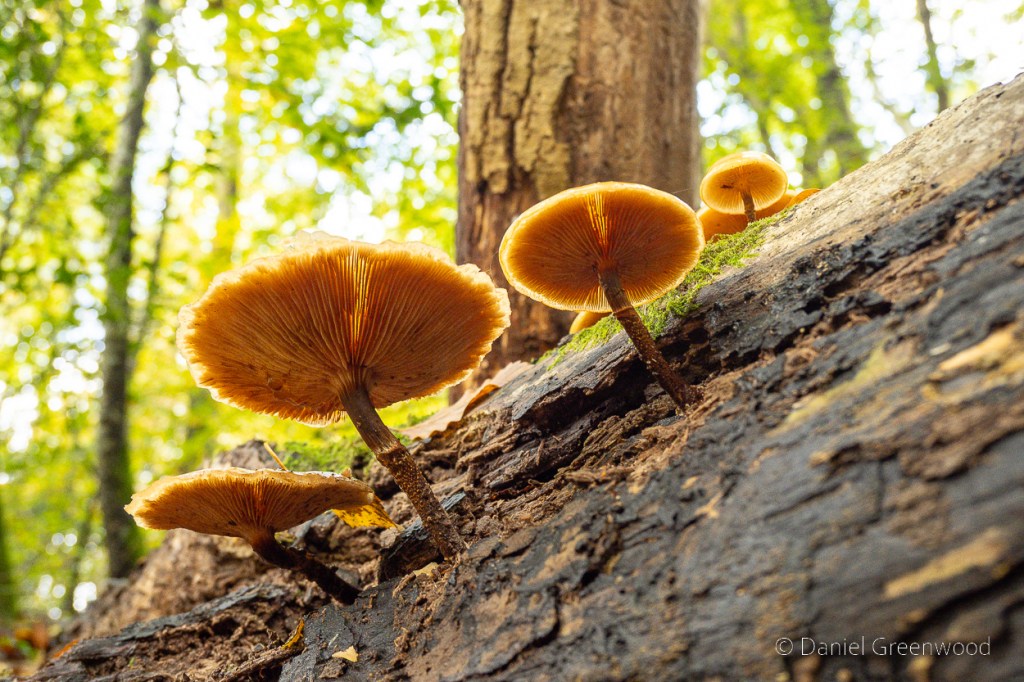
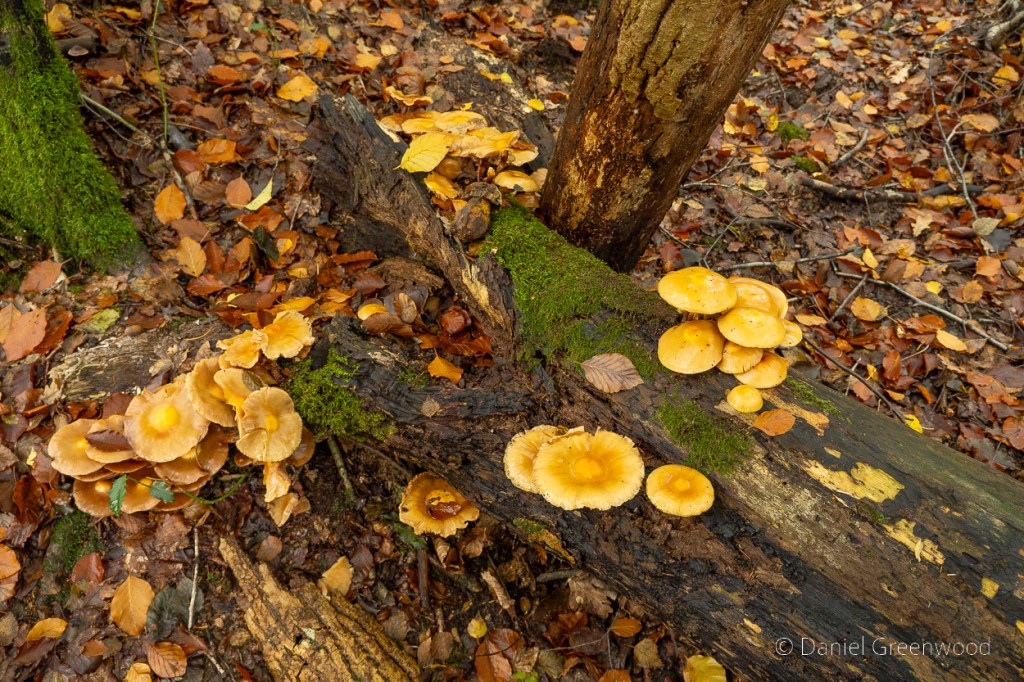
This community of mushrooms is probably sheathed woodtuft, or similar. It’s a common species in these Sussex Weald woods.
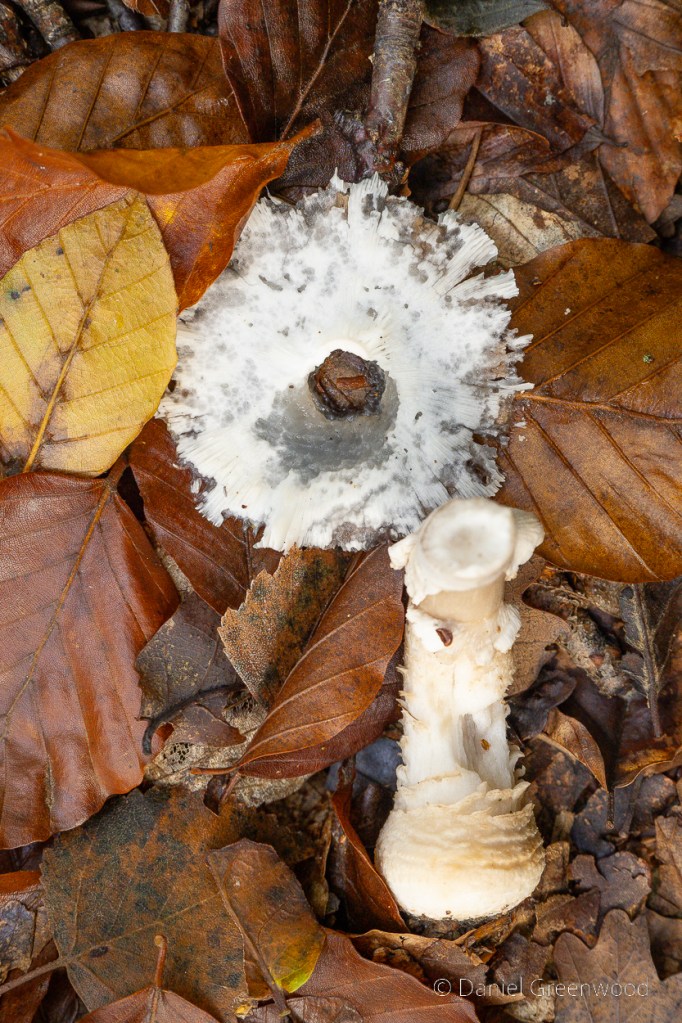
This looks like an amanita, probably a blusher, with the cap having fallen off and being nibbled down by slugs. It has signs of a veil, also the typical bulb at the base of the stipe.
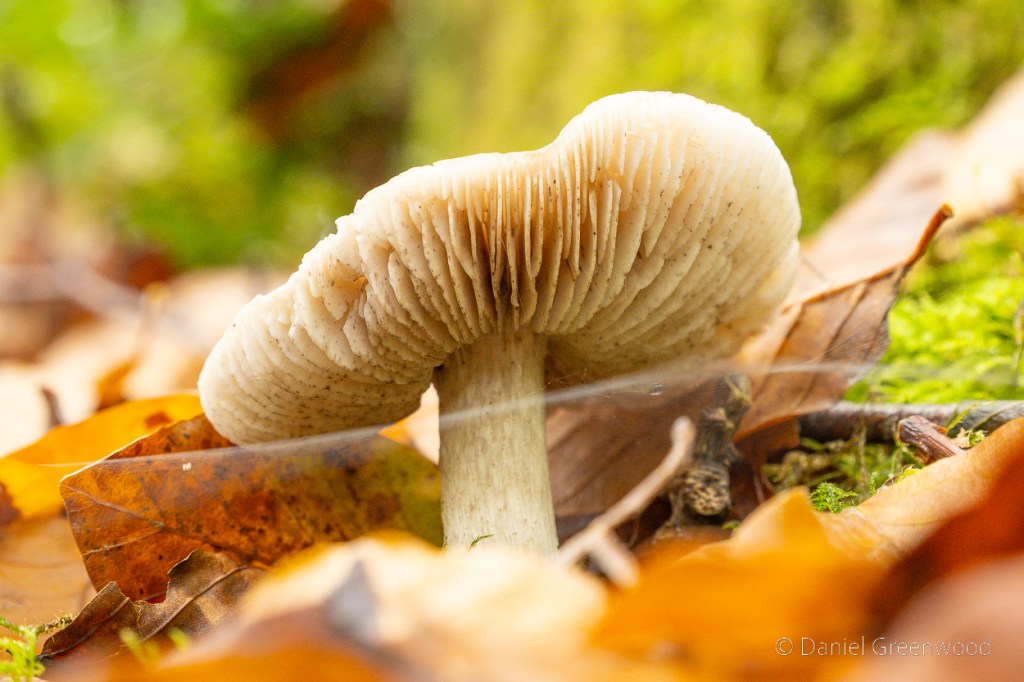
Another mystery shroom, but I like the image, including the ghostly spider web below the gills.
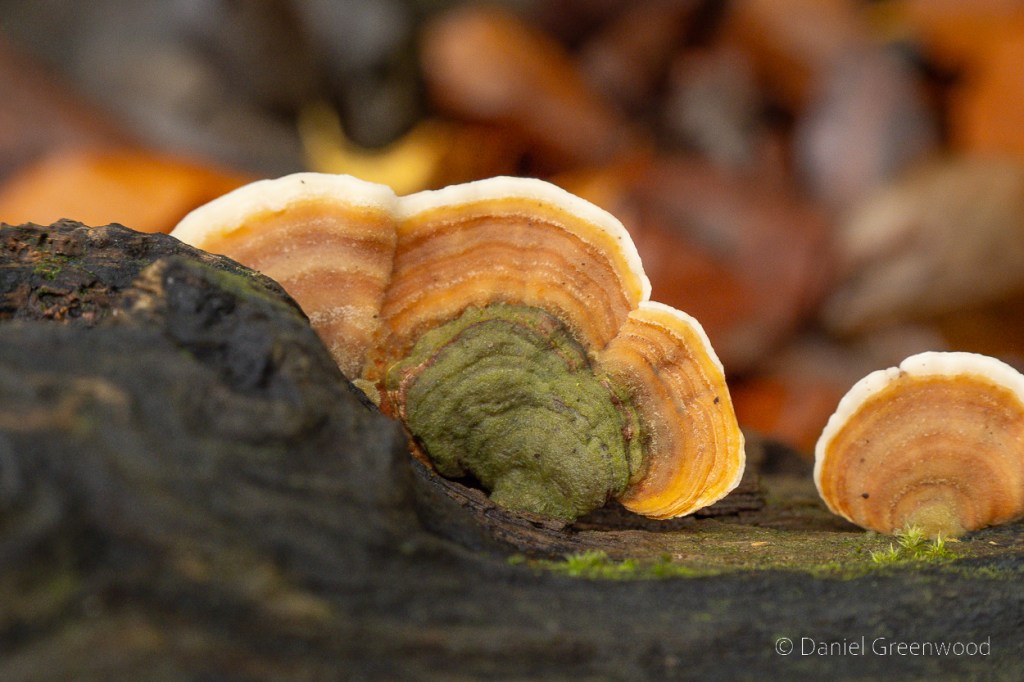
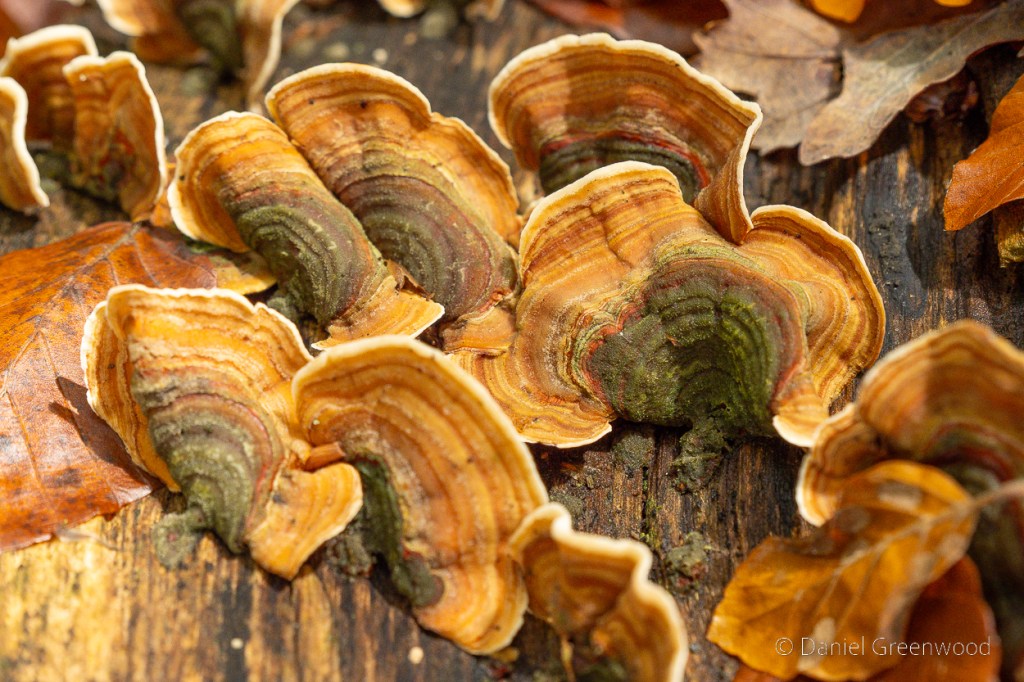
I love these small polypores when they’re in season. This is a stereum, and is most likely hairy curtain crust, though it’s not that hairy here.
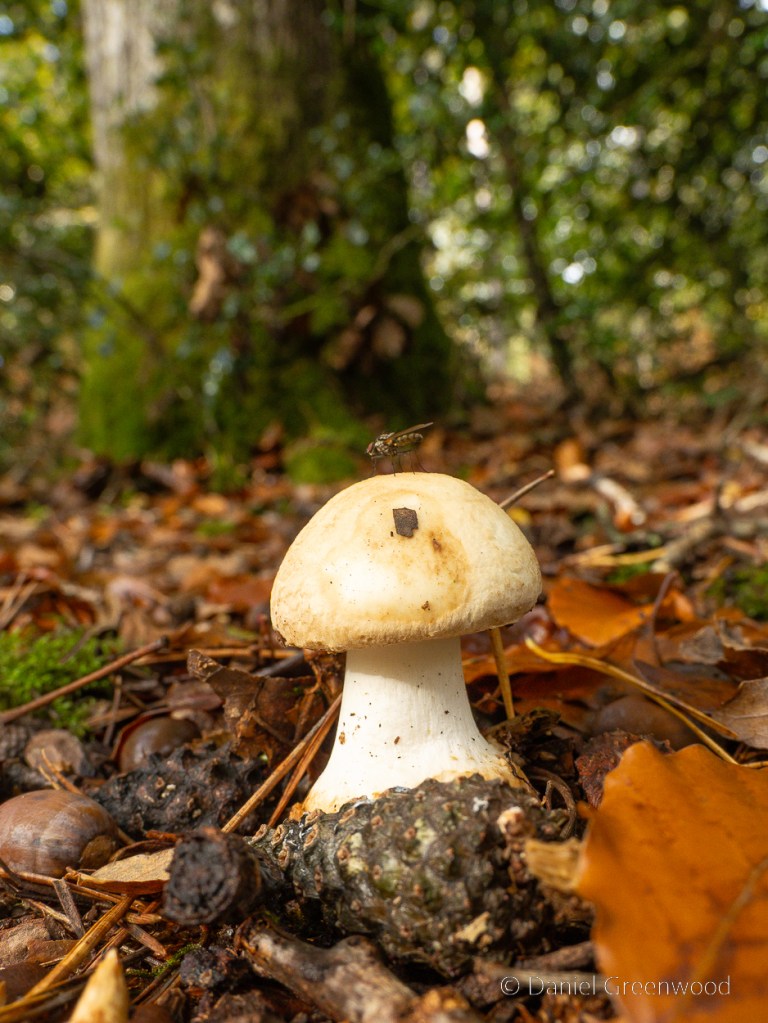
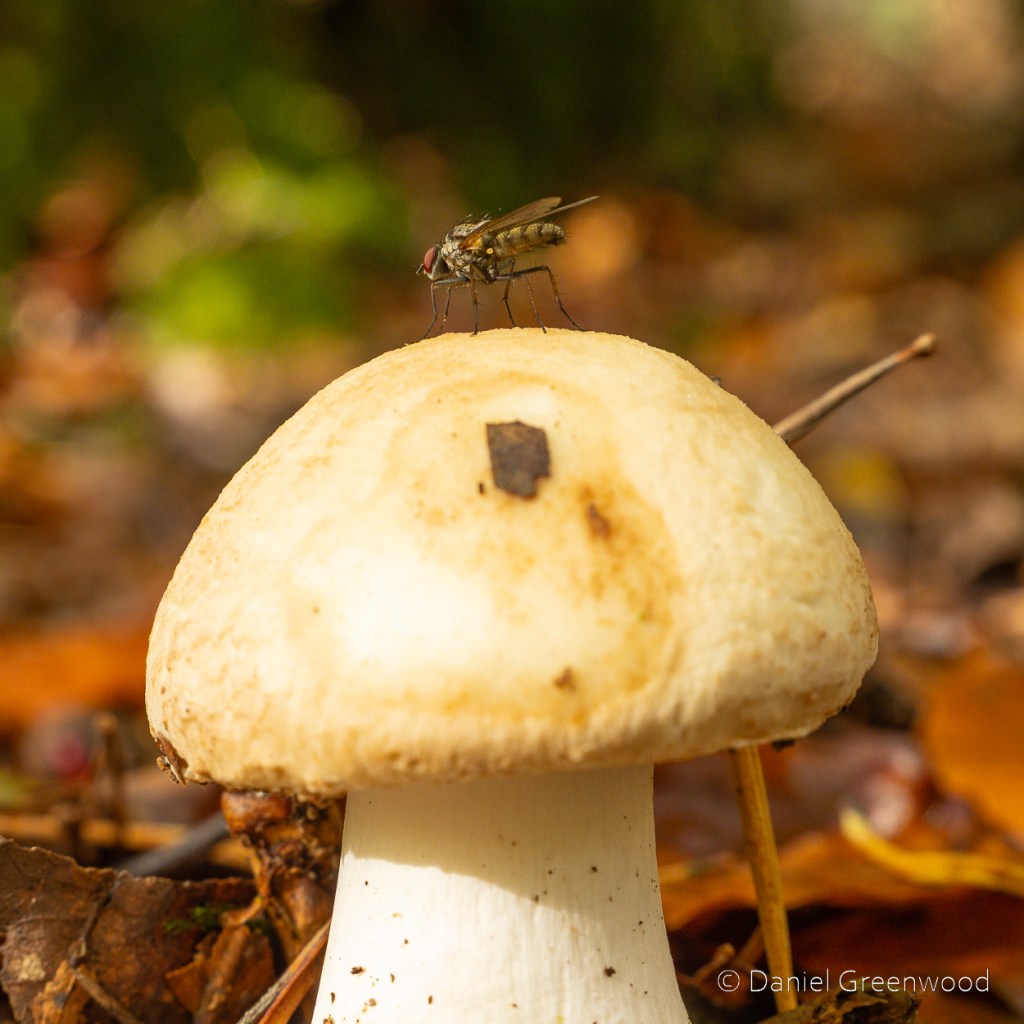
This looks like another amanita to me, but I was more interested in the late season fly sunning themselves on the cap.
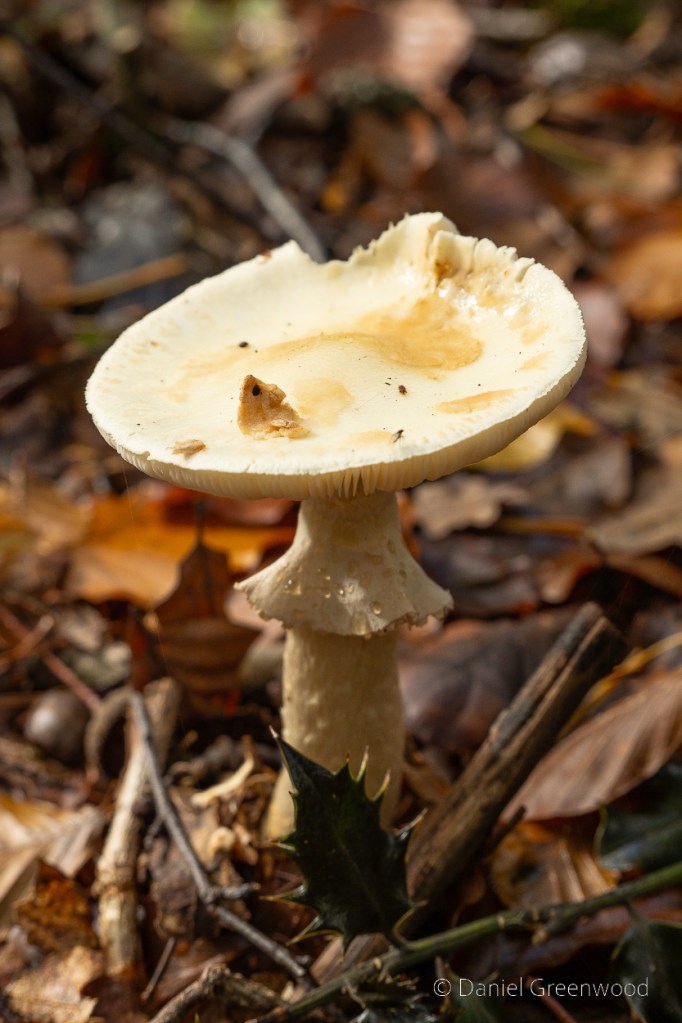
This is a false deathcap, such a common mushroom in Sussex woodlands, also in London’s old woods.
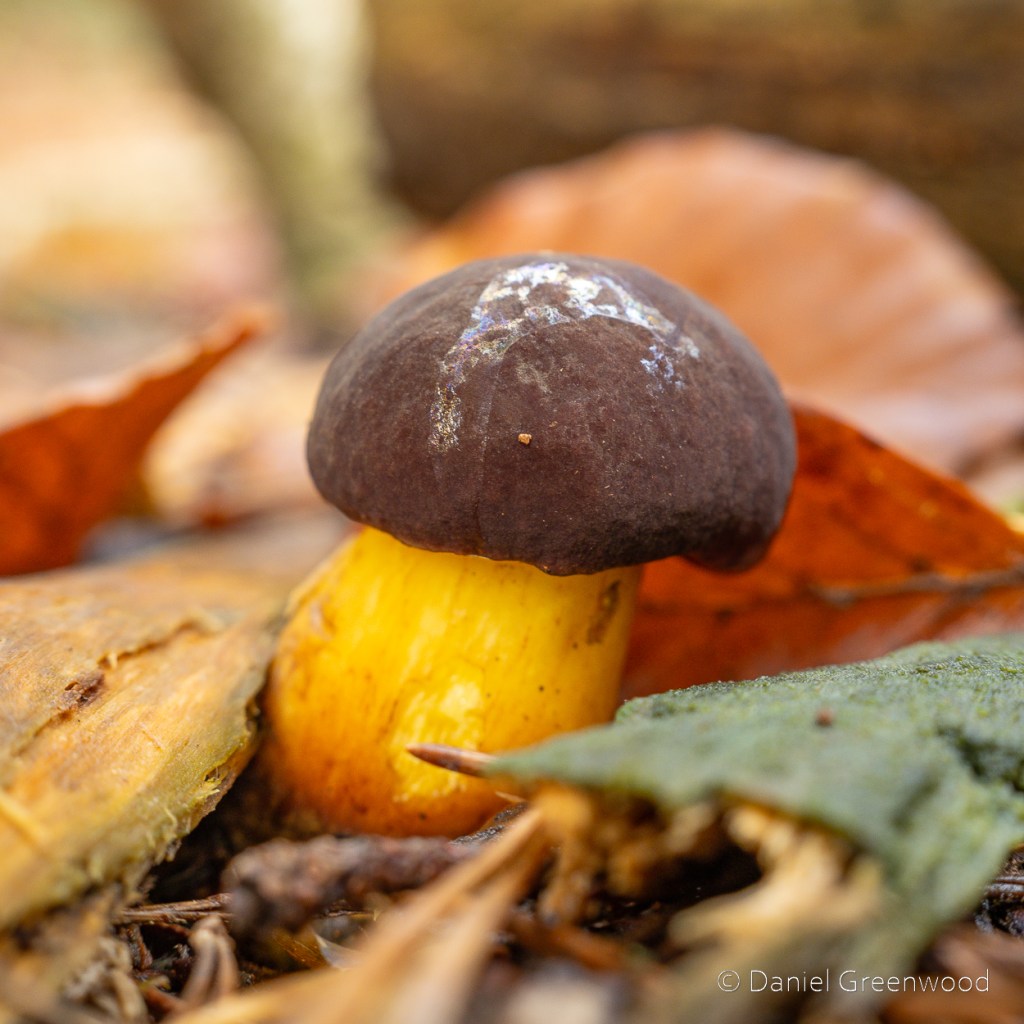
What a lovely mushroom this matt bolete is. 2025 was the year I got to know this mushroom, having not seen it before then. Perhaps it was a good year for them as well?
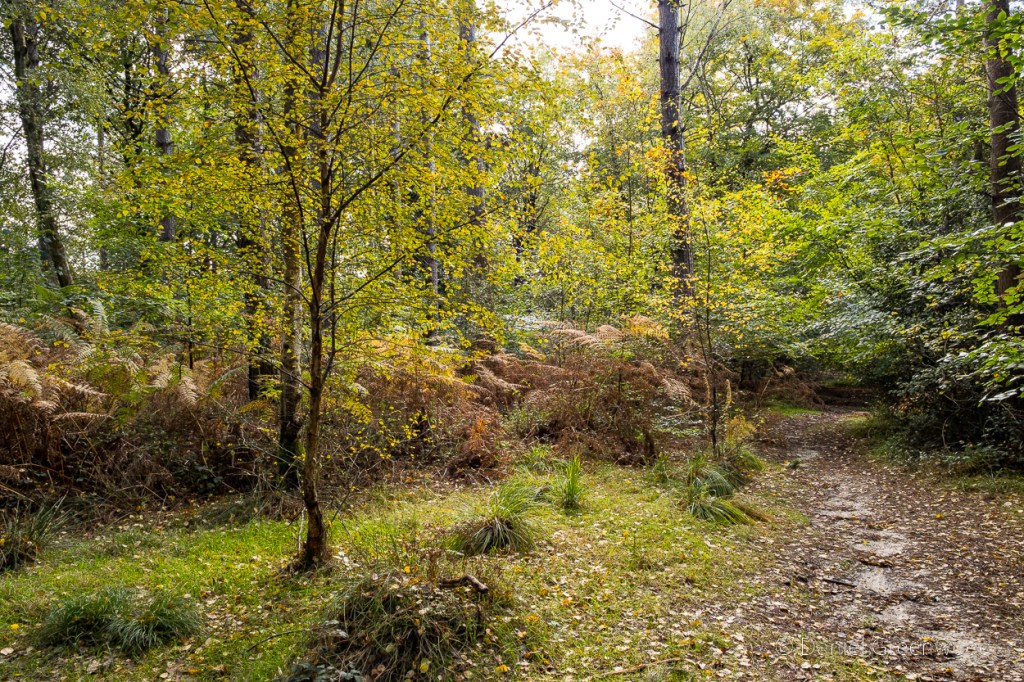
A snapshot of the habitat. This is more like heathland with some single birch trees and more bracken, so I had left the ancient woodland by this point. Heathland is exceptional for fungi, still.
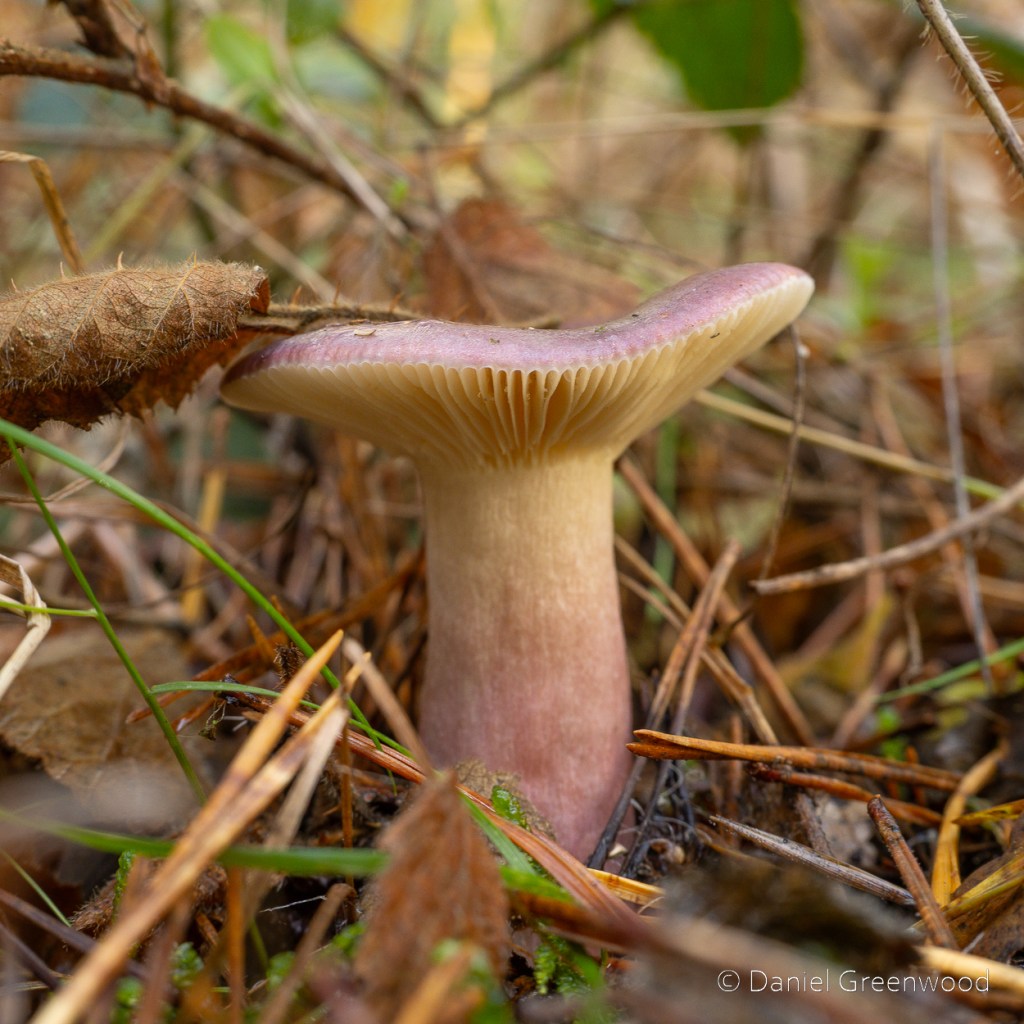
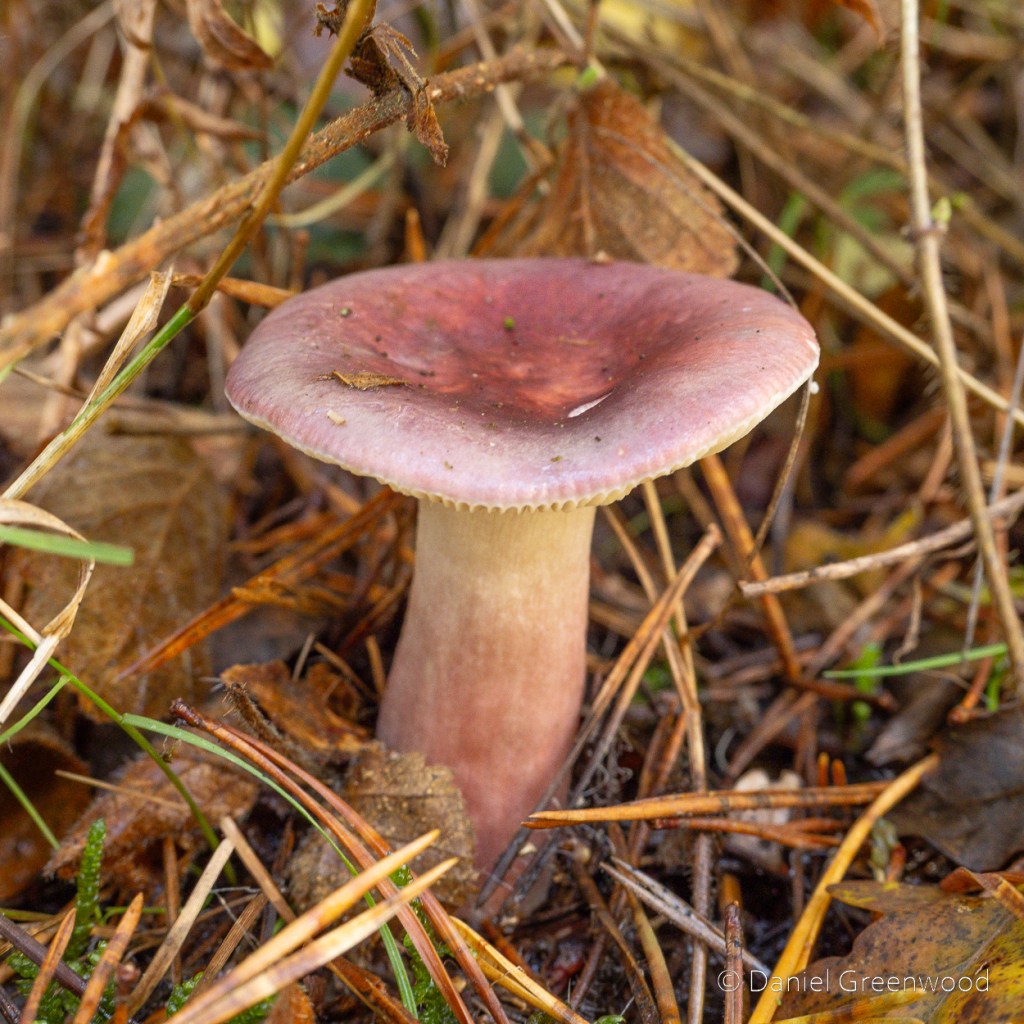
In among the pine needles was this beautiful russula. It could be primrose brittlegill but as I always say, this is not an easy family to get to species level. I’ve seen plums and custard in this area, but this doesn’t look dramatic enough.
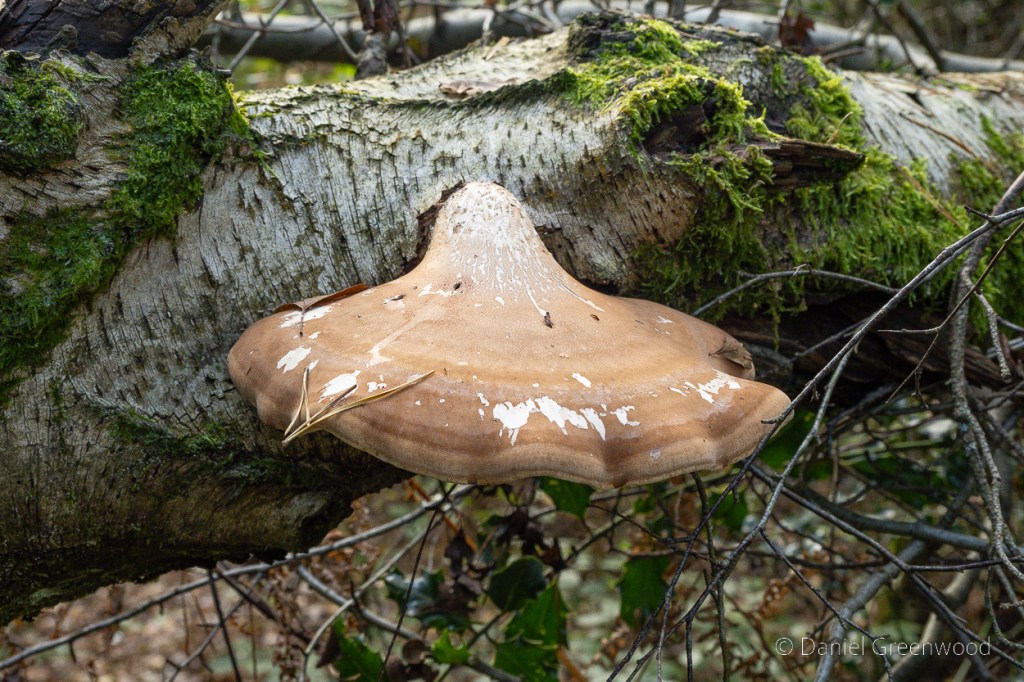
Far easier to identify was this large birch polypore, another mainstay of these birchy habitats.
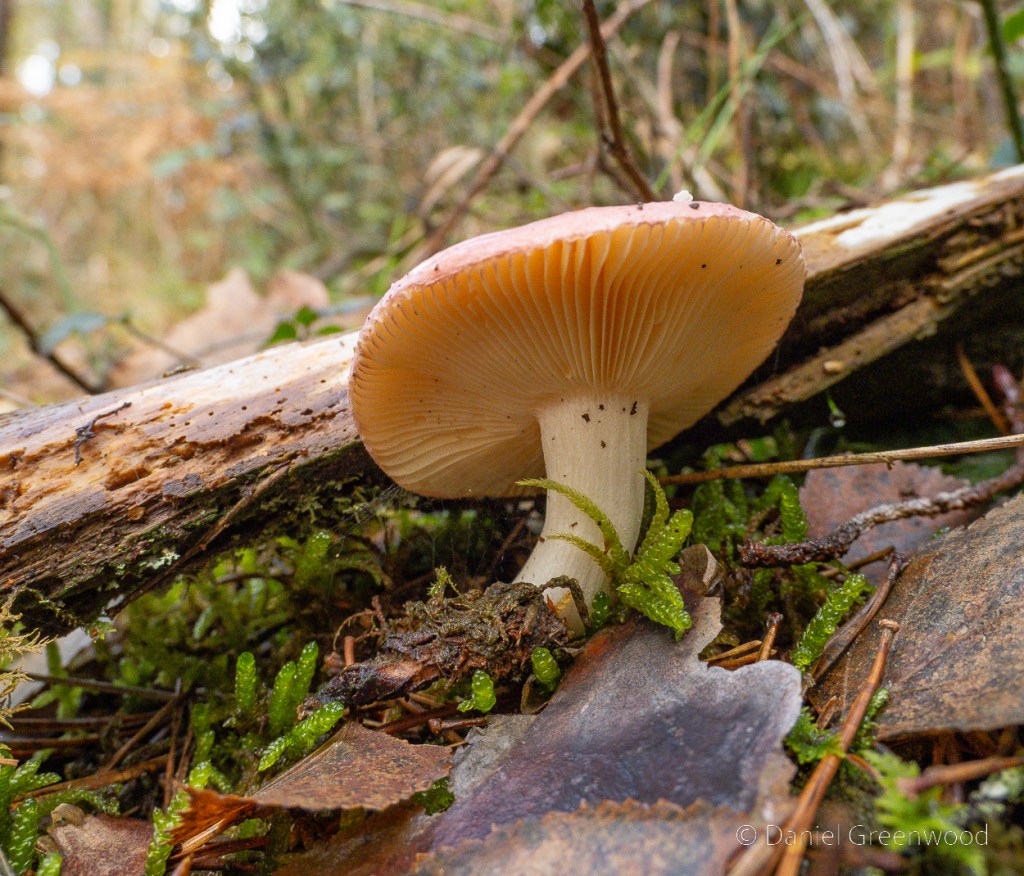
A nice russula scene.
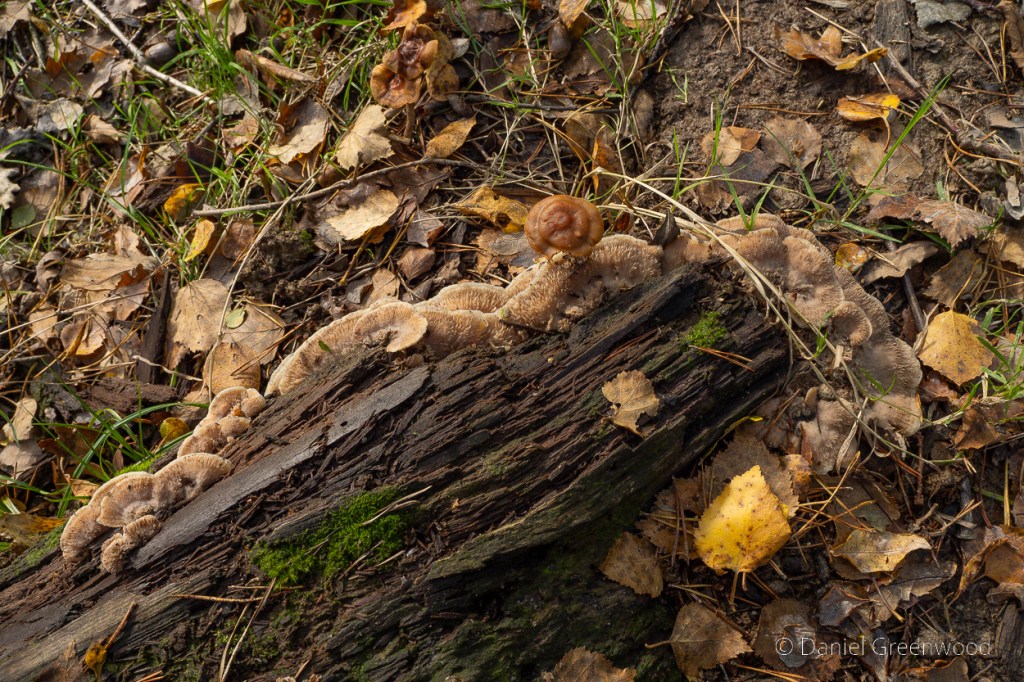
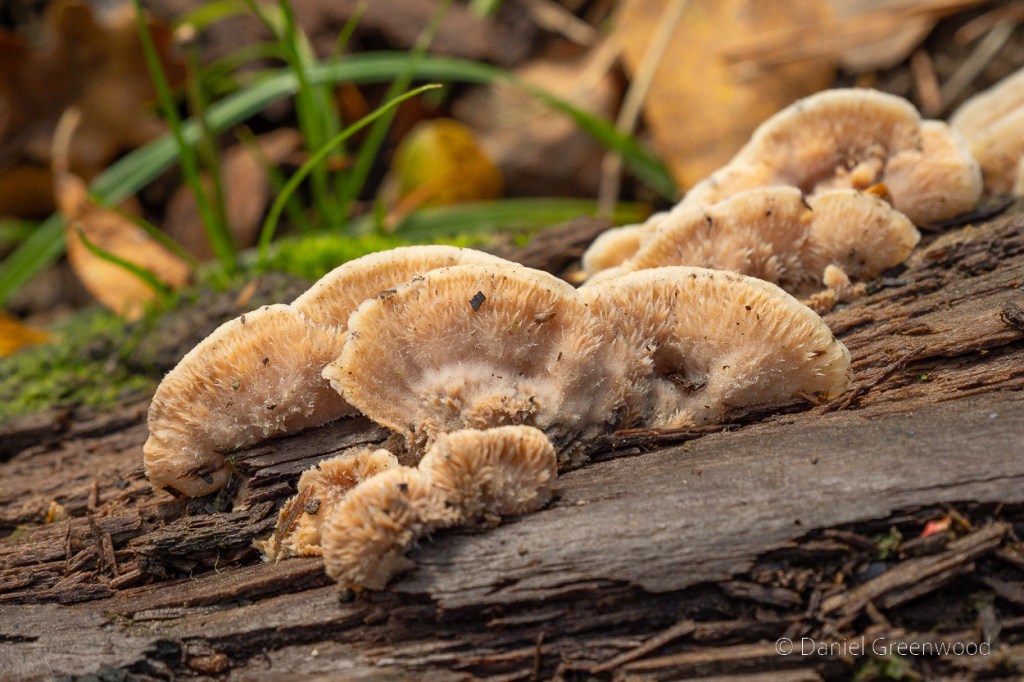
This polypore is probably tripe fungus in its earlier stages. I saw that in Switzerland in 2024.
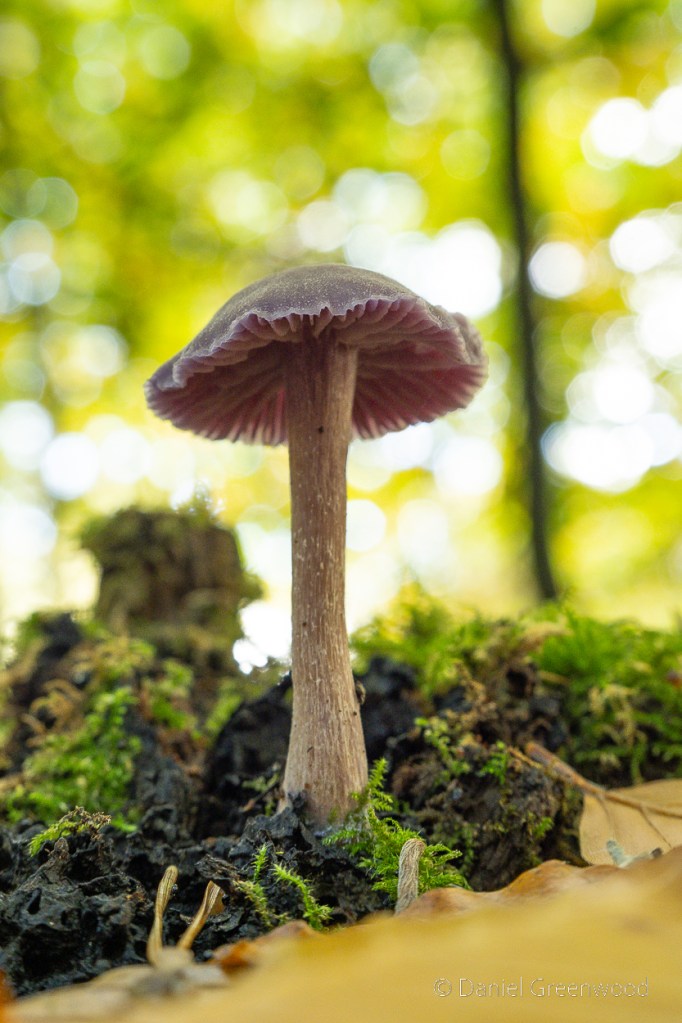
Amethyst deceiver, much faded, like many I saw in 2025. I wonder if this was due to the drought.
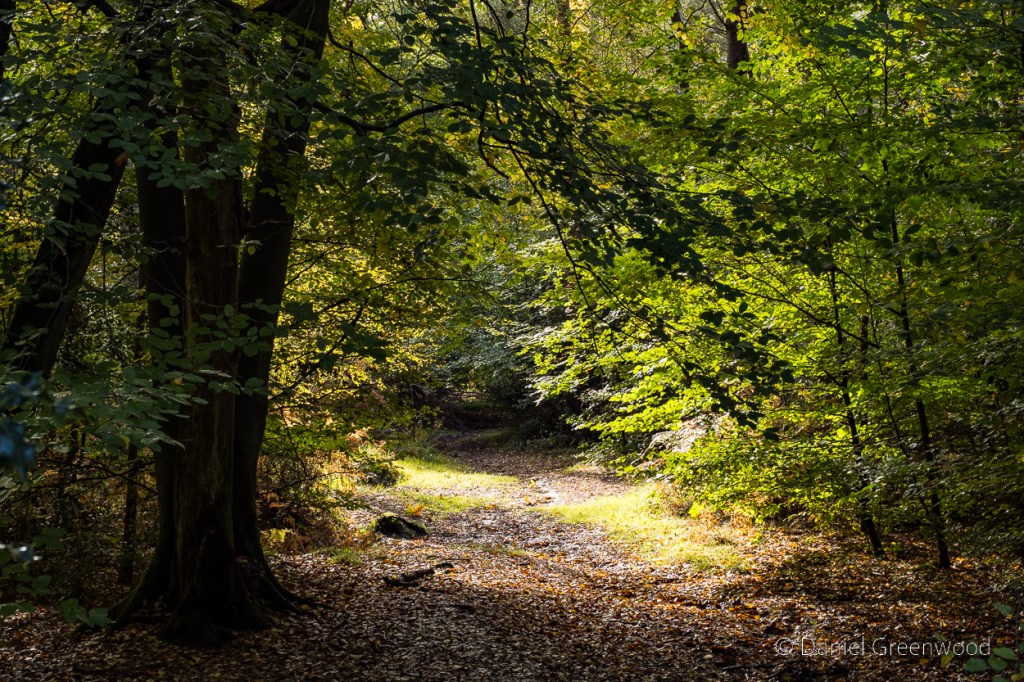
The woodland became more dominant again, with the return of beech.
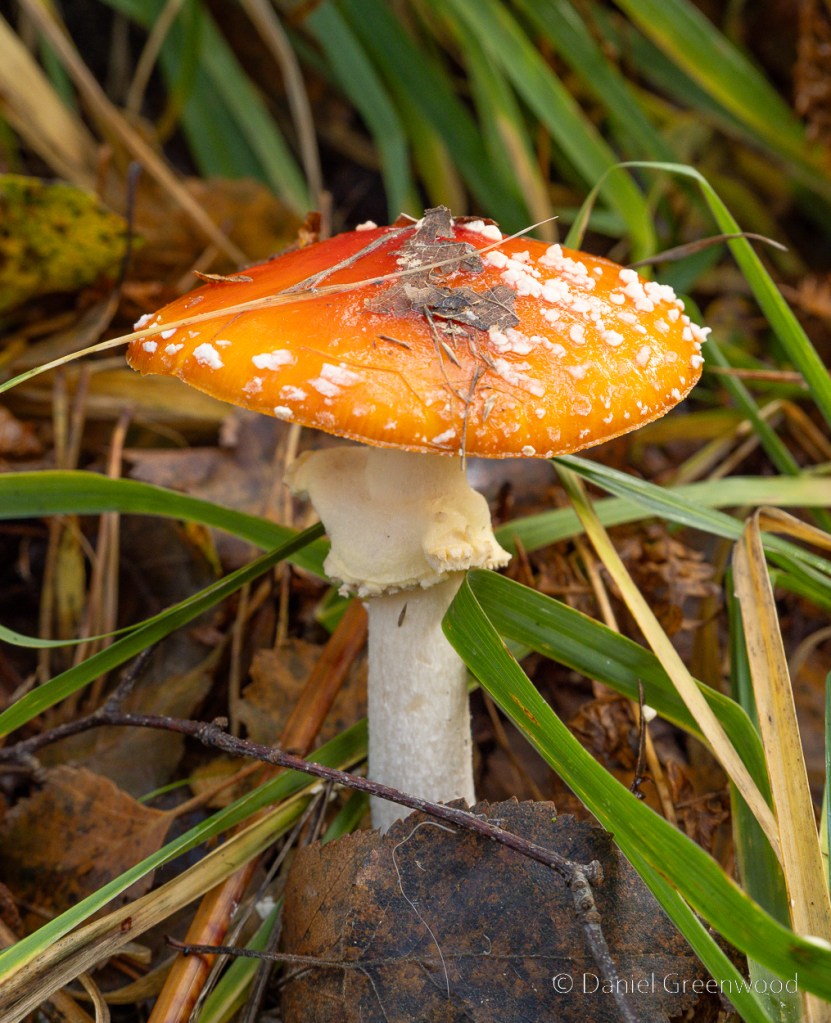
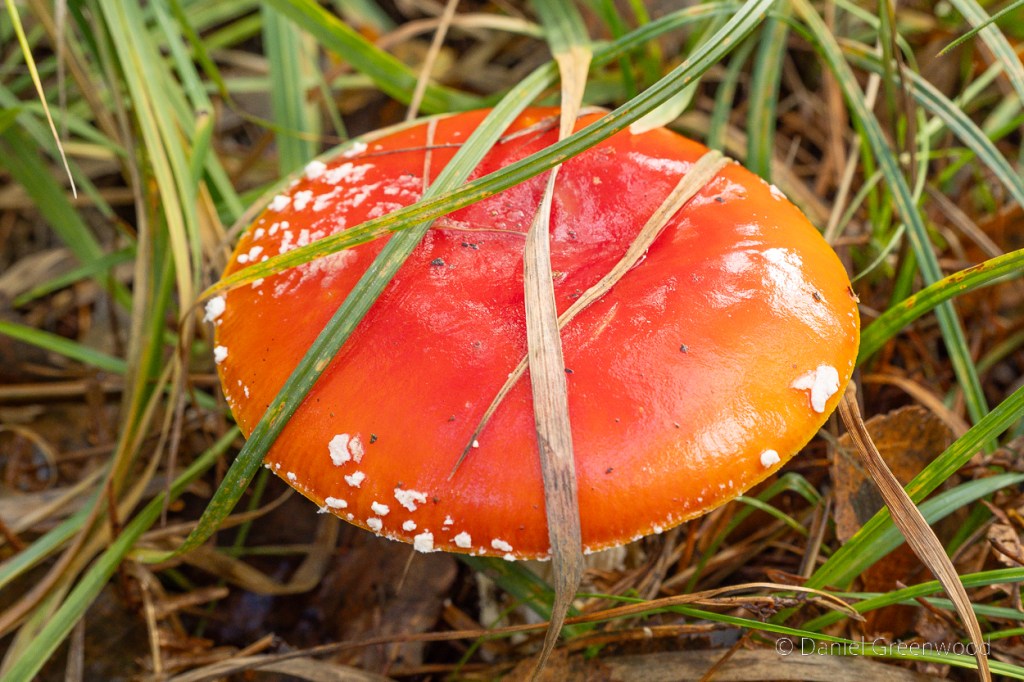
No points for guessing this is fly agaric, which enjoyed an excellent September 2025.
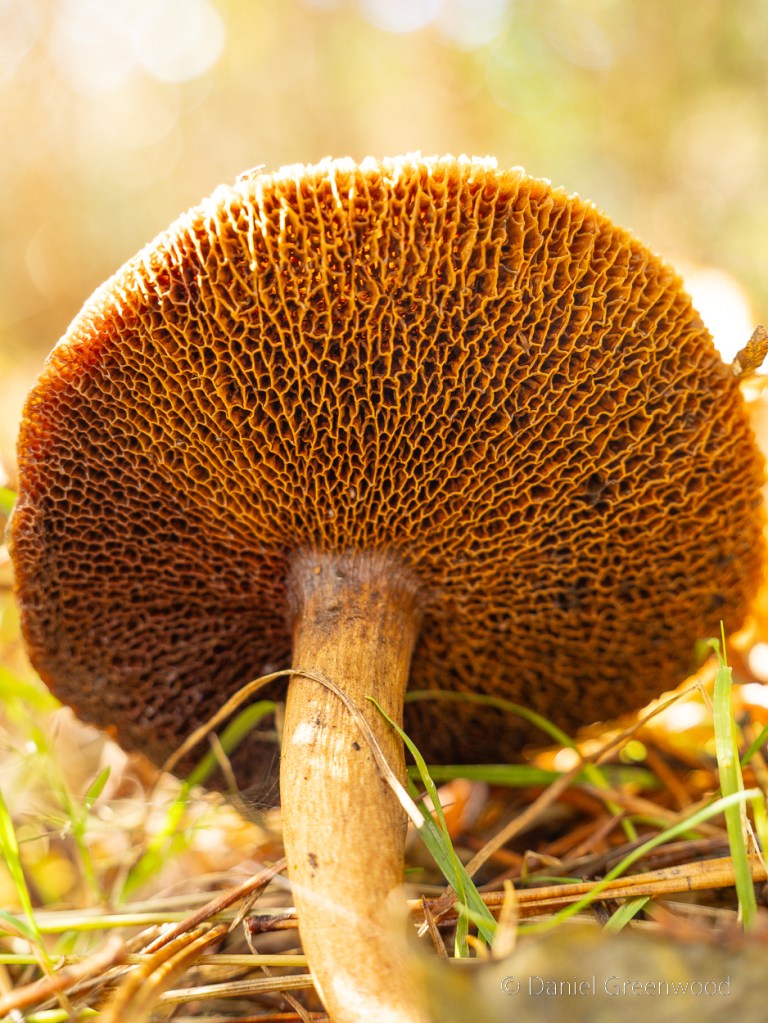
This is a bolete with very dramatic pores. I’m not sure which species it is.
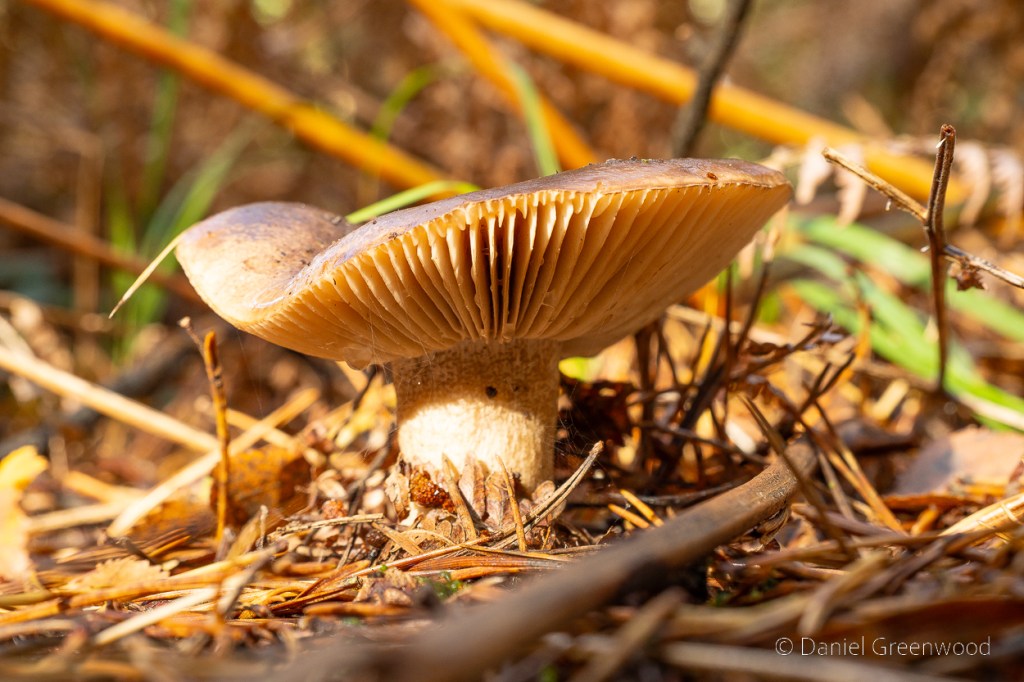
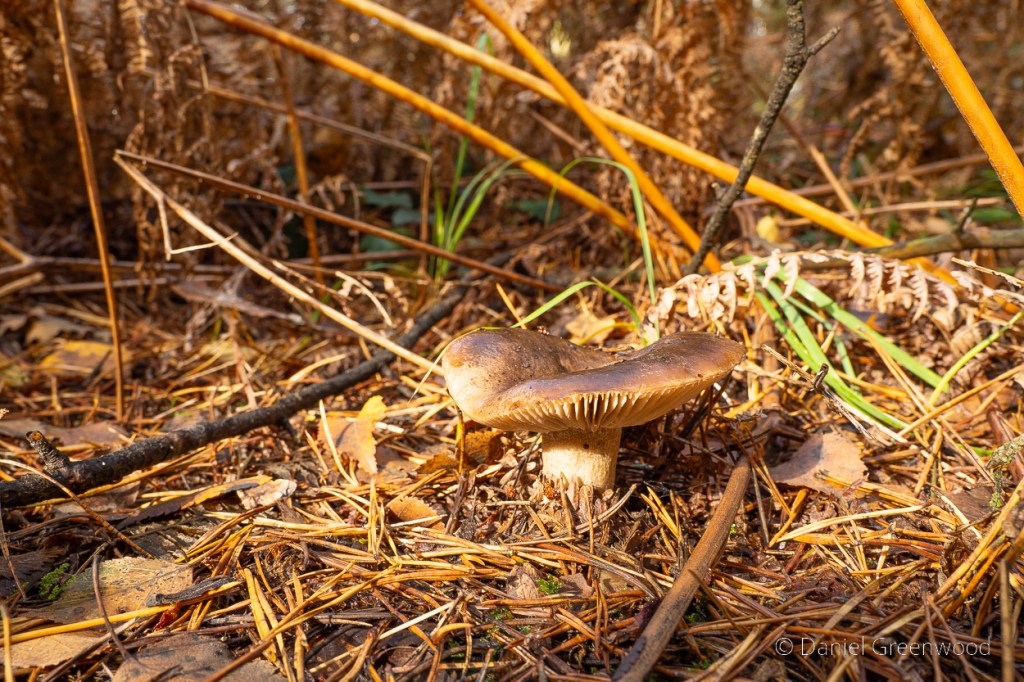
Another russula (among several to come) but with a more burnished brown cap than the usual reds. Growing among bracken.
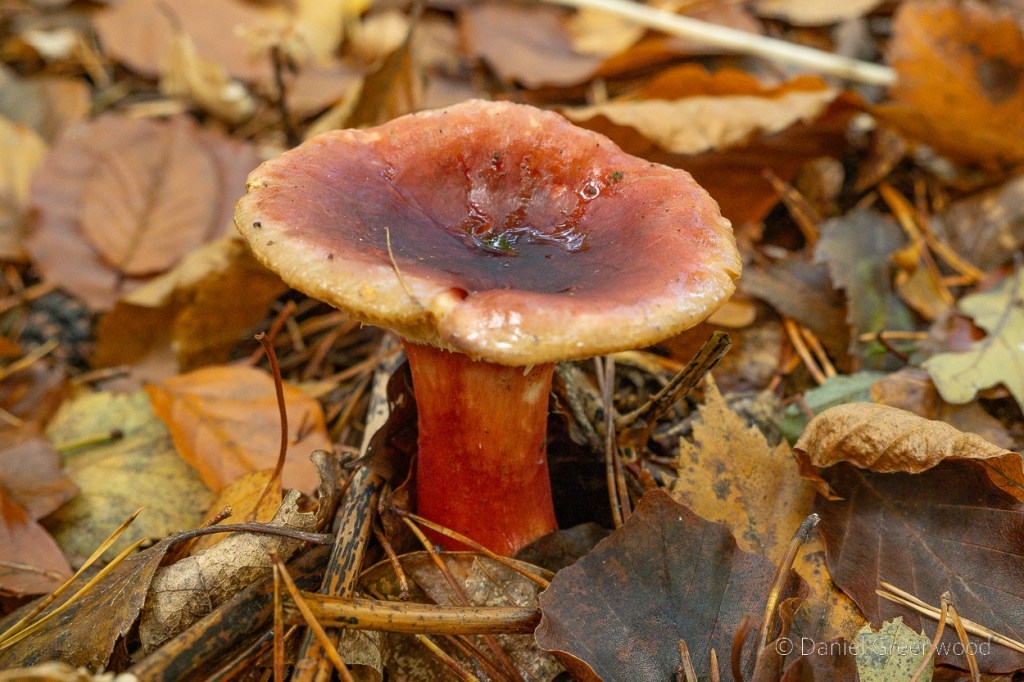
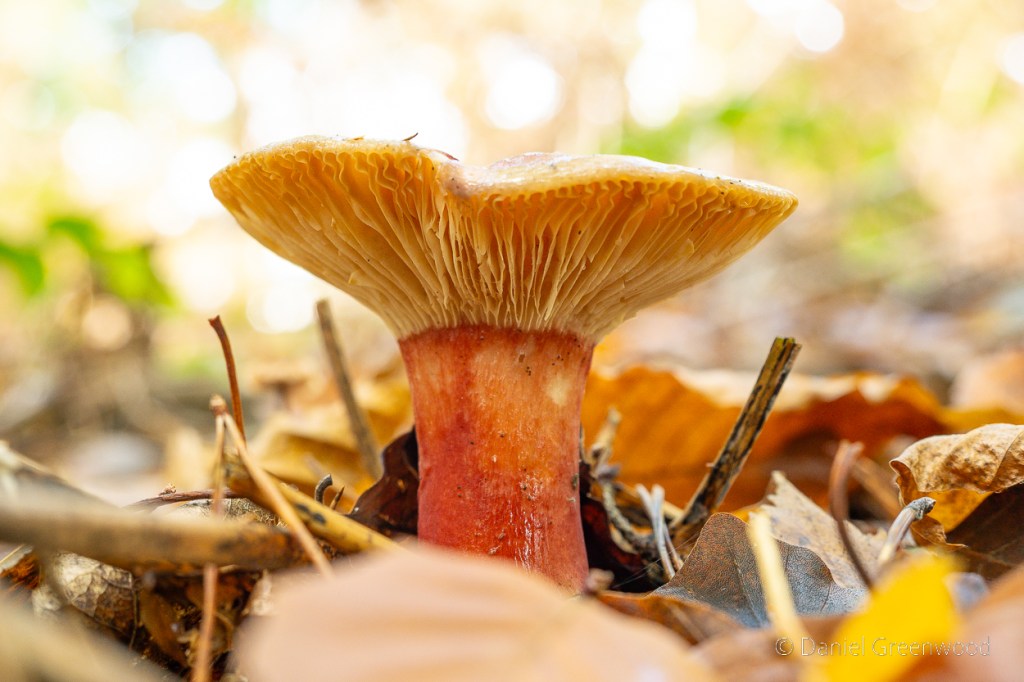
More primrose brittlegill? I love the colours.
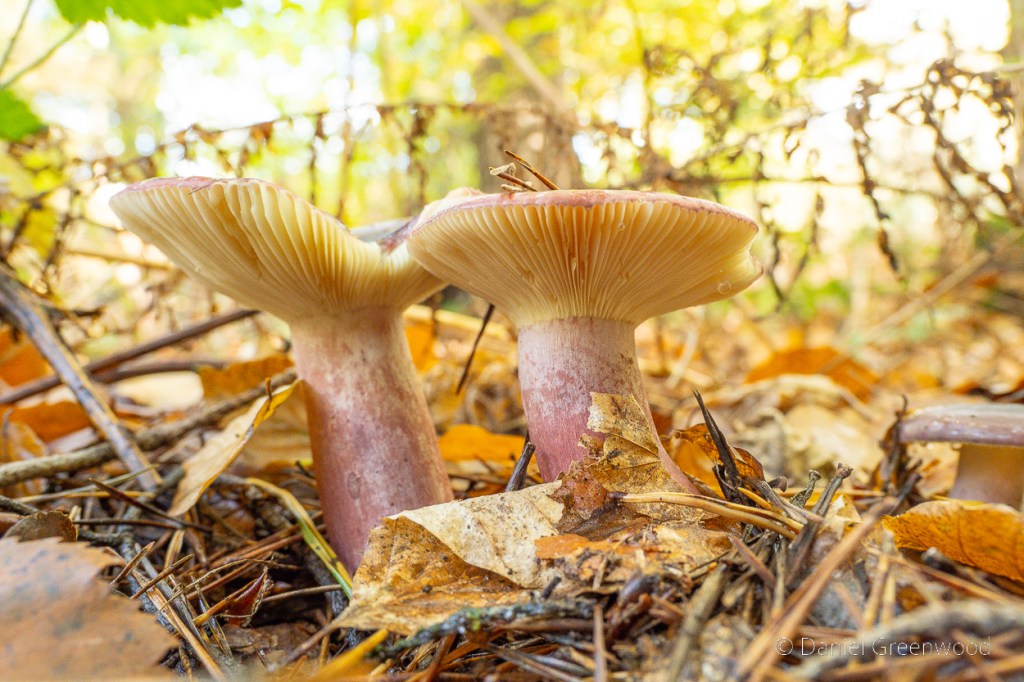
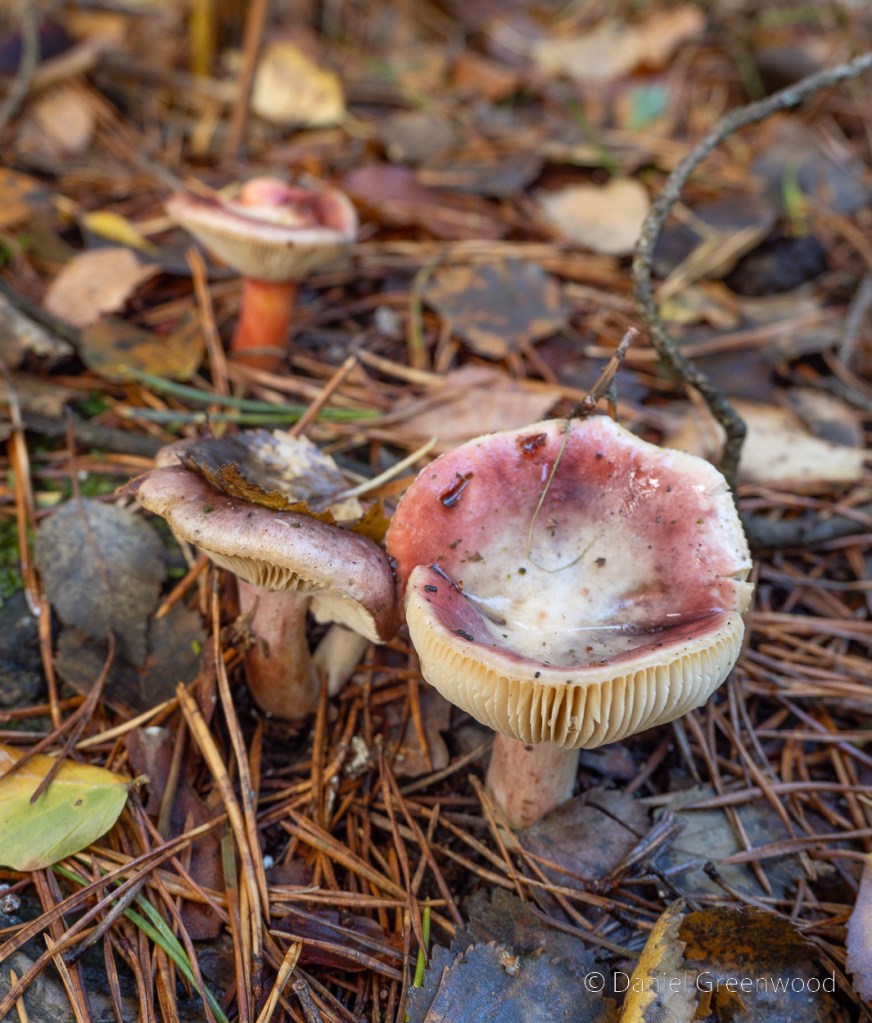
We could be look at more of the same here…
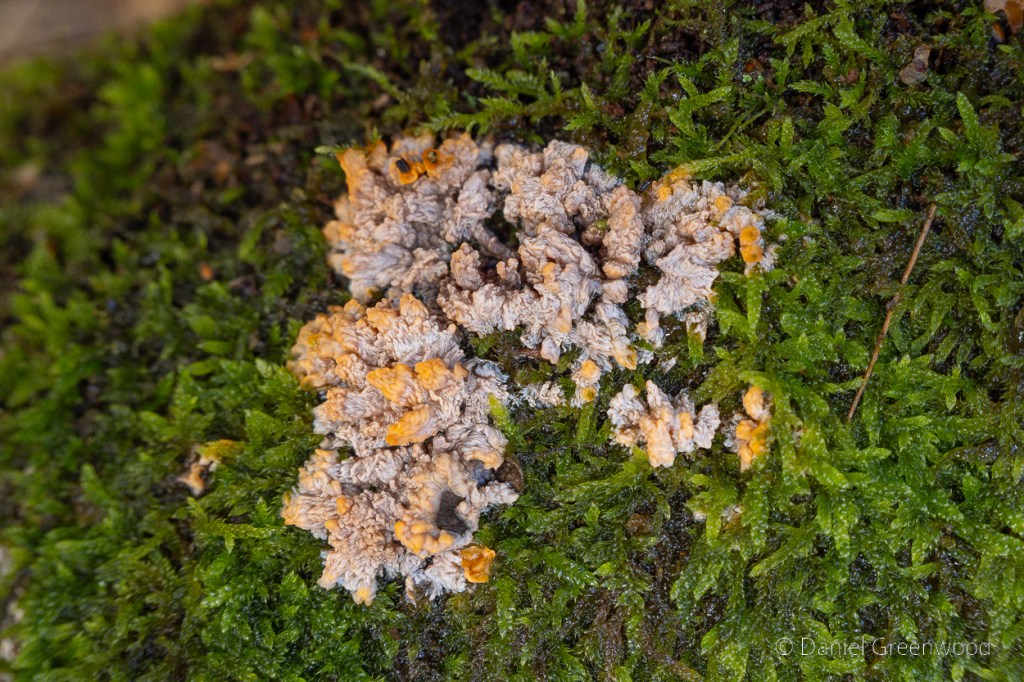
This unusual fiery fungus is probably wrinkled crust, a Phlebia.
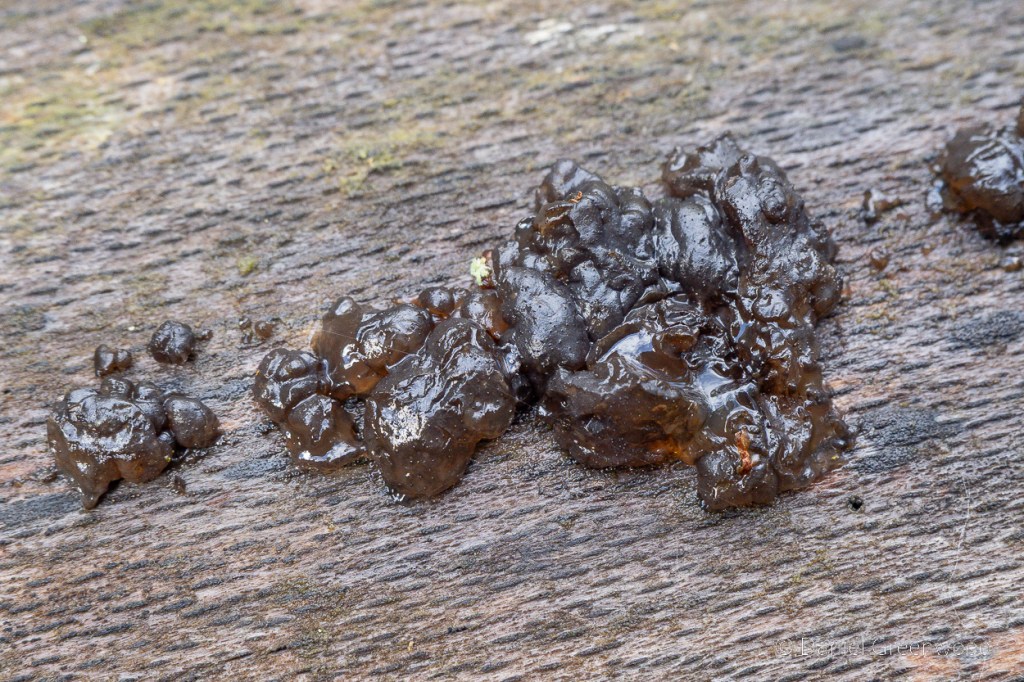
Witches butter (Exidia glandulosa) is a common species, a brown jelly fungus. ‘Witches butter’ is a name applied to yellow brain, as well. It expresses the folkloric connection between people and fungi in Britain. People will have seen this growing in the woods (when people used to spend more time in them) and the only thing that made sense was that this weird jelly belonged to a witch.
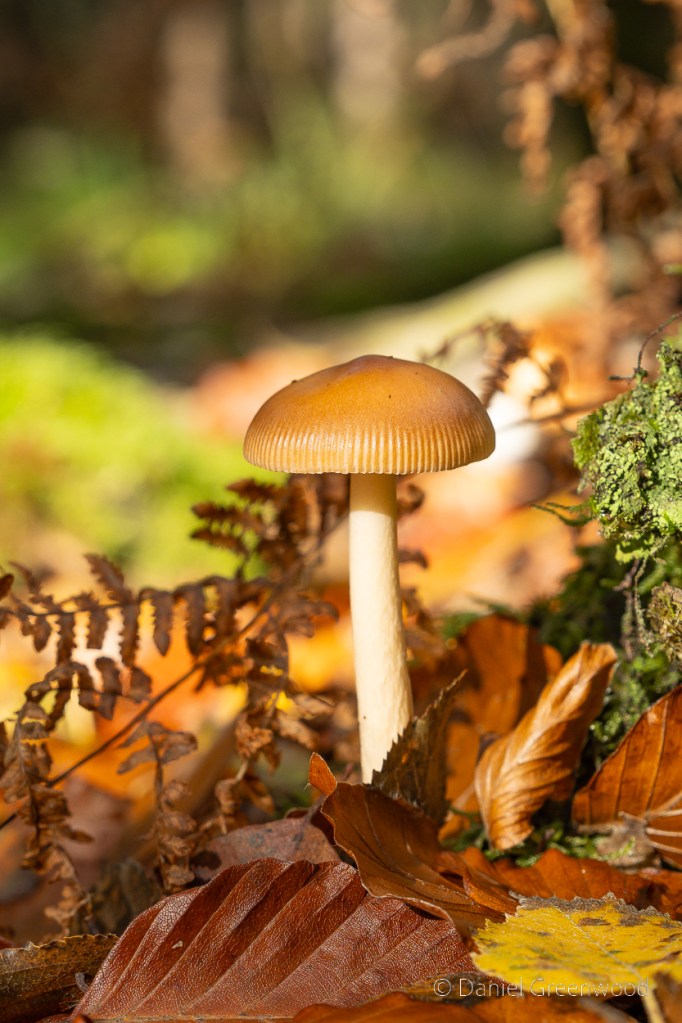
Tawny grisette is one of the more smug mushrooms out there. It always looks in good condition, neat and clean cut.
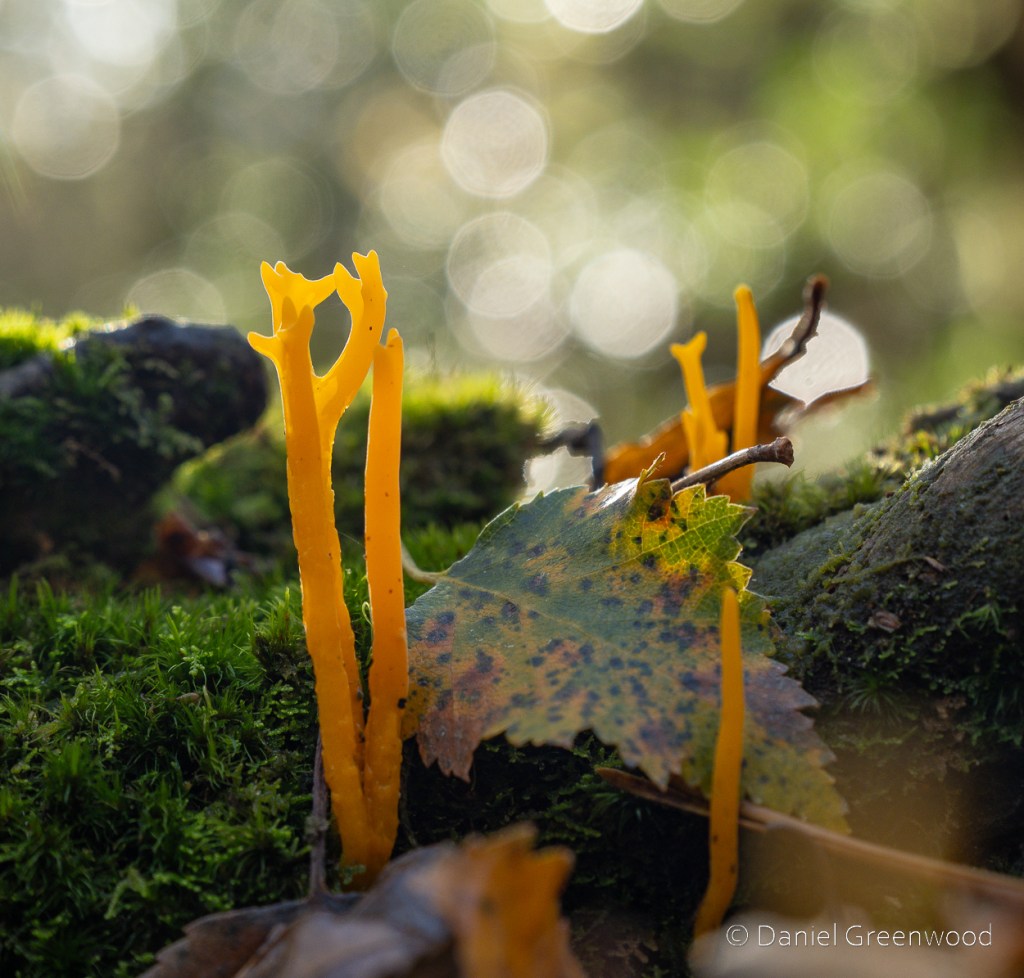
Yellow stagshorn is a species I always find in this area, growing in the protected space of a little tree stump or some fallen wood. Some nice bokeh here as well.
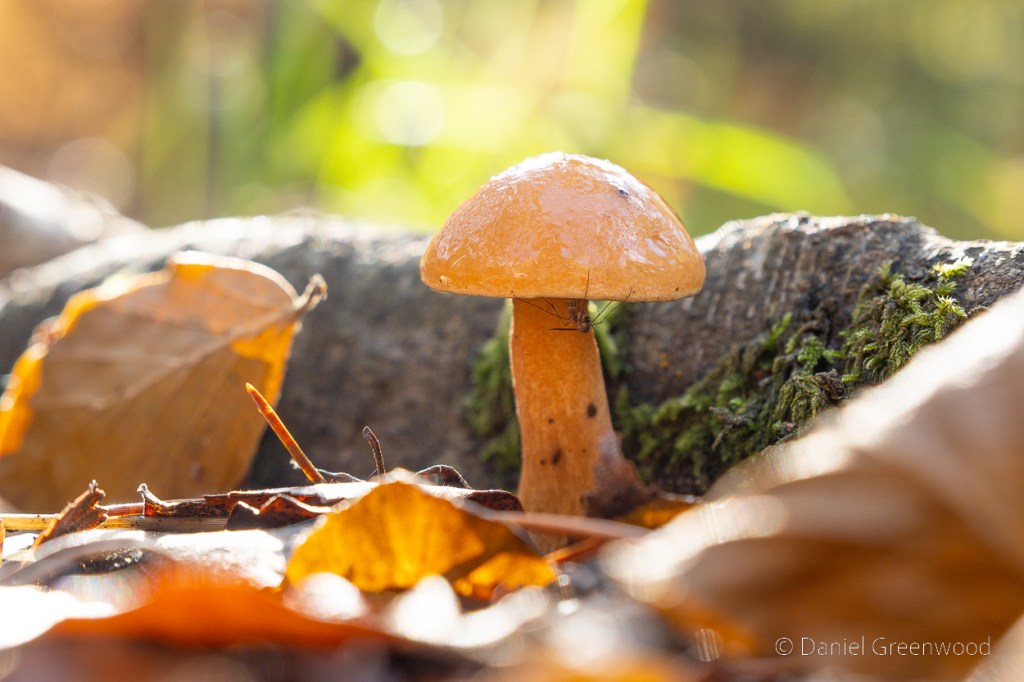
This is one of the slippery jack boletes (Suillus). I thought it might be larch bolete but someone on iNaturalist thinks it’s bovine jack (Suillus bovinus). If ‘Suillus’ isn’t a Roman word, I don’t know what is. I also enjoyed the fly underneath the cap.
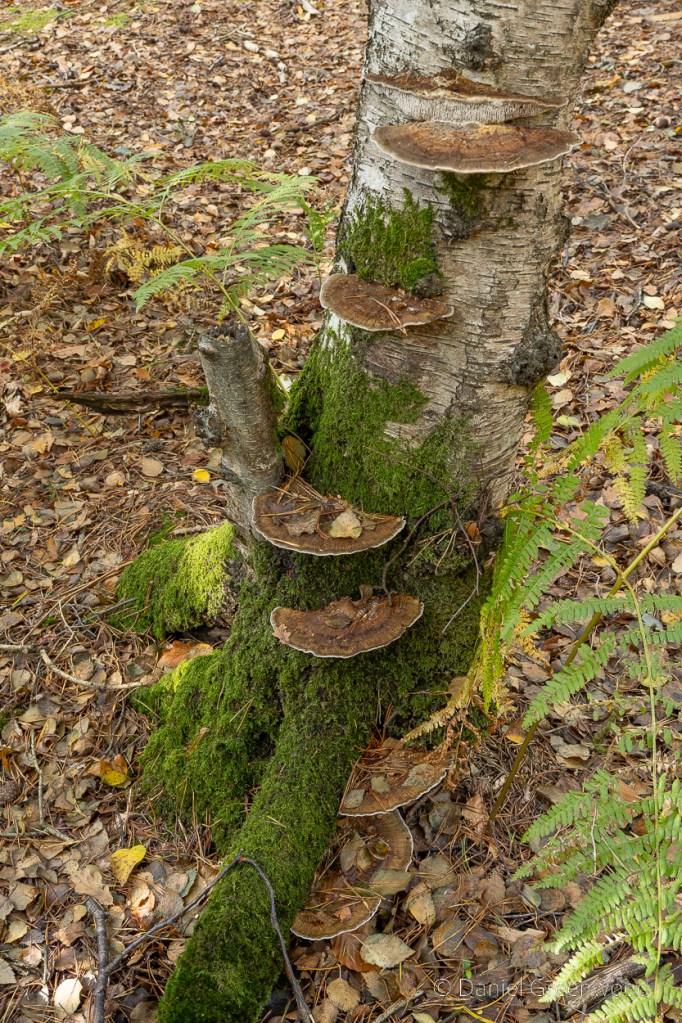
Much easier to identify – blushing bracket! And what a lovely spread.
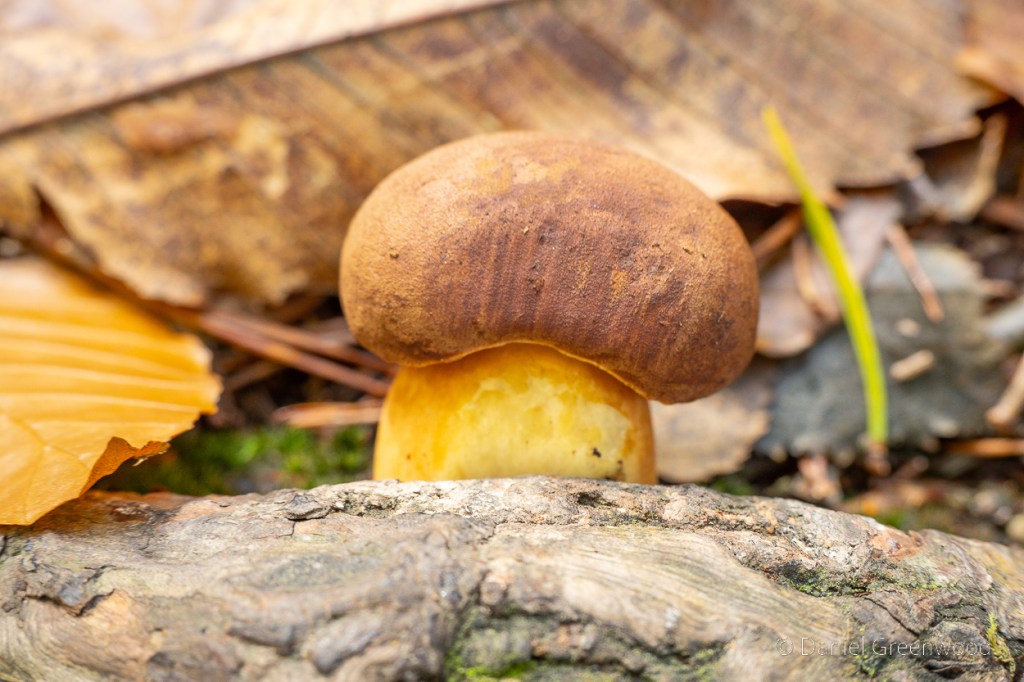
My final sighting of the walk was another matt bolete, probably my favourite new mushroom of 2025.
Thanks for reading.


Leave a Reply