Lower Beeding, West Sussex, 4th October 2026
Happy Fungi Friday!
In early October I cycled out to the western edge of the High Weald to disprove my cynicism about the state of autumn. I feel like a broken record saying this stuff but I seem to have started blogging at a time when extreme heat is becoming normal, freshwater is declining and fungi are the canaries in that particular coal mine. You would be too if you were 90% water rather than the 70% you are.
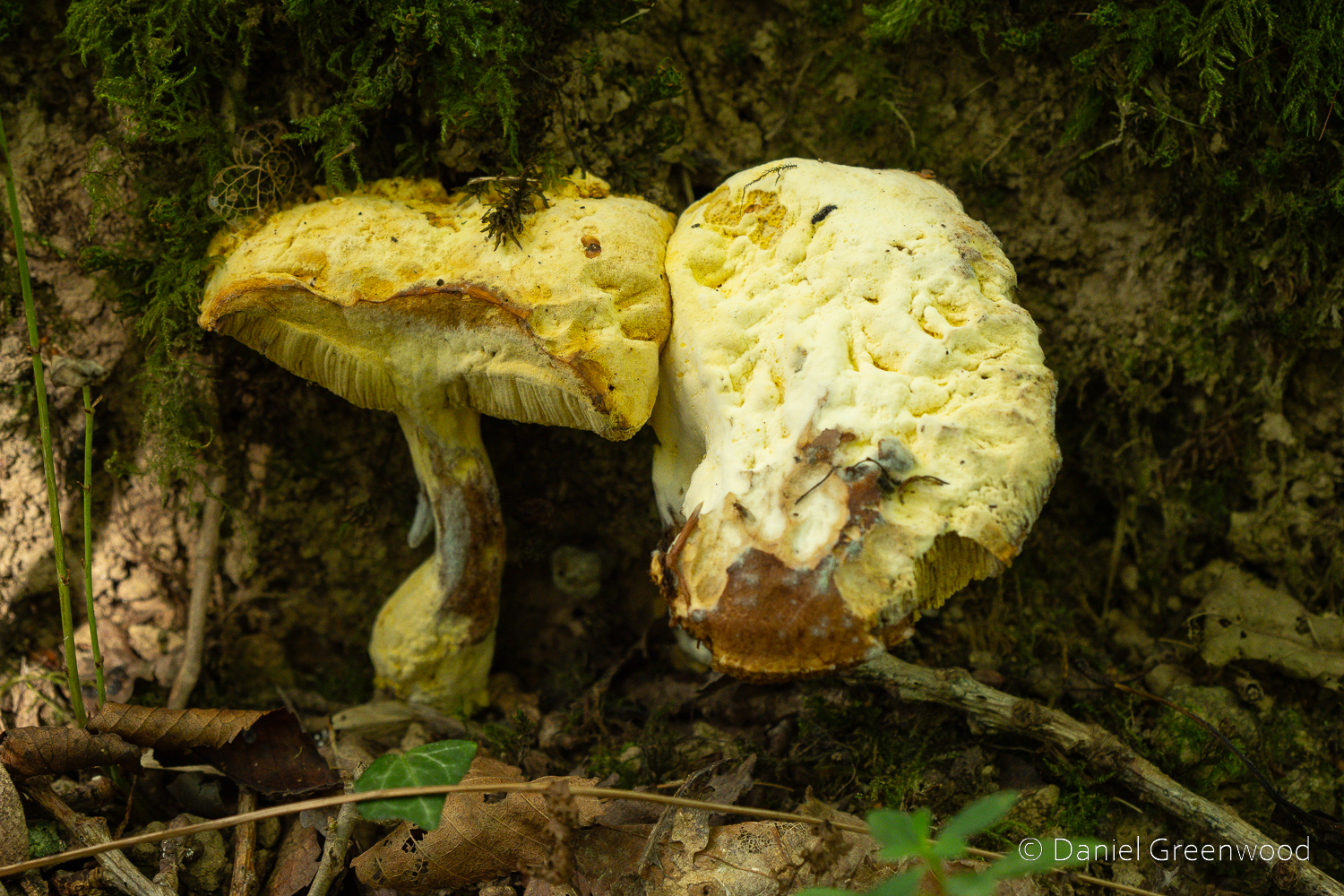
My first find was this rather monkey and desiccated birch bolete. The mushrooms were trying.
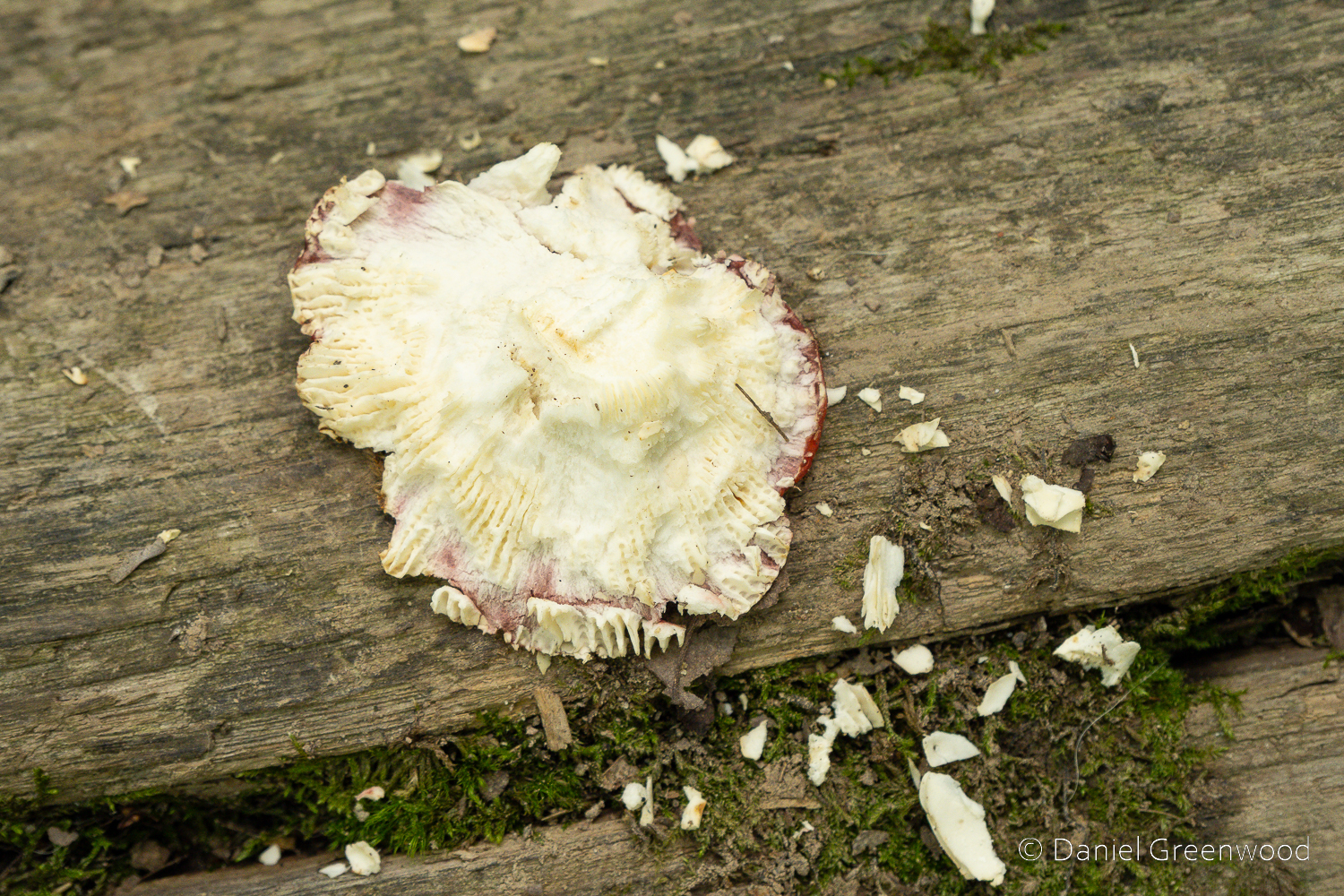
I am unusually amused by the fact grey squirrels pluck russulas from the ground, spin the stems round in their paws and nibble the gills like corn on the cob. This one had been hit hard where it sat on a trunk.
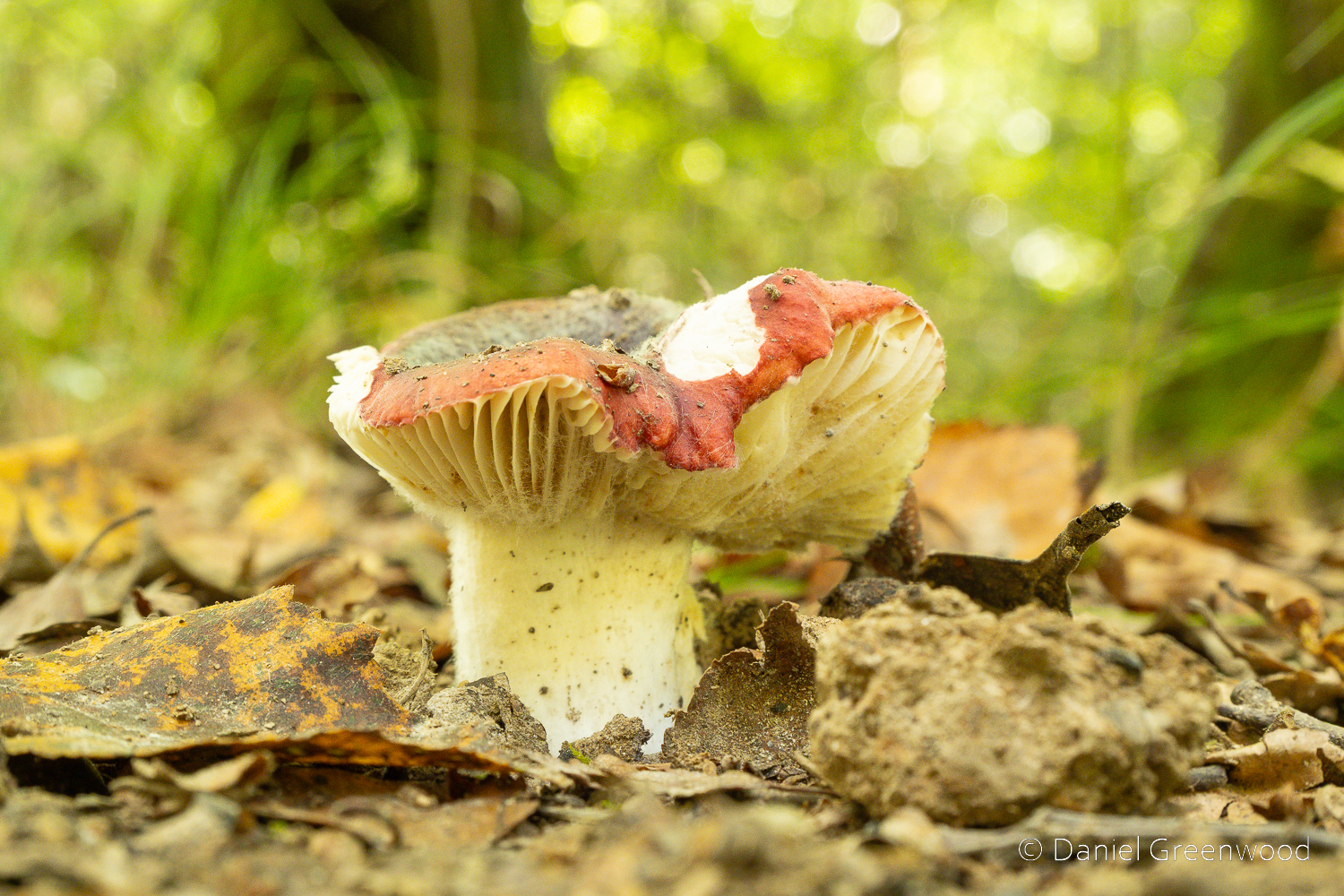
Mouldy russula taking on the appearance of a squirrel.
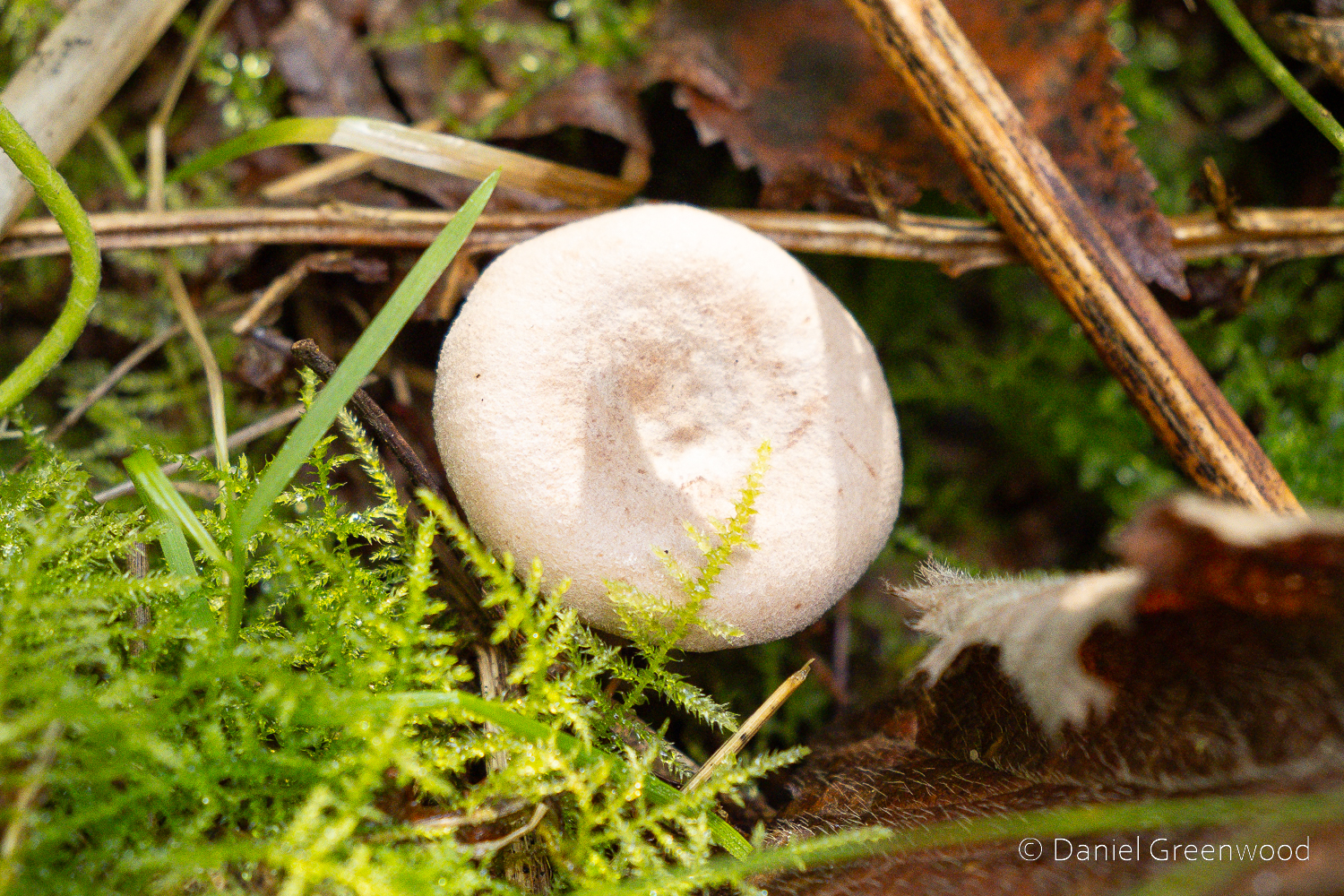
I spotted this little milkcap down in the mosses in a shady, damp part of the woodland.
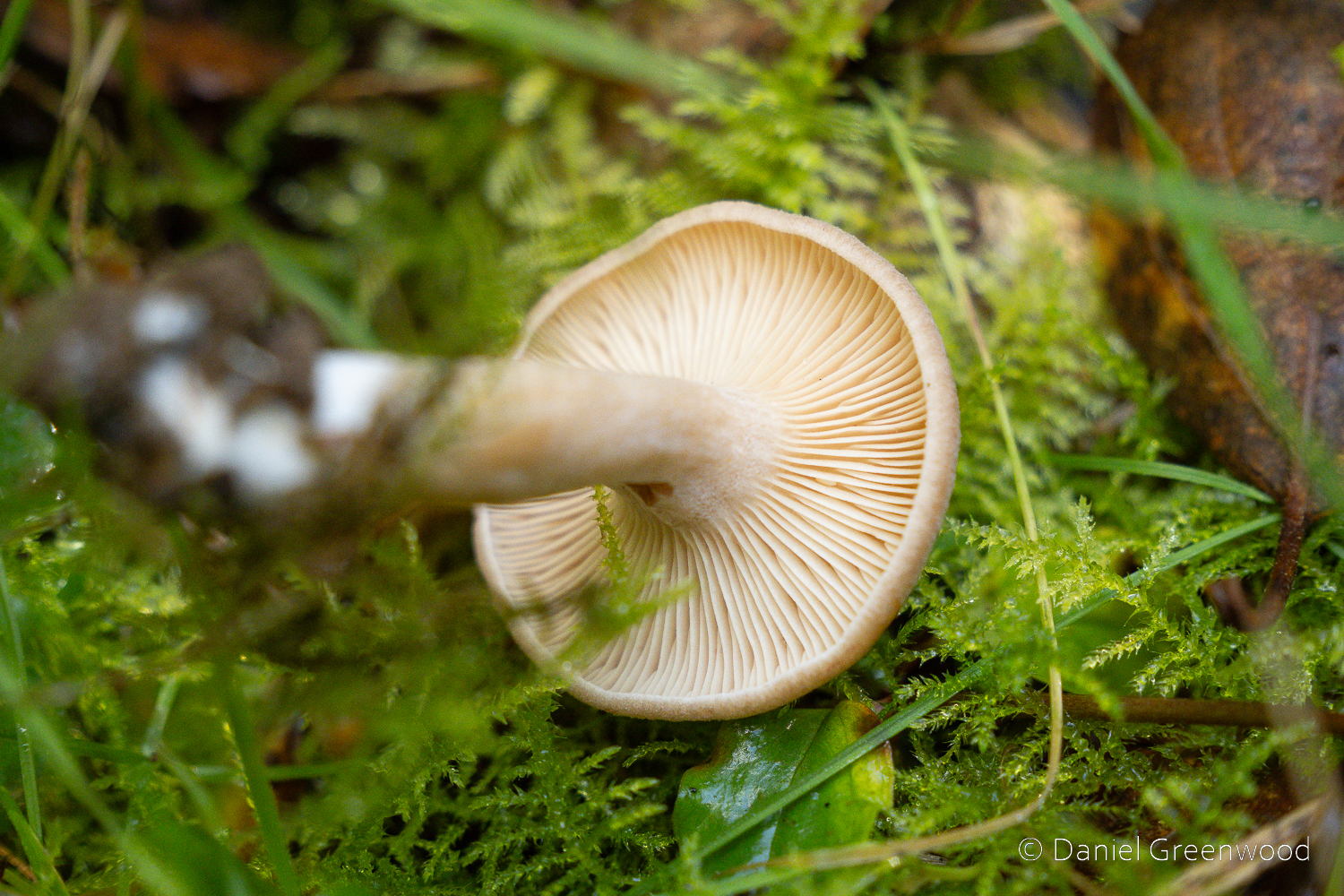
The gills, pre-milking.
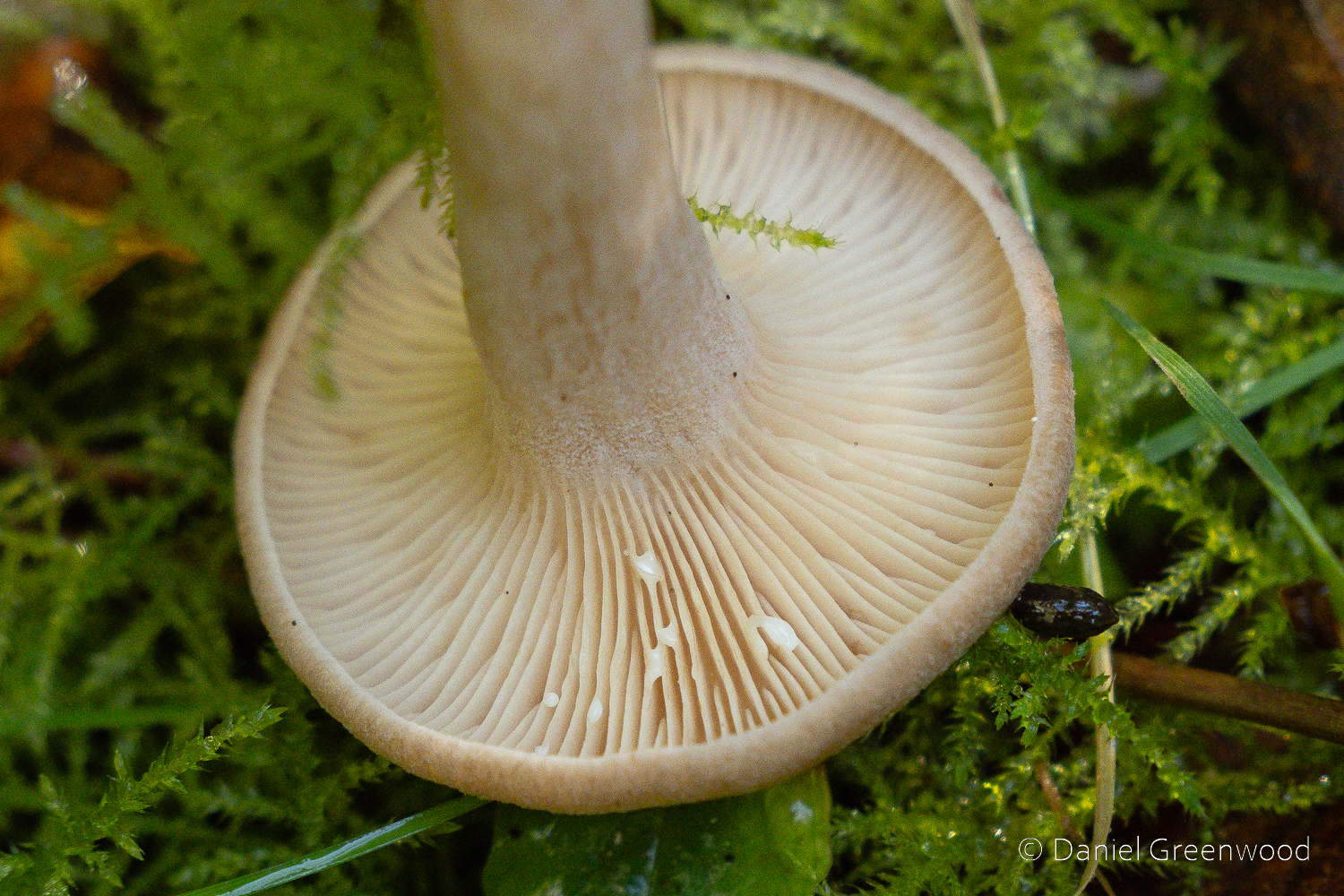
The mushroom had white milk.
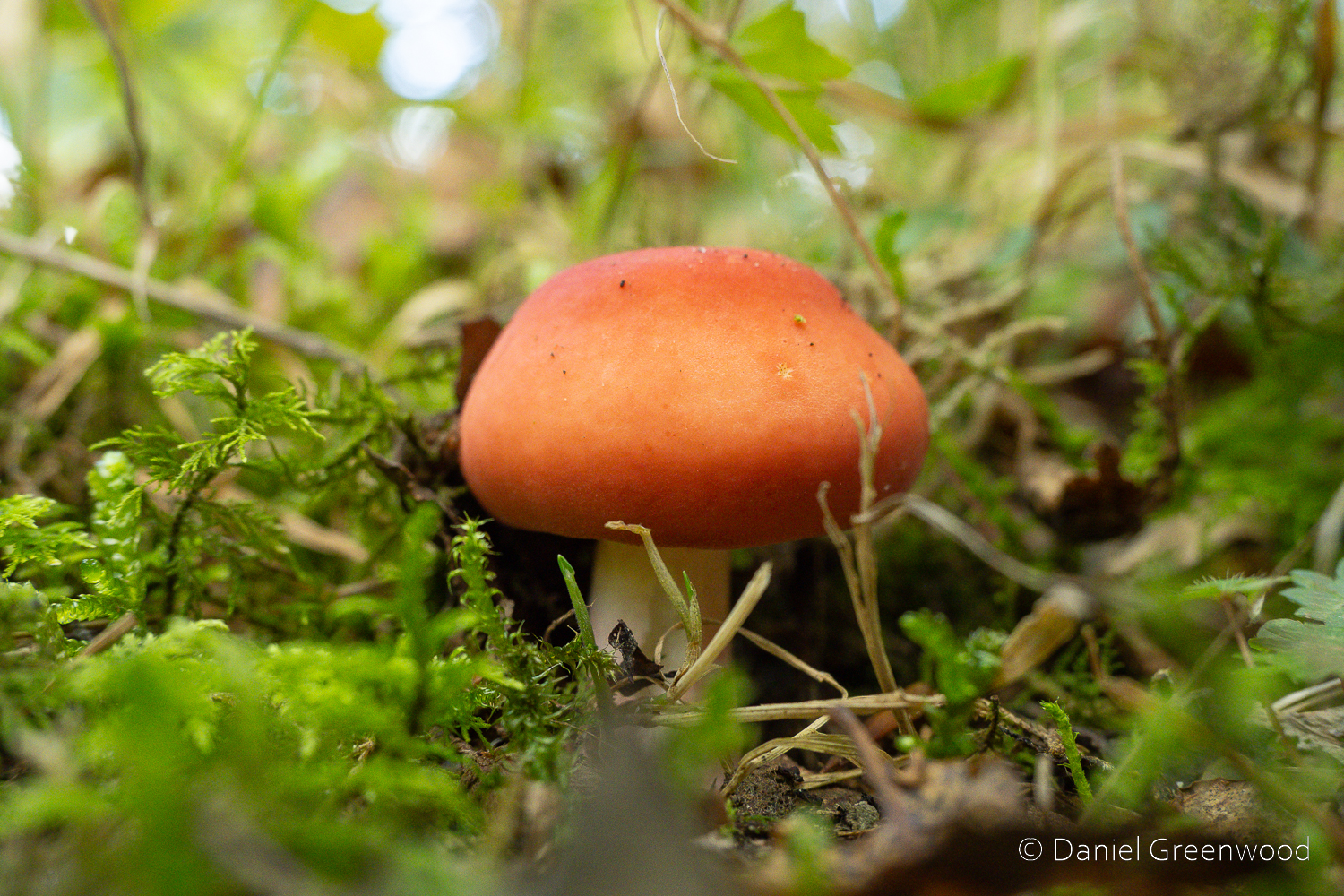
This is one of the brightest red russulas I’ve seen!
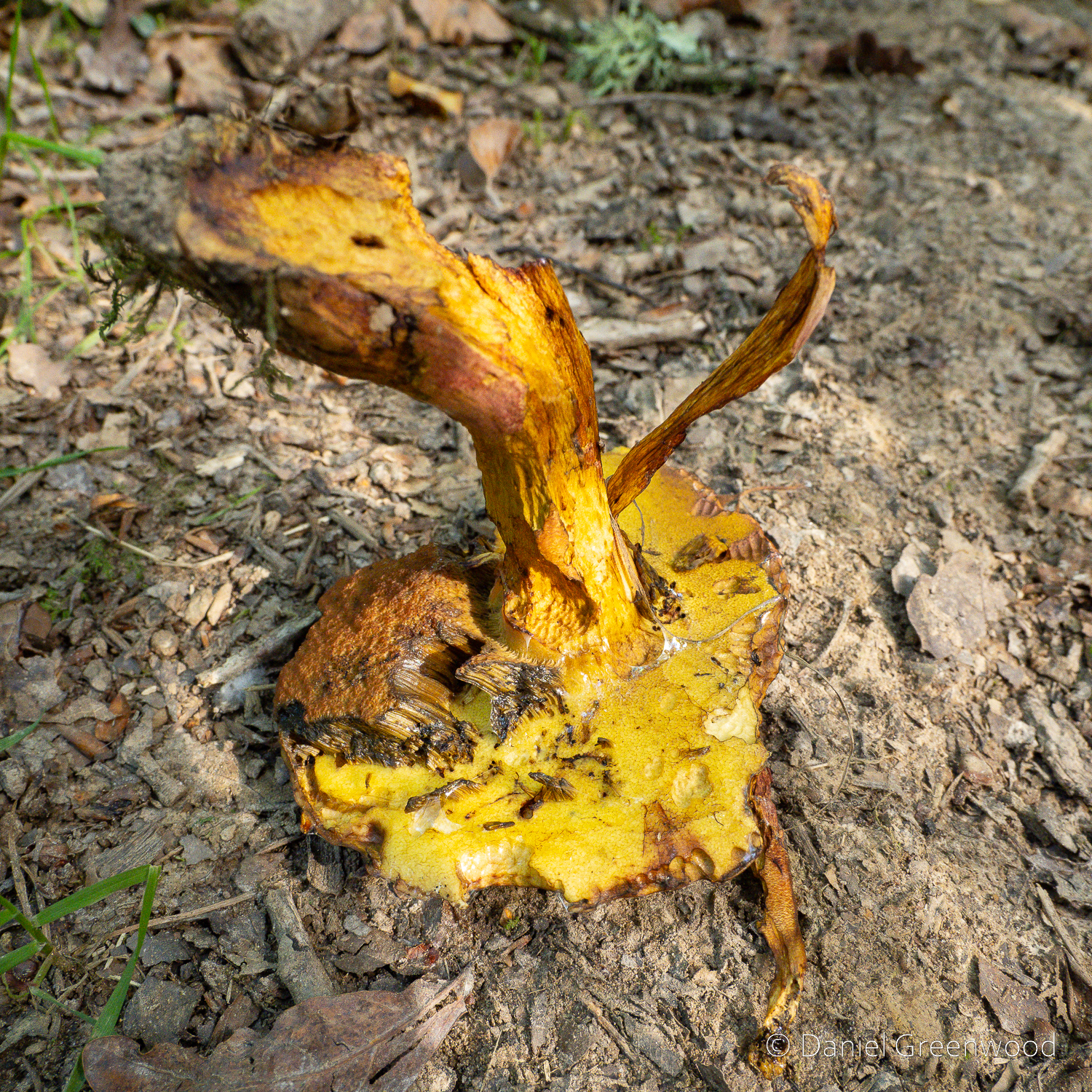
Oh dear. Desperation manifests in different ways.
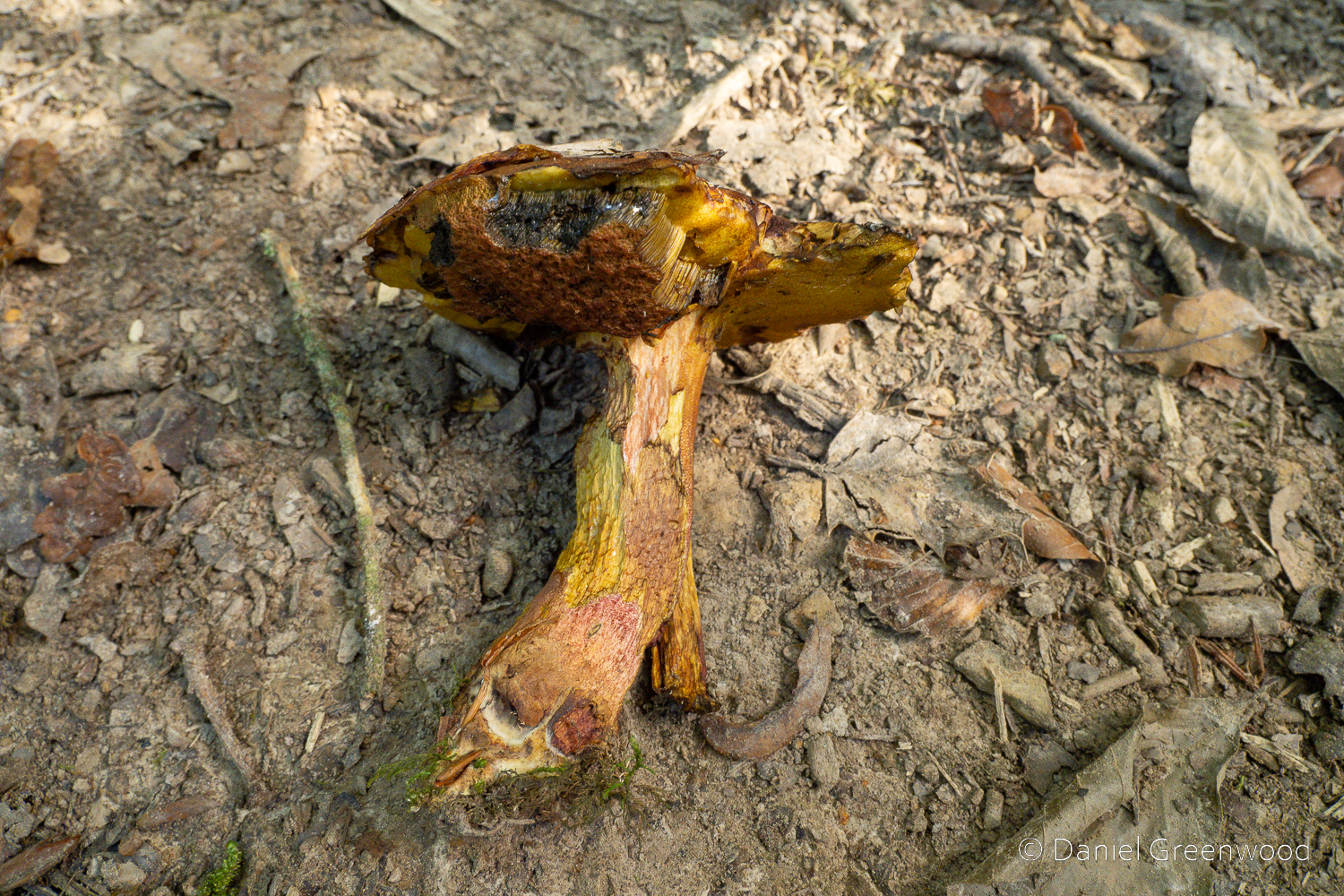
This is possibly a neoboletus bolete, of which more later. You can see the pinkish hue to the markings on the stipe, and the yellow pores.
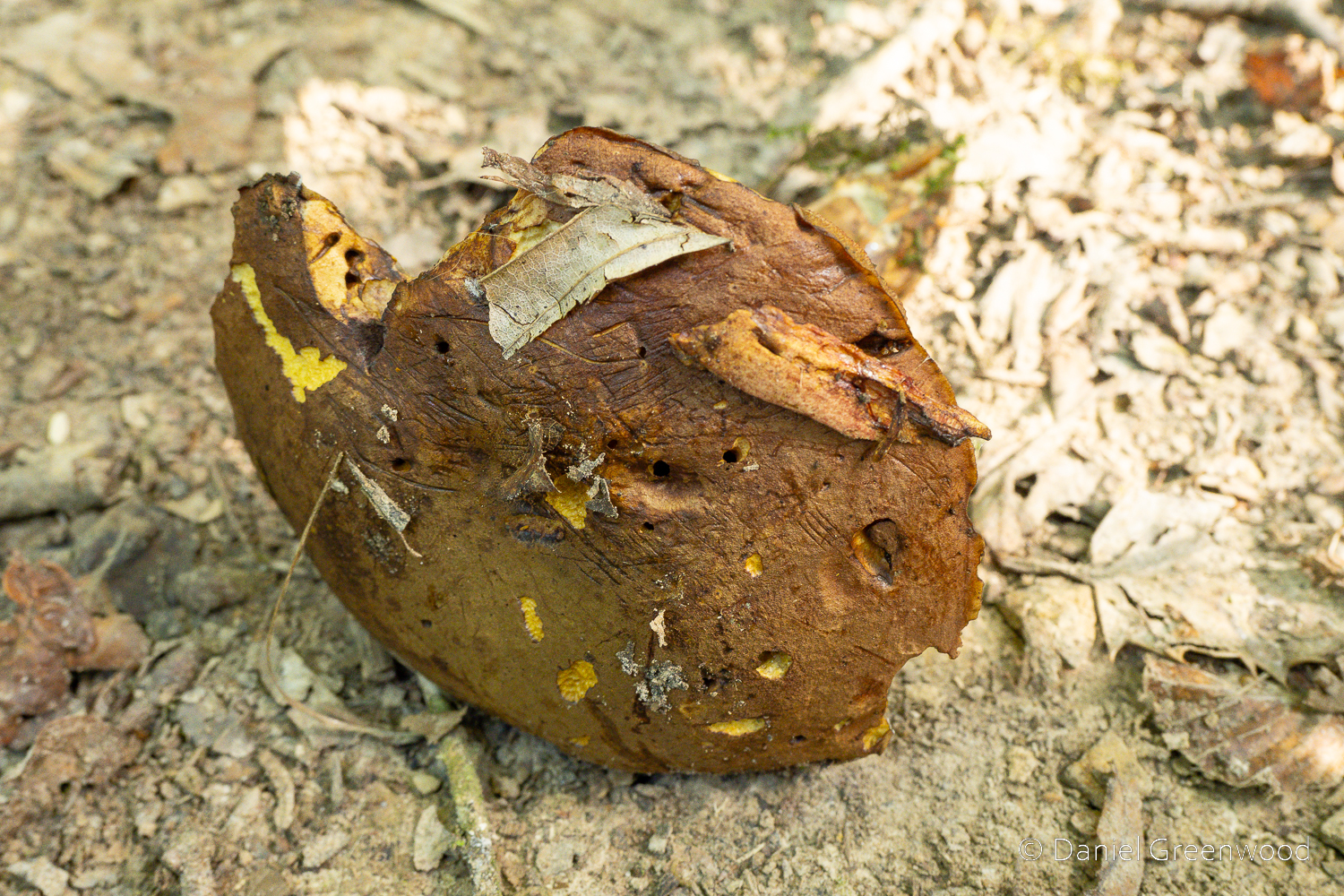
The cap has the typically brown cap of these types of boletes.
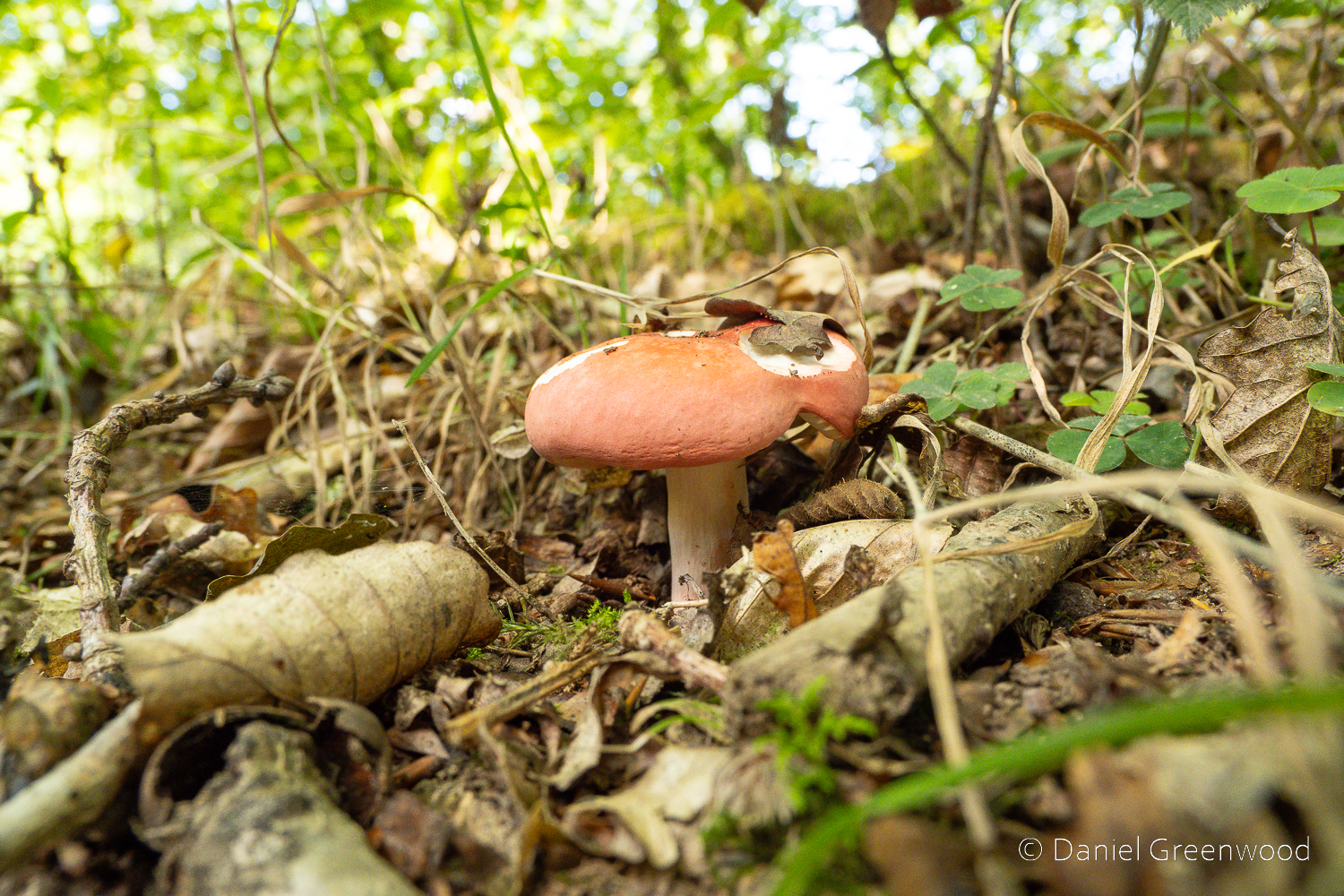
A less vibrant russula.
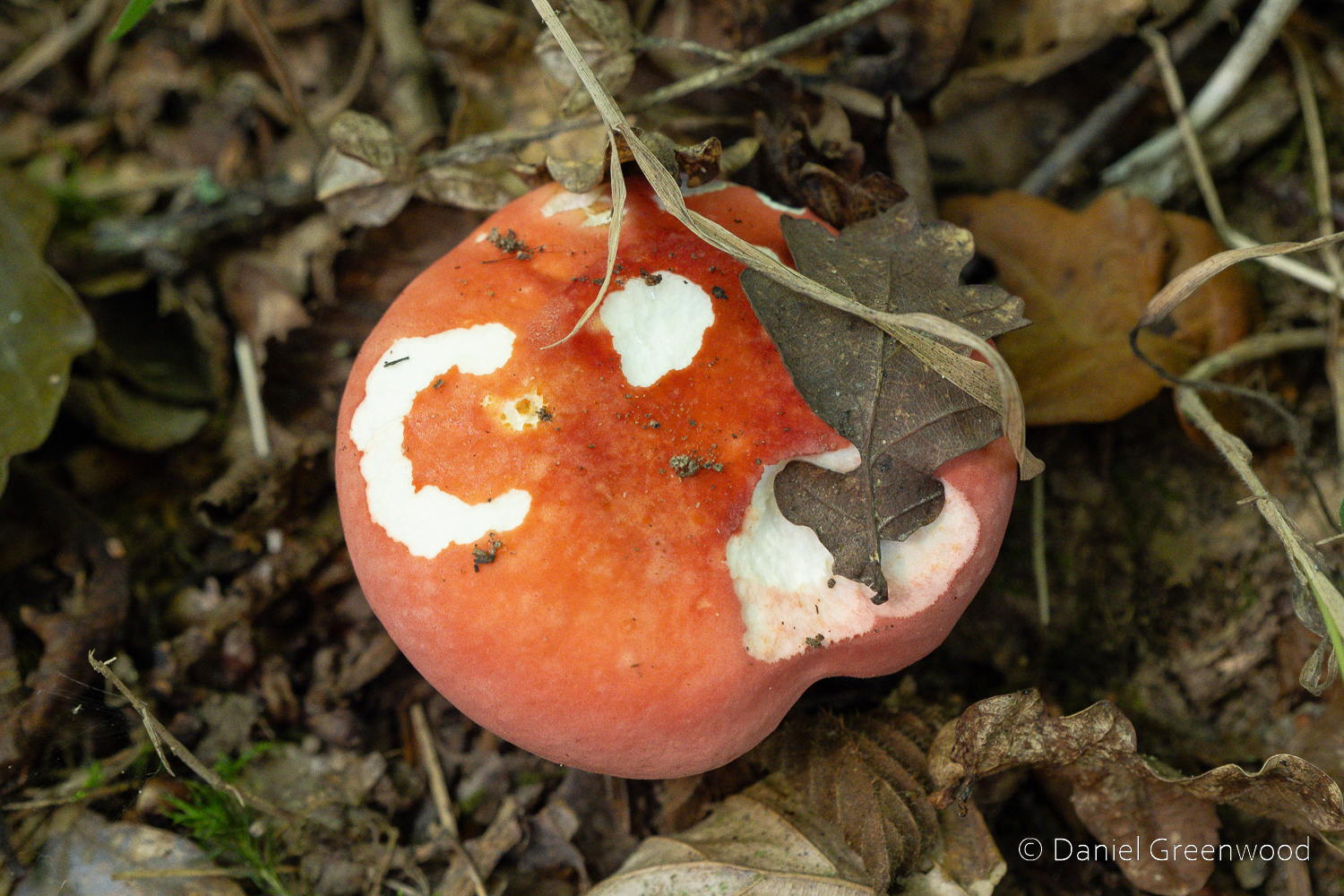
I do enjoy the letter chewed into the cap. These mushrooms are clearly an important food source for wildlife.
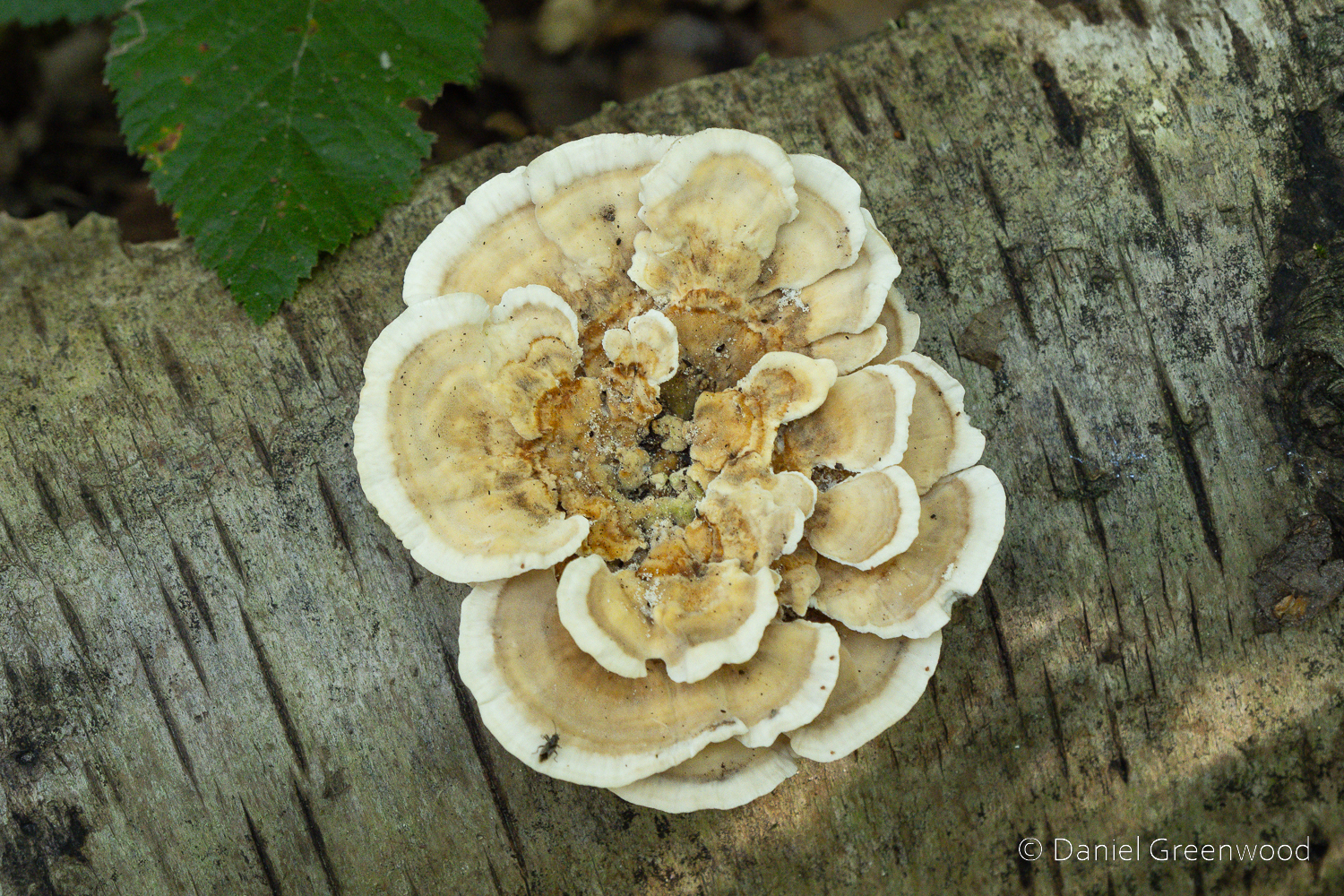
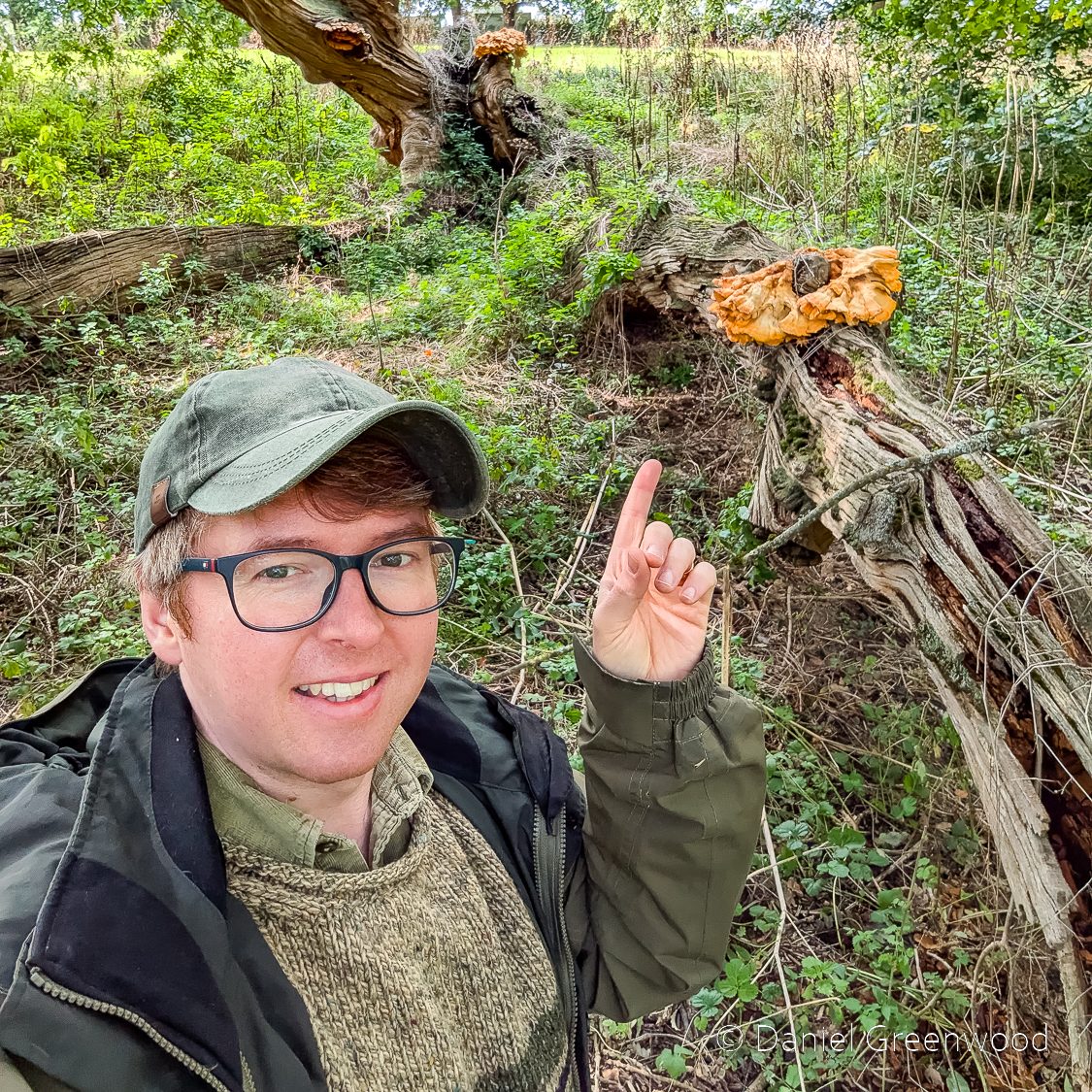
My presumption is that this is ochre bracket. It’s beautiful,
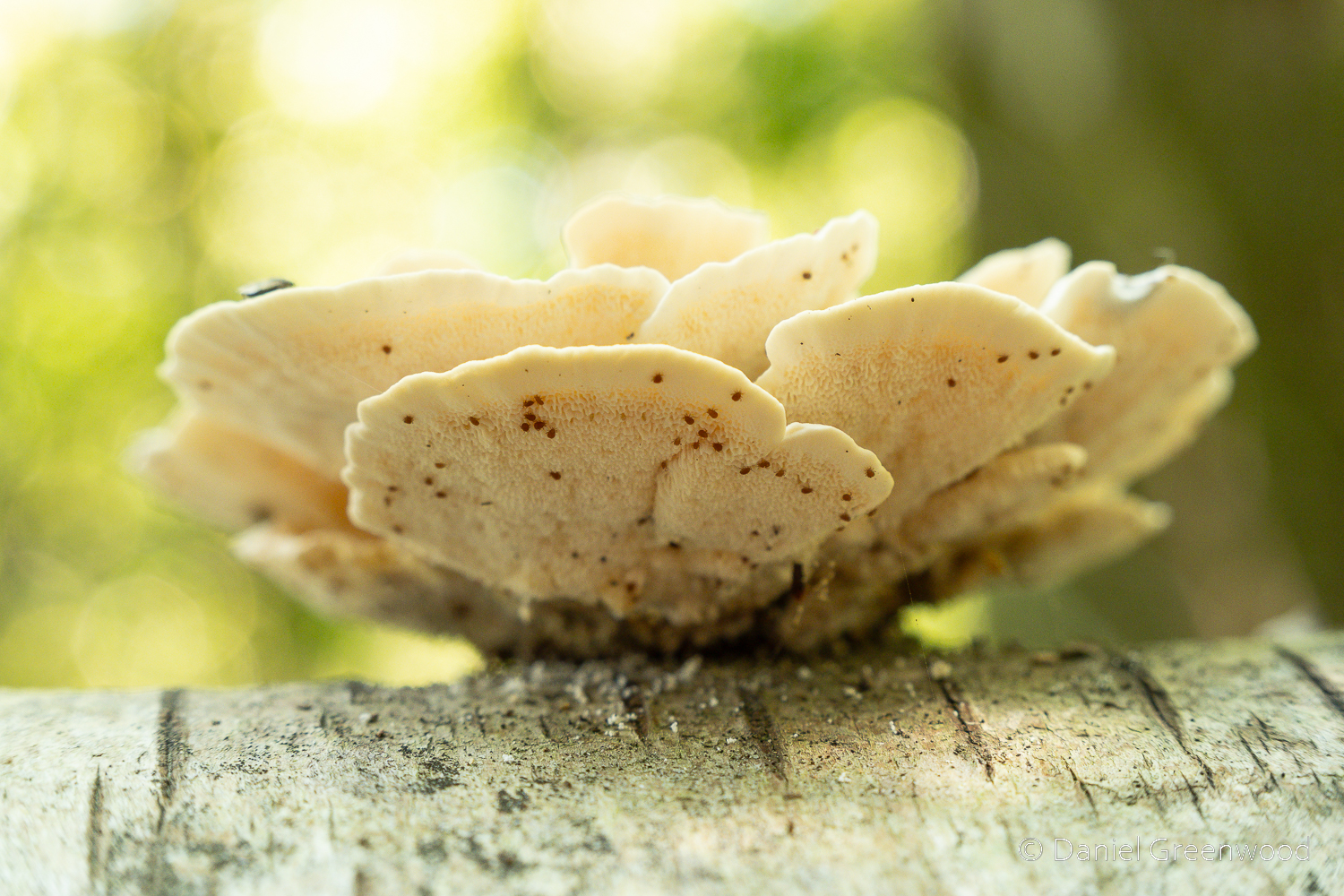
Invert heaven was taking place on the underside, around the pores. I’m not sure if these are species of mites. In other photos I’ve seen of this species there also appear to be mites, so there might be a relationship there.
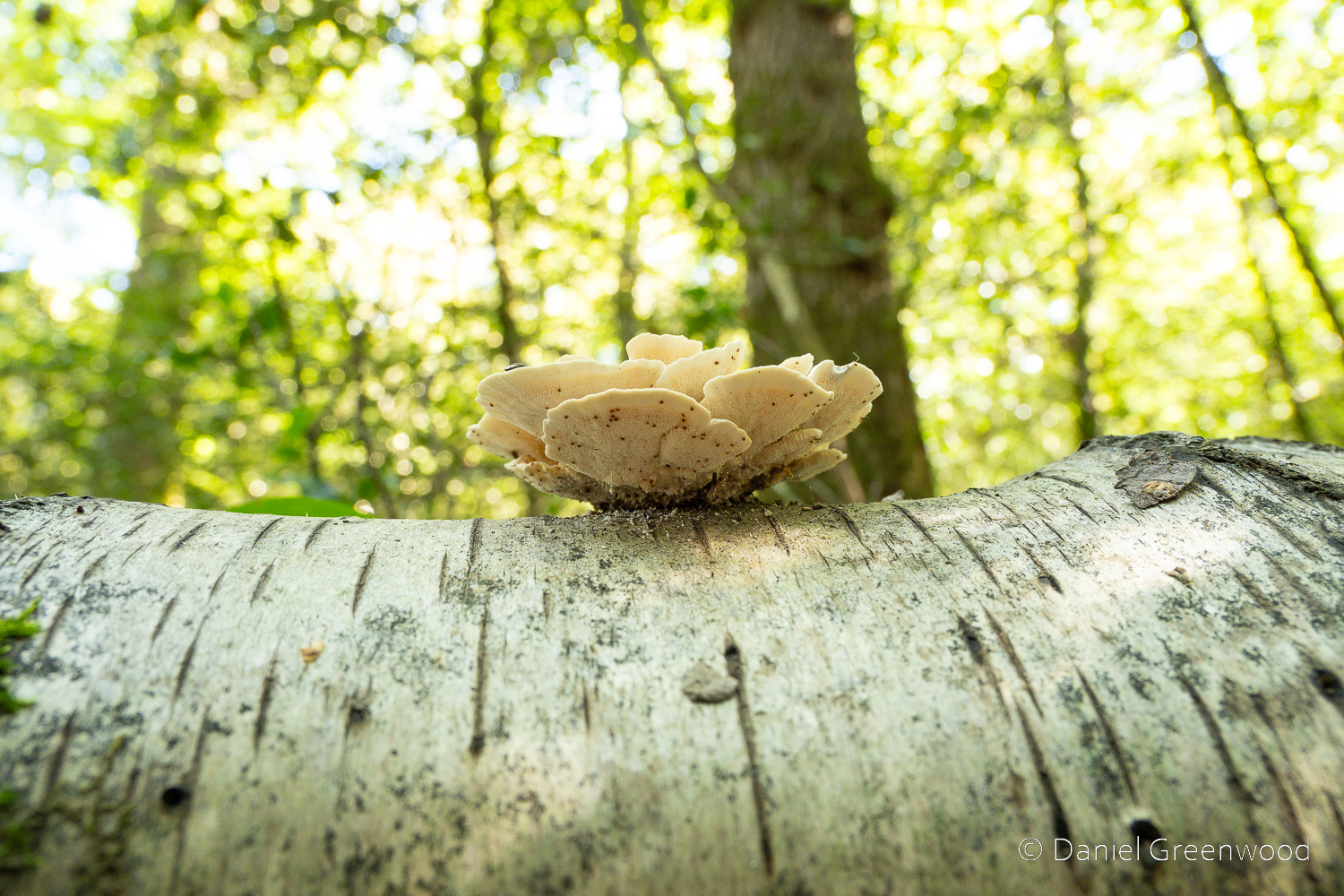
The fungus was breaking out from a fallen birch log.
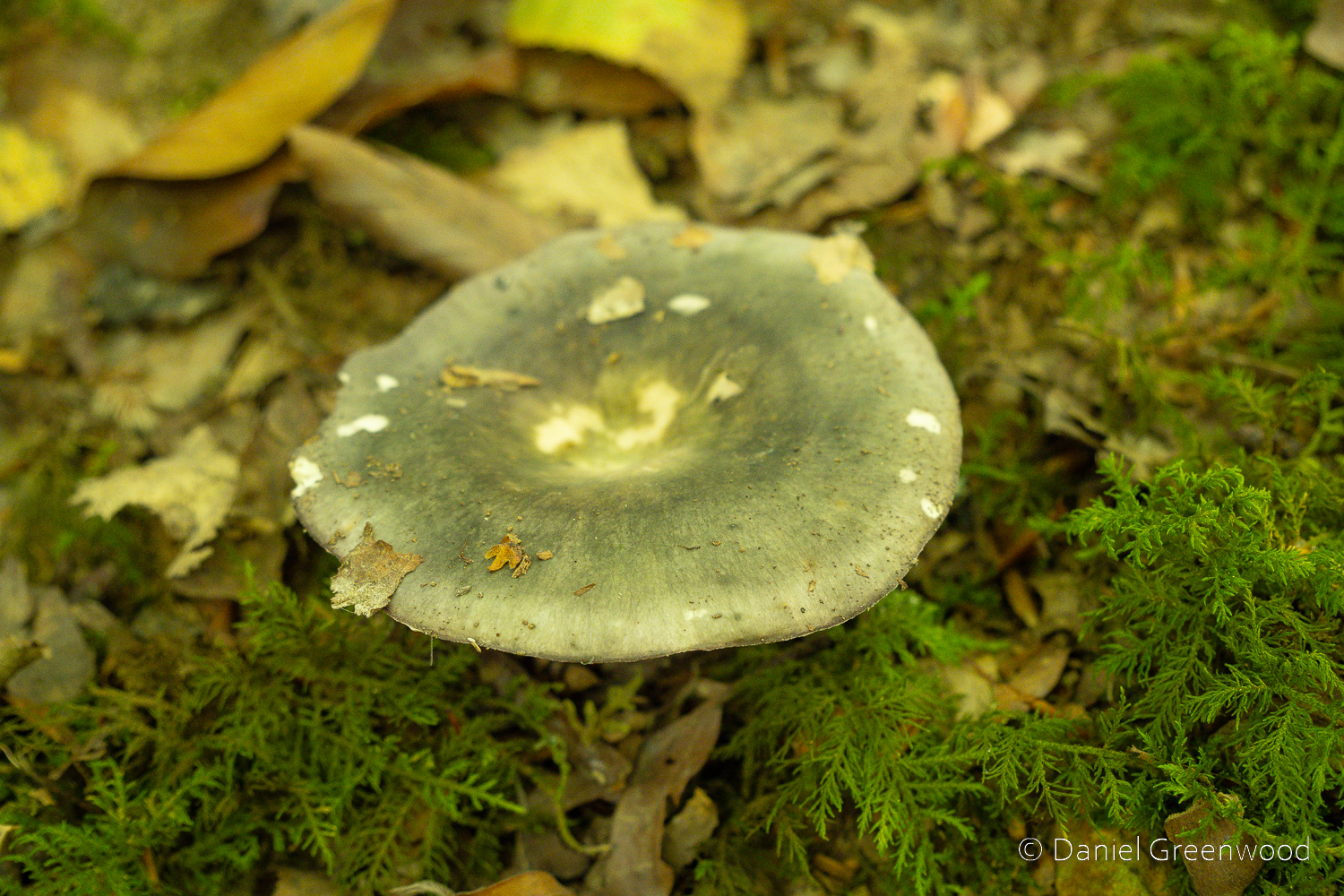
Is this a green russula? I can’t be sure if that’s grey or green.
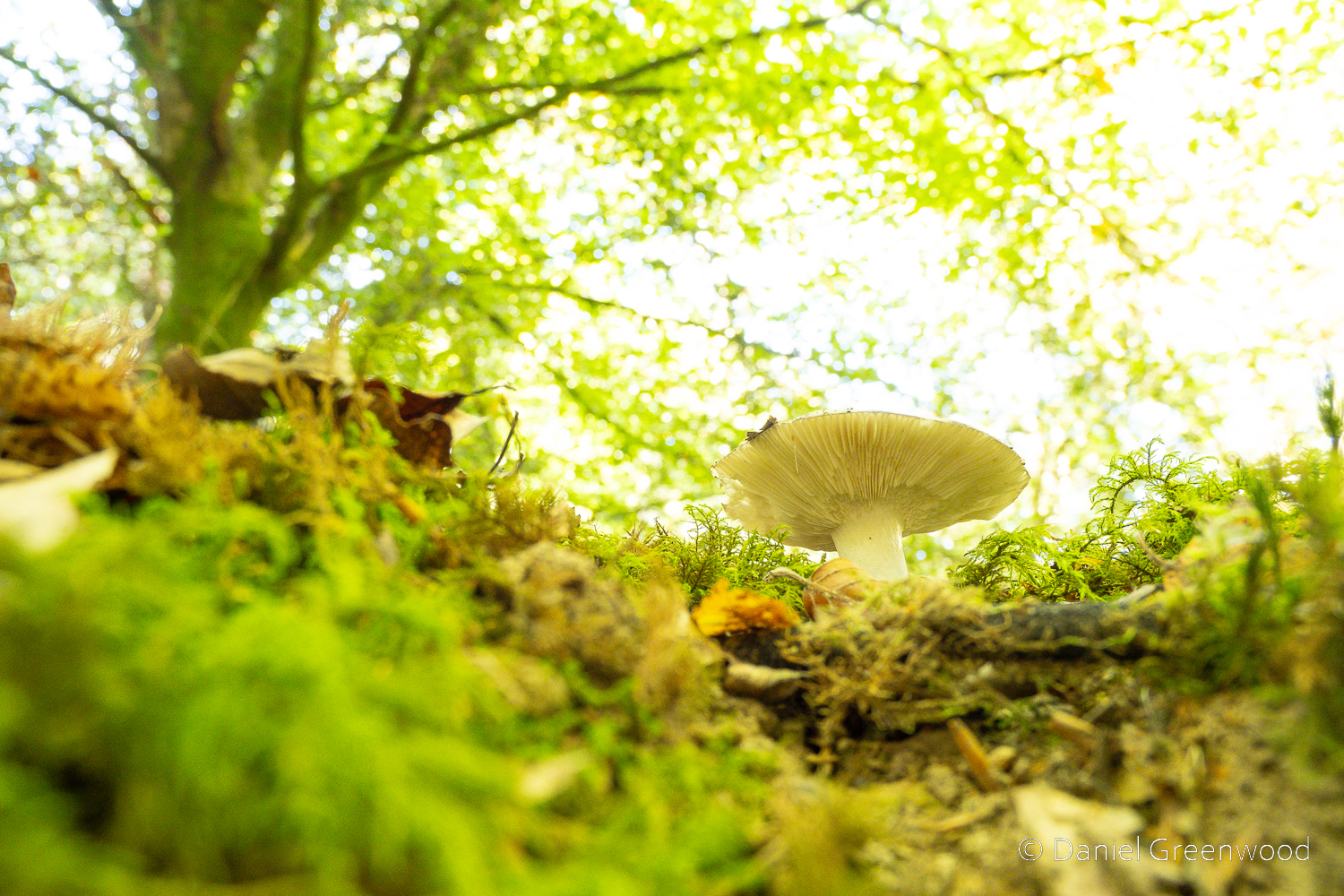
I like the placing of this mushroom with the beech tree above.
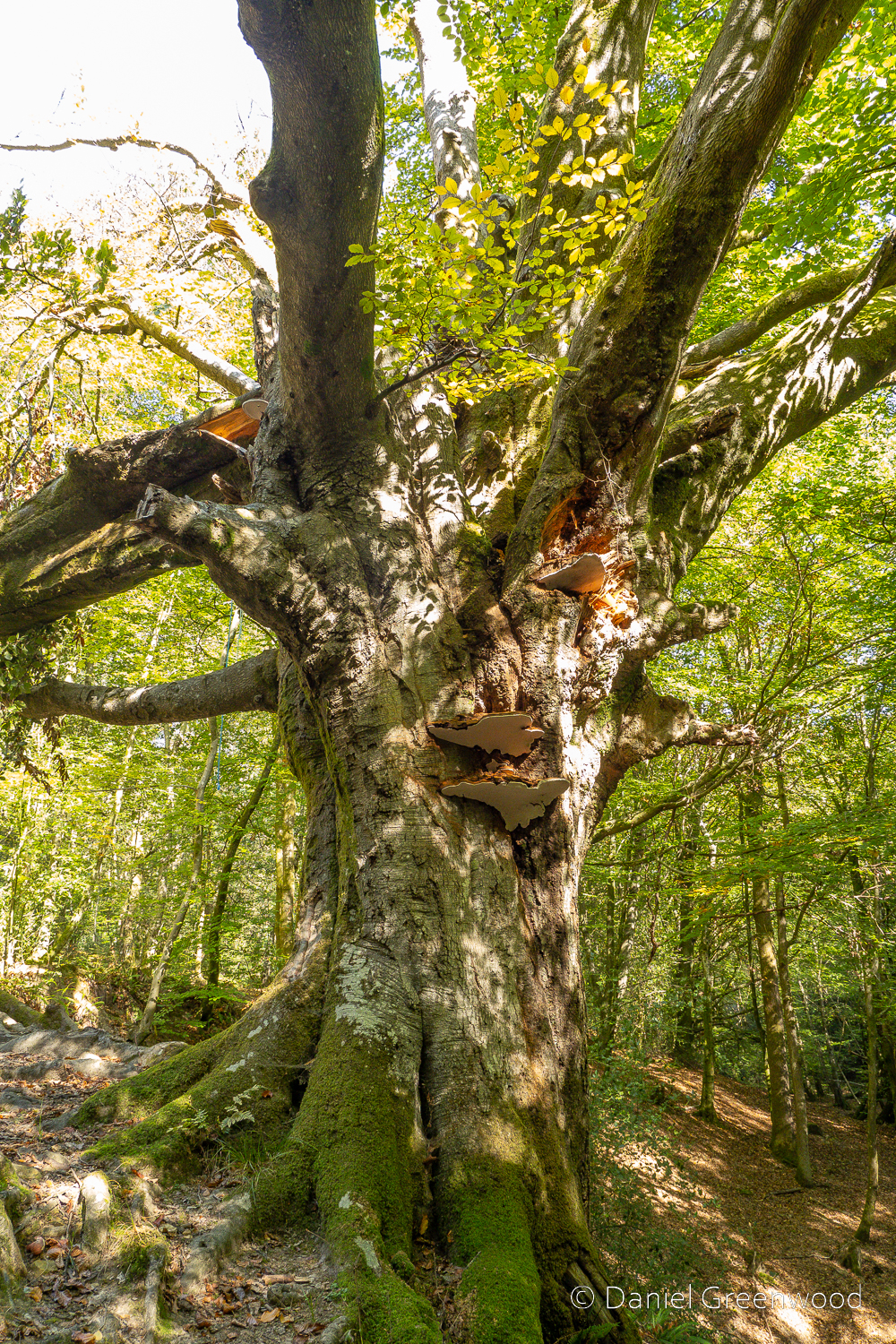
This magnificent beech gets a lot of attention from visitors, but also from Ganoderma brackets.
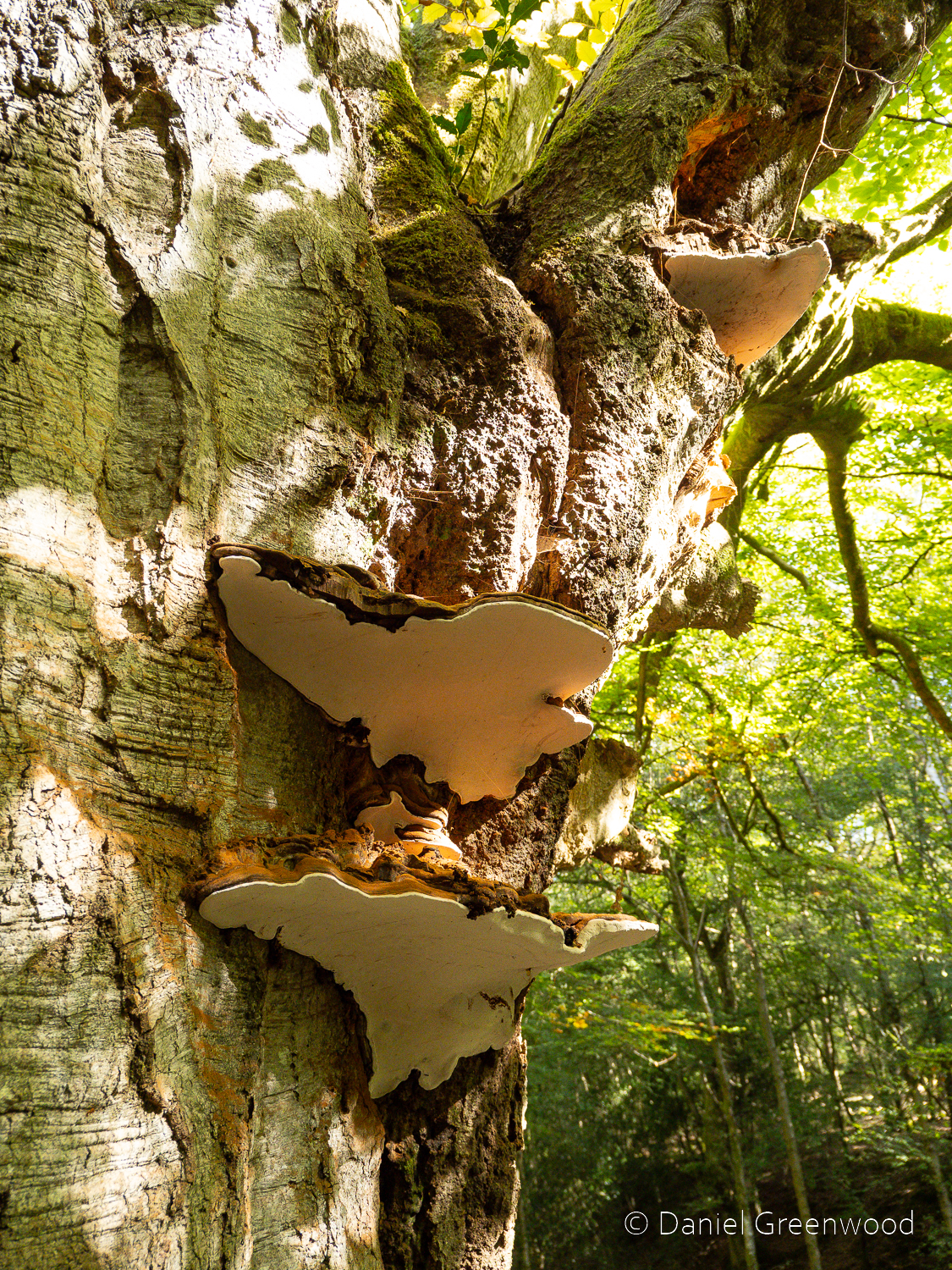
The fungus is perfectly placed for a game of noughts-and-crosses.
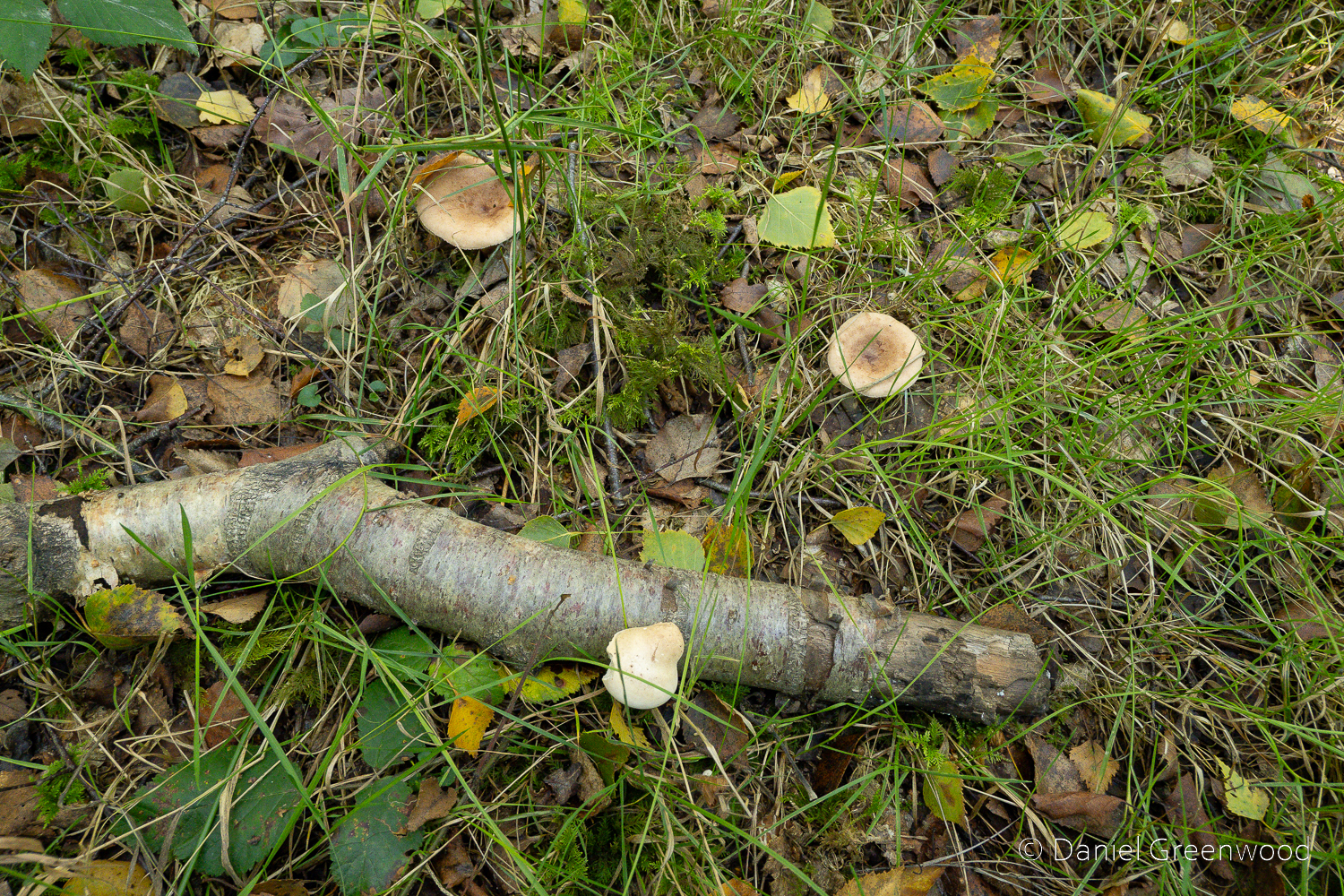
Apologies for this pic, which actually looks like a face drawn by a child.
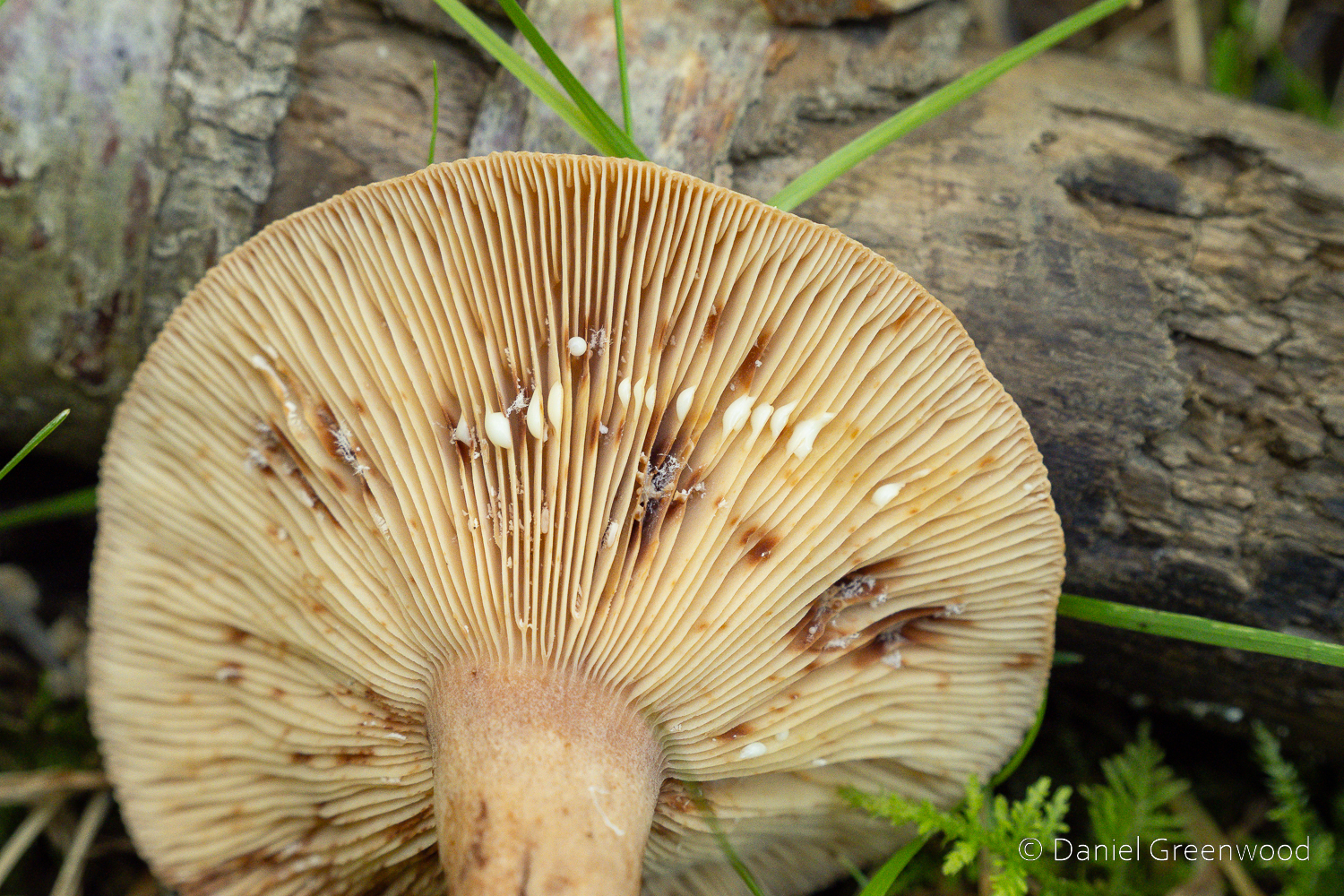
These are milkcaps again. iNaturalist suggests this is oakbug milkcap, Lactarius quietus.
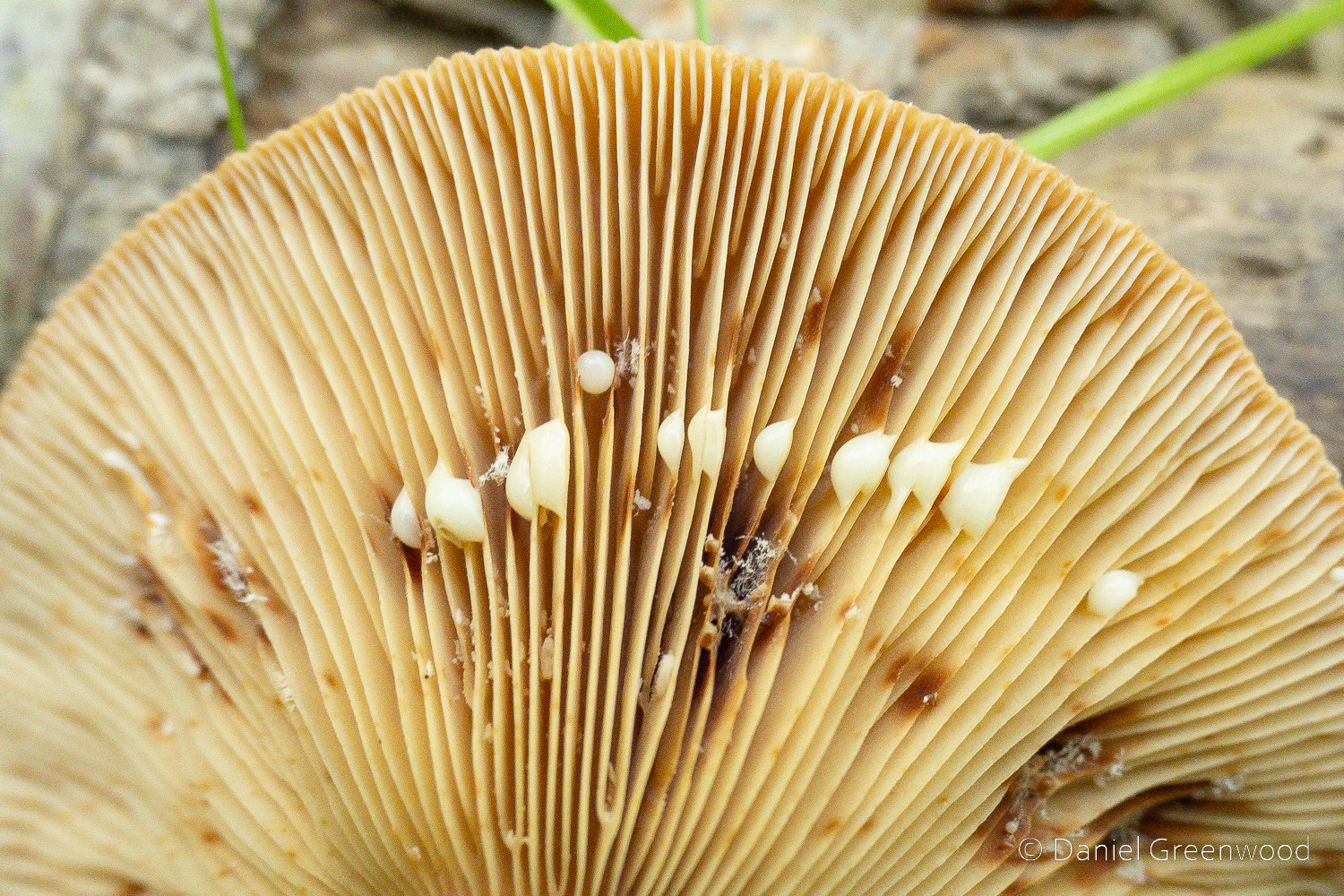
As you can see, the milk is creamy white.
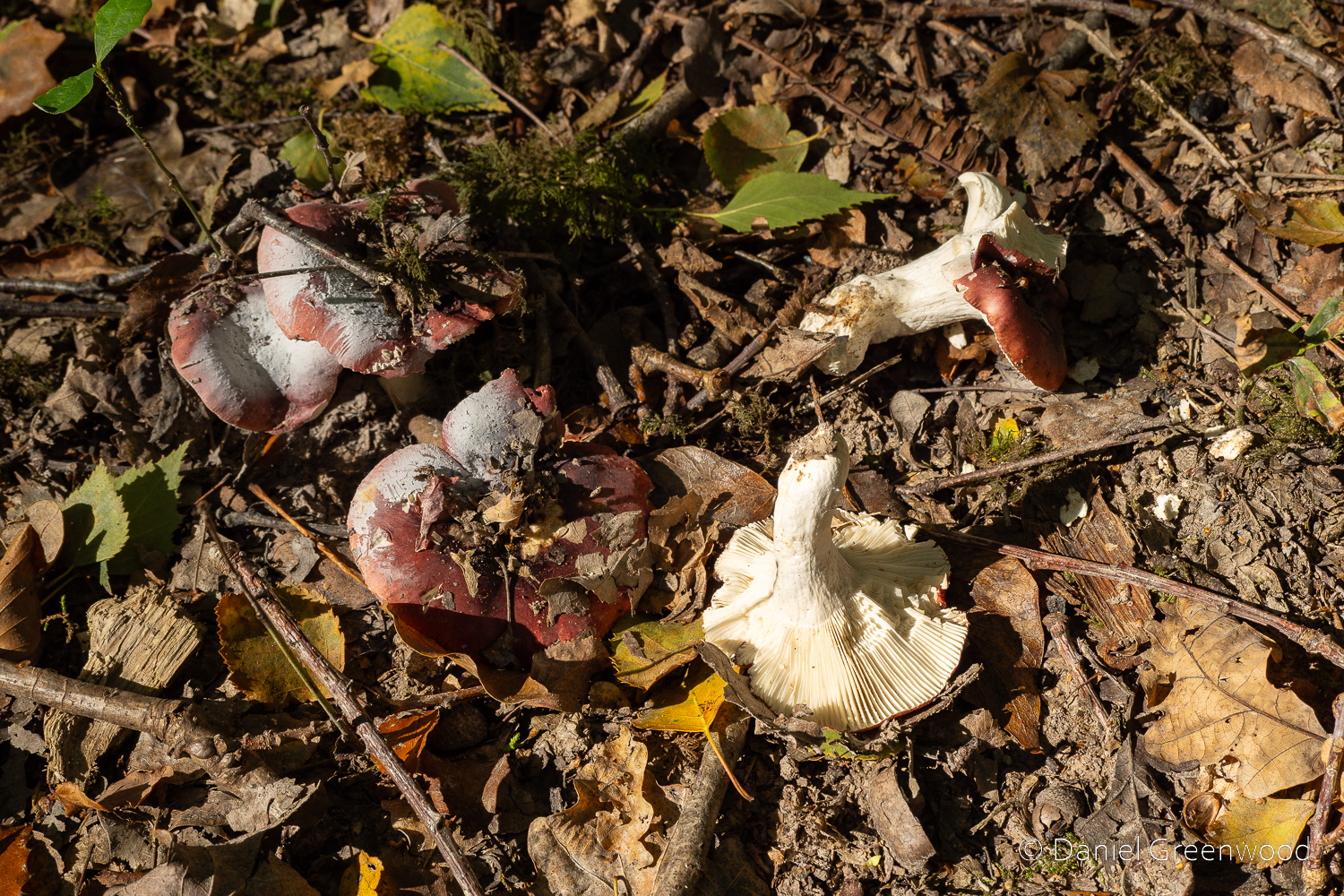
These russulas have had a party, or at least a squirrel has. These were the most common family of mushrooms on this walk.
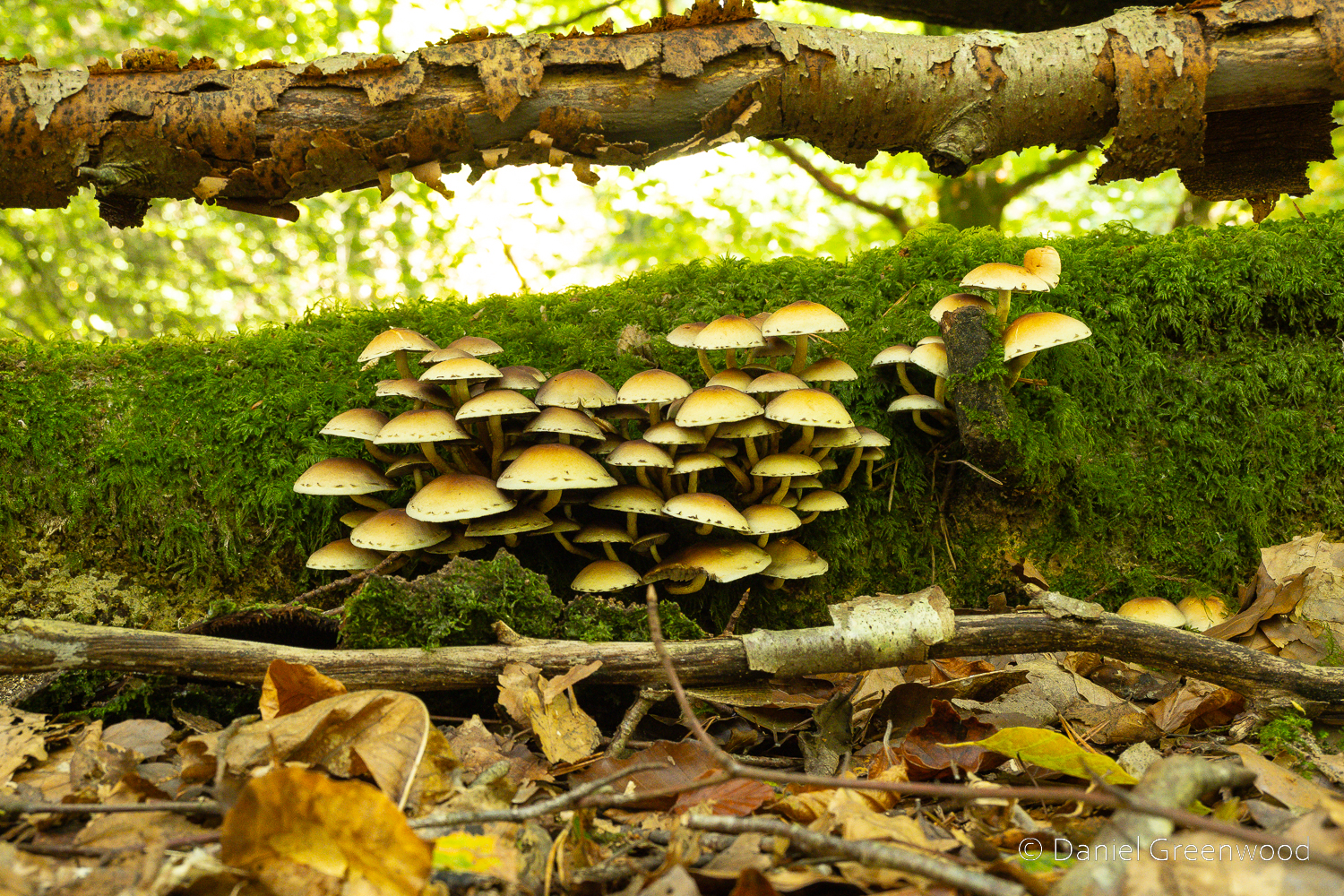
Sulphur tuft was only in a couple of places.
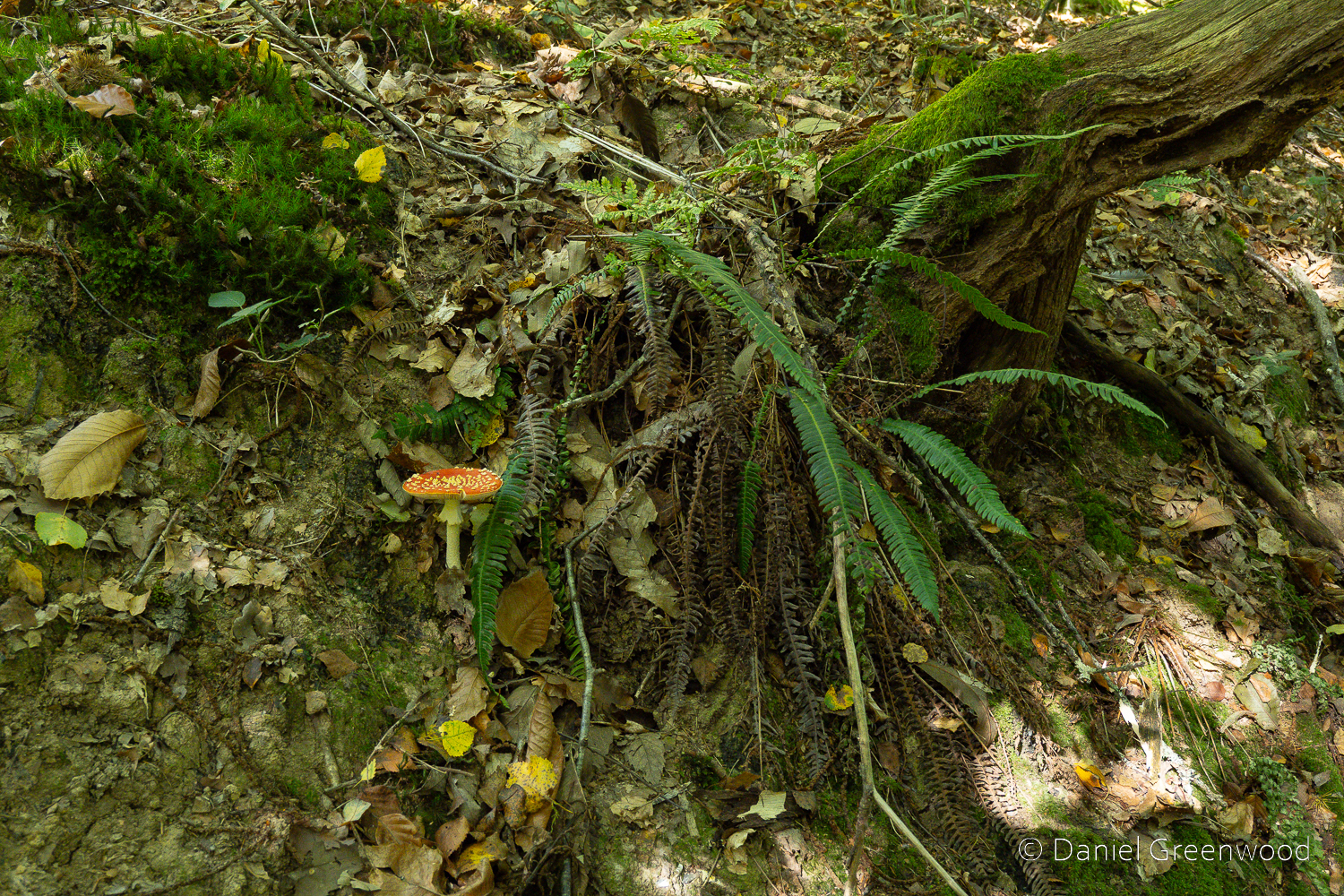
I only just spotted this fly agaric – the first one of my autumn – off down the side of the main path. Usually I see a lot of them in early October, even in September.
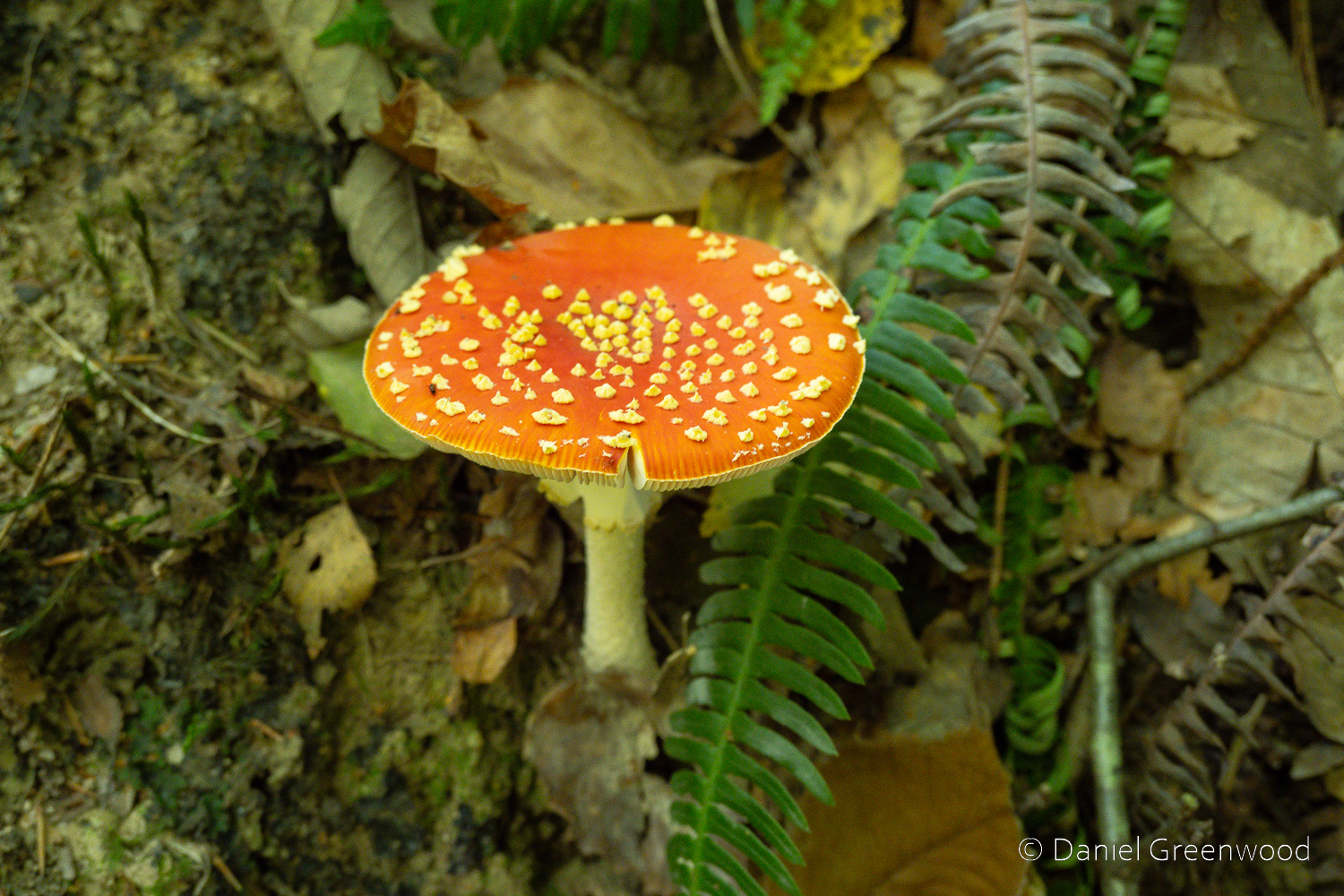
This one seems to be more yellow, perhaps because of the lack of moisture.
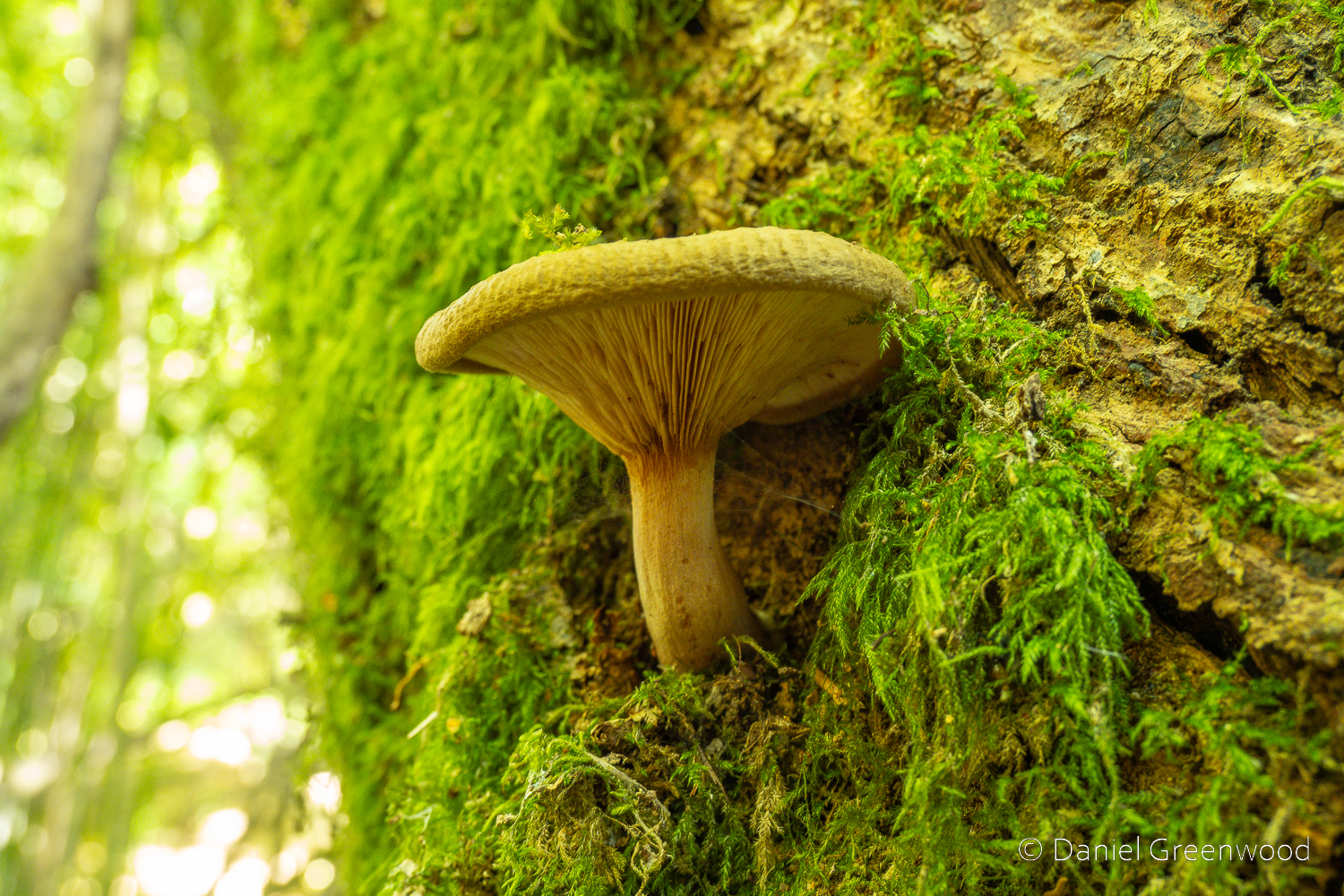
Brown rollrim was growing nearby.
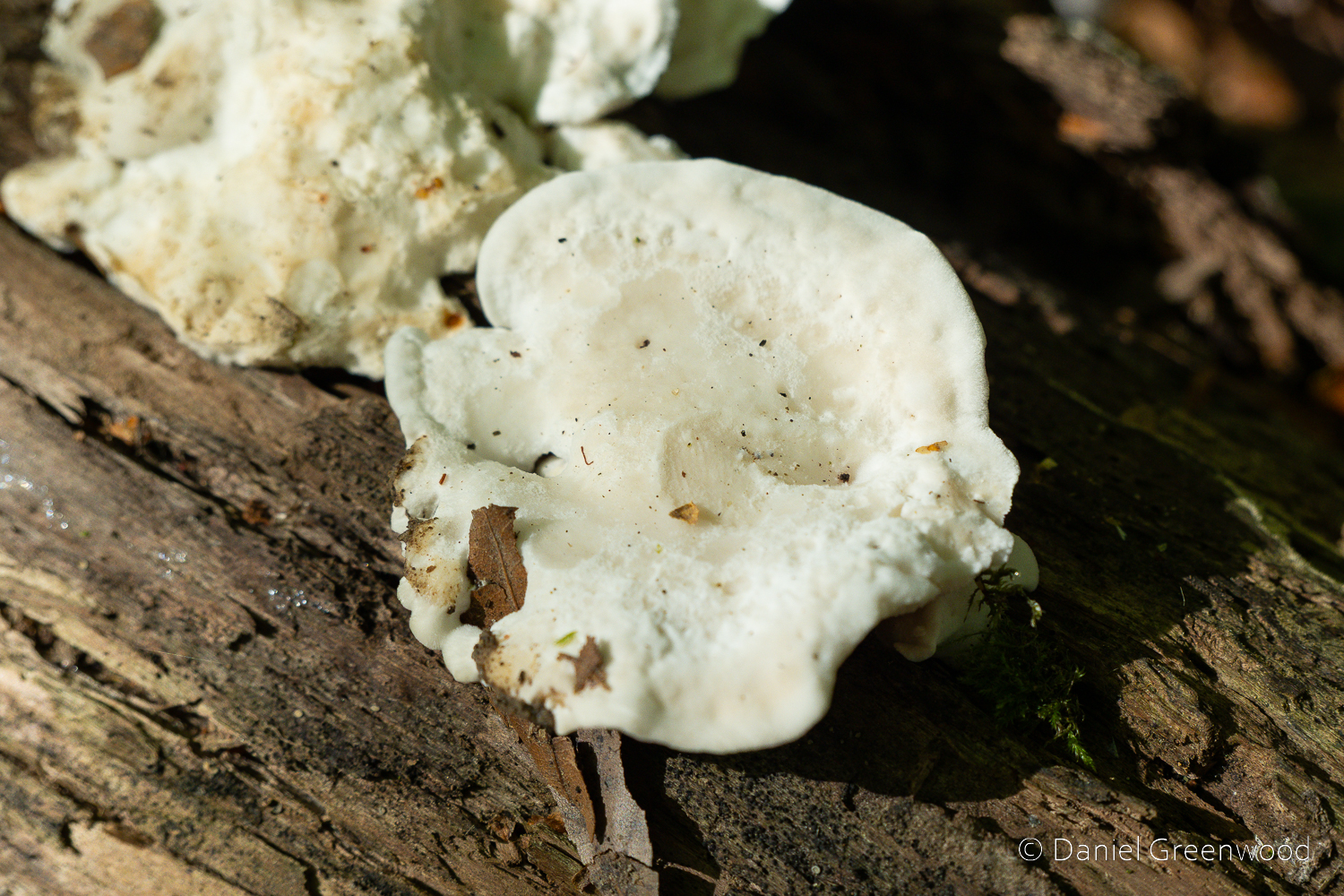
No awards being one with this image, but I don’t know which polypore this is.
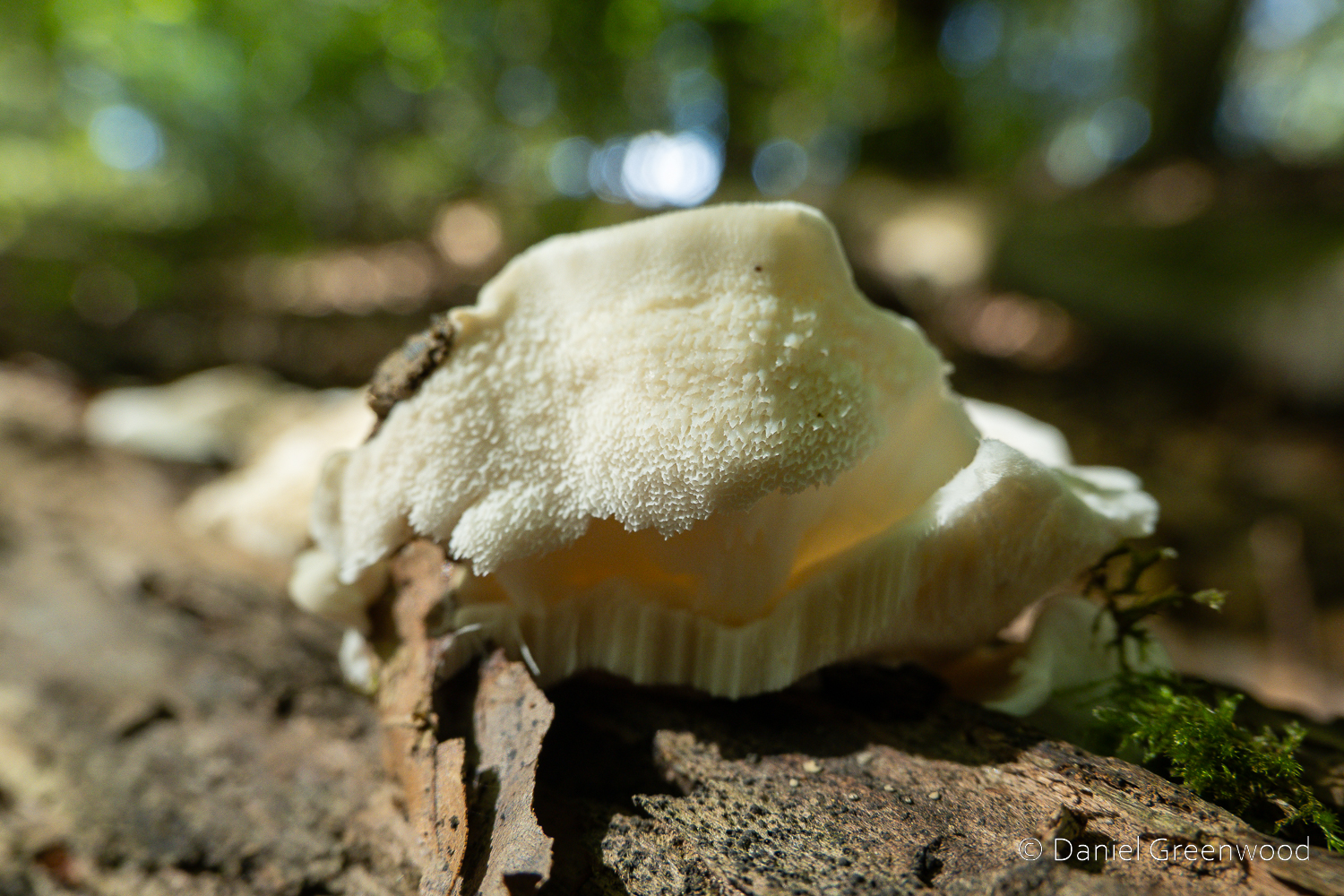
I think it has pores, as you can see. It could be lumpy bracket but it didn’t seem quite right for that.
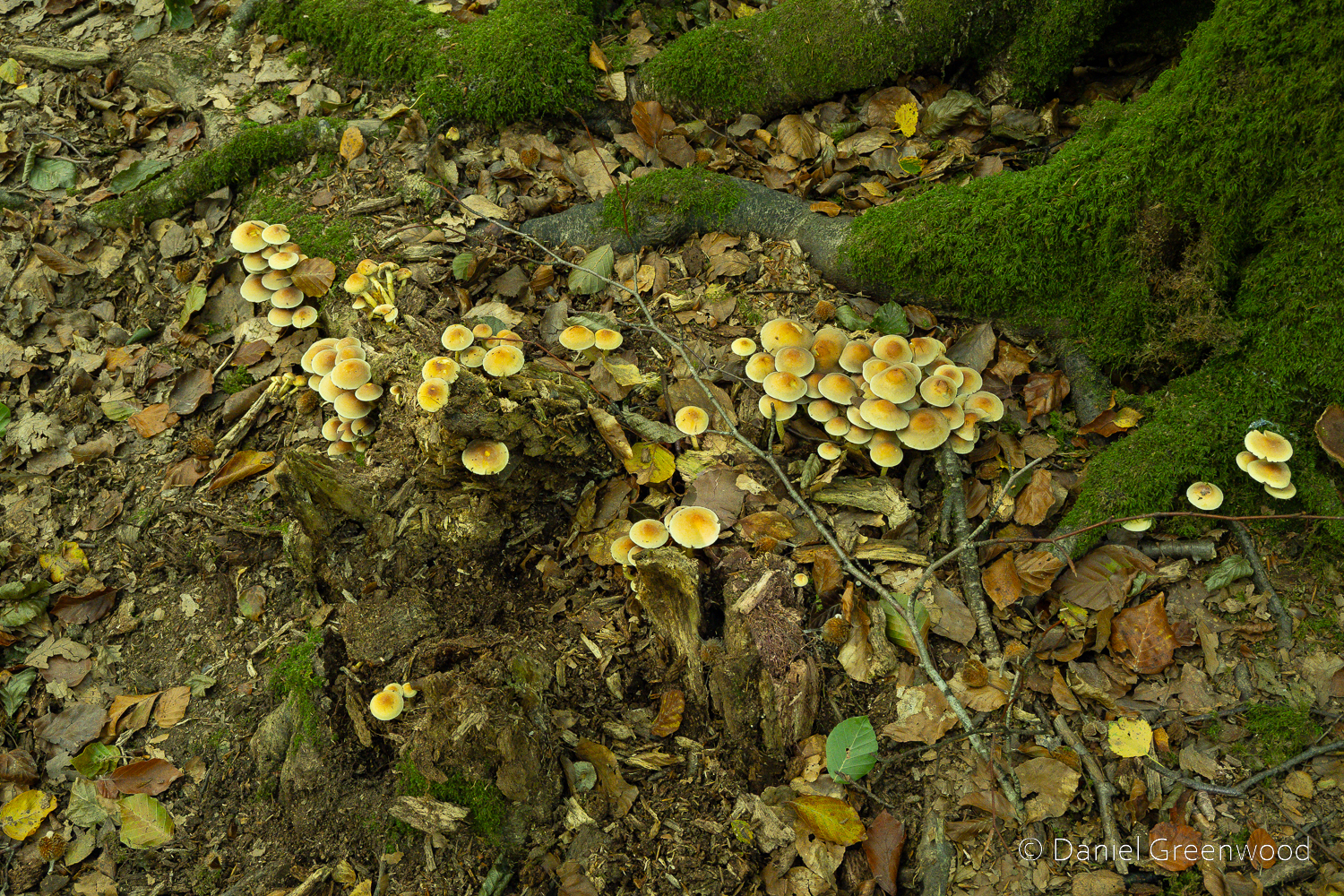
Sulphur tuft could be found again around some submerged deadwood, which they are fond of.
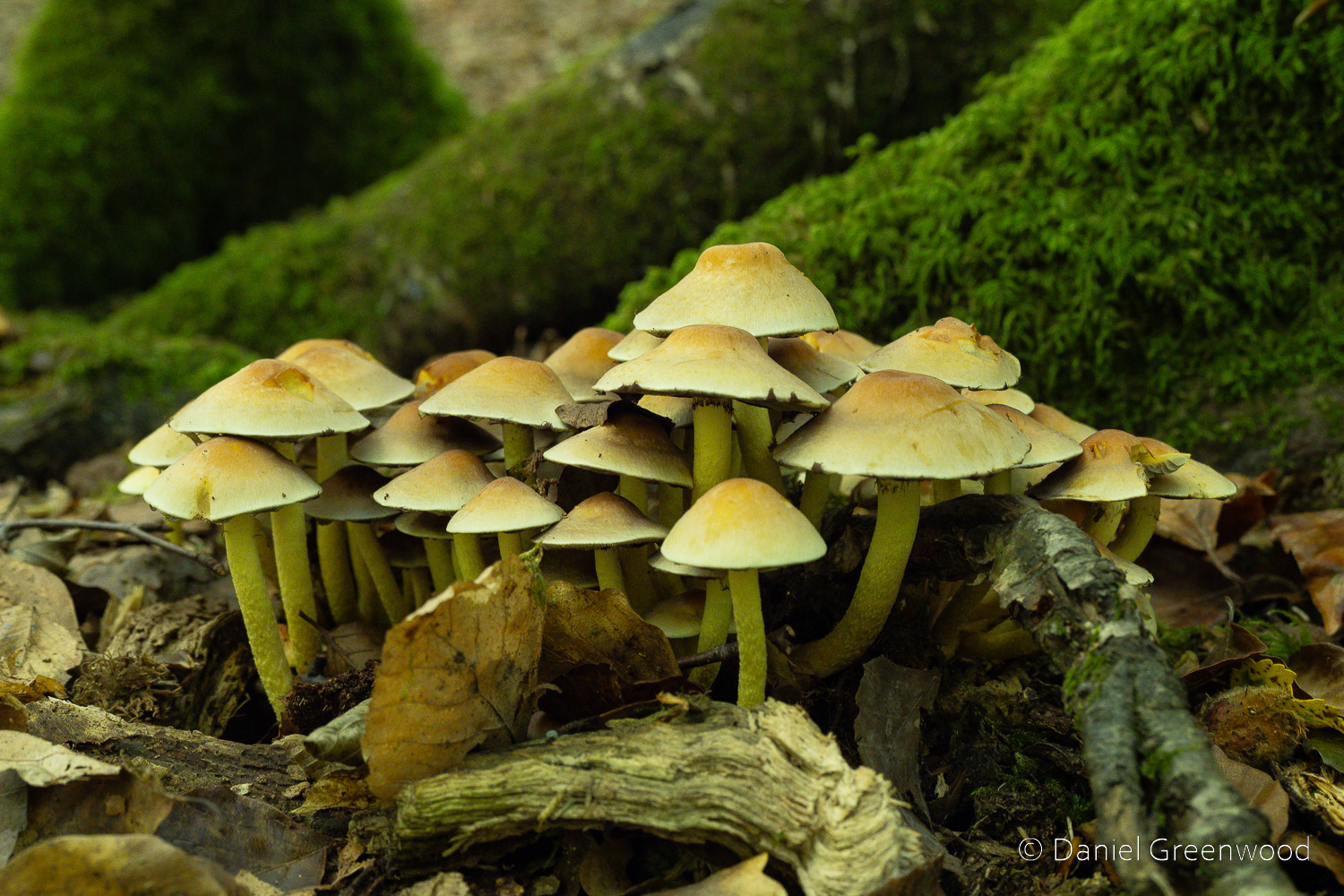
‘That’s us!’
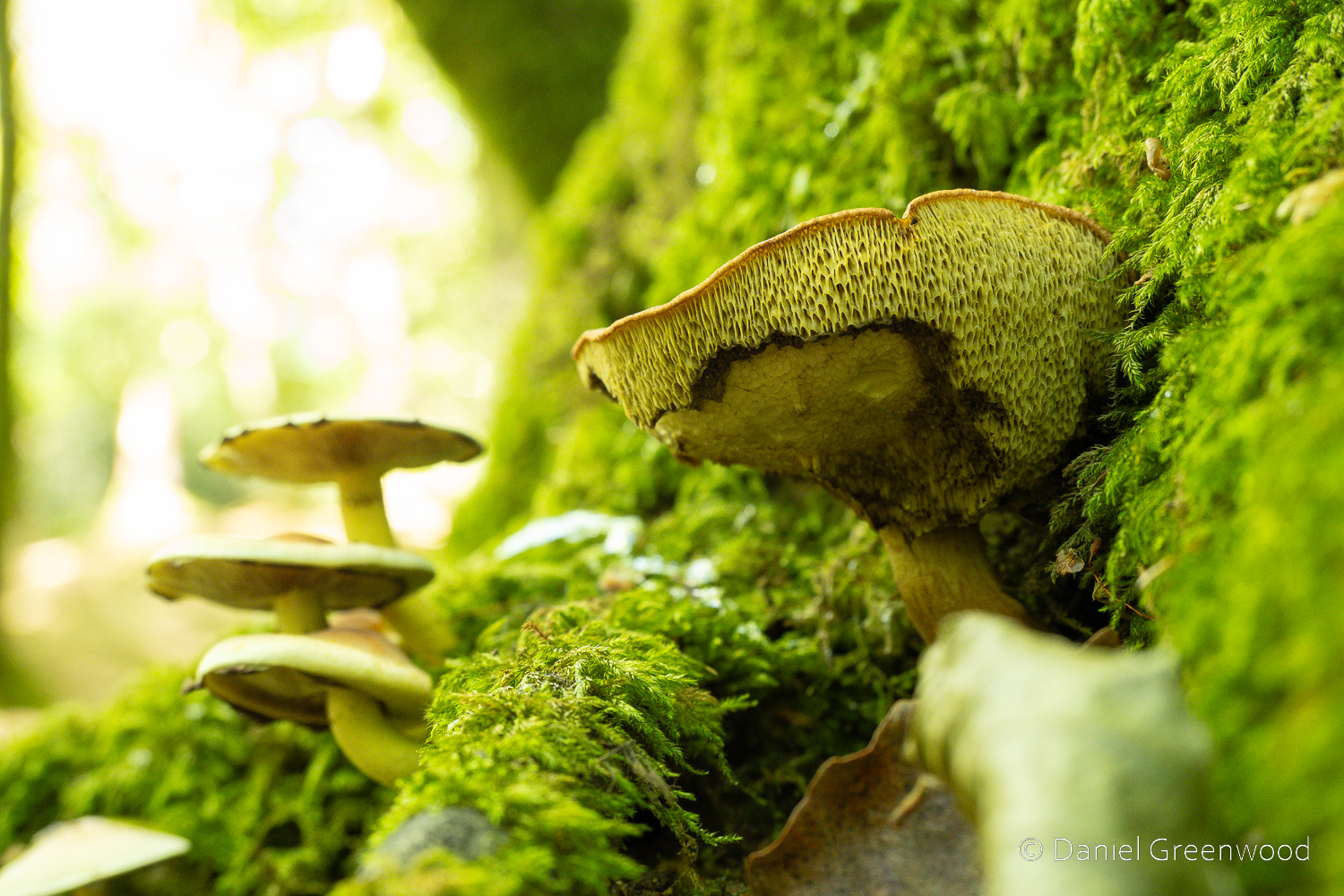
This bolete was growing from the buttresses of a mossy tree. The gills have been eaten.
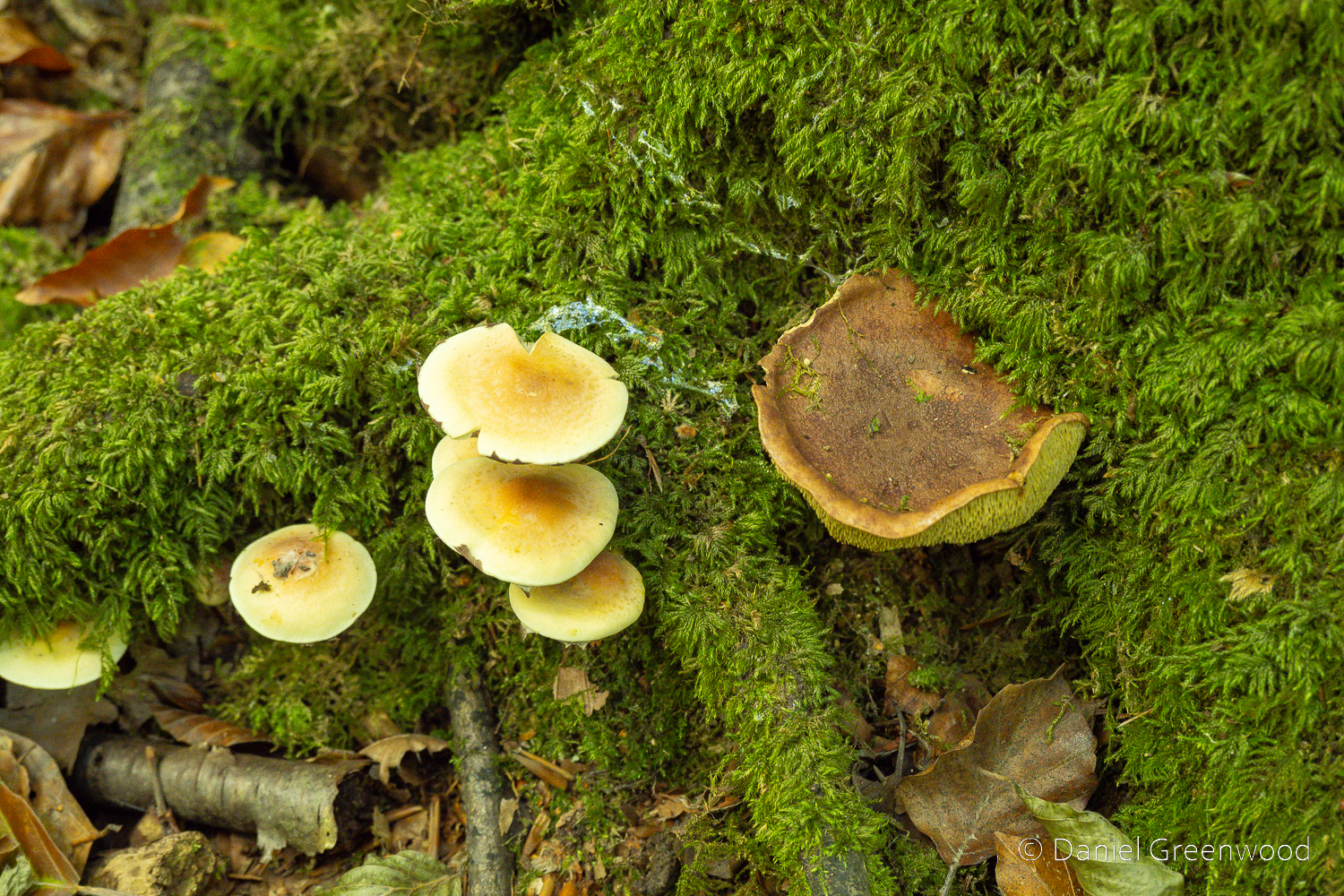
I’m not sure of the species, but it’s not Boletus edulis.

This post needs another landscape perspective of this piece of the High Weald.
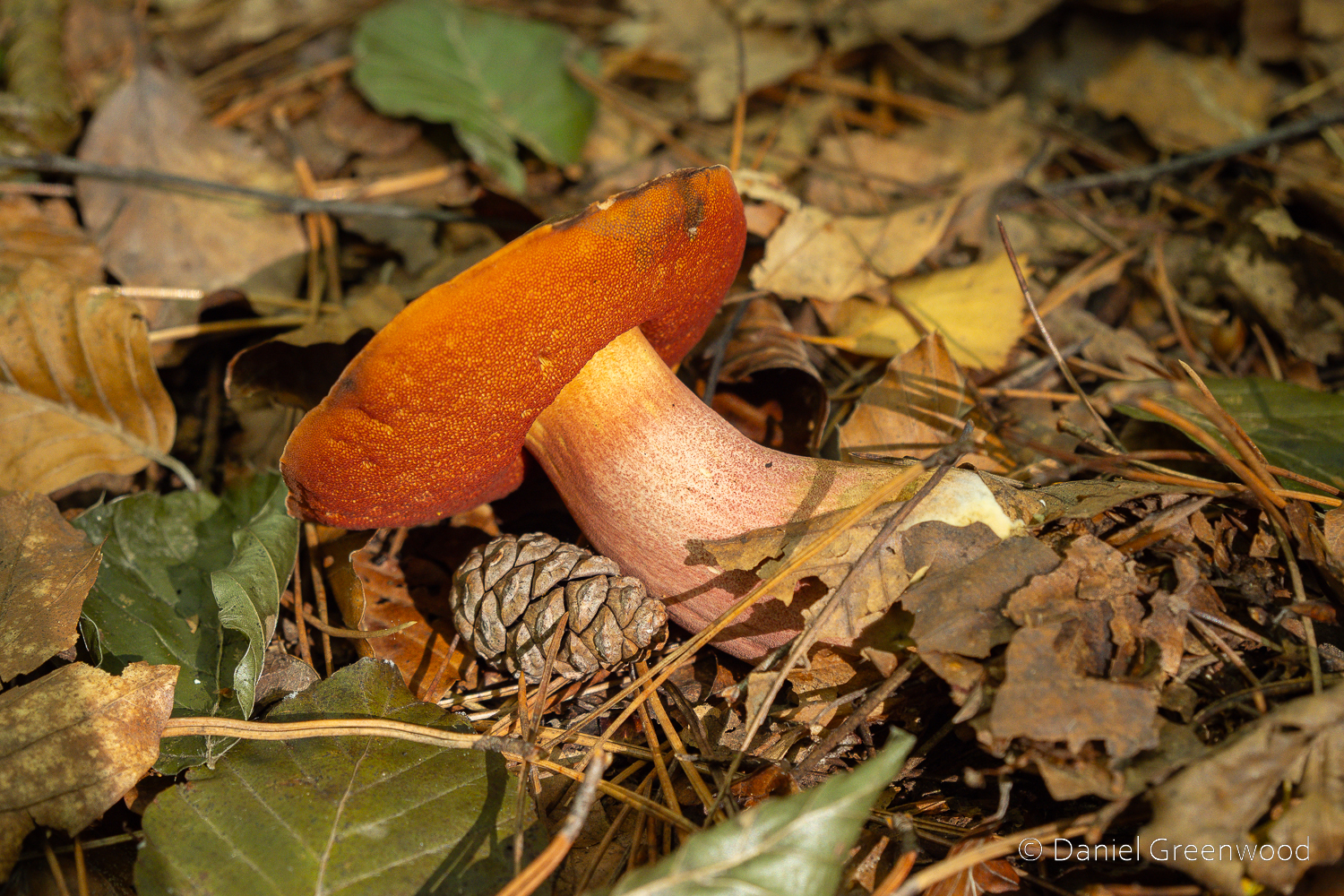
Down in the leaf litter I was really pleased to find this beautiful neoboletus.
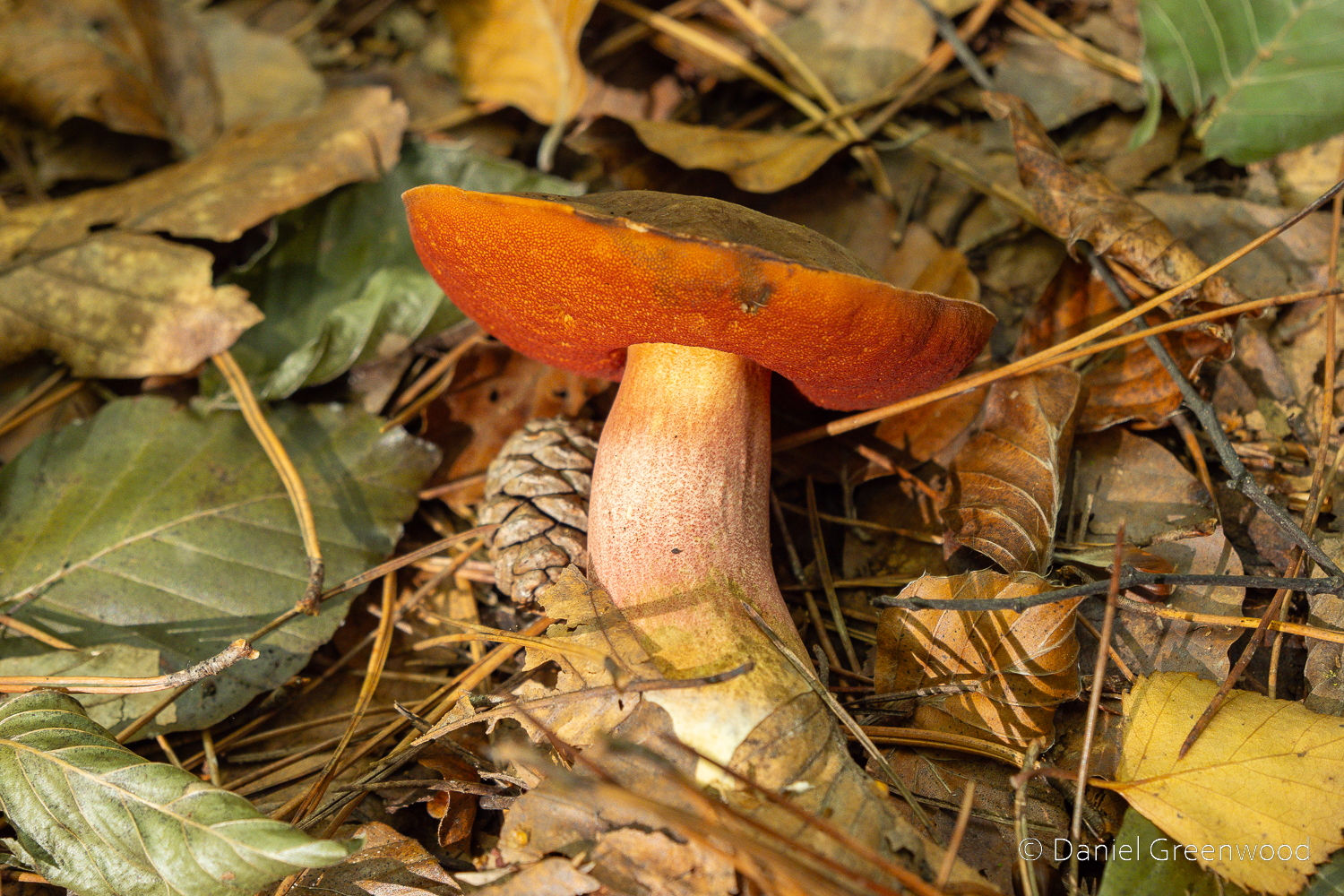
It’s likely scarletina bolete, one of my favourites.
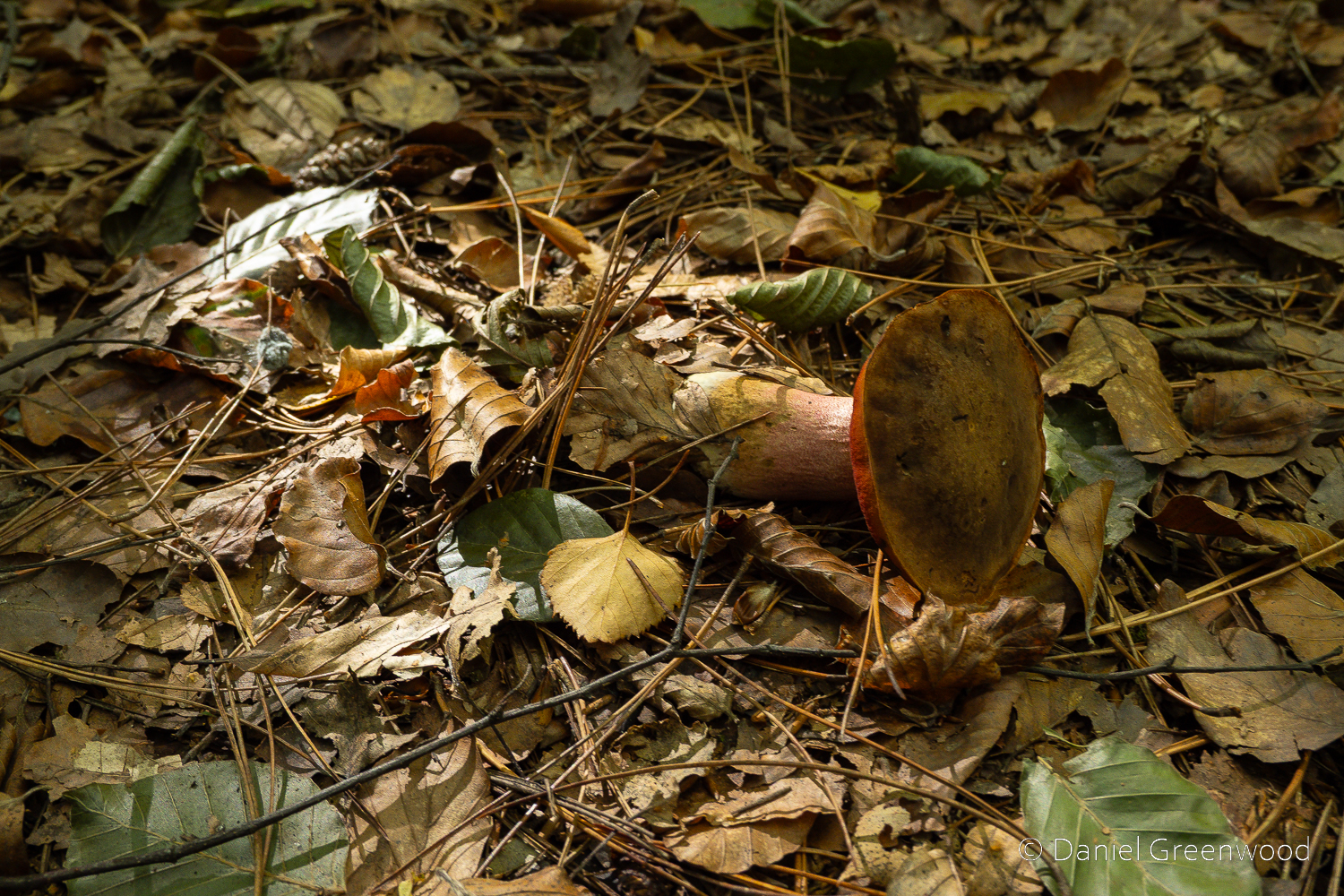
There was a lovely shaft of light coming through to where the mushroom lay – it has been picked, probably knocked over by a dog.
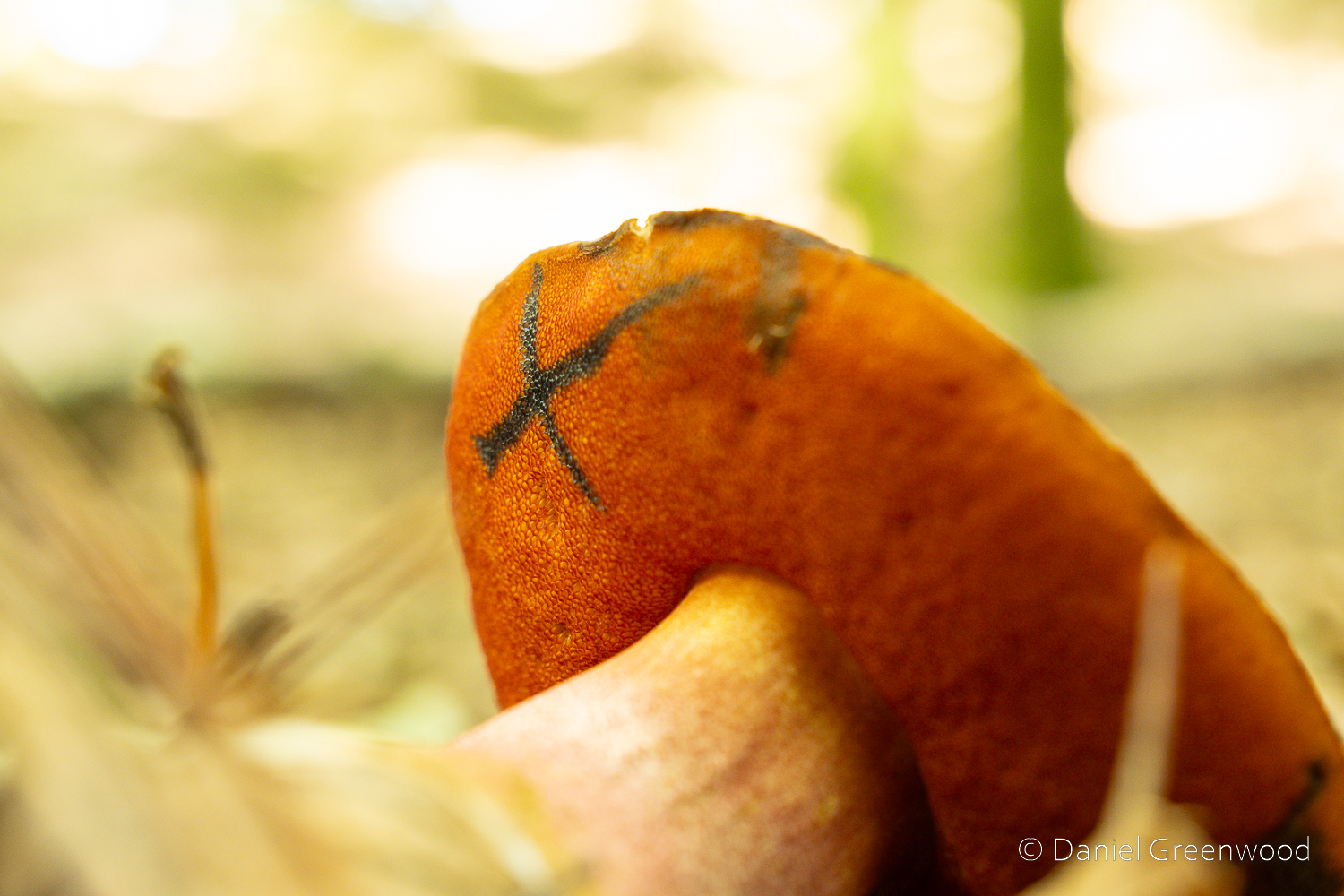
The pores bruised blue, which suggests it’s scarletina bolete.
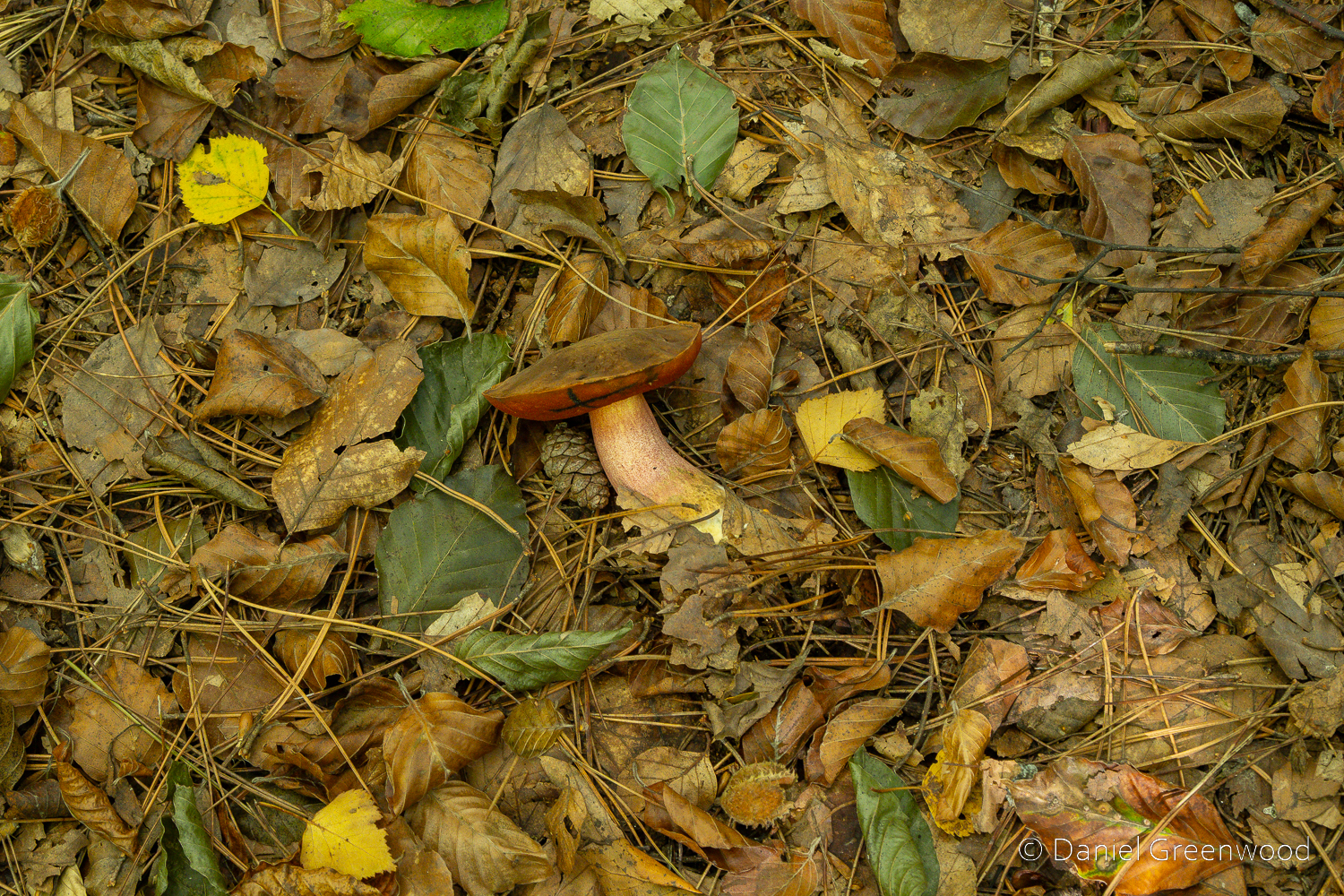
One more time…
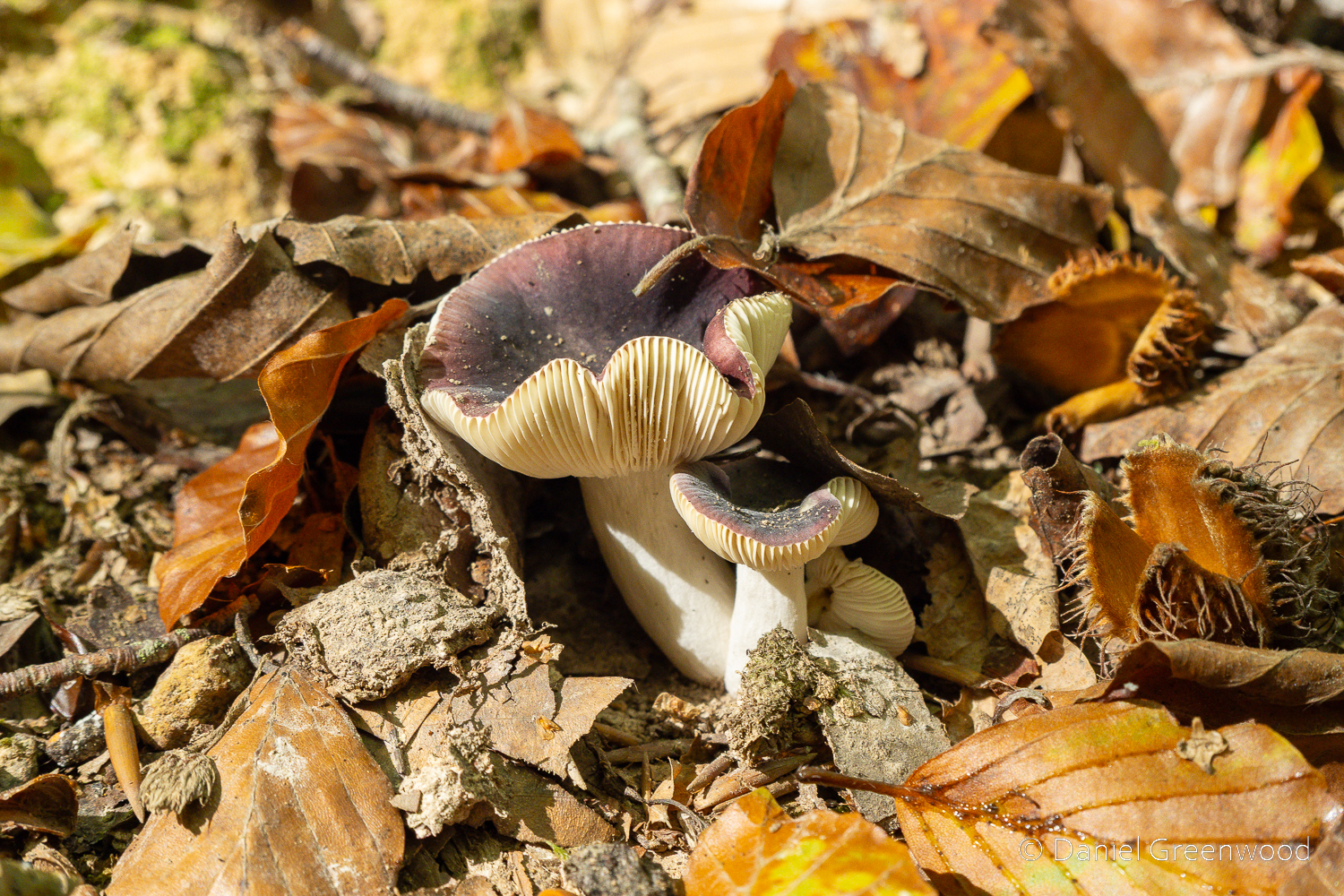
I wonder if these purple russulas are grinning, or what?
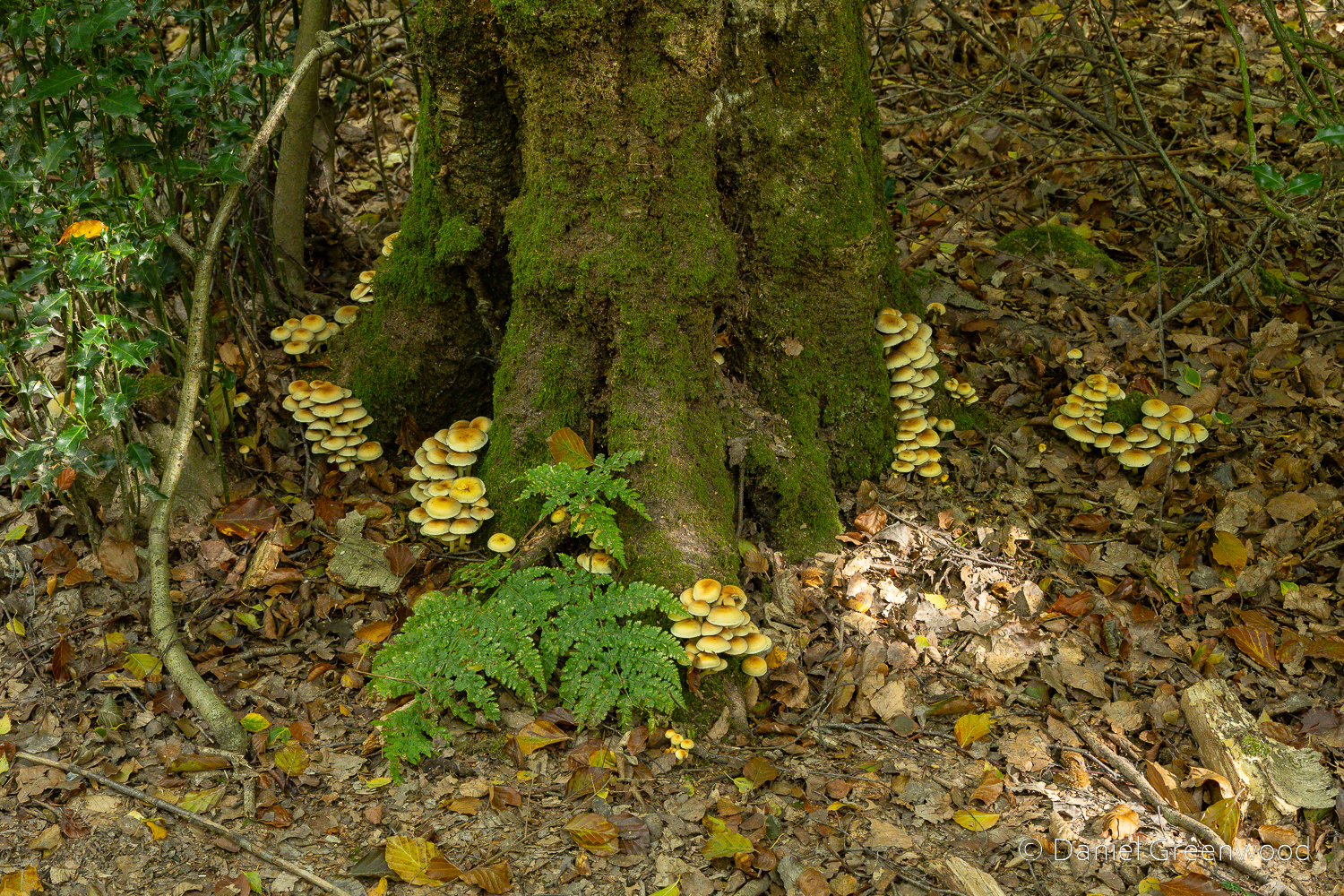
On my way out, I spotted this nice sulphur tuft scene.
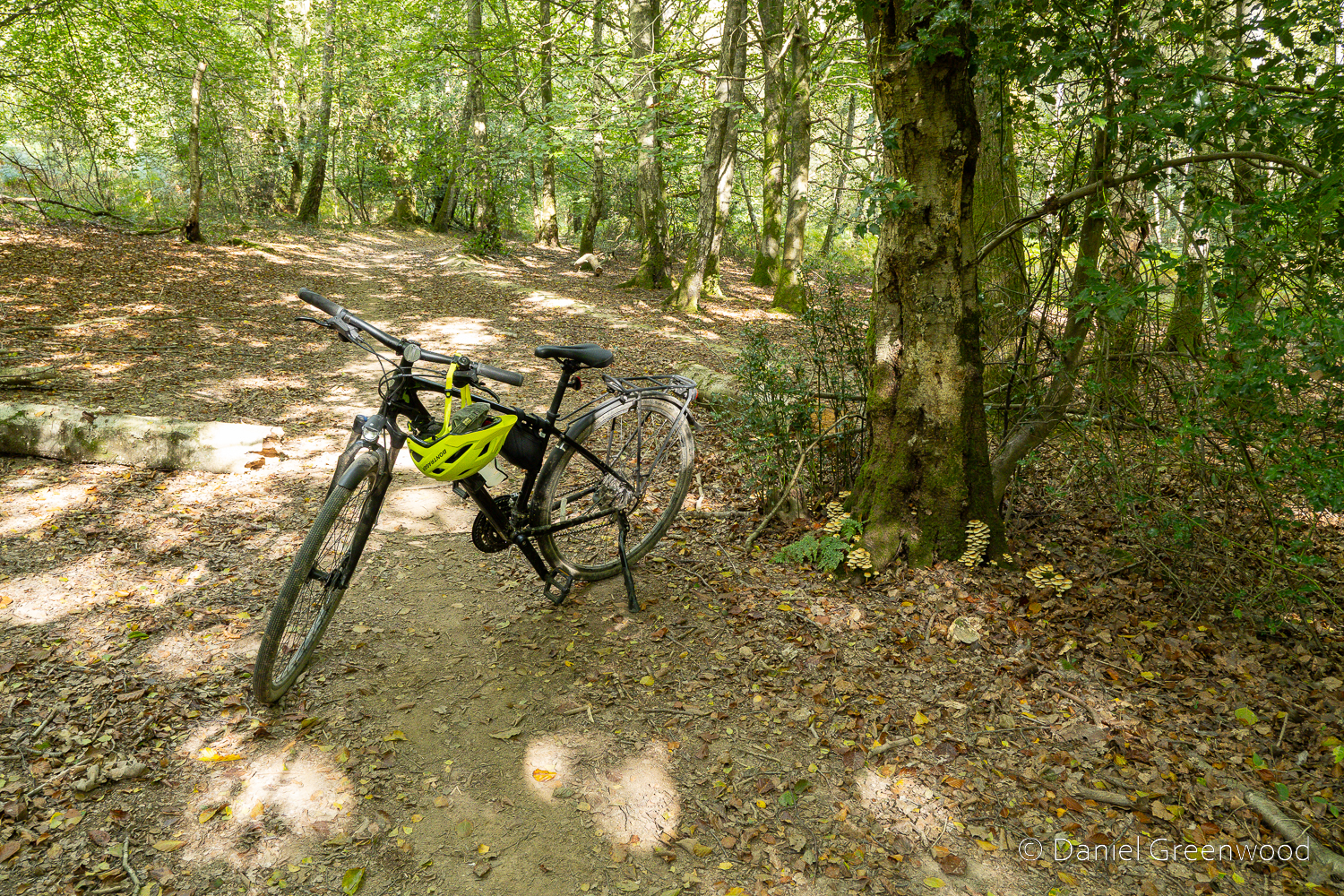
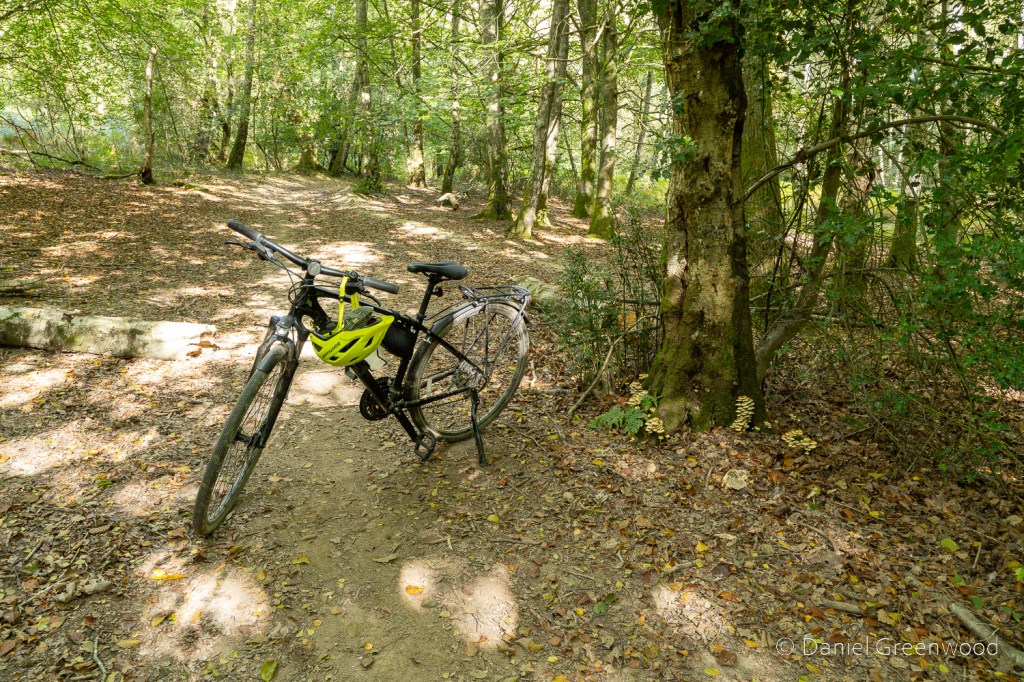
My bike wanted a photo with them.
Thanks for reading.


Leave a Reply