Cocking Hill to Bignor Hill, South Downs Way, West Sussex, September 2026
My mushroom finds from a very humid September day in the Central Downs of the South Downs National Park. The drought remained in south-east England at the time which had impacted the number and variety of fungi fruiting at the time.
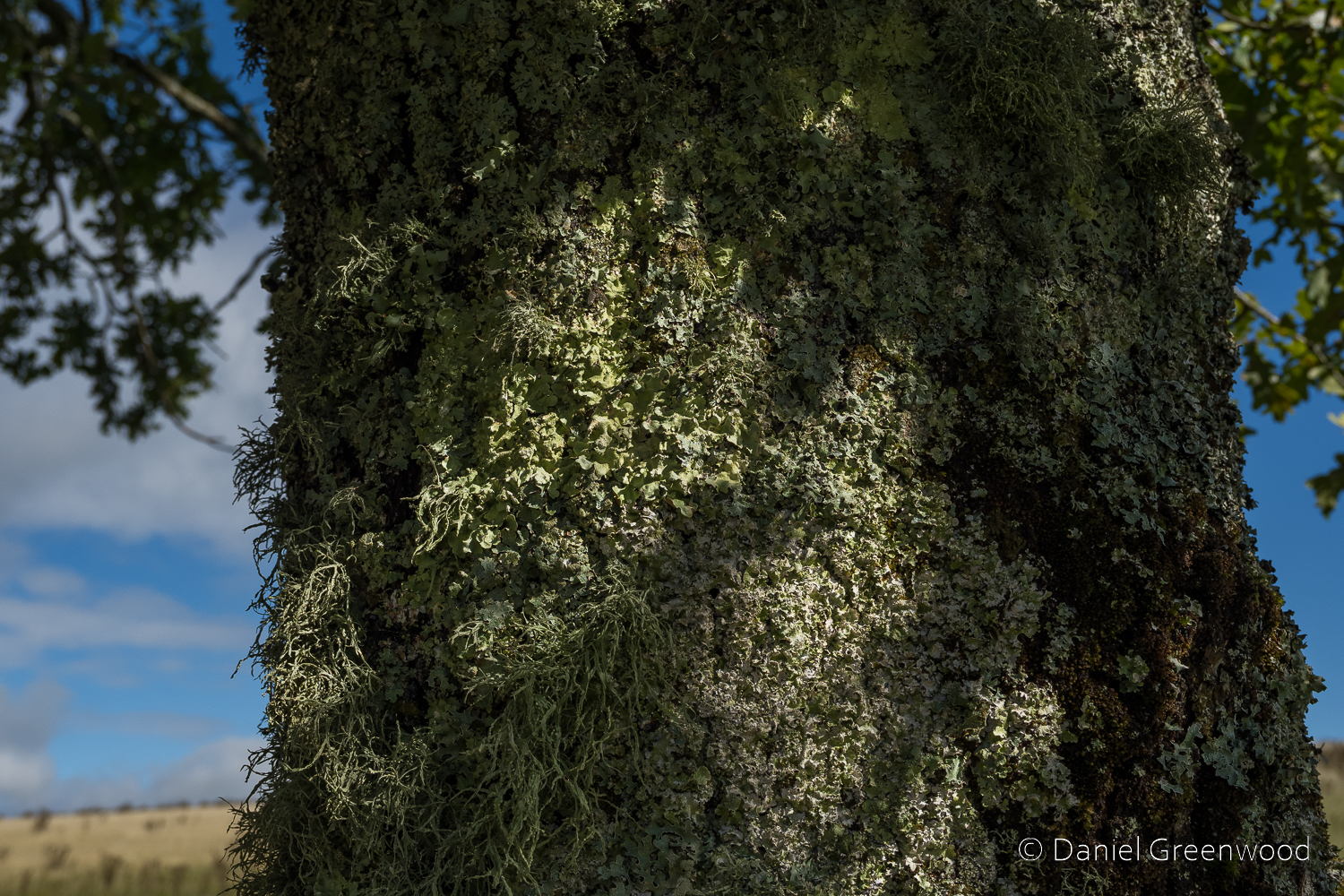
An indicator of the air quality on Cocking Hill was the range of lichens living on this oak tree along the South Downs Way.
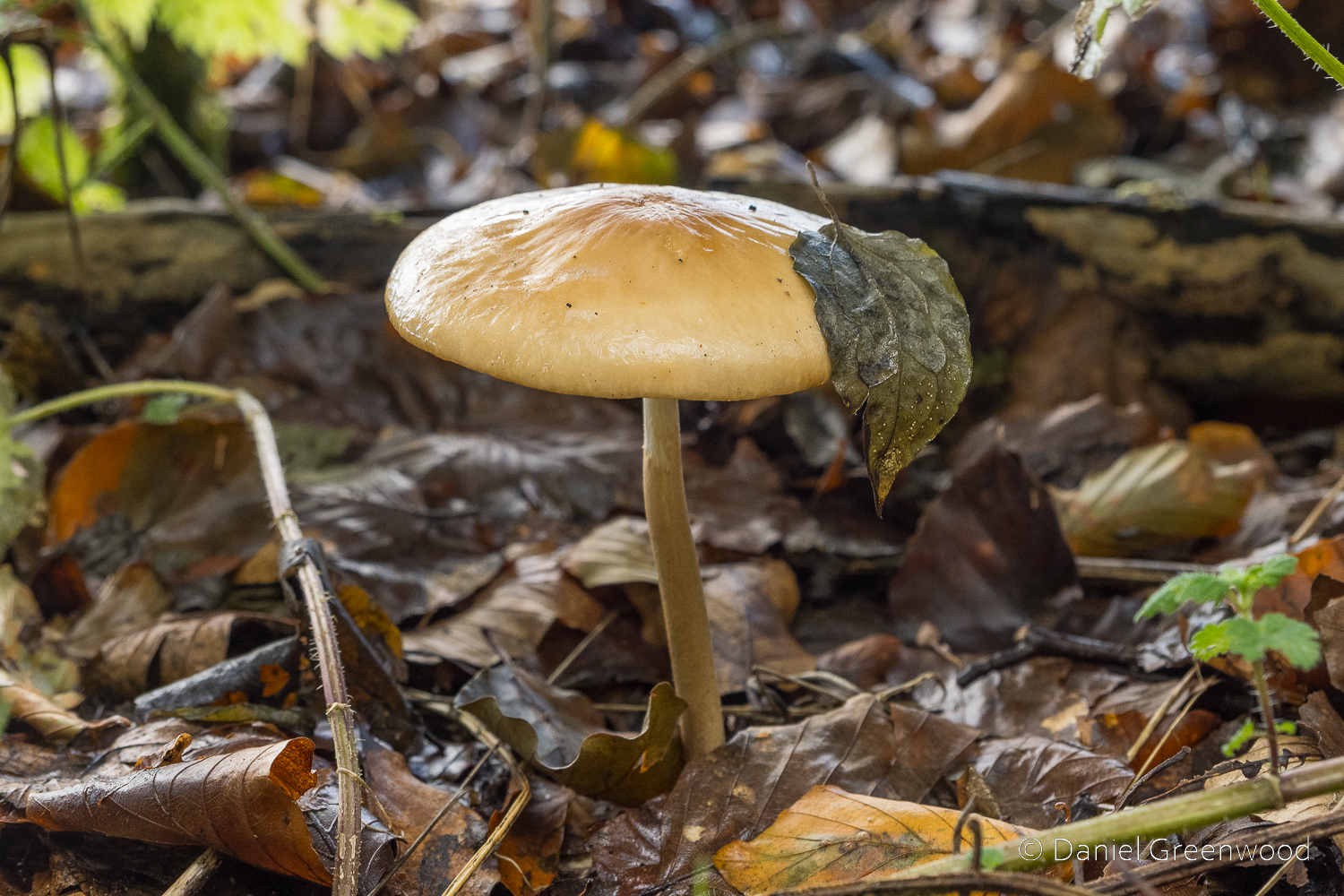
The first proper mushroom was this summery species, rooting shank.
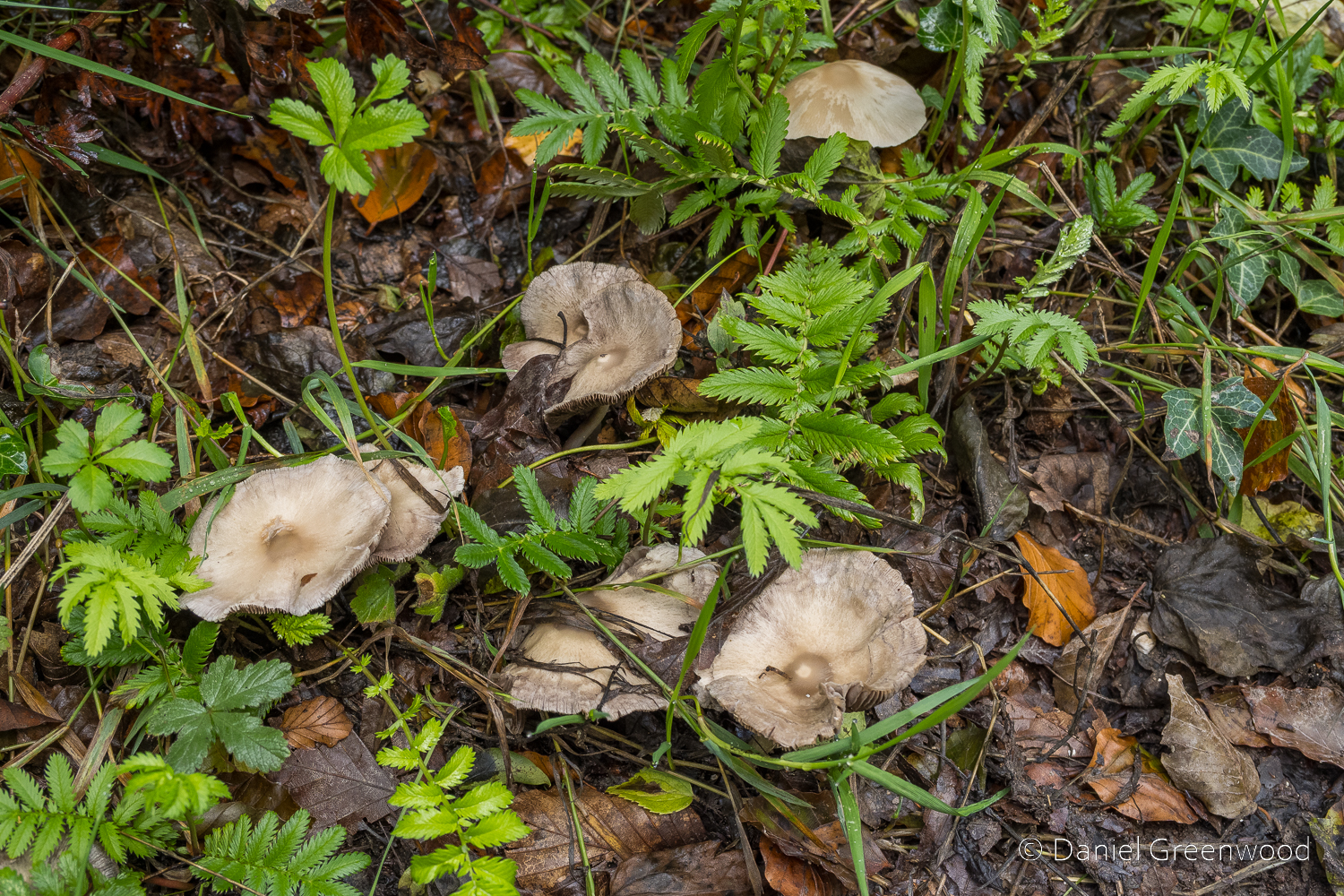
At the side of the path were these rather dank shrooms. I think they’re brittlestems in the psathyrella group.
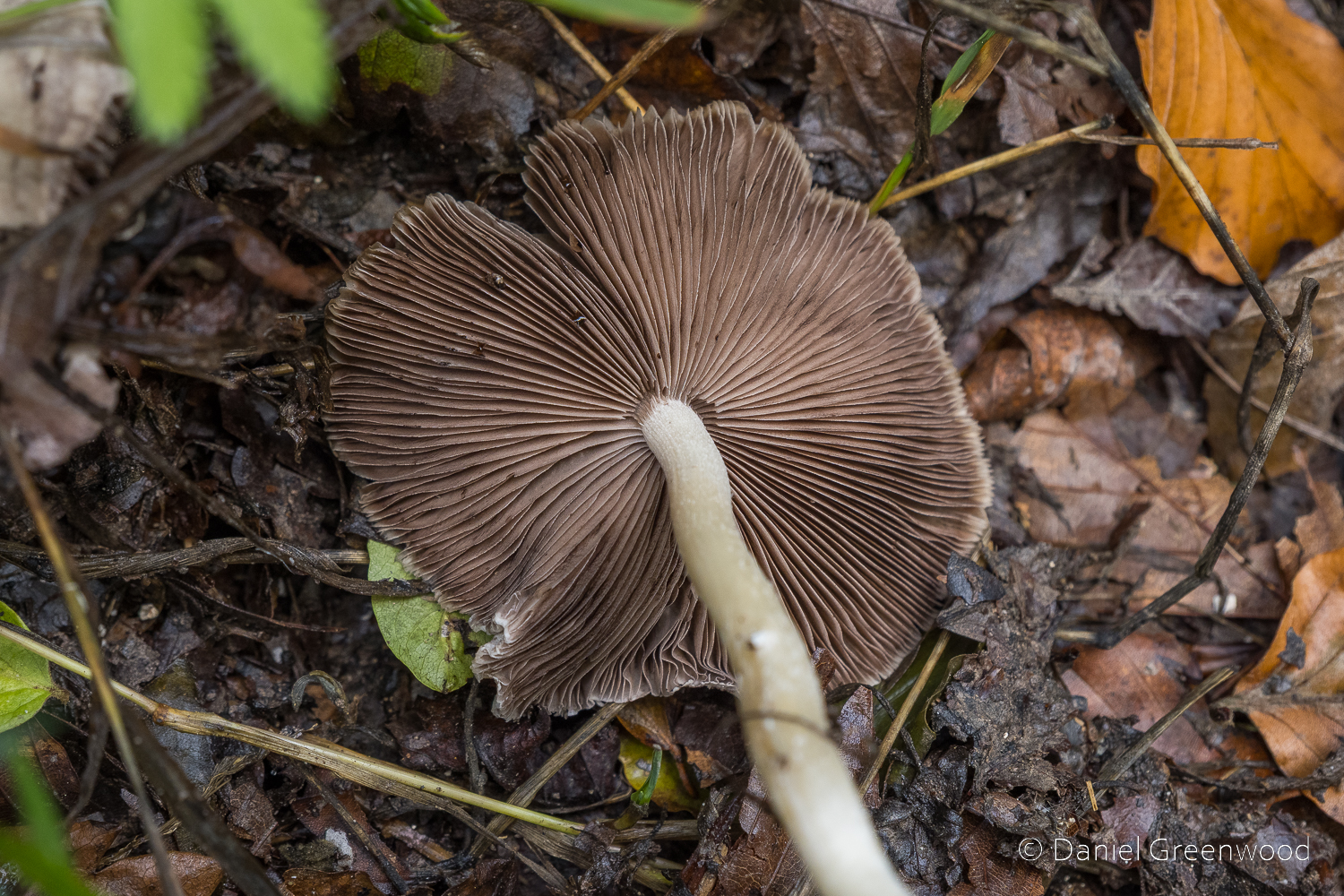
The gill was not as brittle as some, holding up to being plonked on its cap for a gill pic.
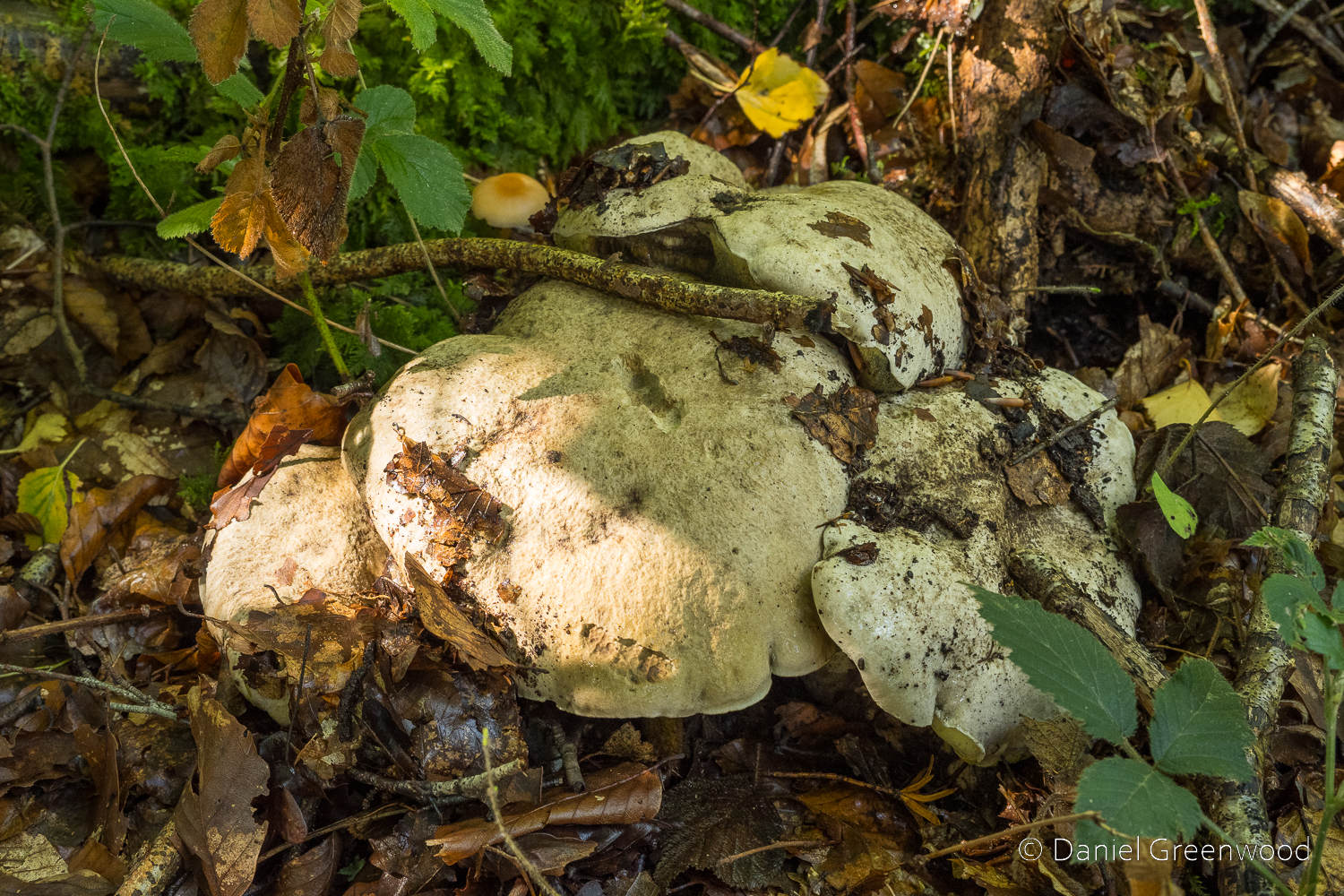
Now we were in proper late summer mushroom territory.
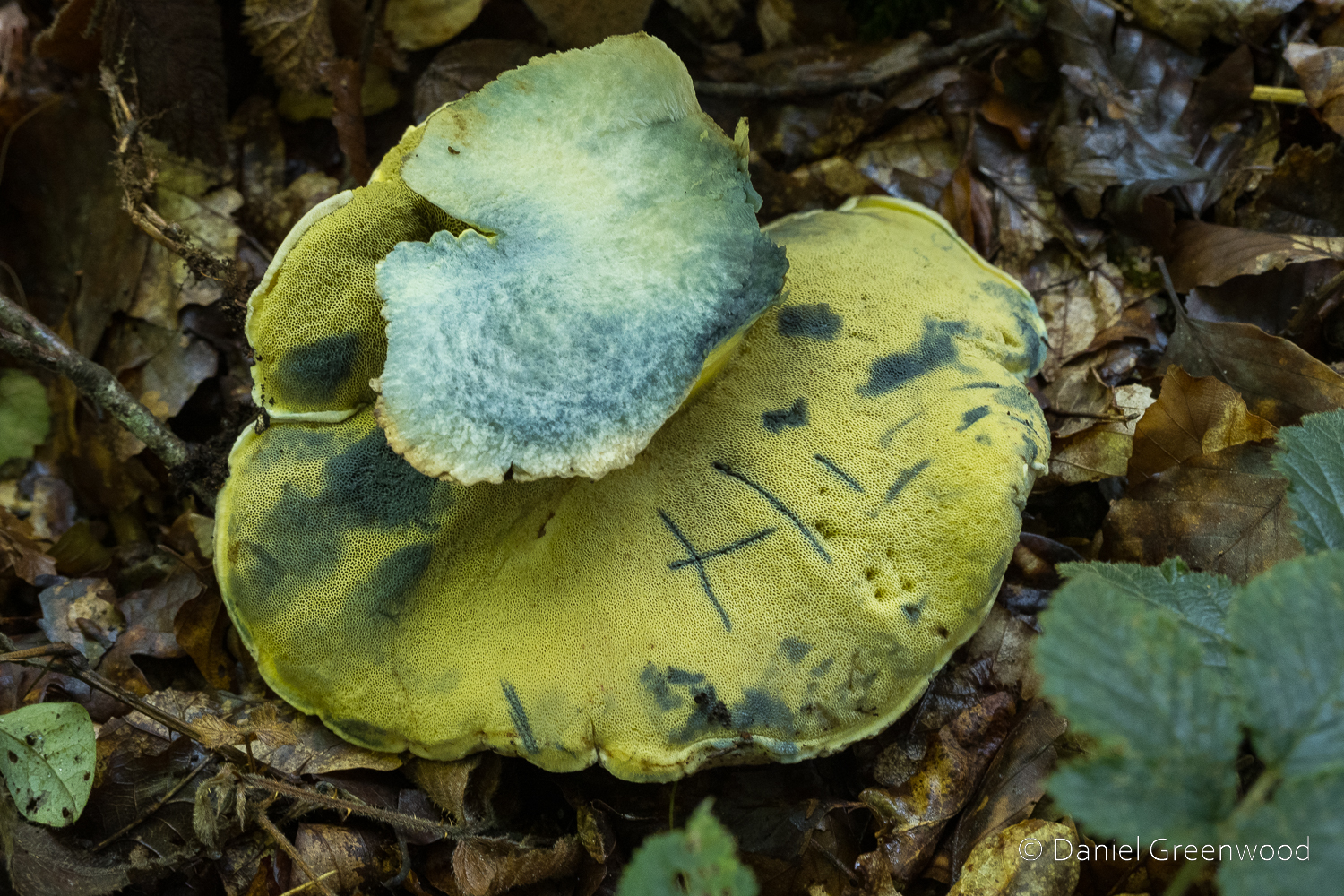
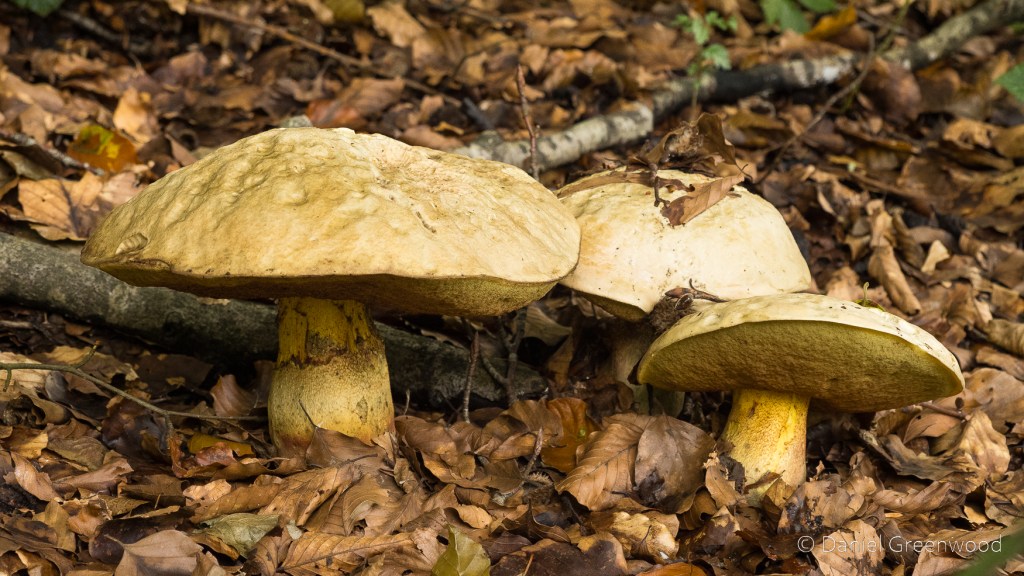
This is rooting bolete. It has yellow pores that bruise blue!
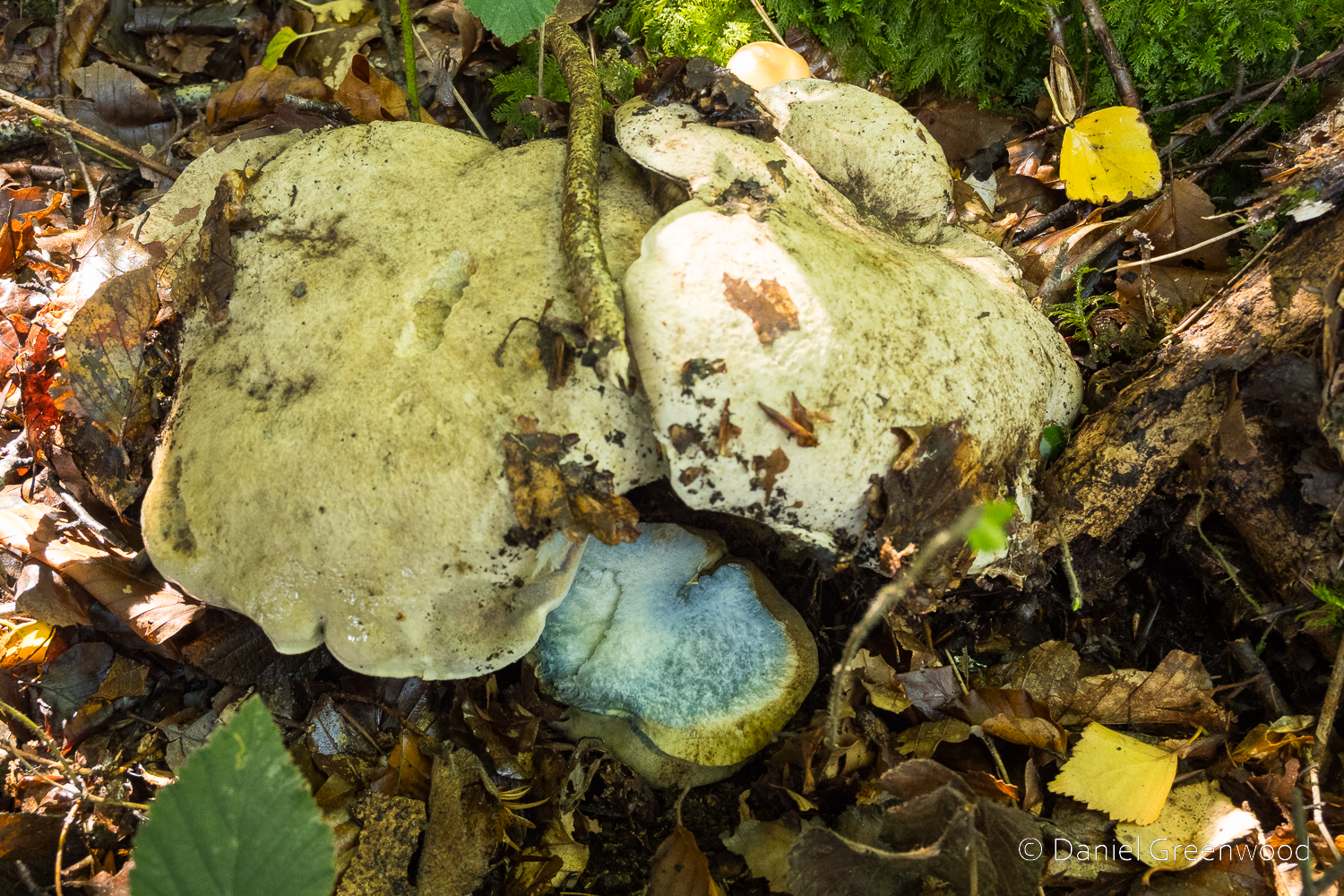
Boletes are beautiful and diverse, exhibiting different colours when bruised.
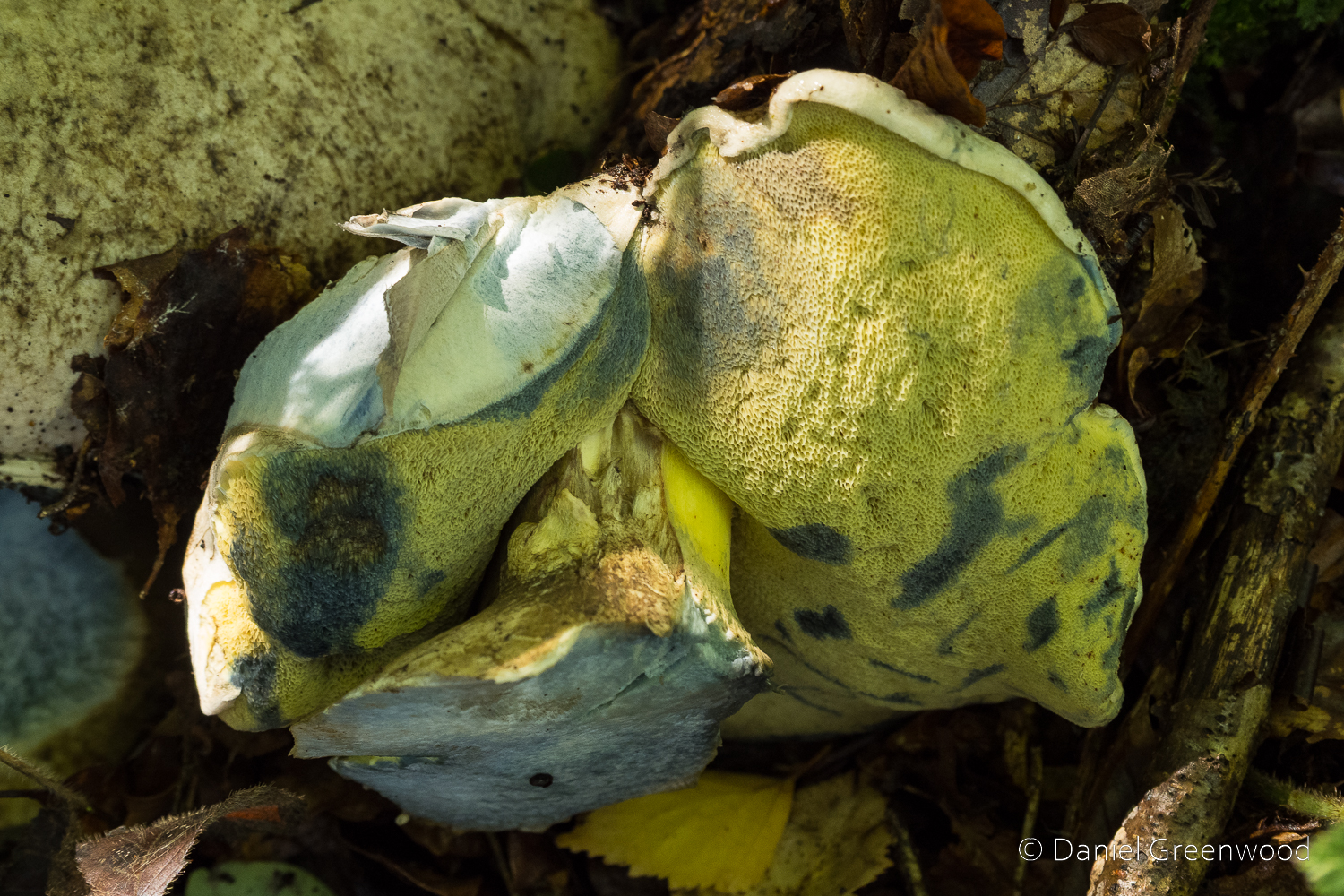
They are quite chunky and muscular.
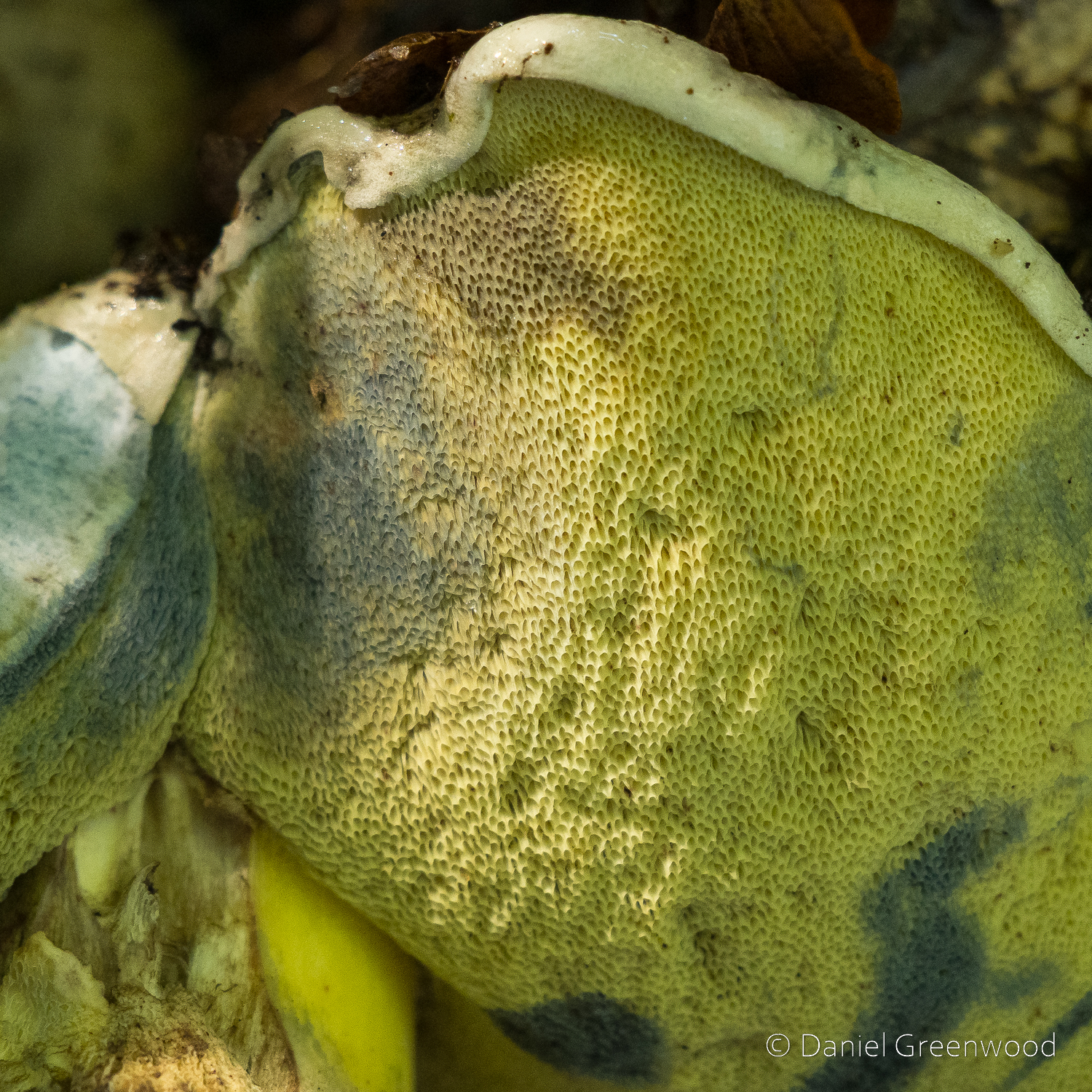
This gives a closer view of the yellow pores. The stipe is also yellow.
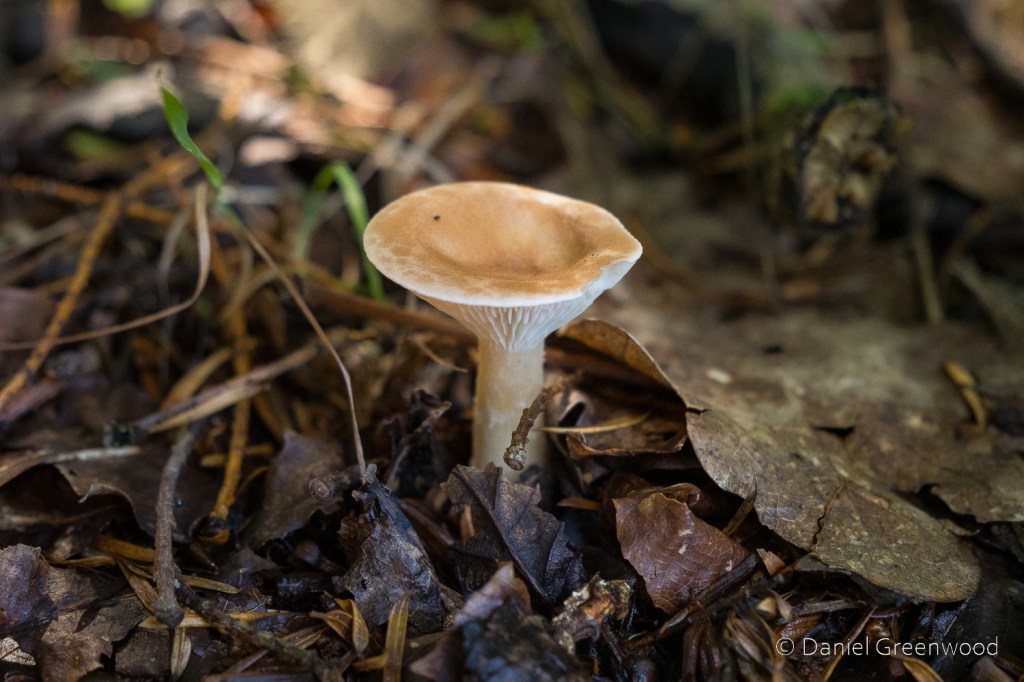
This lovely little funnel is likely to be common funnel.
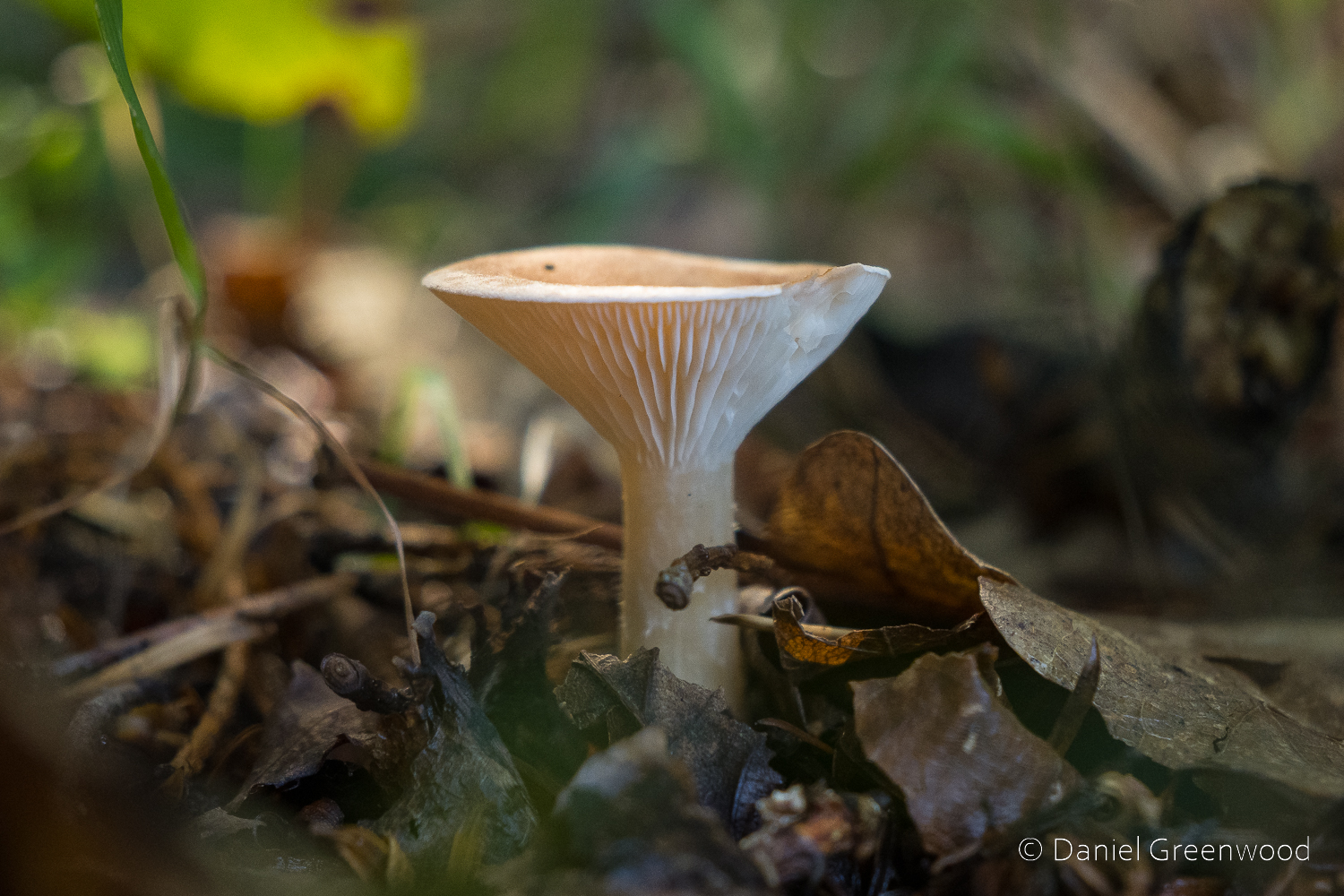
The light here is lovely, isn’t it?
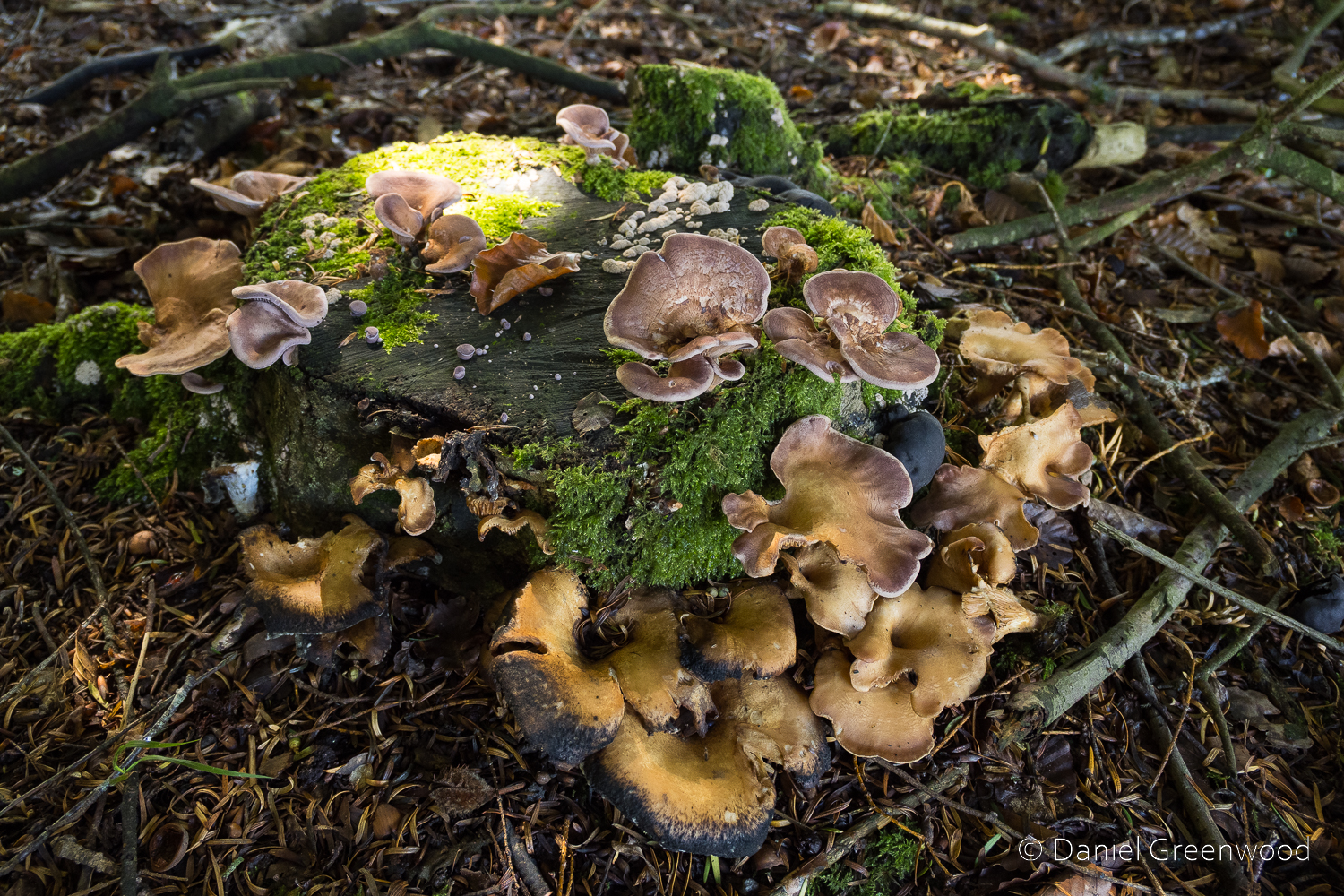
A dreamy little stump alive with fungi.
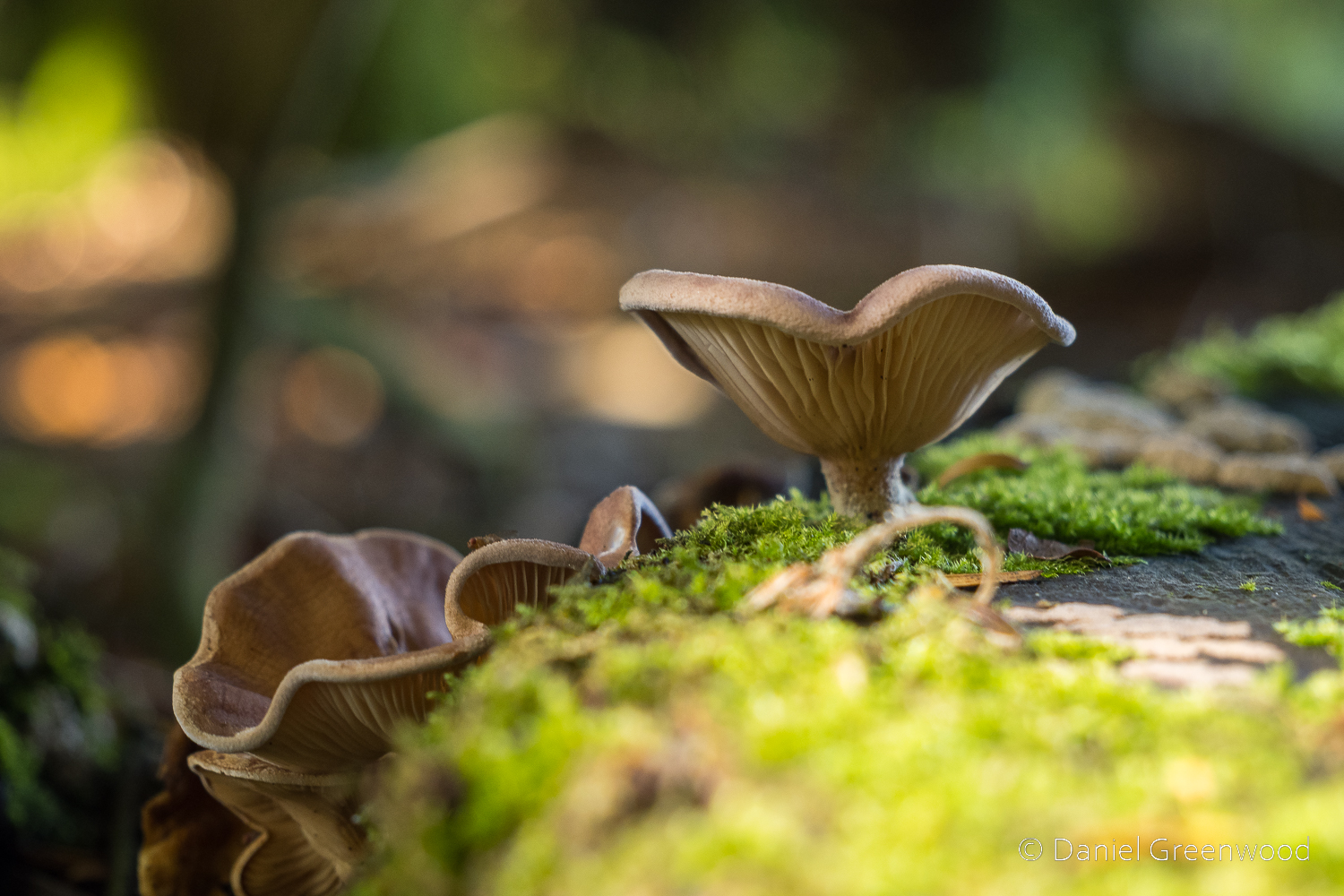
Here I have chosen to focus on the lilac oysterling, which I’d only seen once before.
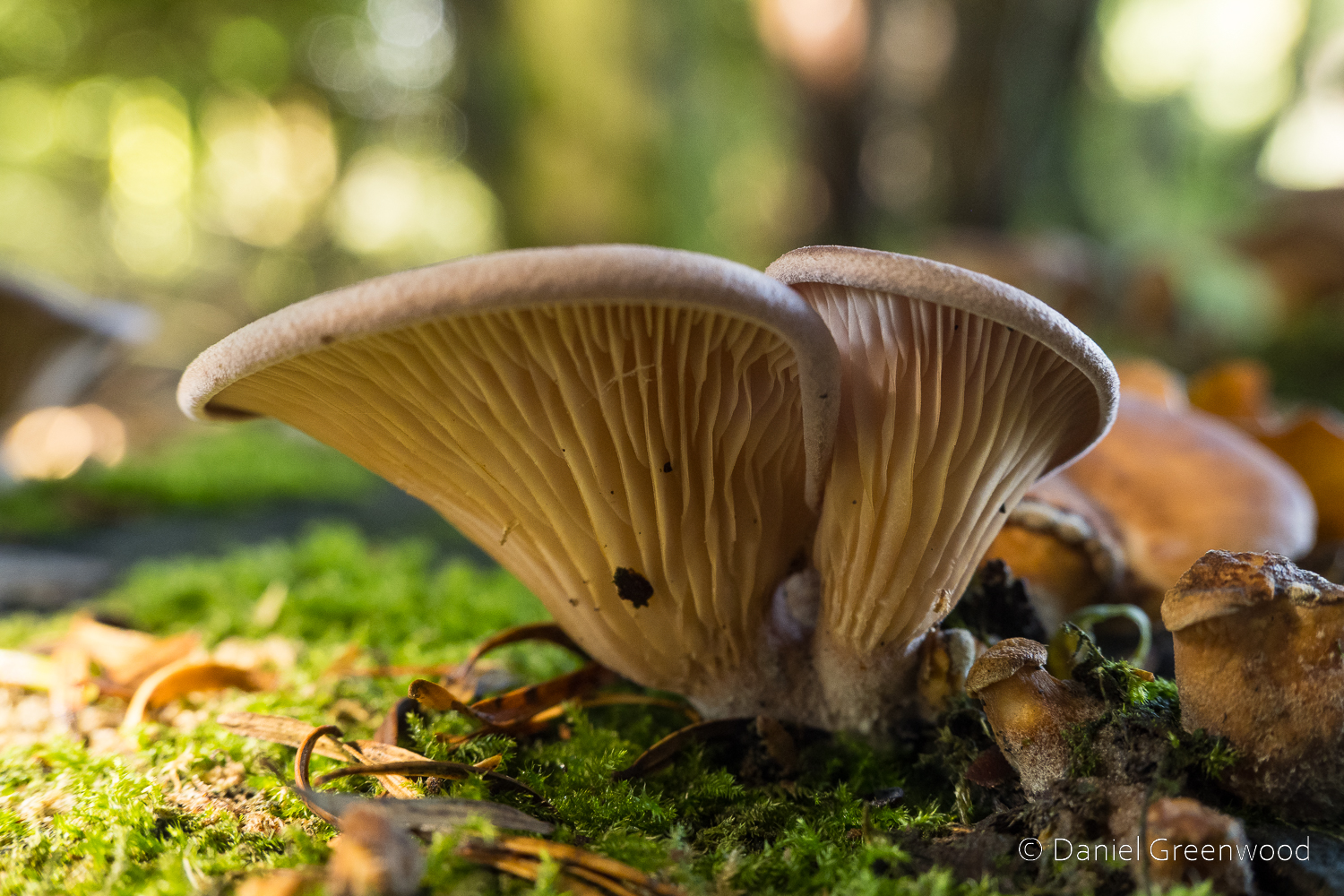
The light again is very nice. It was quite dark in this area so I had to take the pic at a very slow shutter speed.
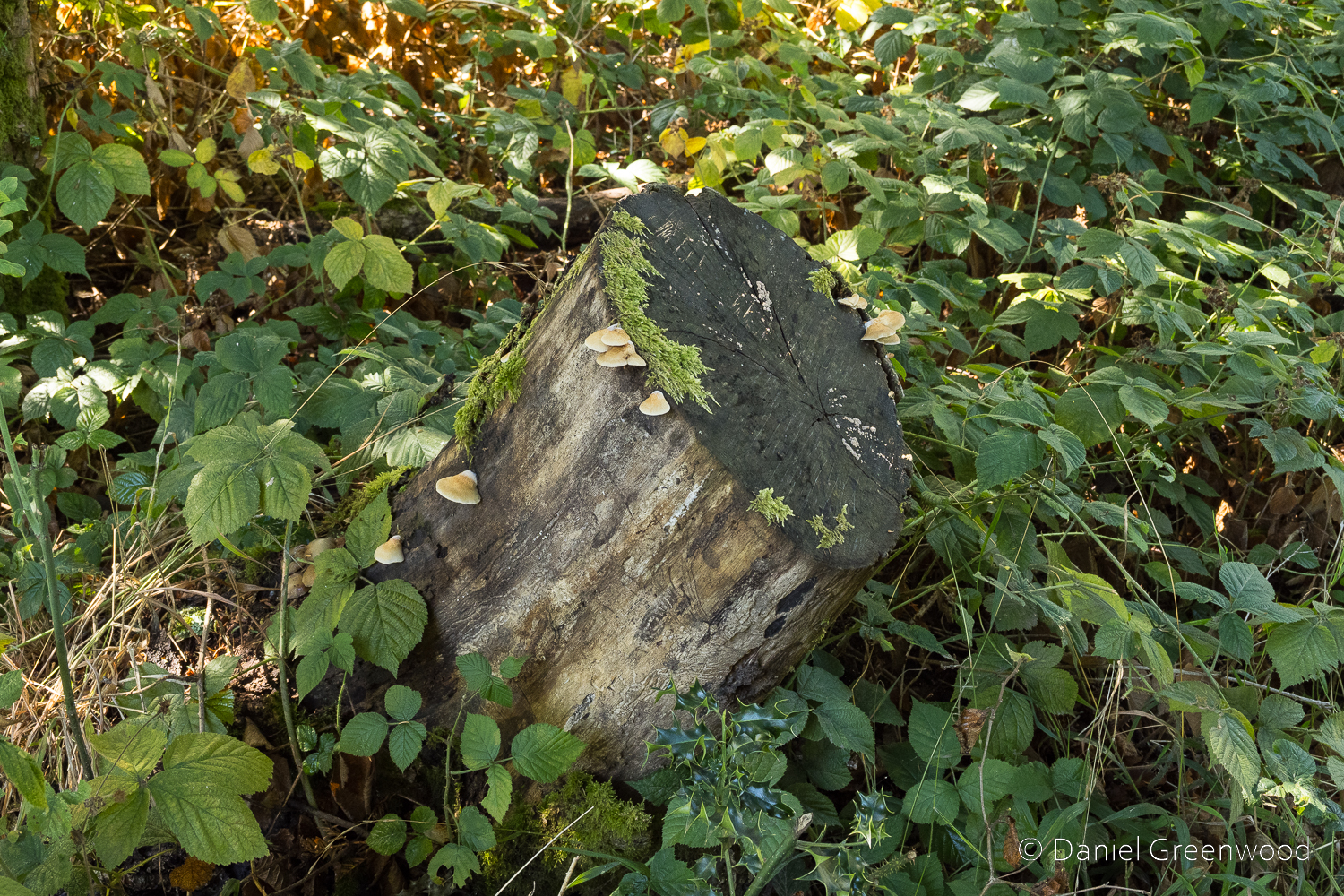
Another welcome stump was a few yards away.
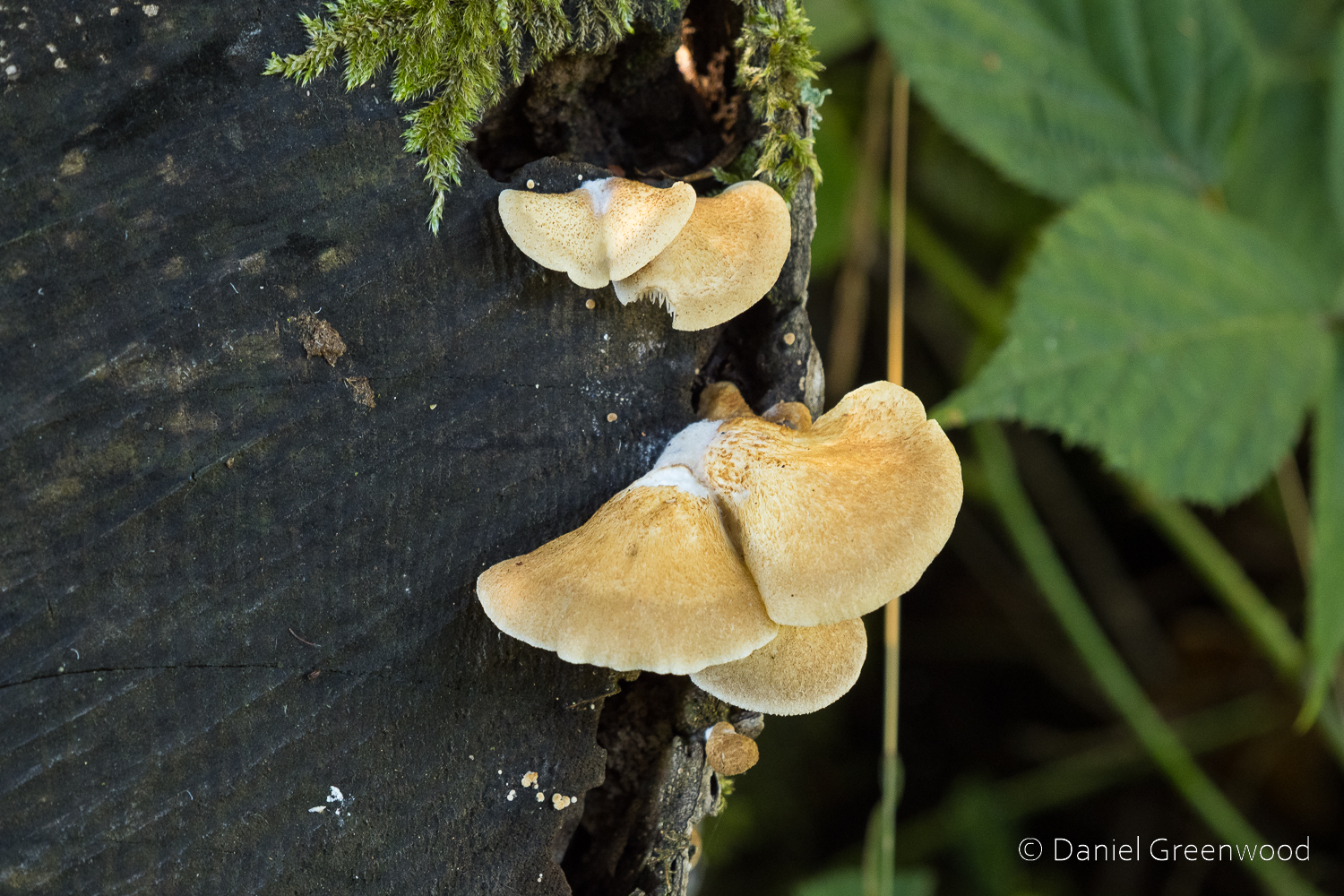
These are more oysterlings, but I’m not sure whether they’re peeling or scaly oysterlings.
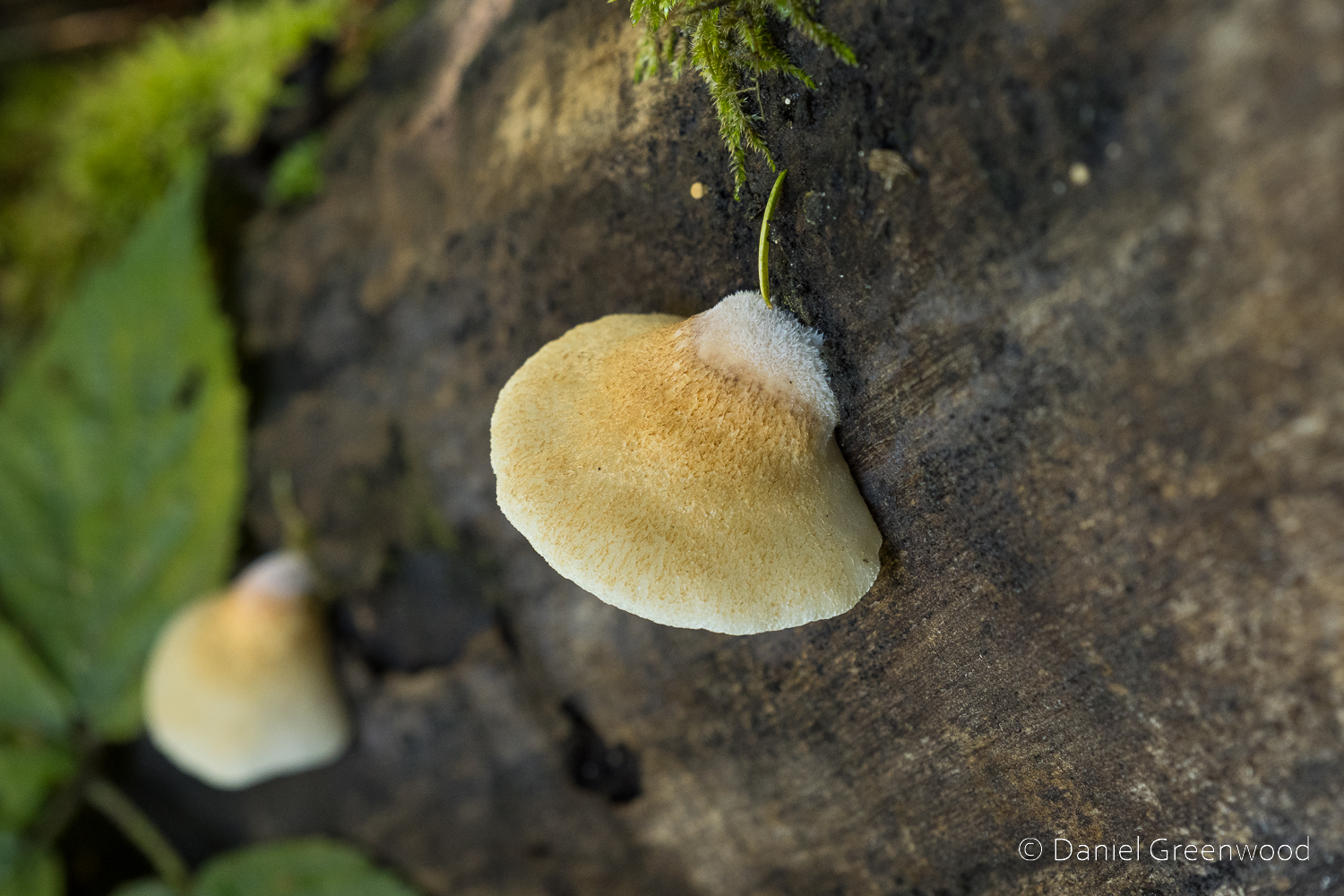
Looking at photos, they appear more like peeling oysterlings (Crepidotus mollis).
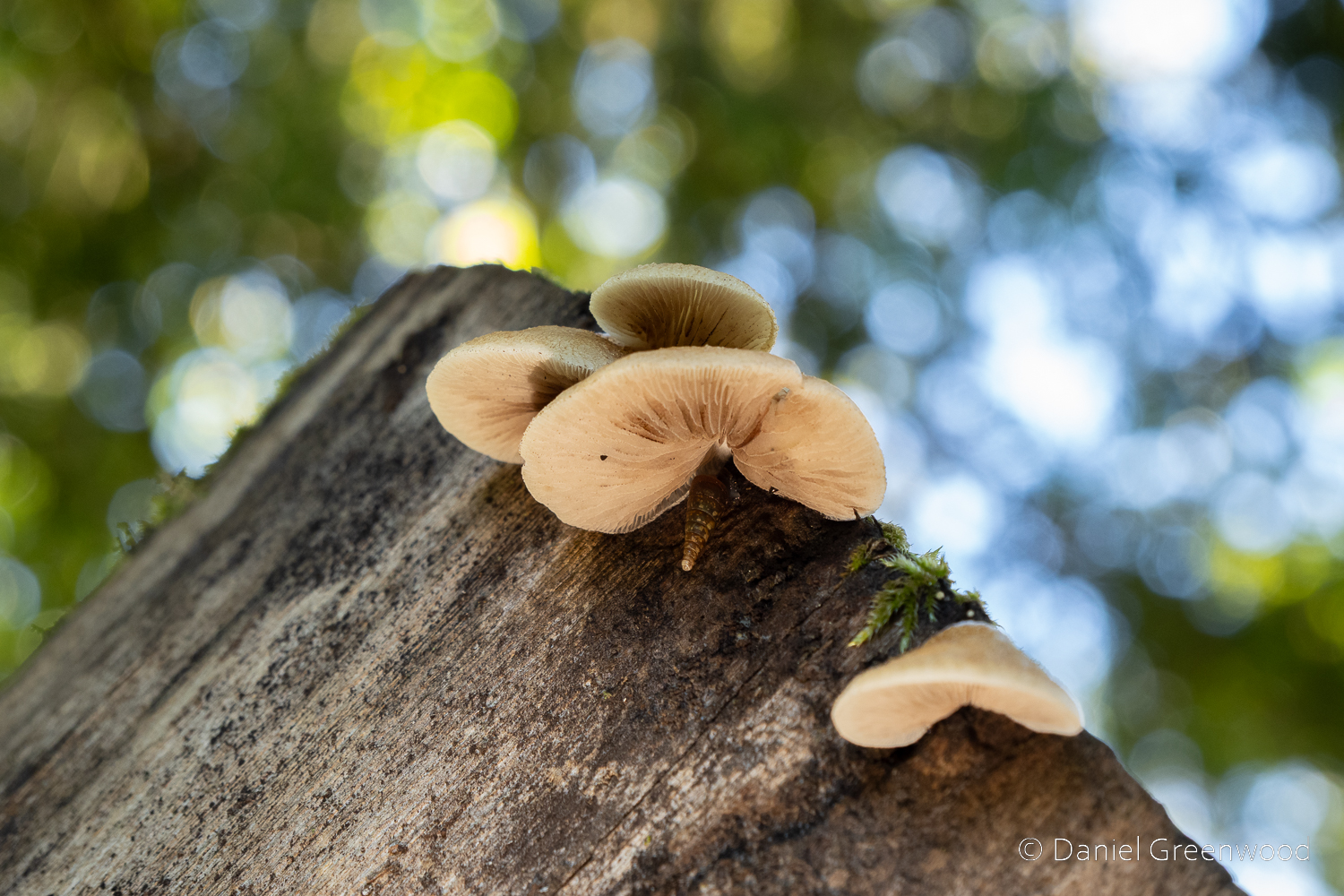
This oysterling appeared to have a tail.
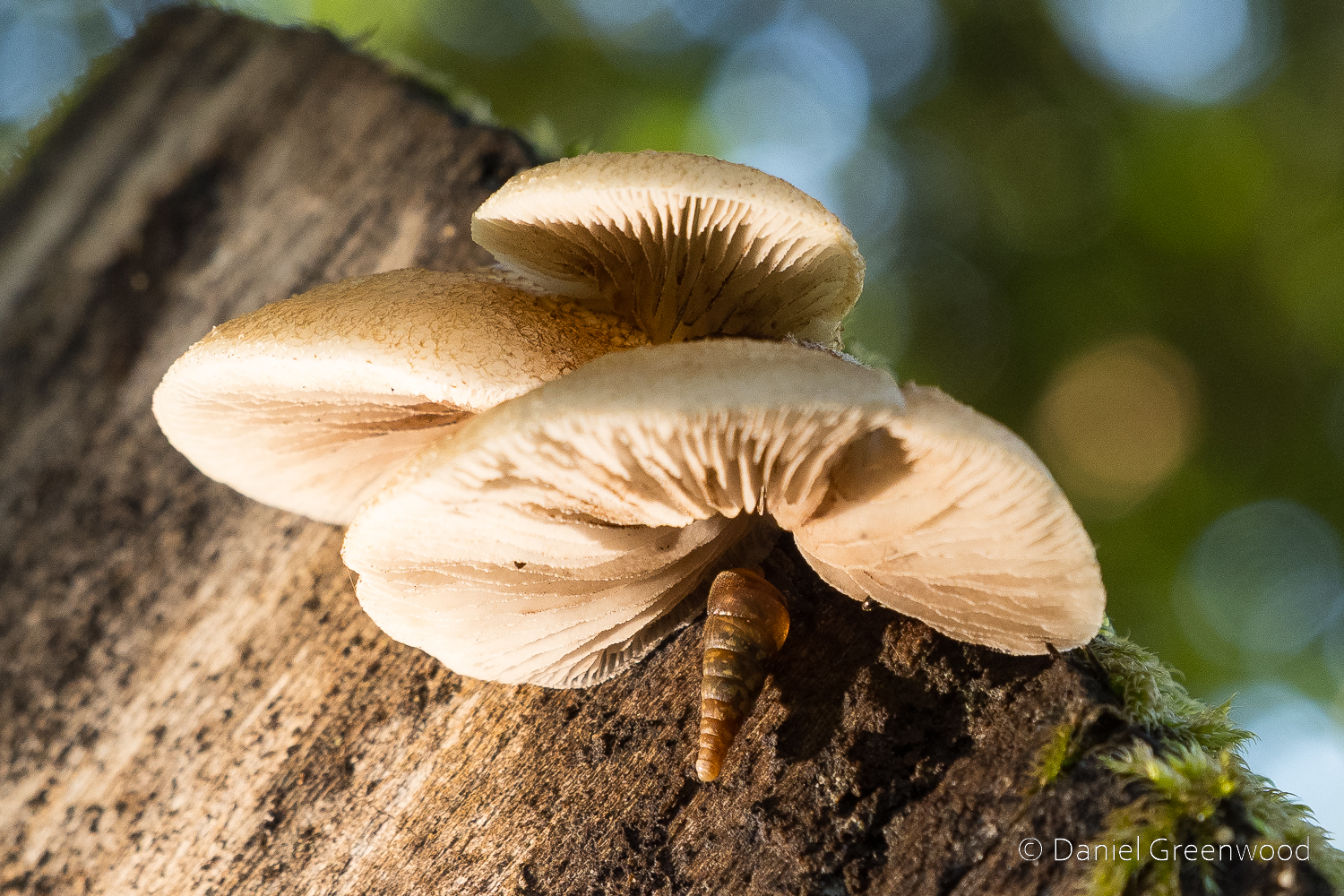
On closer inspection it was in fact the shell of a snail. That’s a decent roof over one’s head.
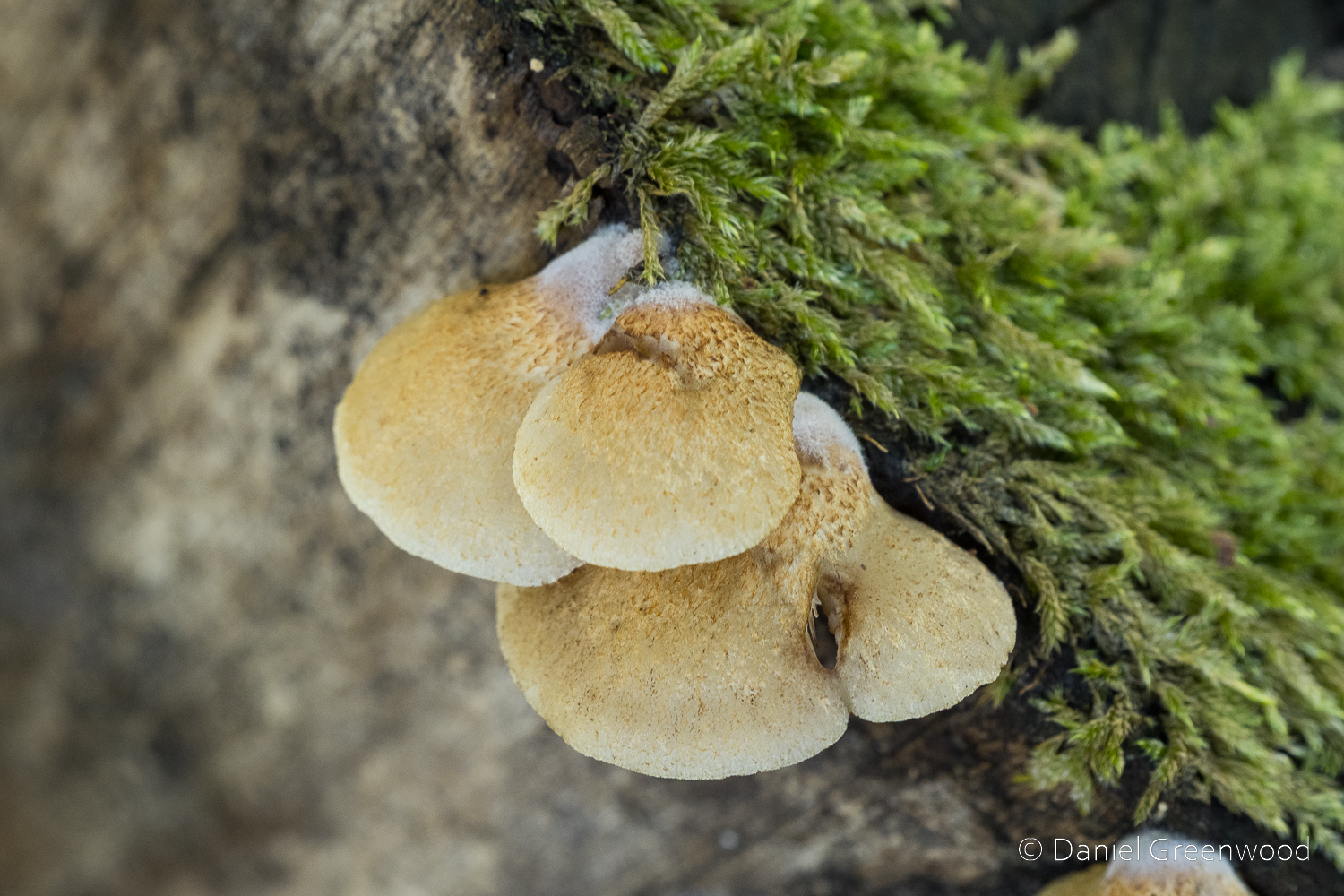
I appreciate them, but not how scaly these ones now appear…
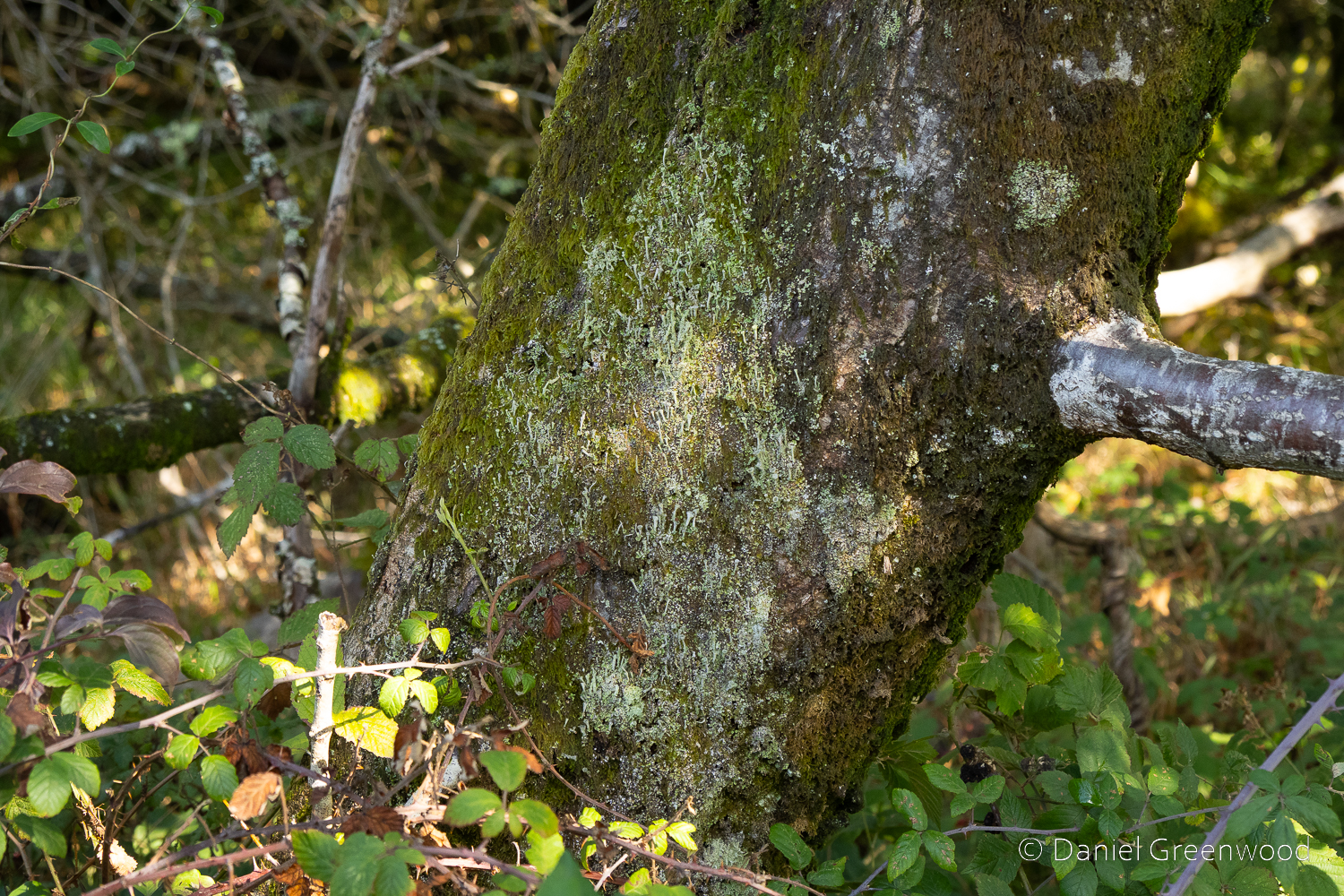
A tree trunk of cladonia lichens, away from the path.
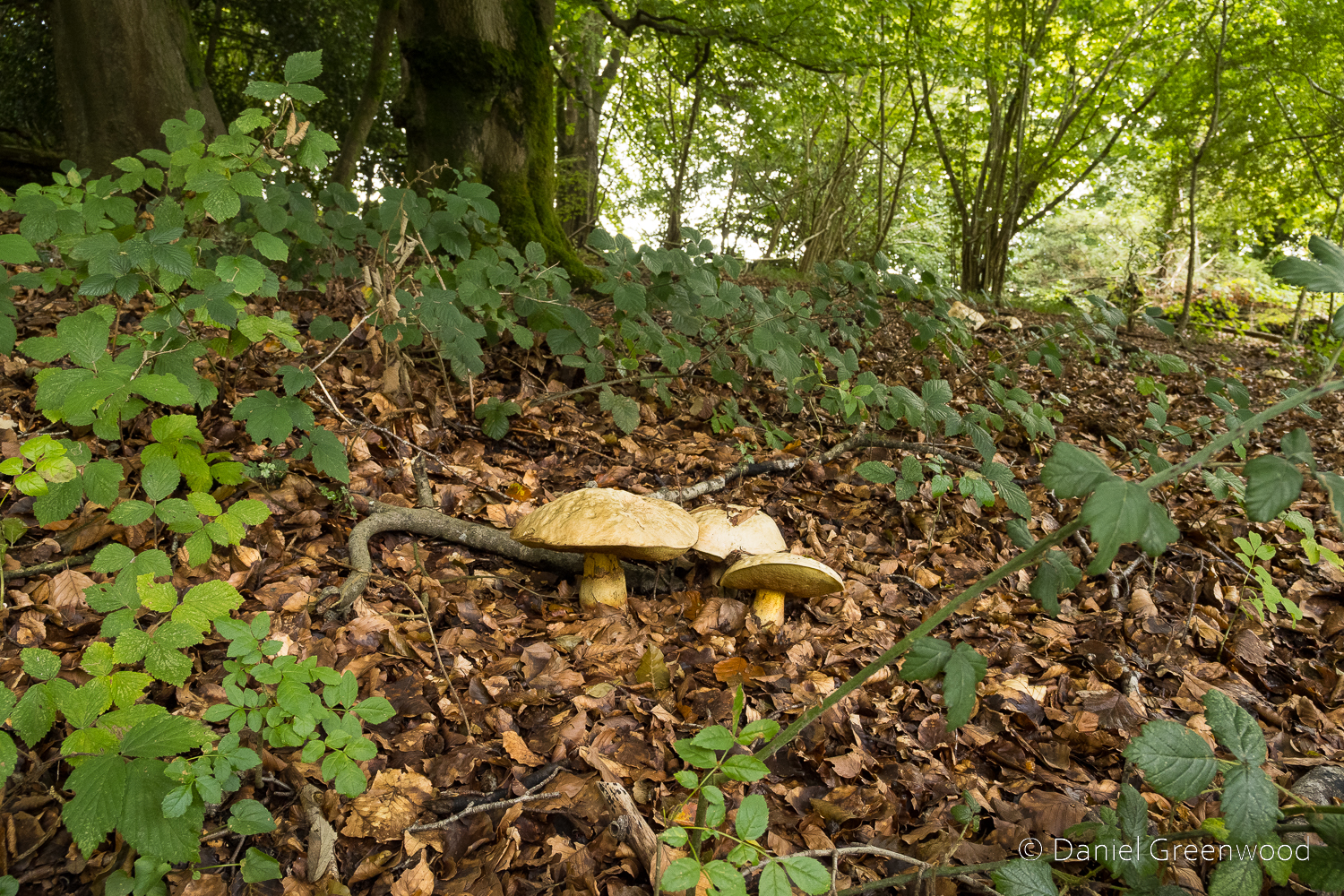
After a stretch of arable walking, a pocket of beech woodland provided a view of more rooting boletes.
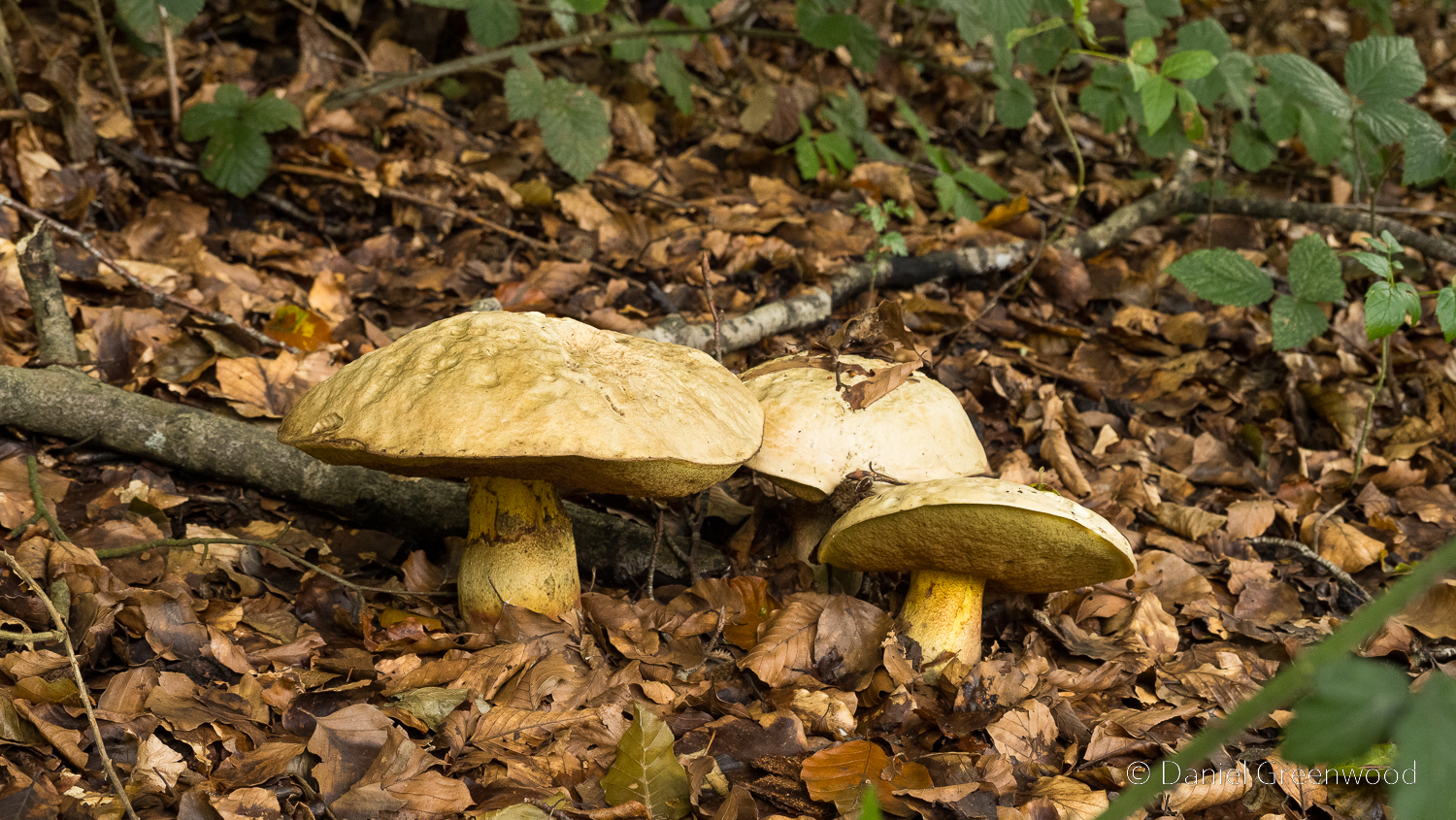
A splendid autumn view.
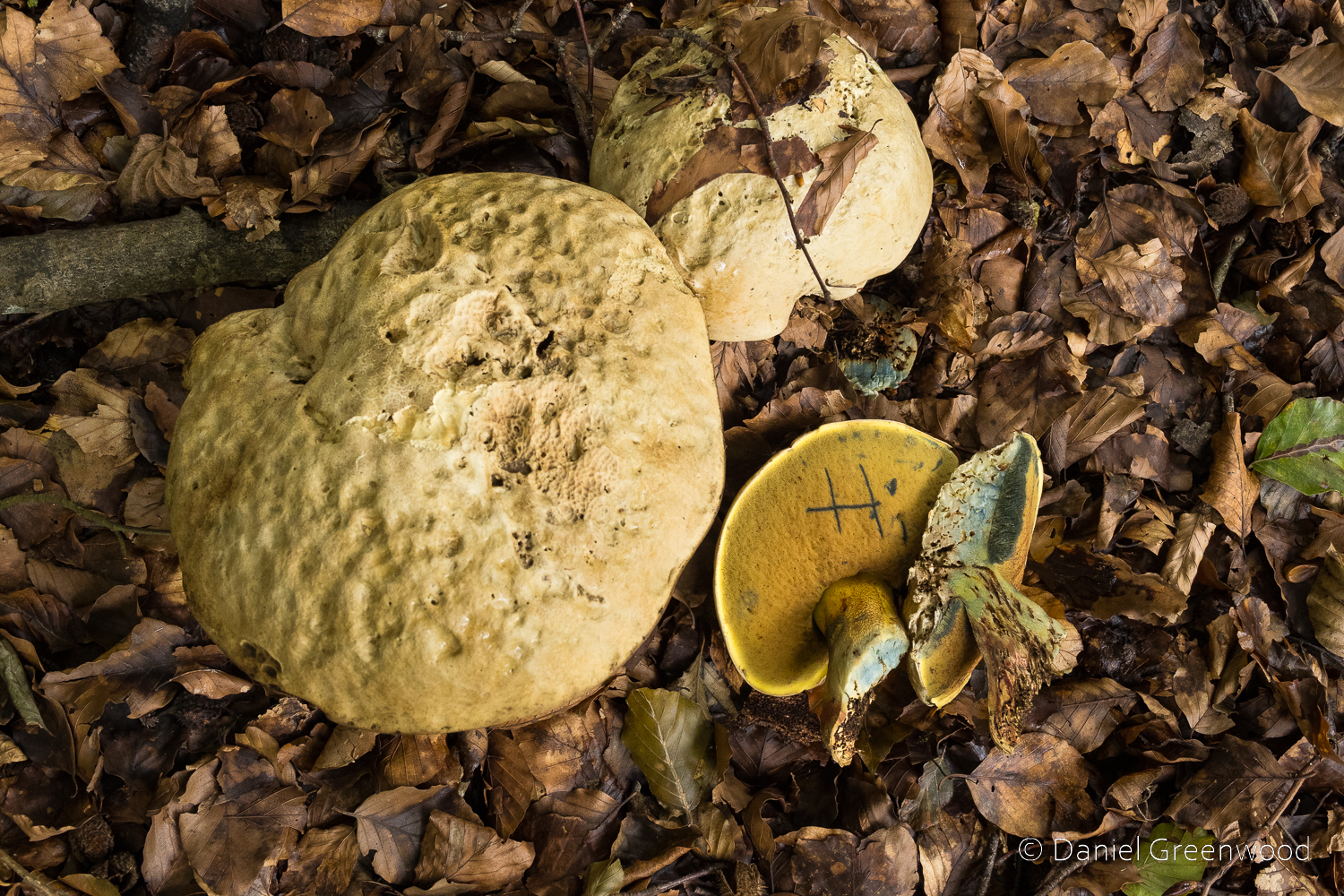
People may not always say hello on the South Downs Way…
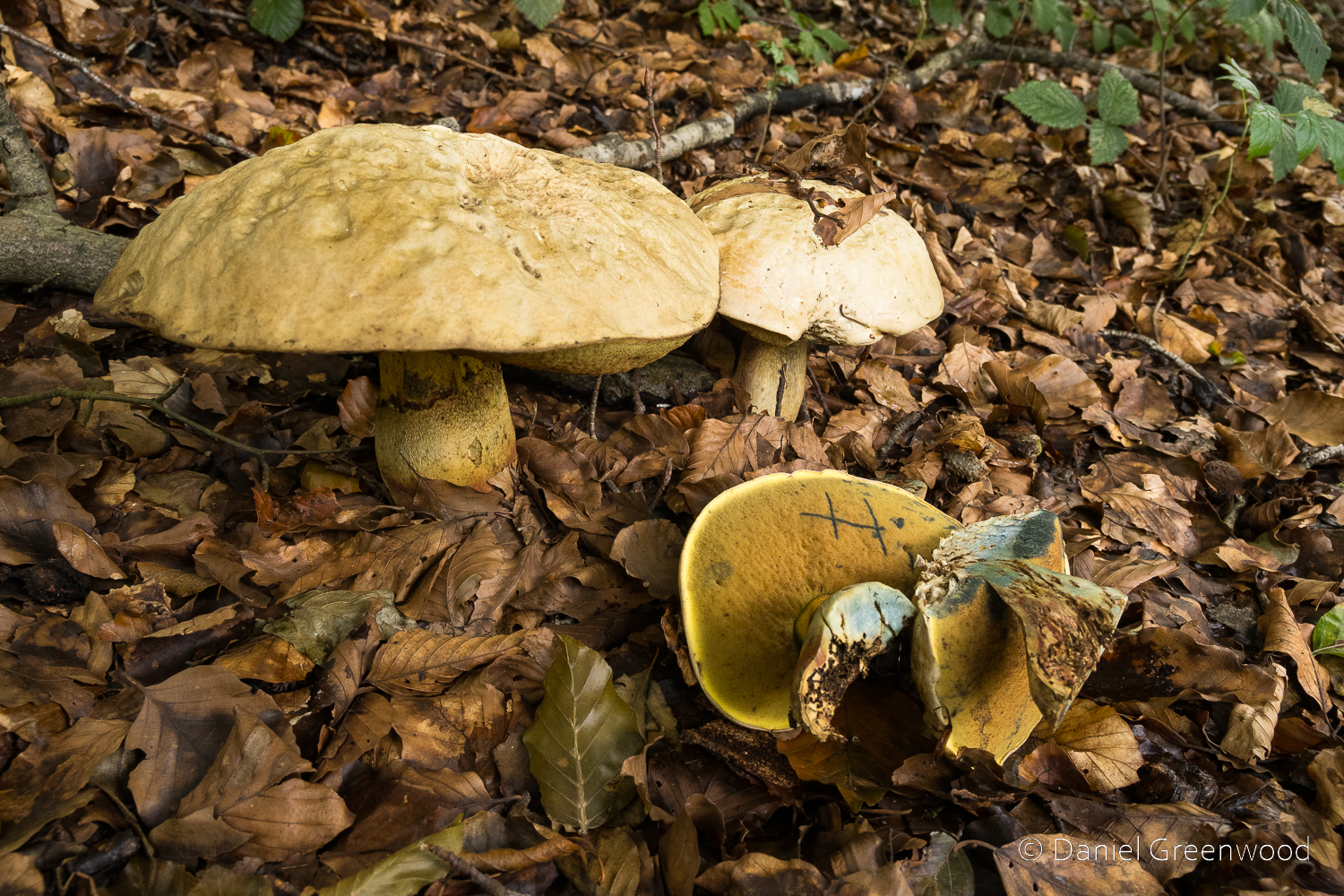
…but the mushrooms do!
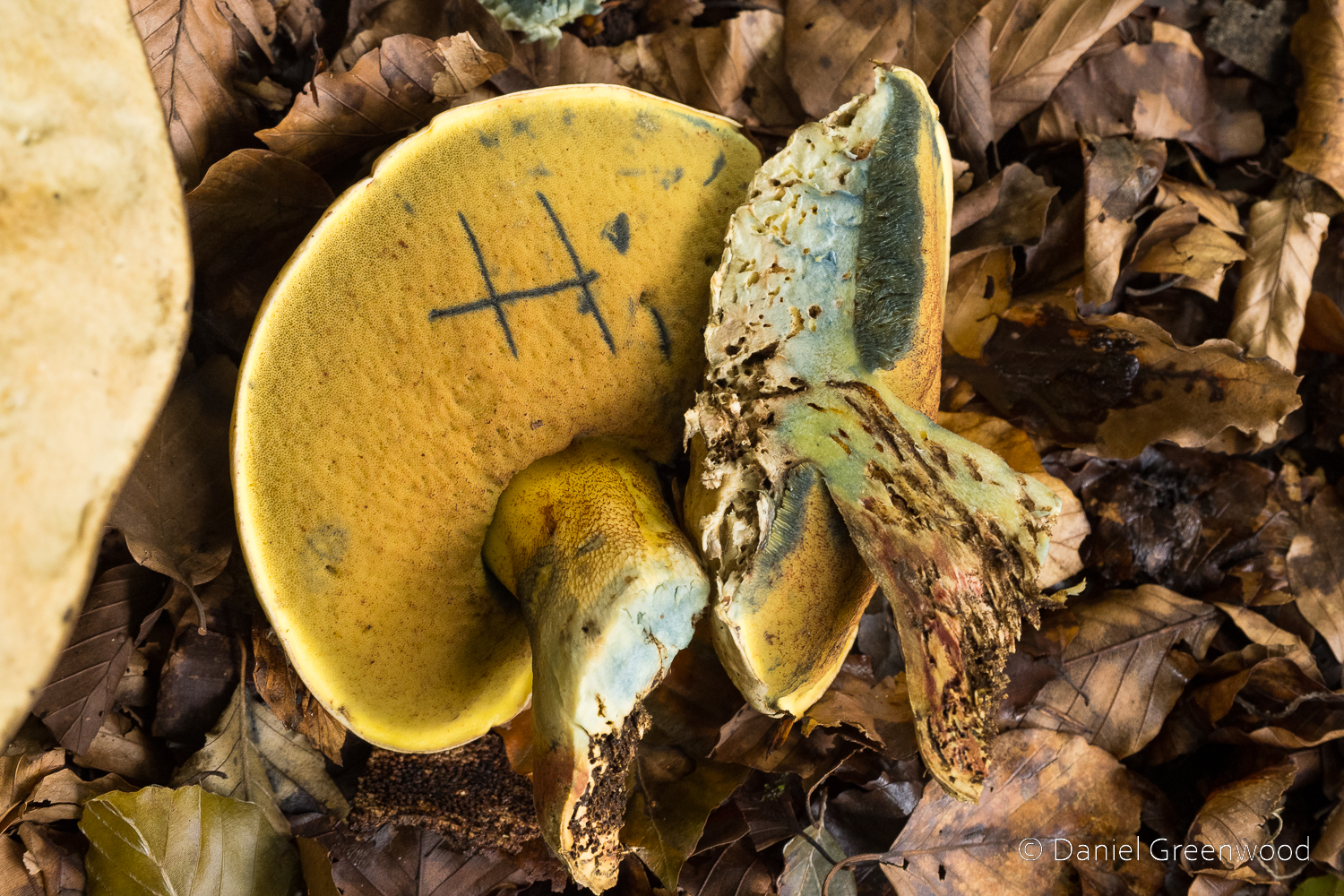
Look at the decay on the stipe and cap where invertebrates have burrowed their way in.
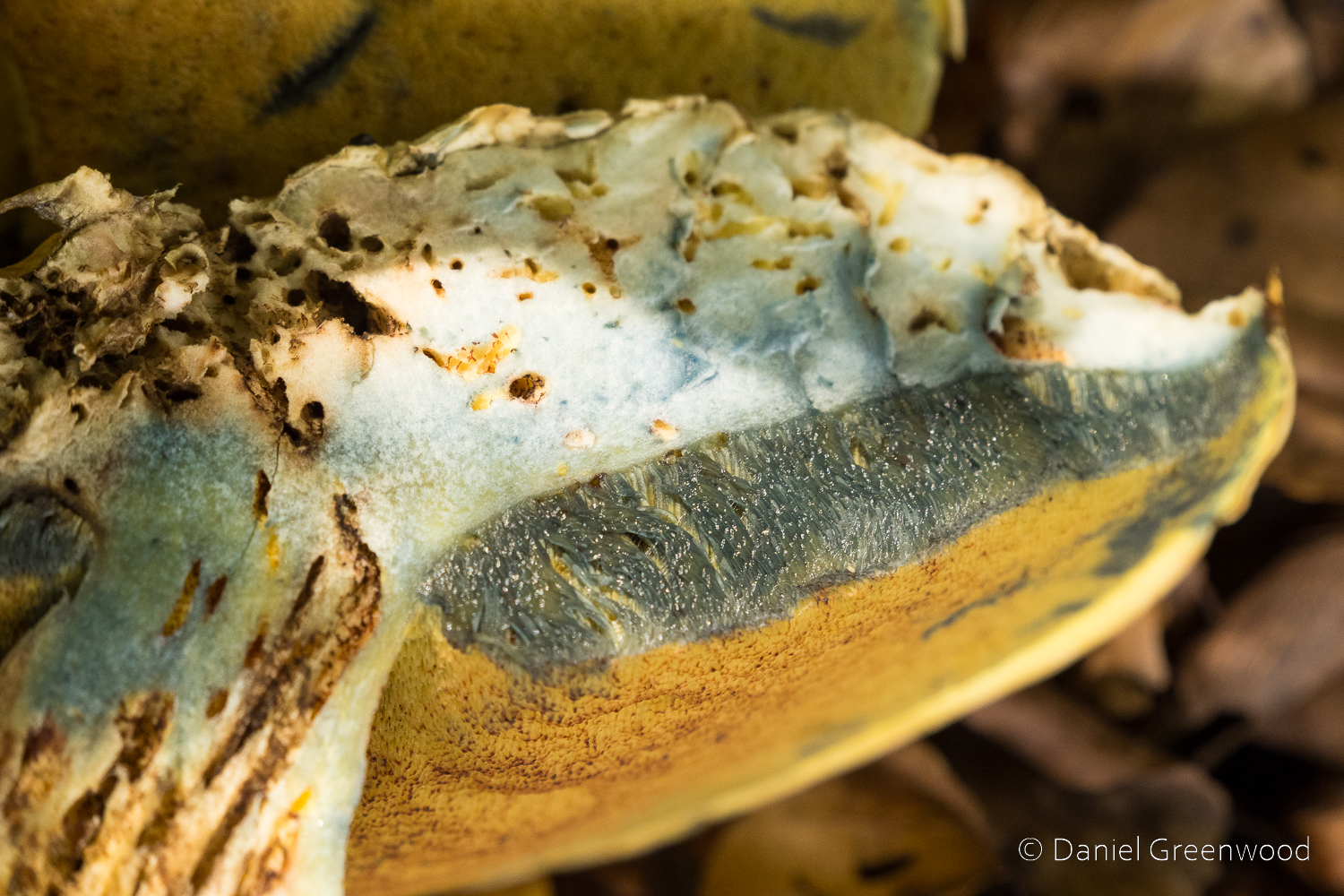
The blue bruised pores look like whale teeth or some kind of jelly sweet.
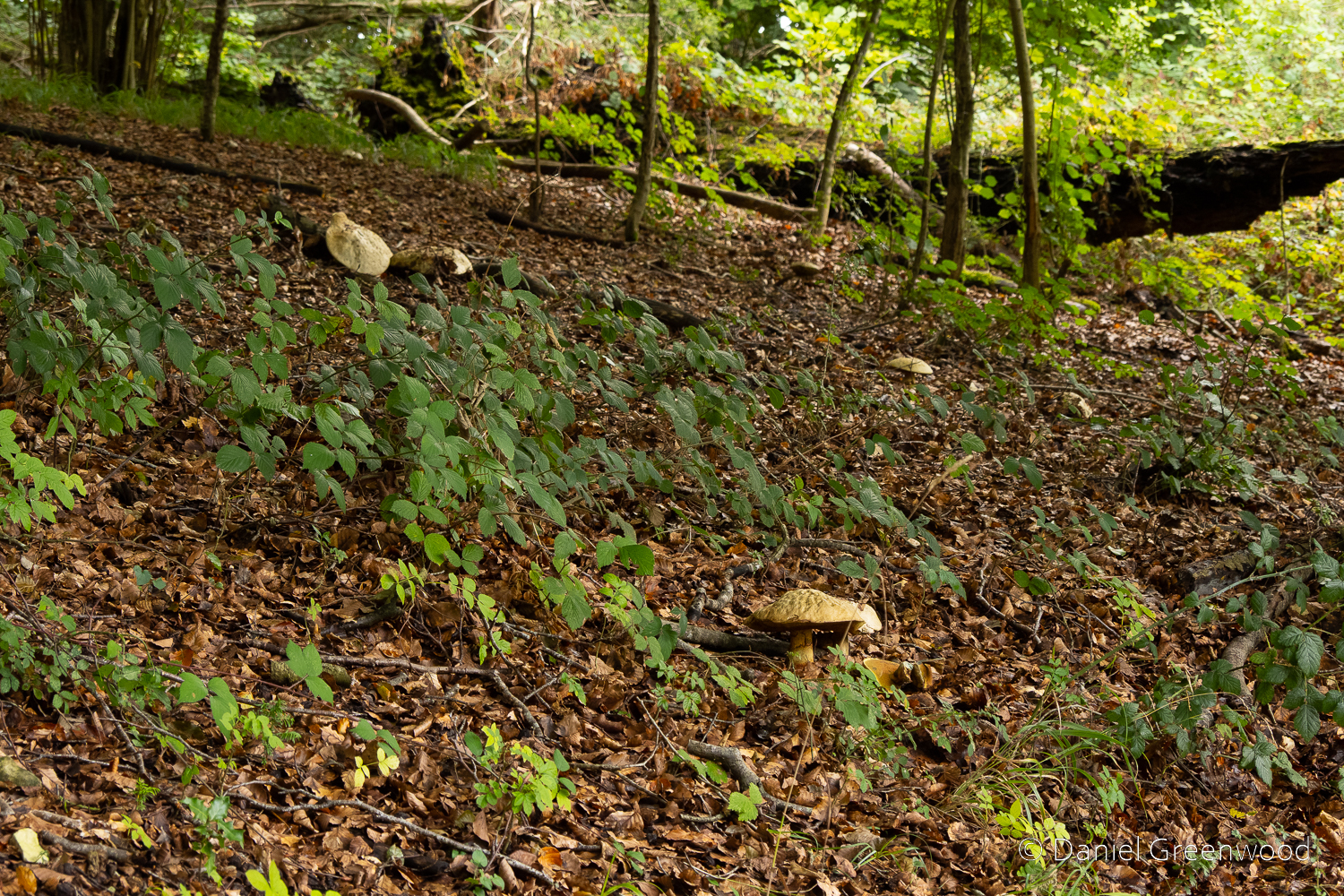
We said our goodbyes to the boletes and traipsed on along the South Downs Way.
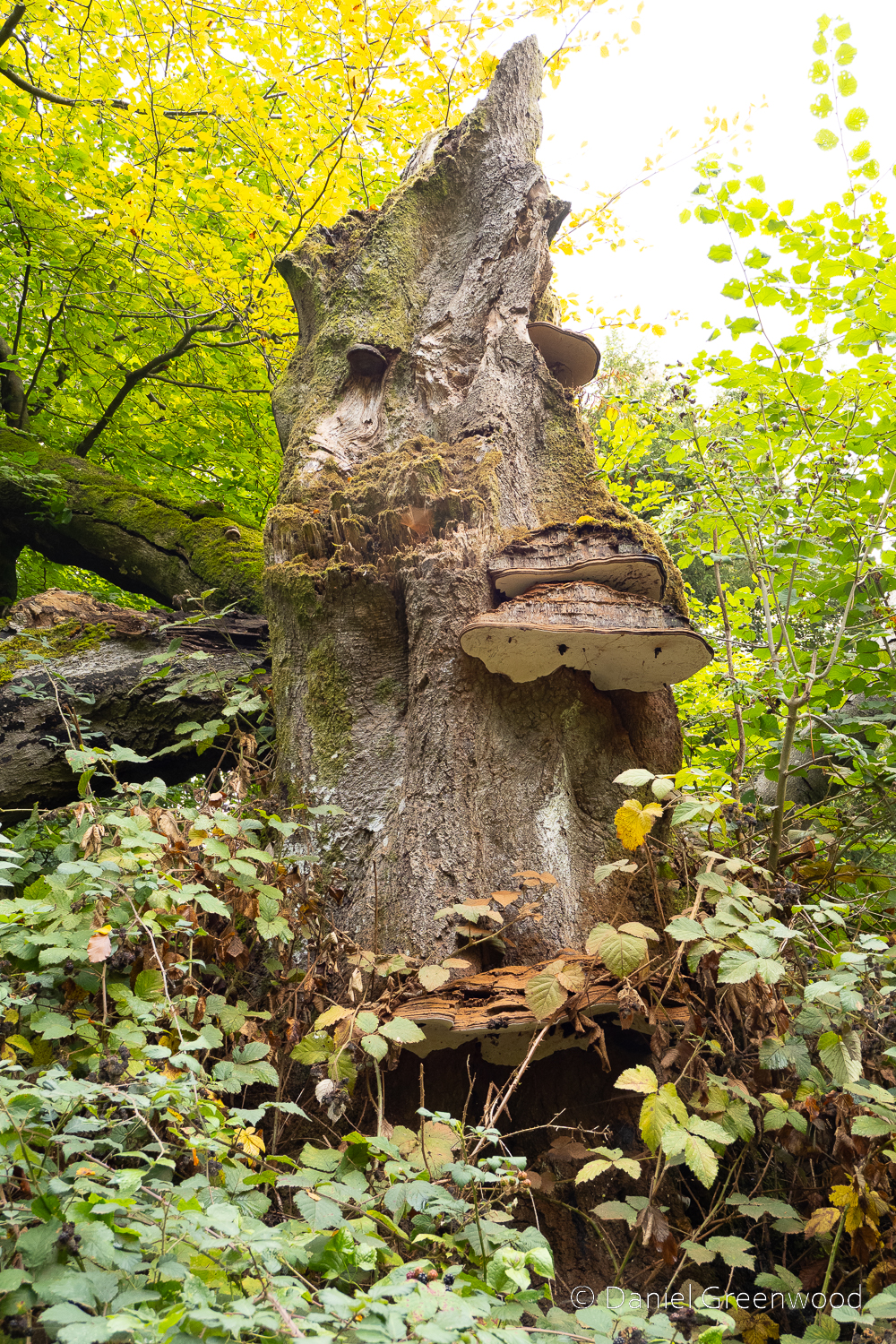
A few yards away was this wonderful beech monolith, which can be great habitat for fungi.
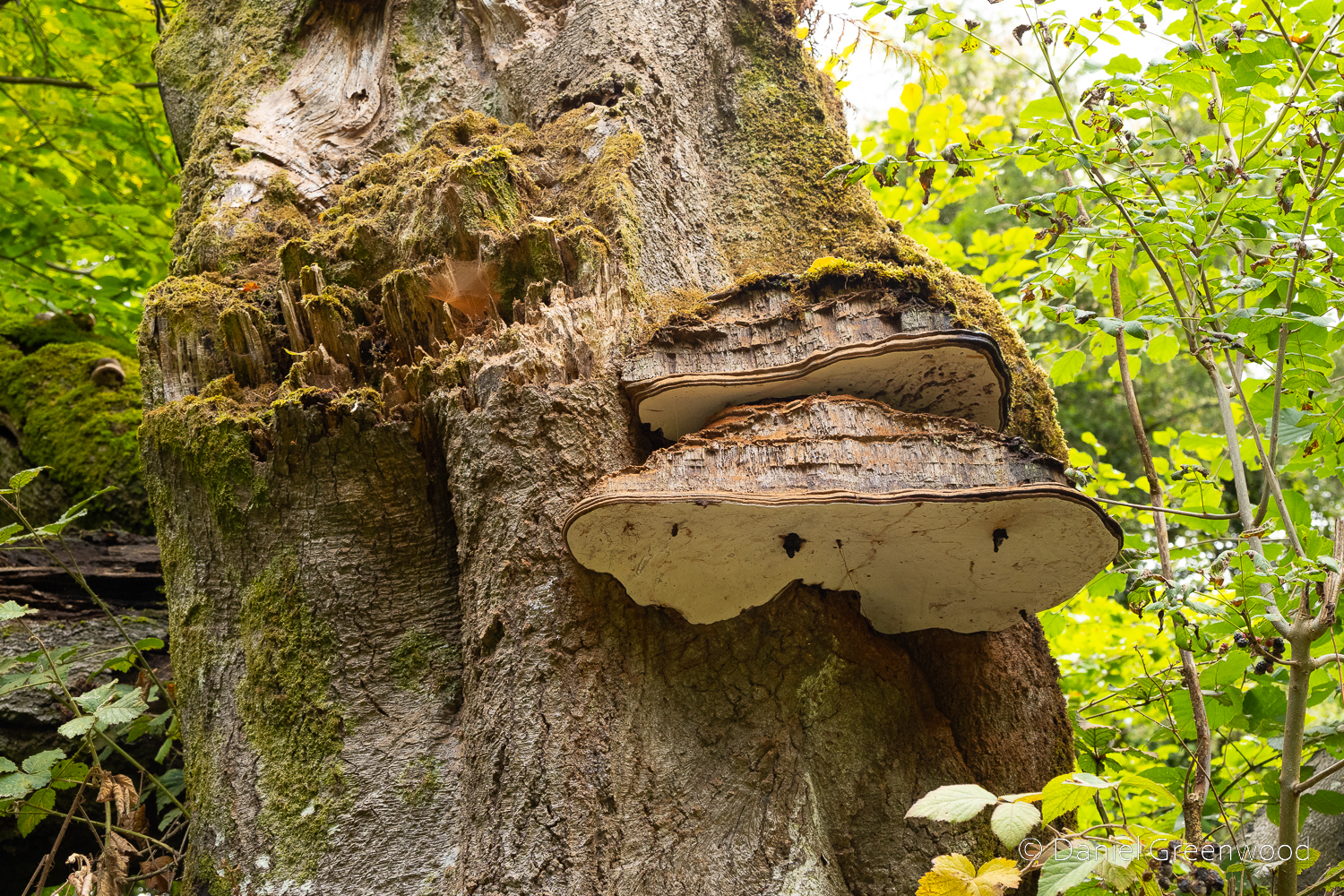
This big conk was one of the Ganoderma brackets, probably 5 years or more in age.
Thanks for reading.


Leave a Reply