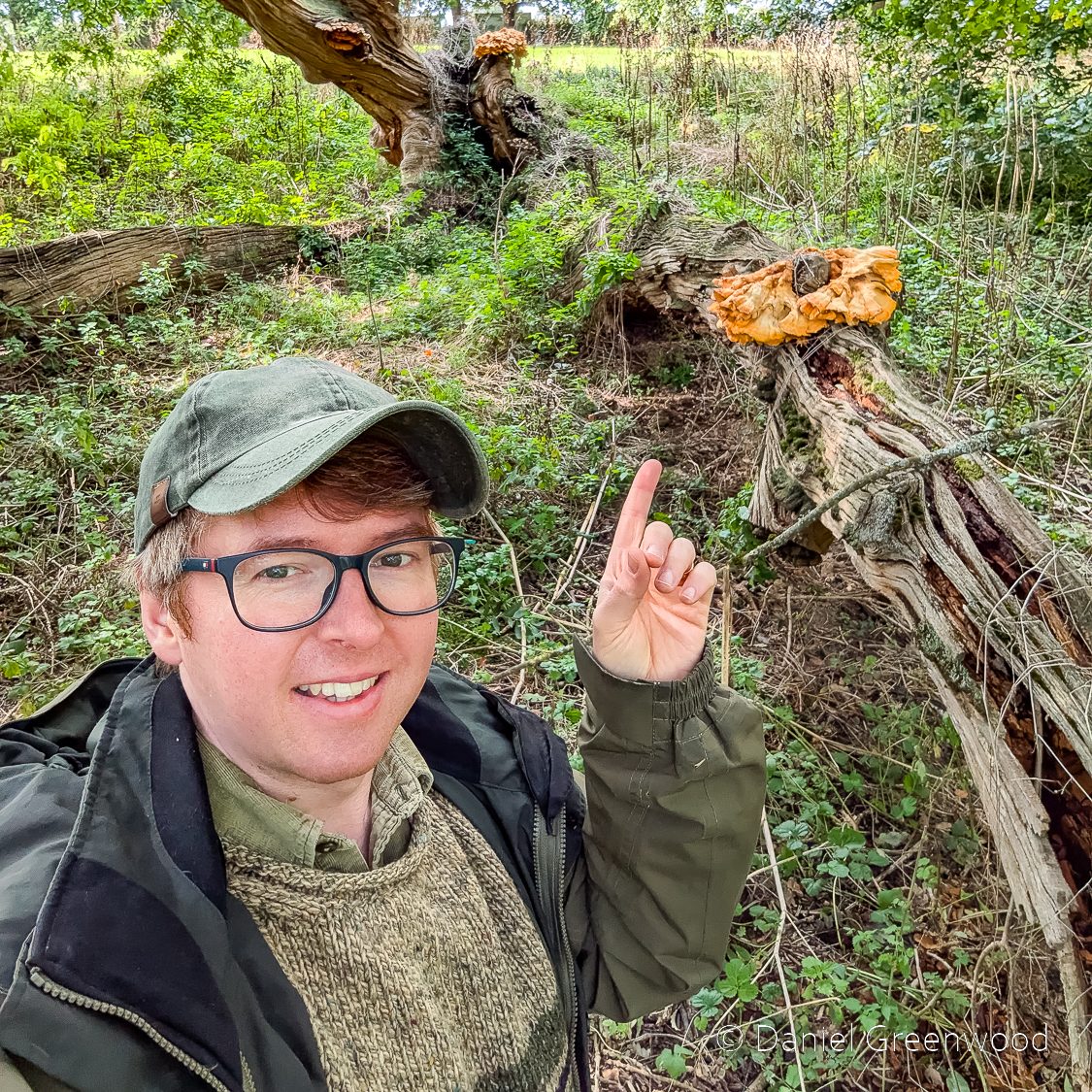
Mayo, Ireland, September 2026
That title is not an expression of lichen rage, but I know it’s something people do with their power washers. Not me!
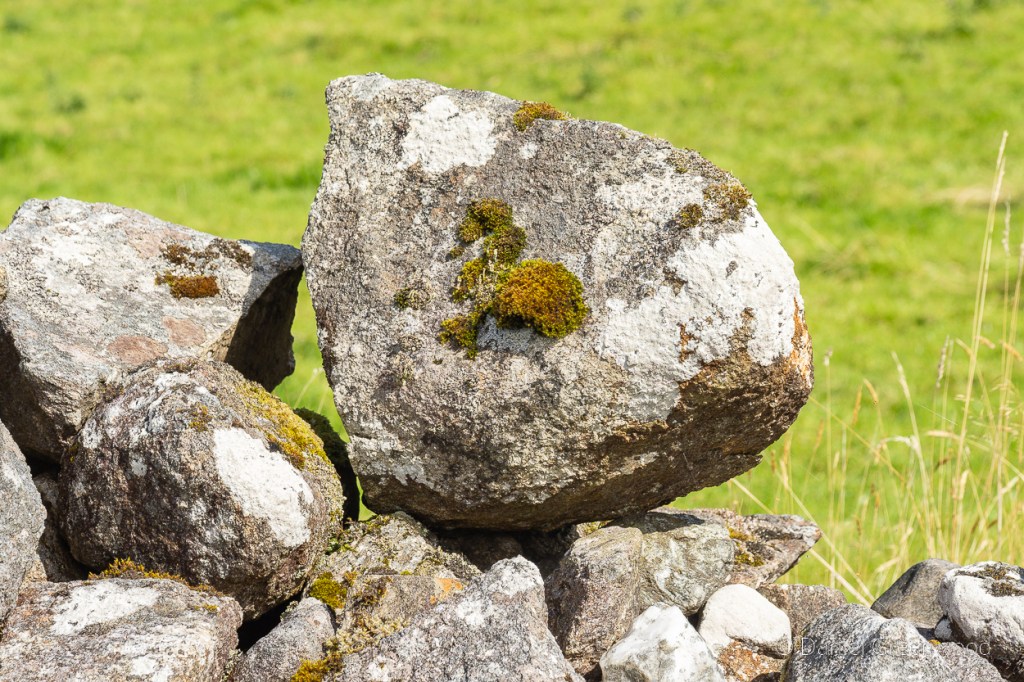
These photos are from a walk around the foot of the Ox Mountains (Slieve Gamph) in September 2026. Most of the lichens were on rocks along an ancient footpath that goes up and over the mountain. The wall is becoming overgrown with brambles and other shrubs because the sheep have been removed and replaced with cattle after the farmer passed away and his son took on the land. This means that the lichens will become shaded out as time moves on, so I may need to return with some loppers. I think sheep have a role to play in managing and conserving Irish landscapes, despite the harm they can cause through overgrazing when overstocked.
There are a number of lichens featured here, plus some of the first mushrooms of the autumn. The photos are in chronological order for my own sanity.
I always welcome comments, feedback and corrections in the comments 🙂
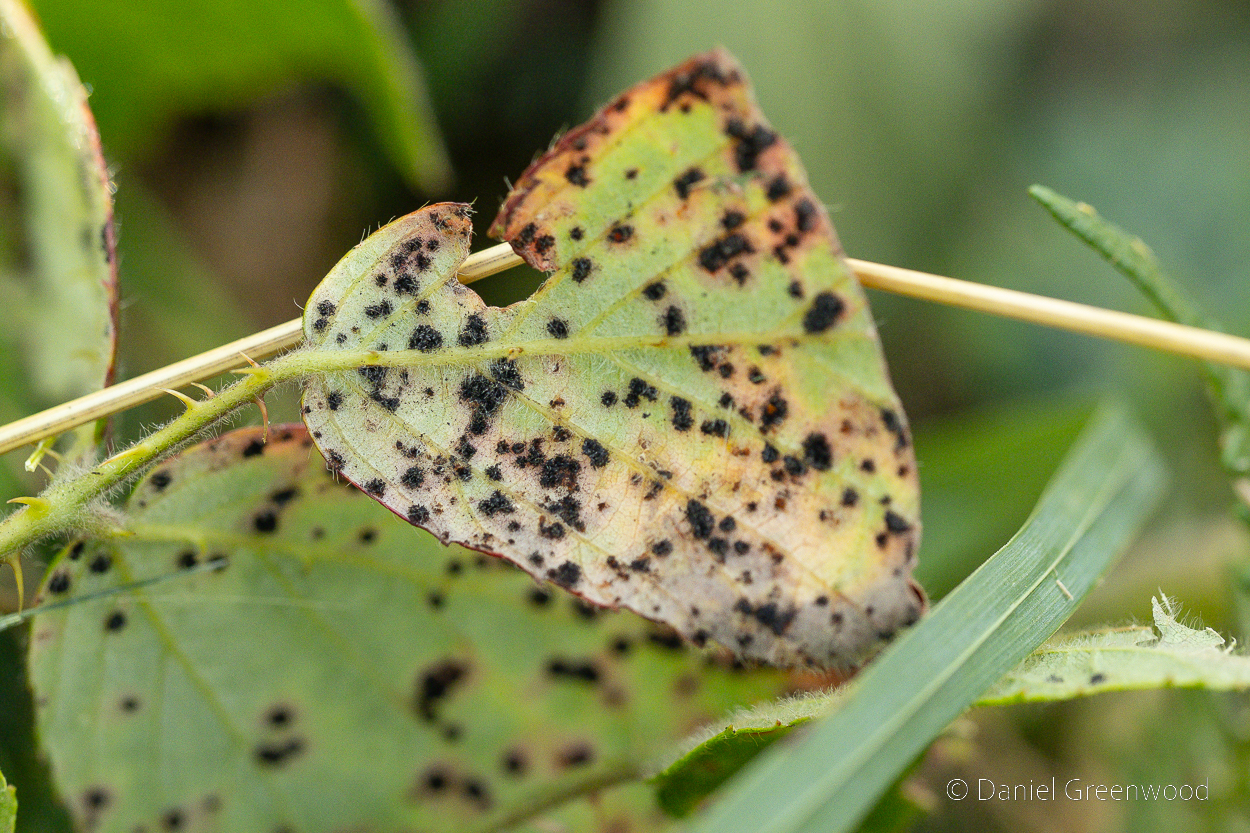
Every year when I visit Ireland I need to cut back the grasslands and brambles around our family cottage. While I was cutting, I noticed this black rust growing on the leaves of brambles. So I popped my macro lens on my camera and went in for a closer look.
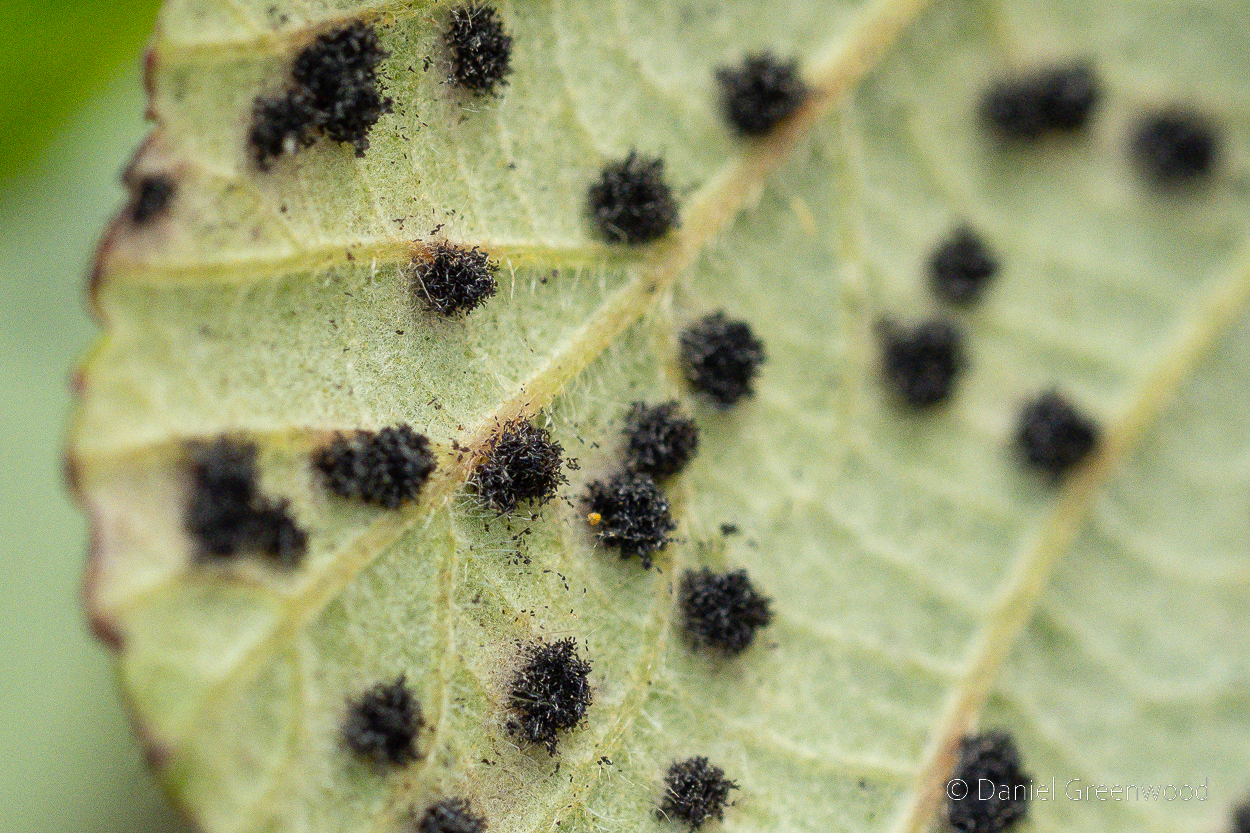
This is violet bramble rush (Phragmidium violaceum).
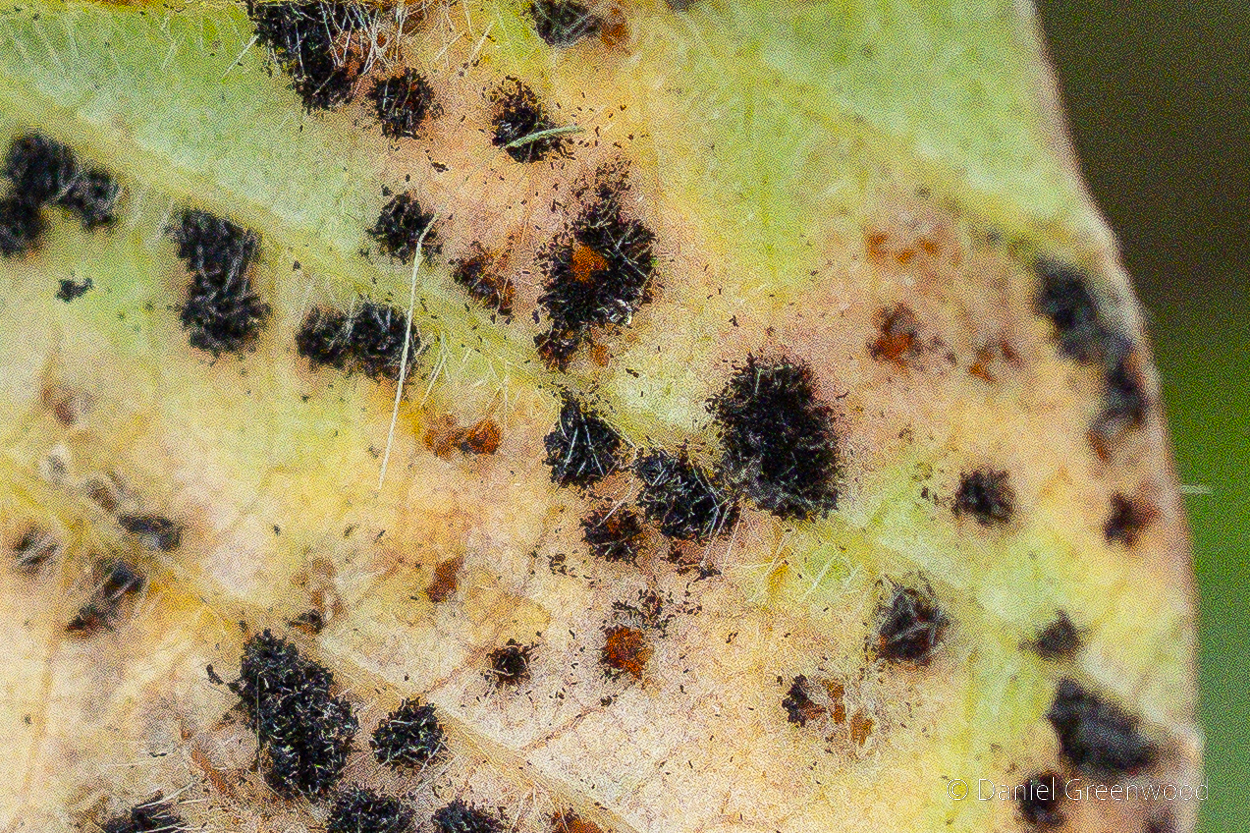
Perhaps the ‘violet’ is the leaf cover on the other side, which you can see a hint of here.
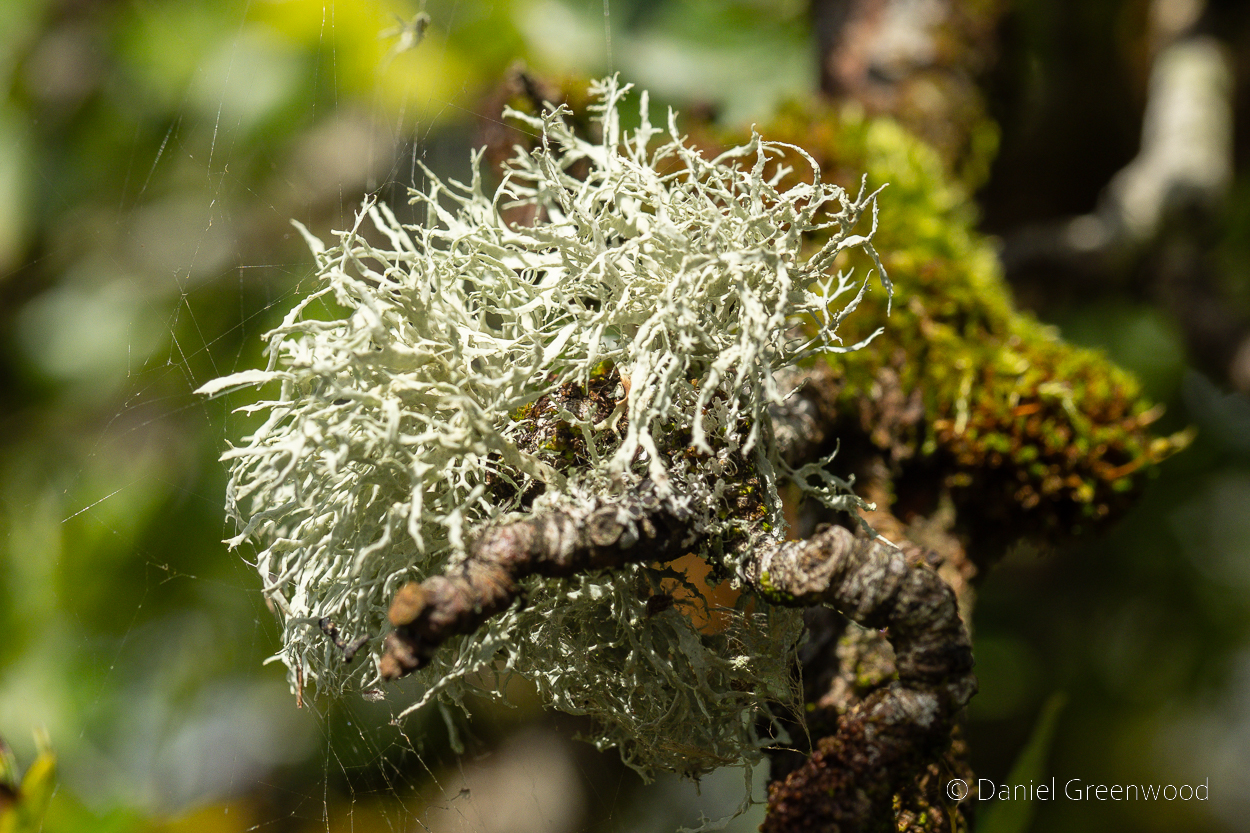
At first thought this lichen, growing on a hawthorn branch, is oakmoss. But it may in fact be a ramalina, farinose cartilage lichen.
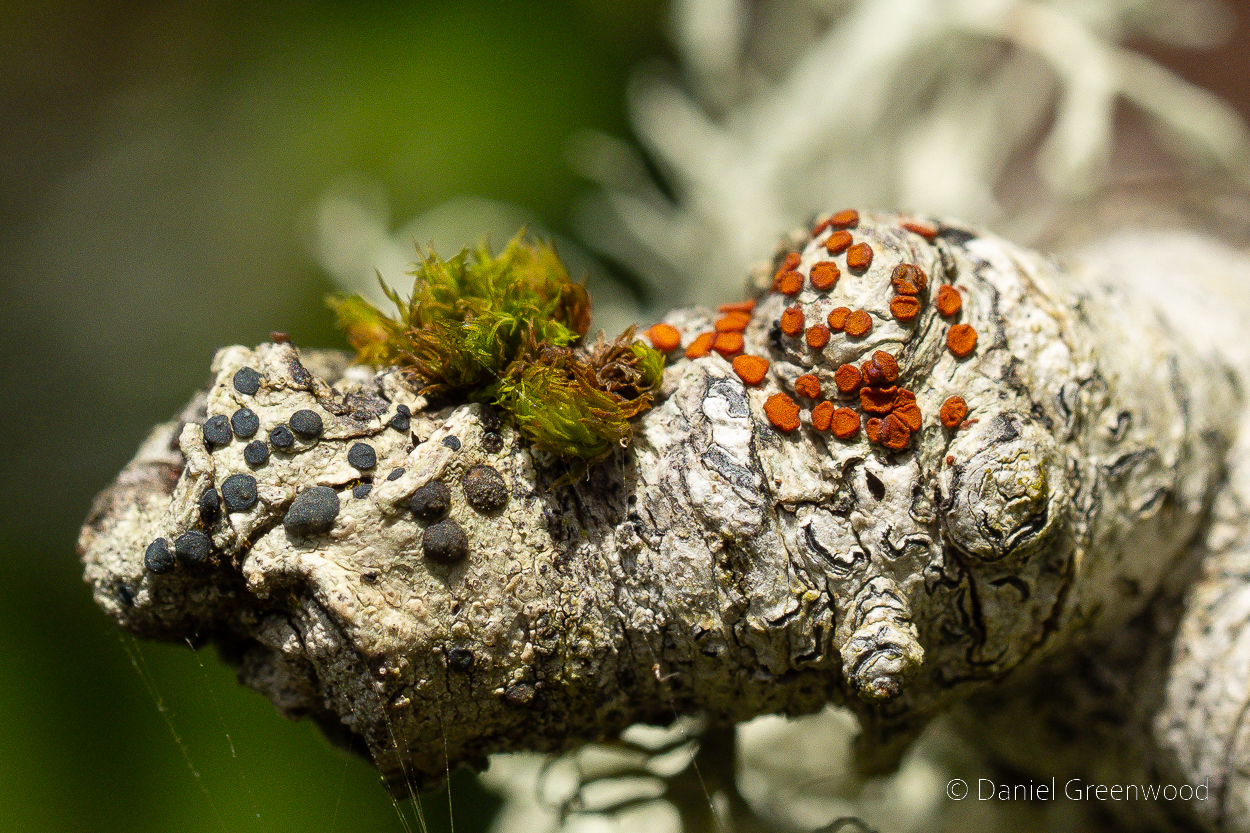
This (the orange lichen) is a new species for me. It looks to be a blast lichen, and perhaps rusty firedot lichen (Blastenia ferruginea), which sounds like an American name. That species is now rare in Britain, and mainly recorded in the West of Ireland now, bingo! It was the colour that caught my eye.
If there’s an old English name it will definitely be something egg yolk related due to the colour. This is the broken twig of an old hawthorn, which also has a script lichen underneath and another one with black cups on the left, not to mention the moss.
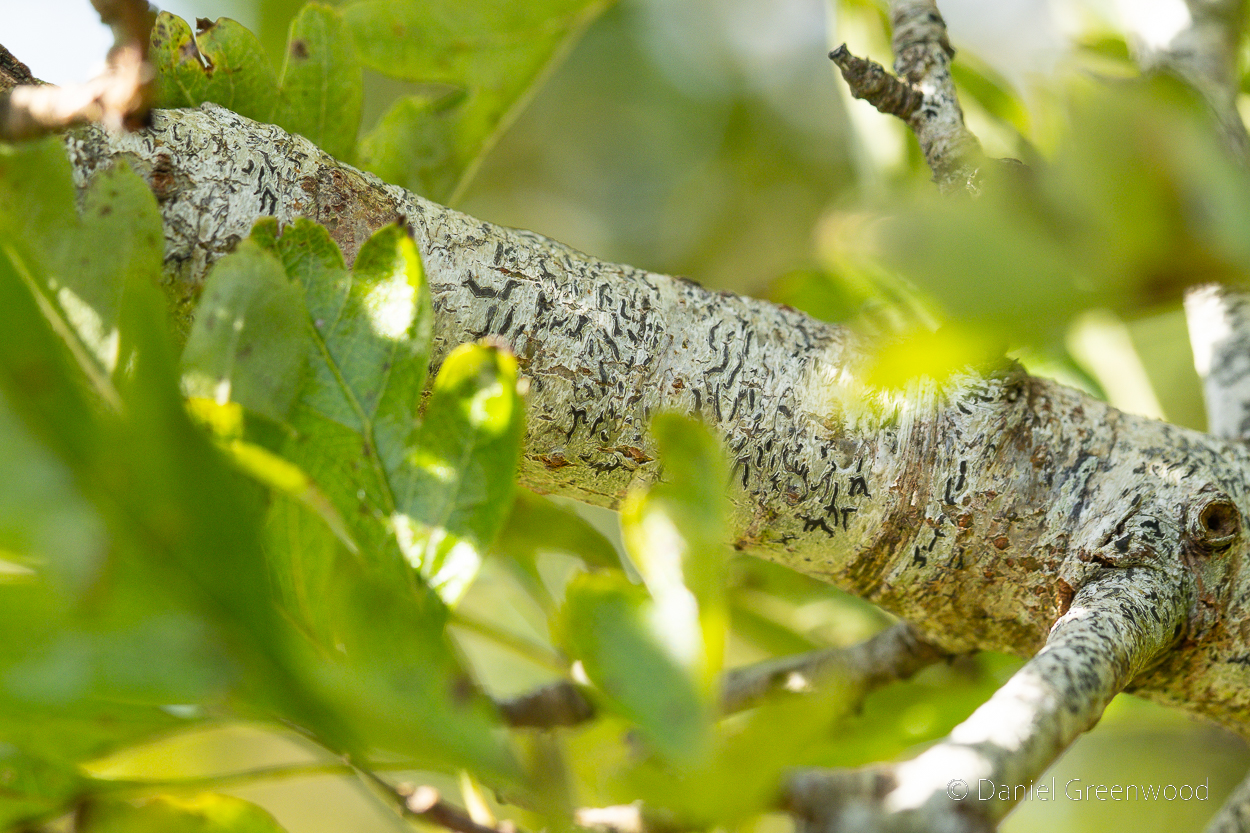
Further into the tree a script lichen is dominating one twig.
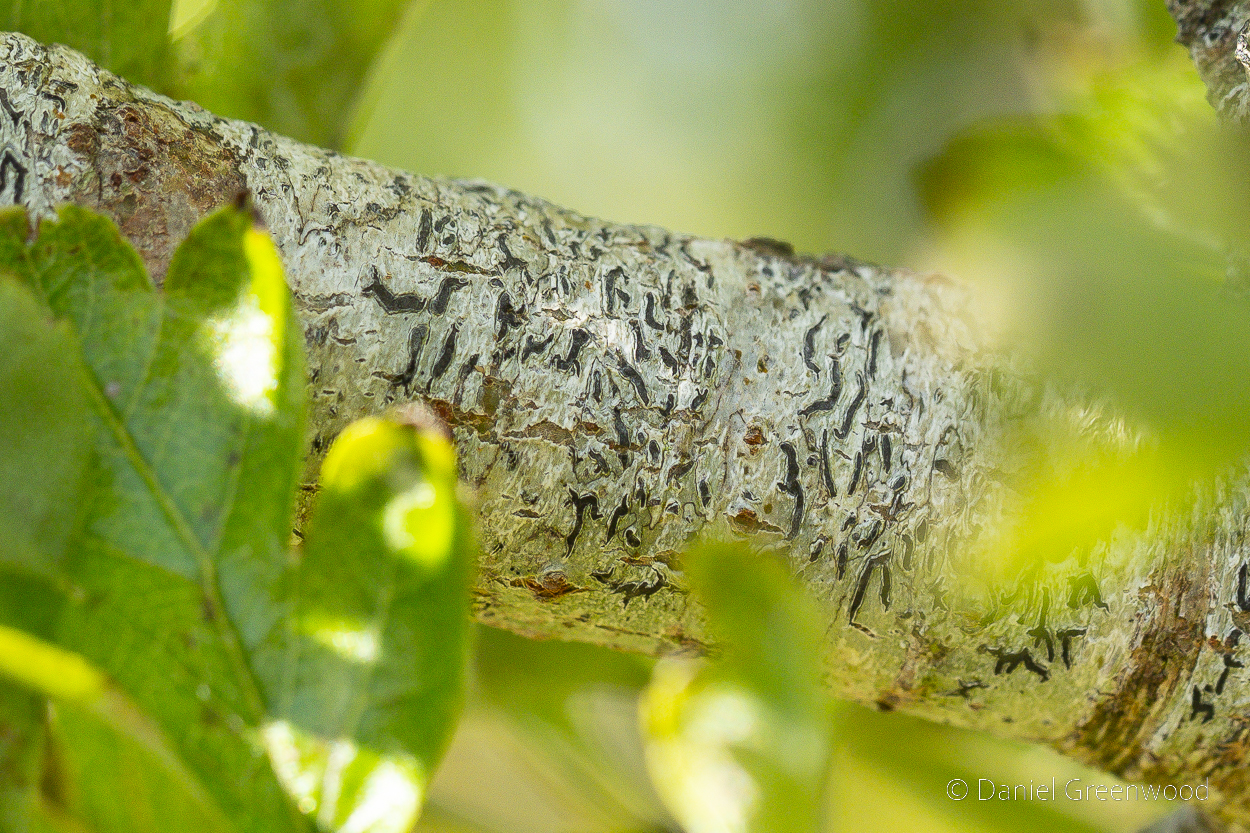
In some places script lichens indicate ancient woodland, which is nice.
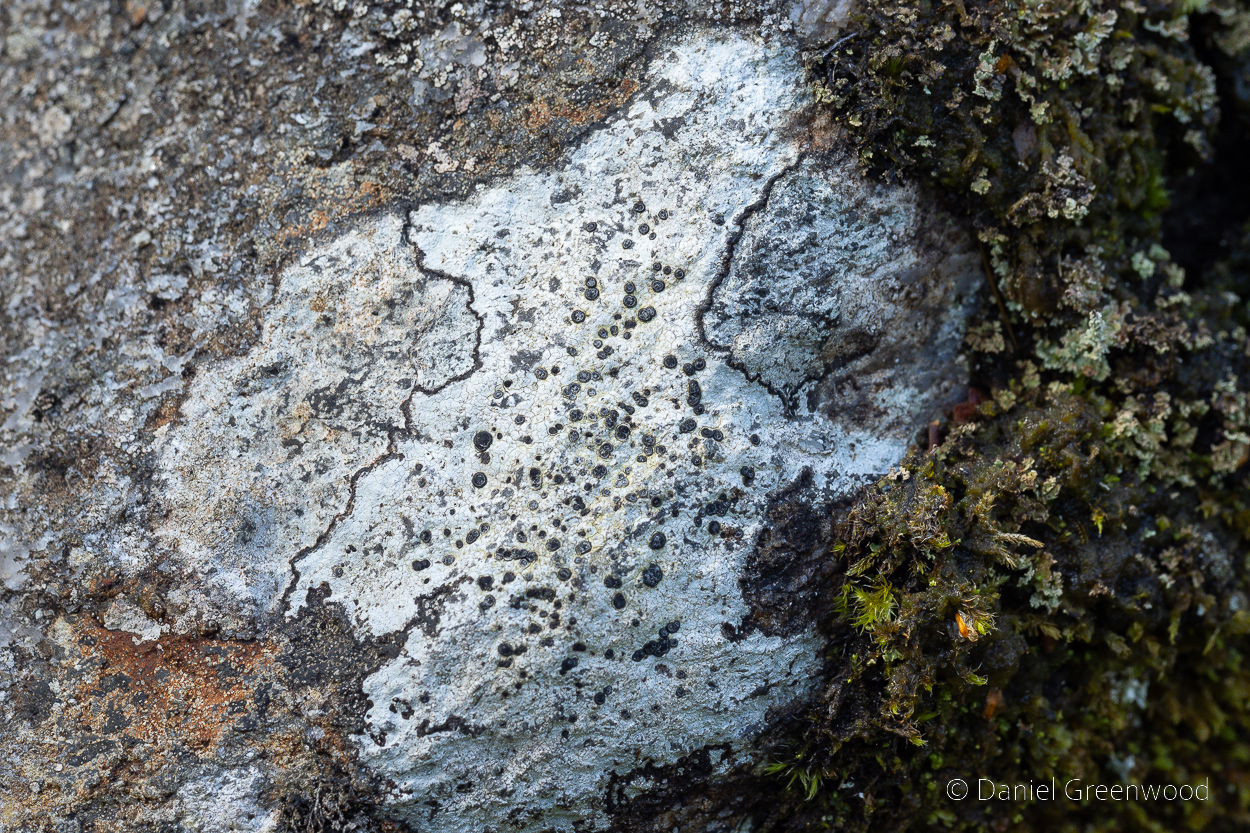
I’m unsure of the species here, but I enjoy looking at this lichen. I tried some closer images but they were a bit blurry (shaky hands from all the cutting I’d been doing).
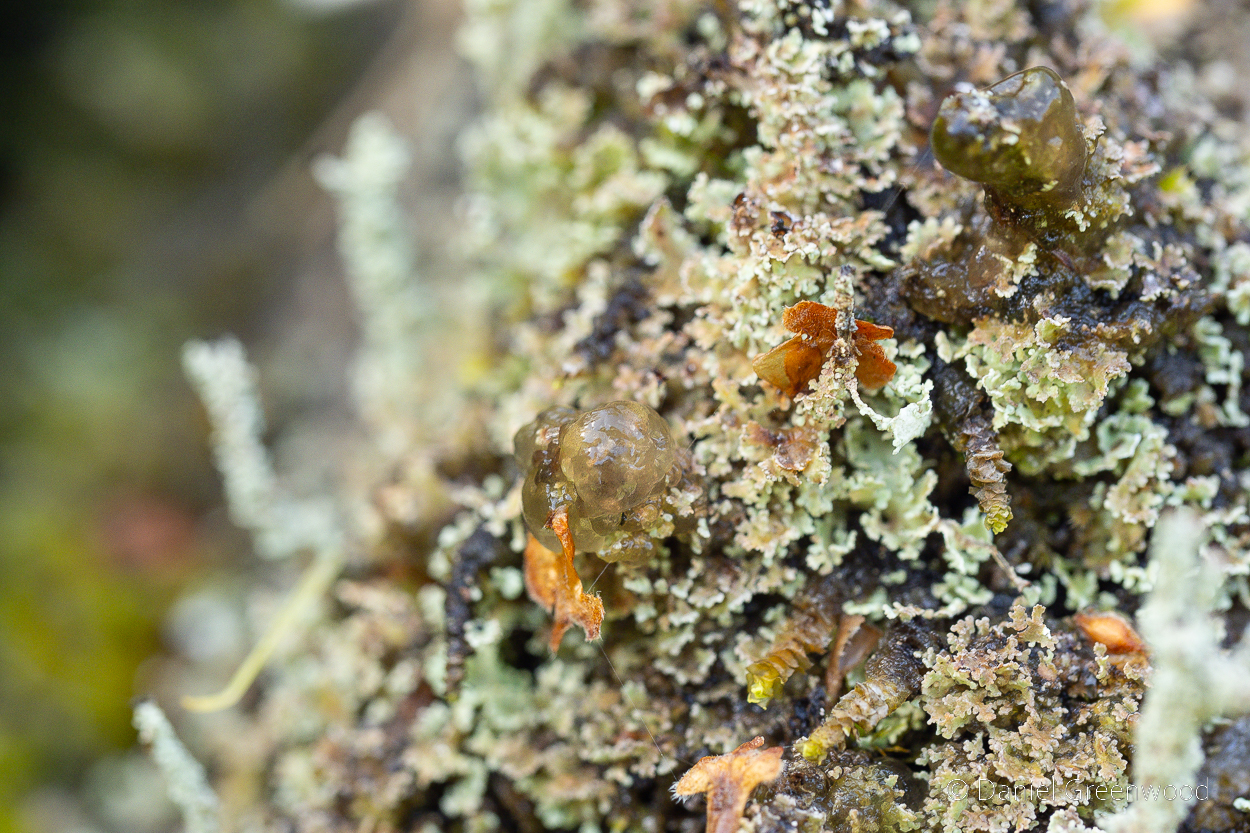
This may not look like much, but this gunky lichen is probably a species of cladonia.
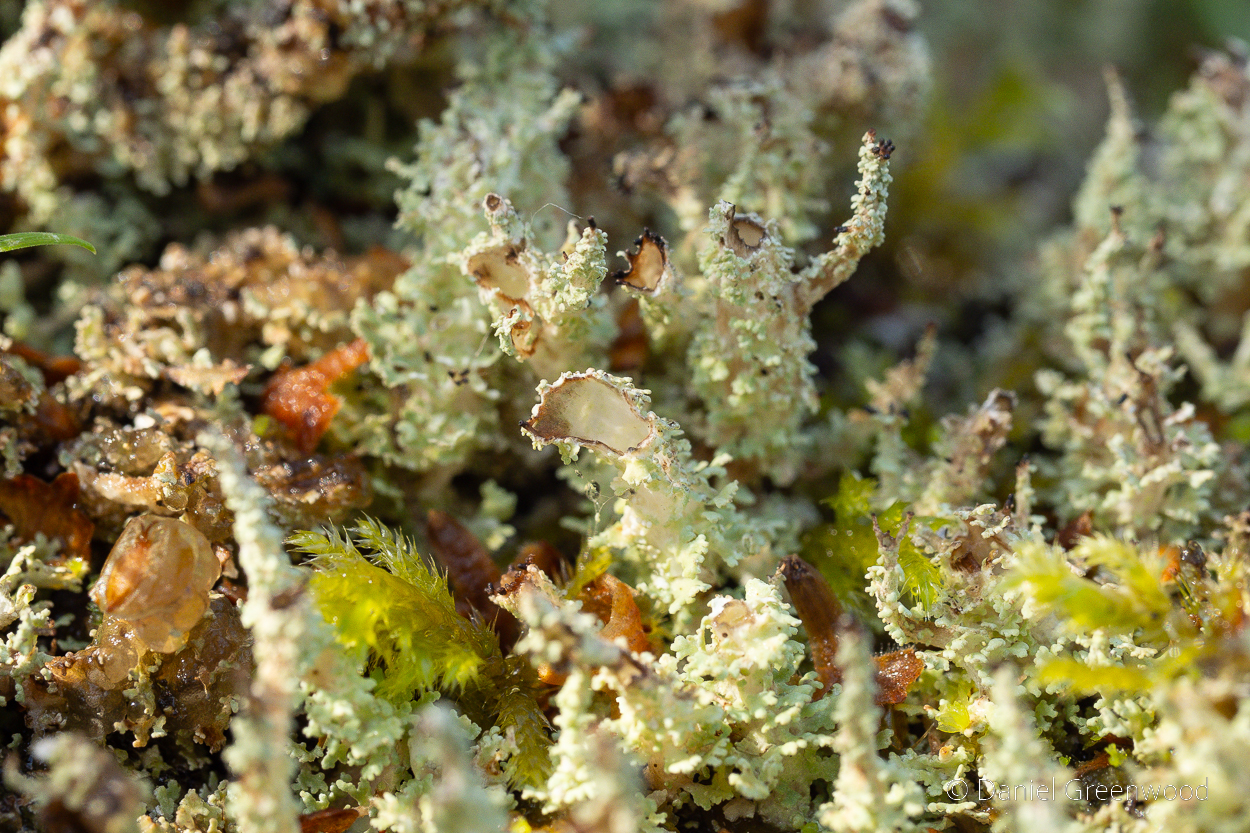
This is definitely a cladonia…
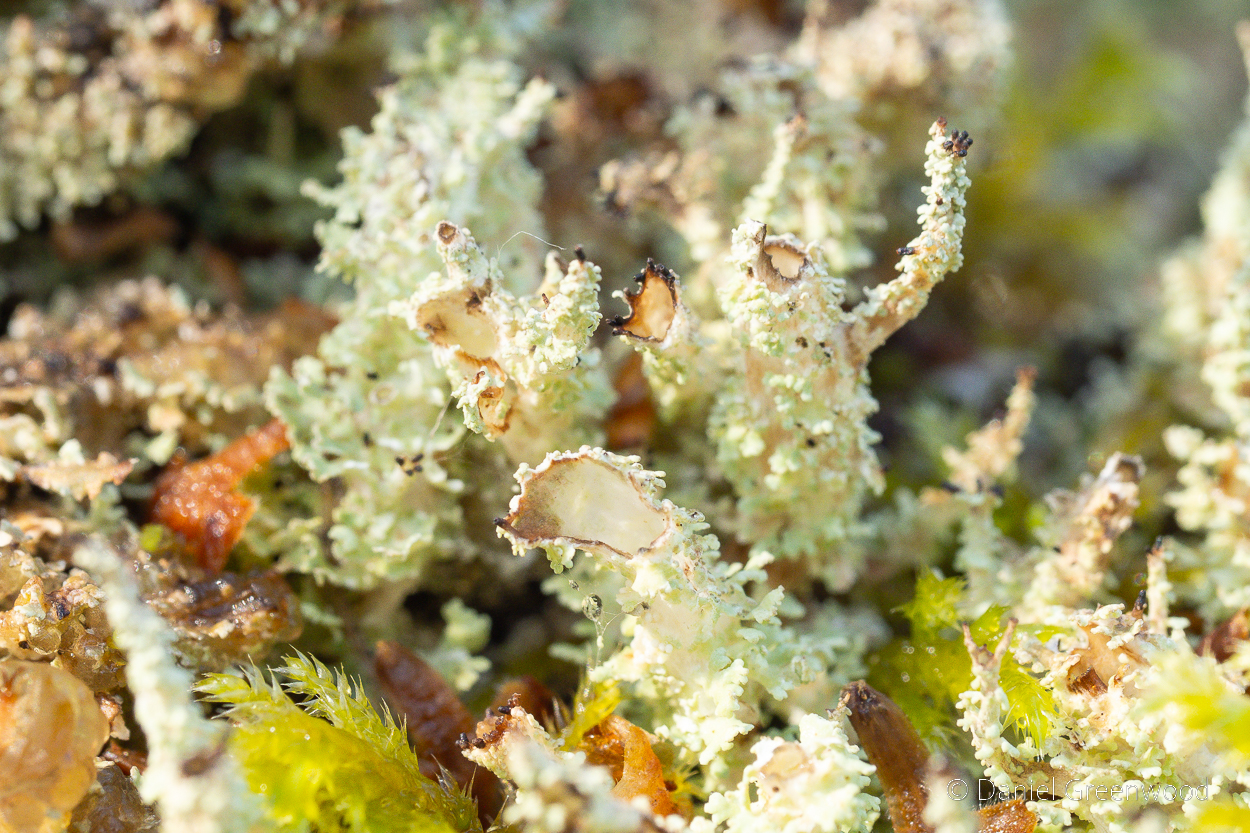
My guess is that it’s dragon horn (Cladonia squamosa)
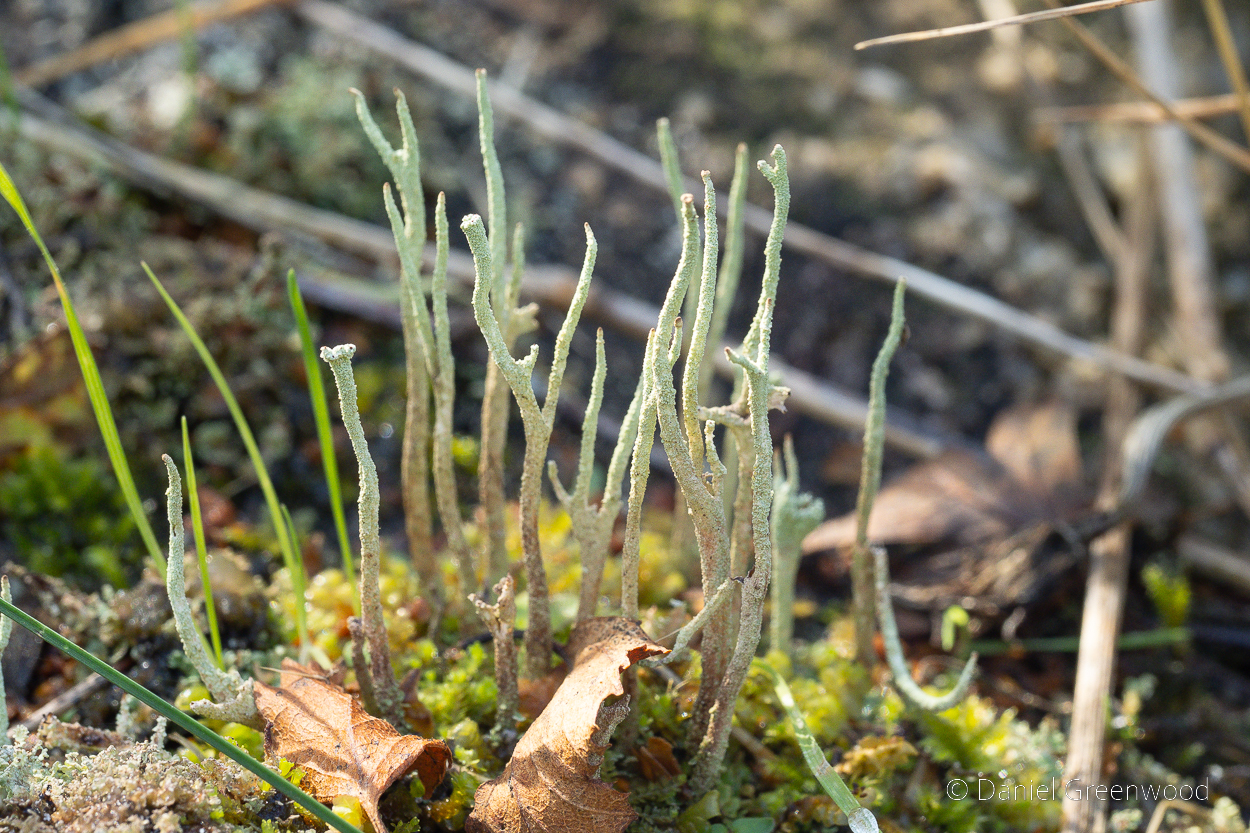
This could be smooth horn lichen (Cladonia gracilis). It looks resplendent in the spill of sunlight on the rocks.
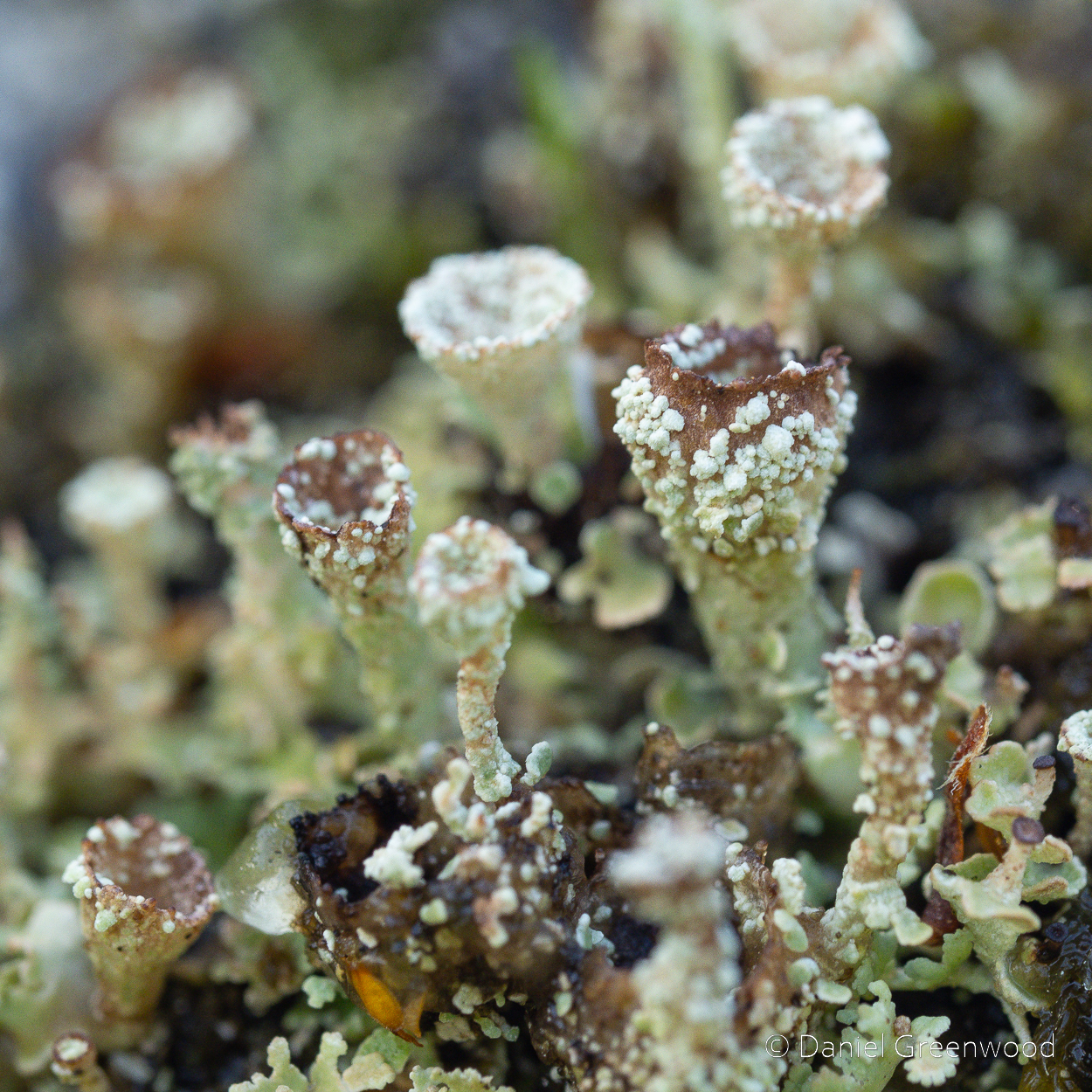
You can only see the pebbledash of these pebbled pixie cups (Cladonia pyxidata) when you magnify them.
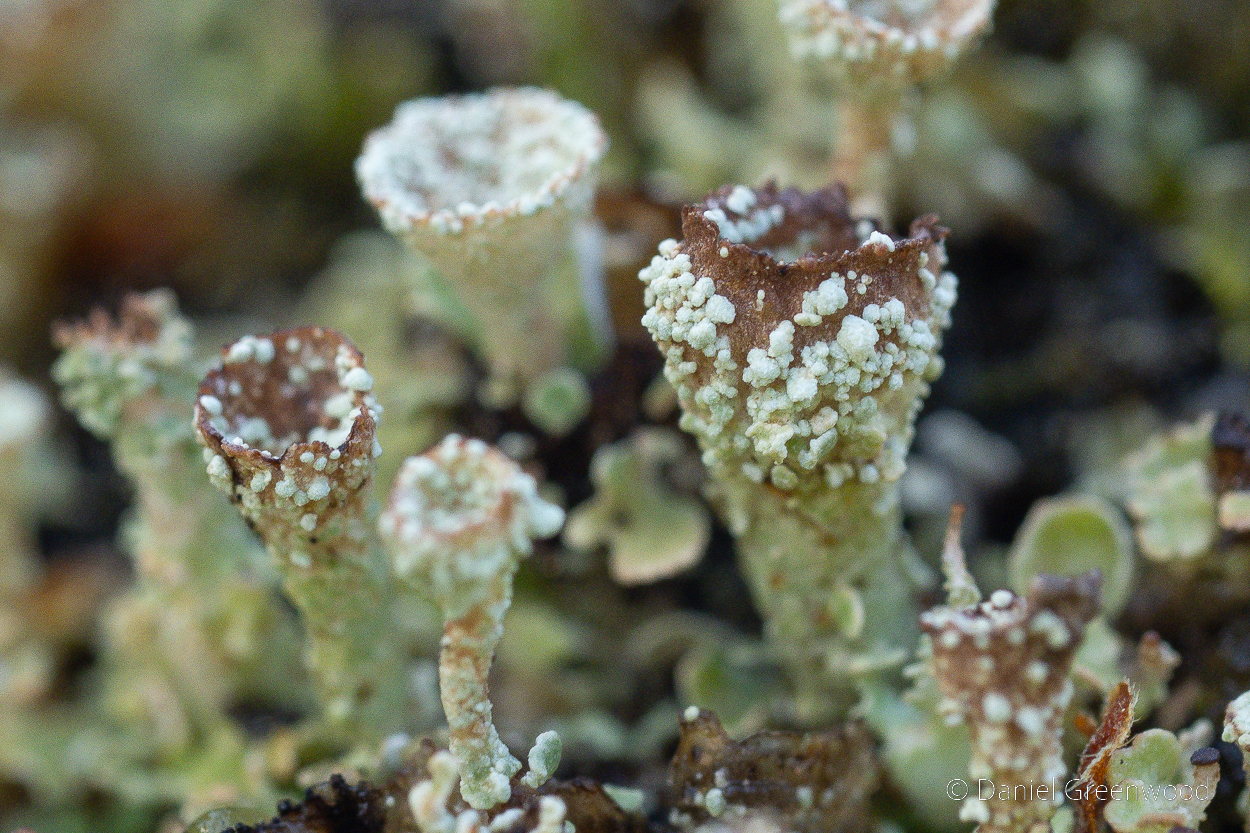
They really are gorgeous, a bit mint-choc. That’s three species of cladonia clocked-up in this post.
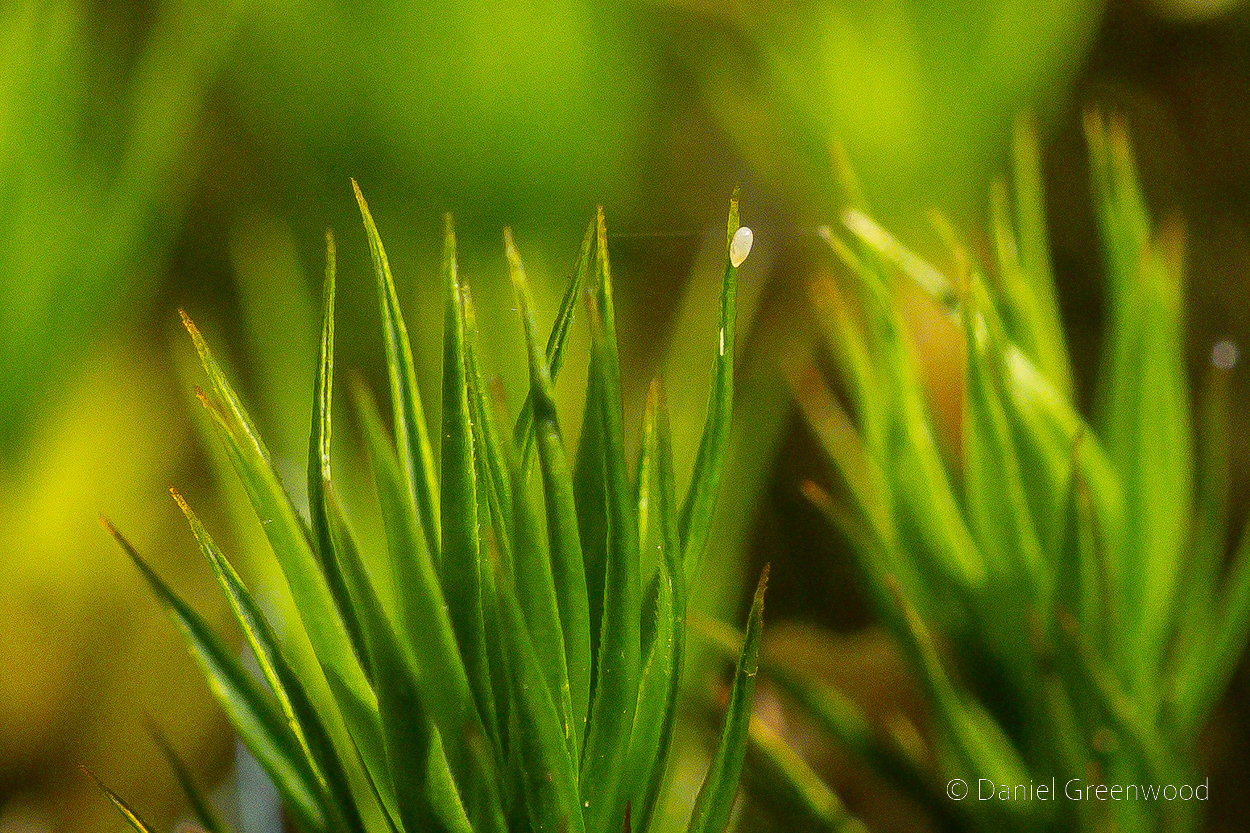
This isn’t fungal in any way, but I noticed this little egg laid on a moss leaf. It looks like a butterfly egg, but I don’t know what would lay eggs on moss.
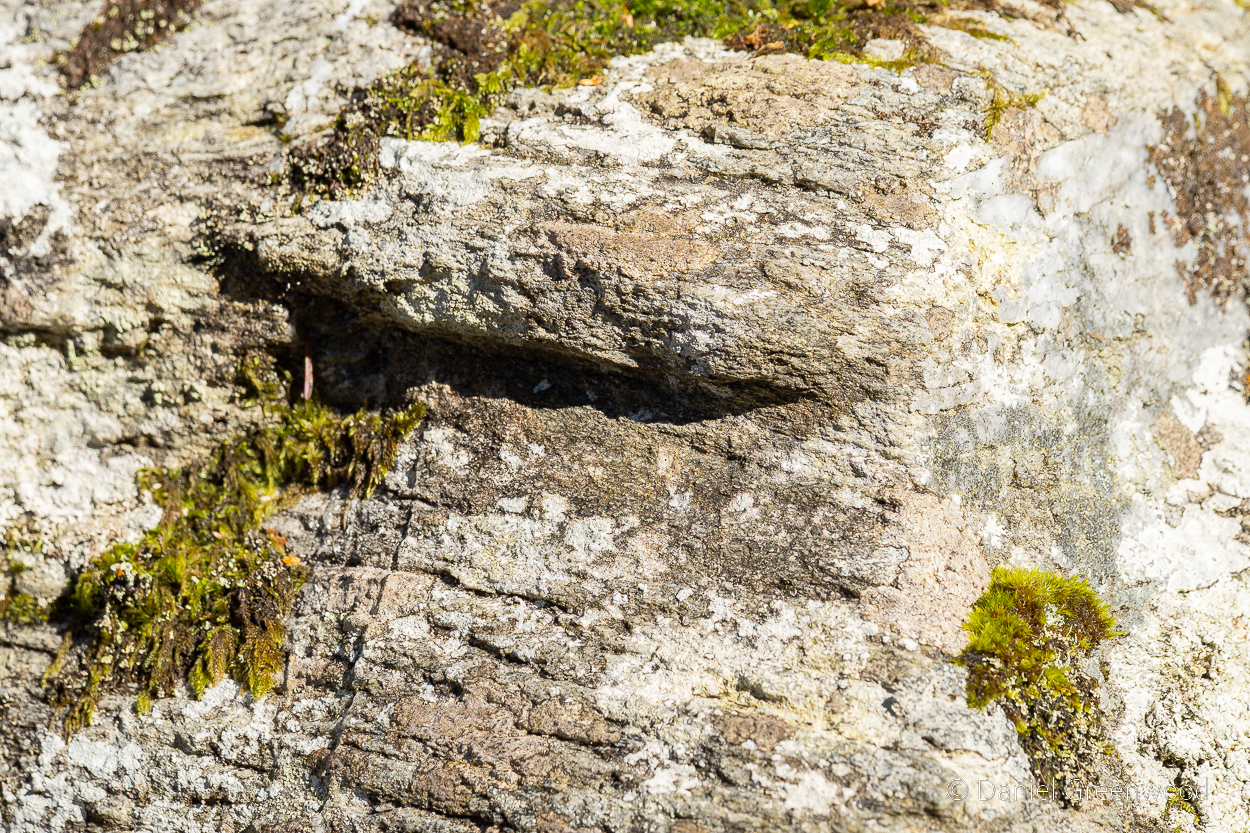
Consider this a boulder break.
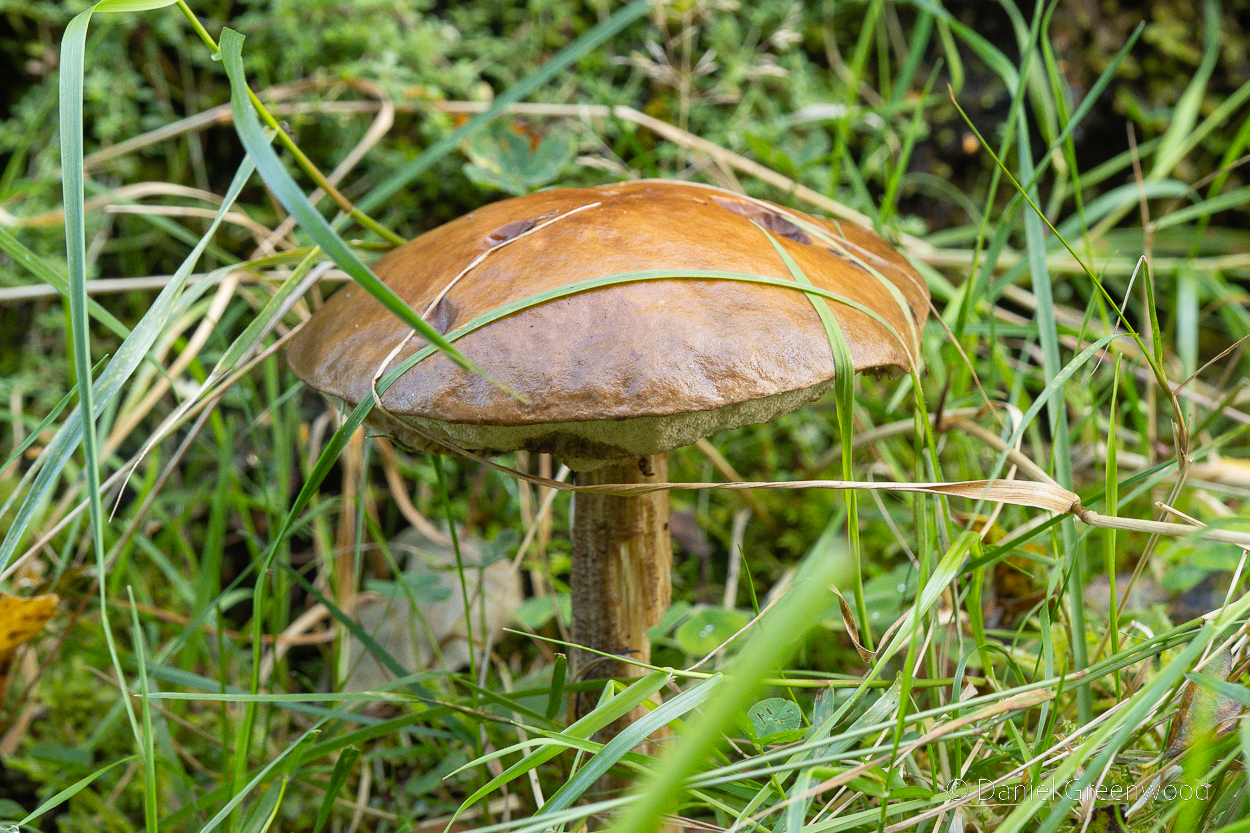
I was pleased to find one of the first few mushrooms of the season in the grass along the lane.
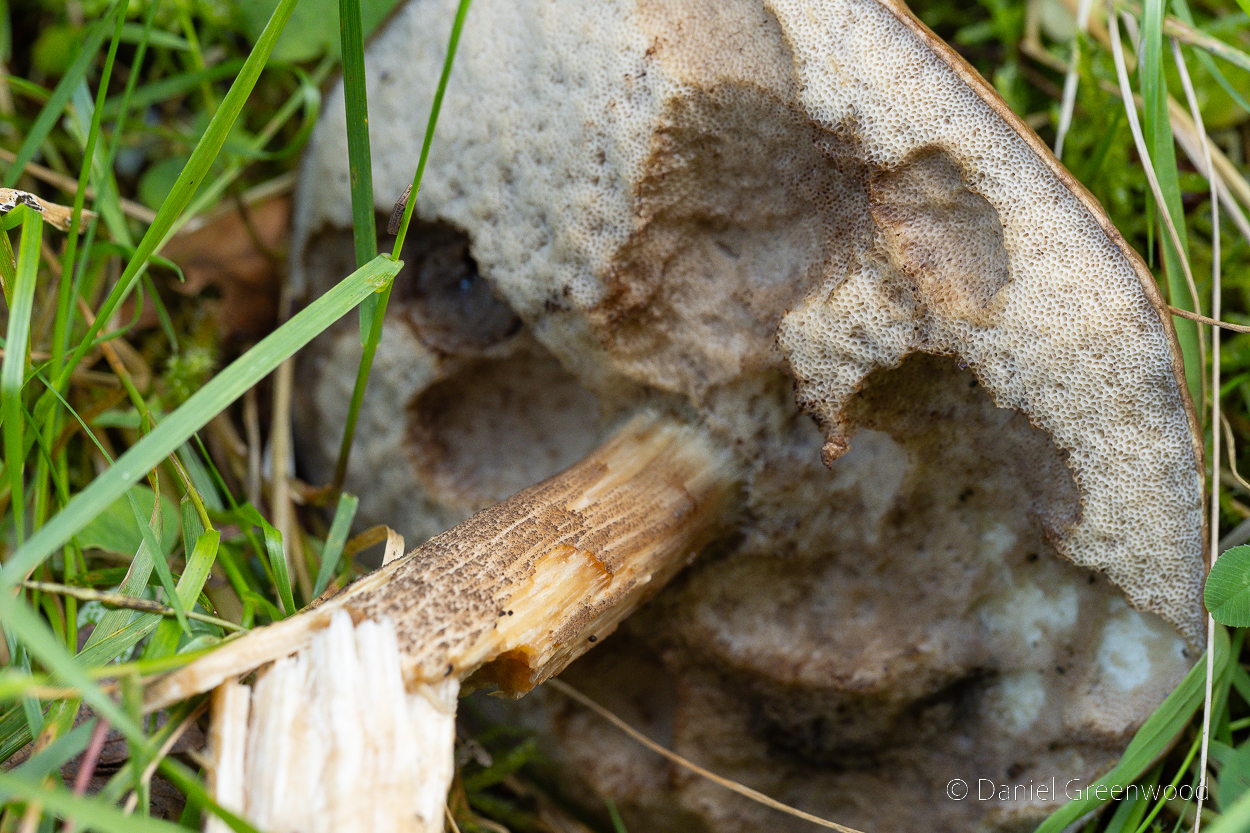
From the pores you can see this is a bolete, a leccinum.
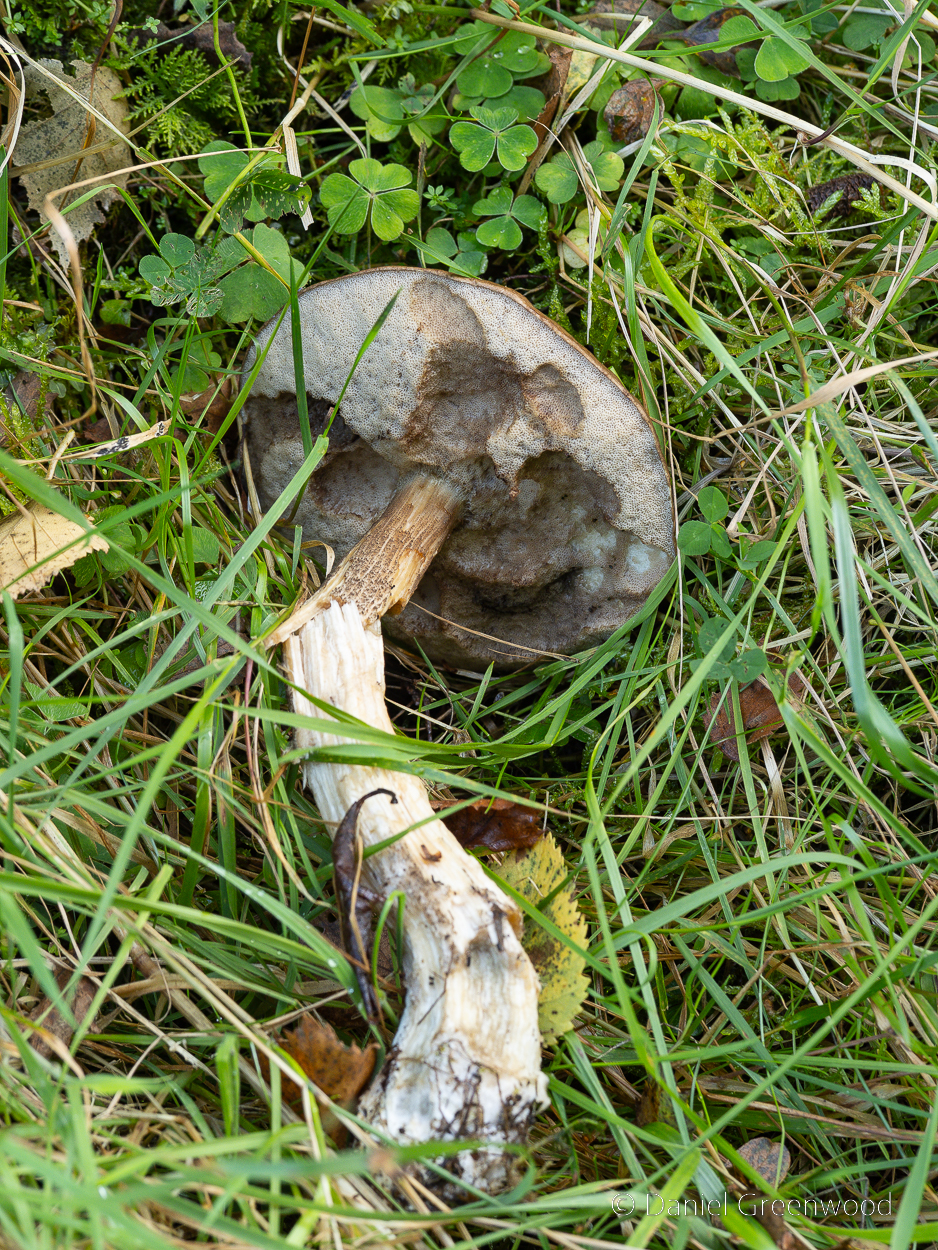
The marks on what’s left of the broken stipe suggest it’s a brown birch bolete.
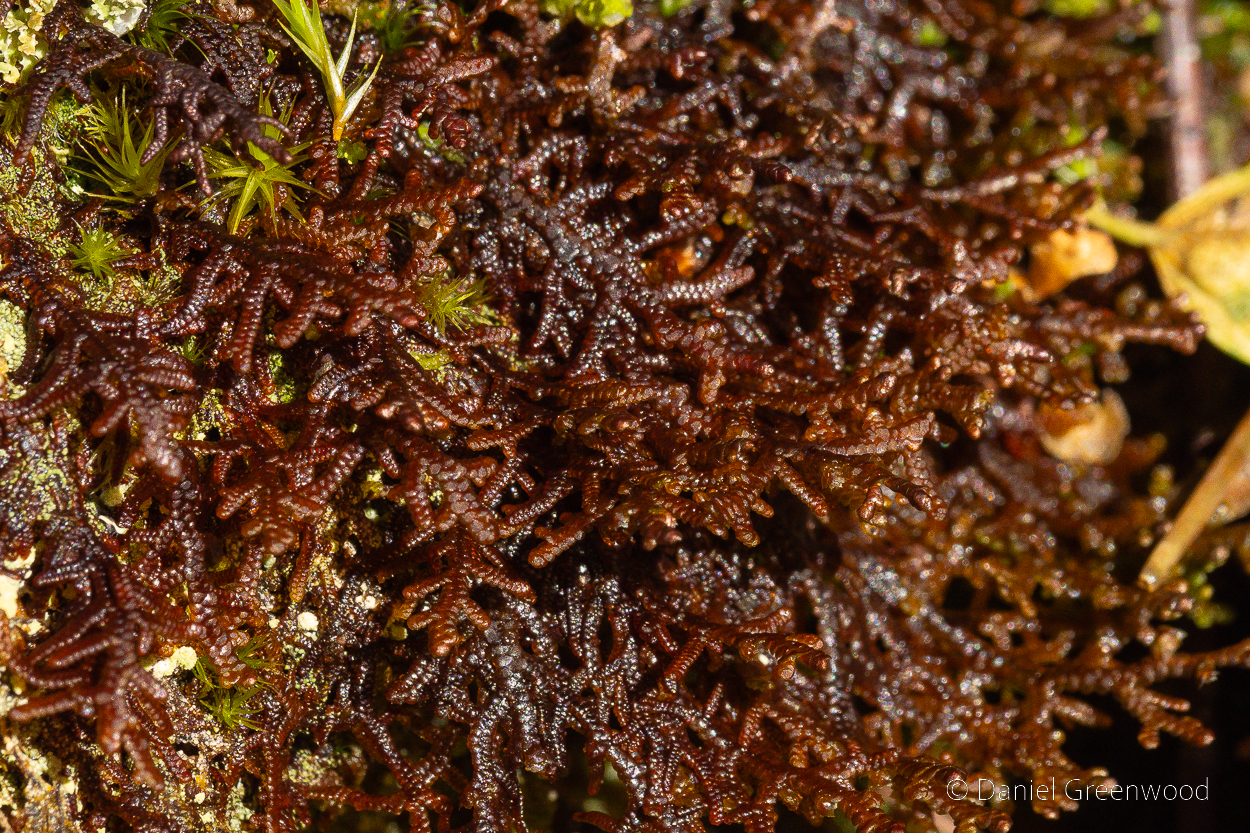
This is a liverwort, tamarisk scale wort (Frullania tamarisci). I bet that was your guess, too.
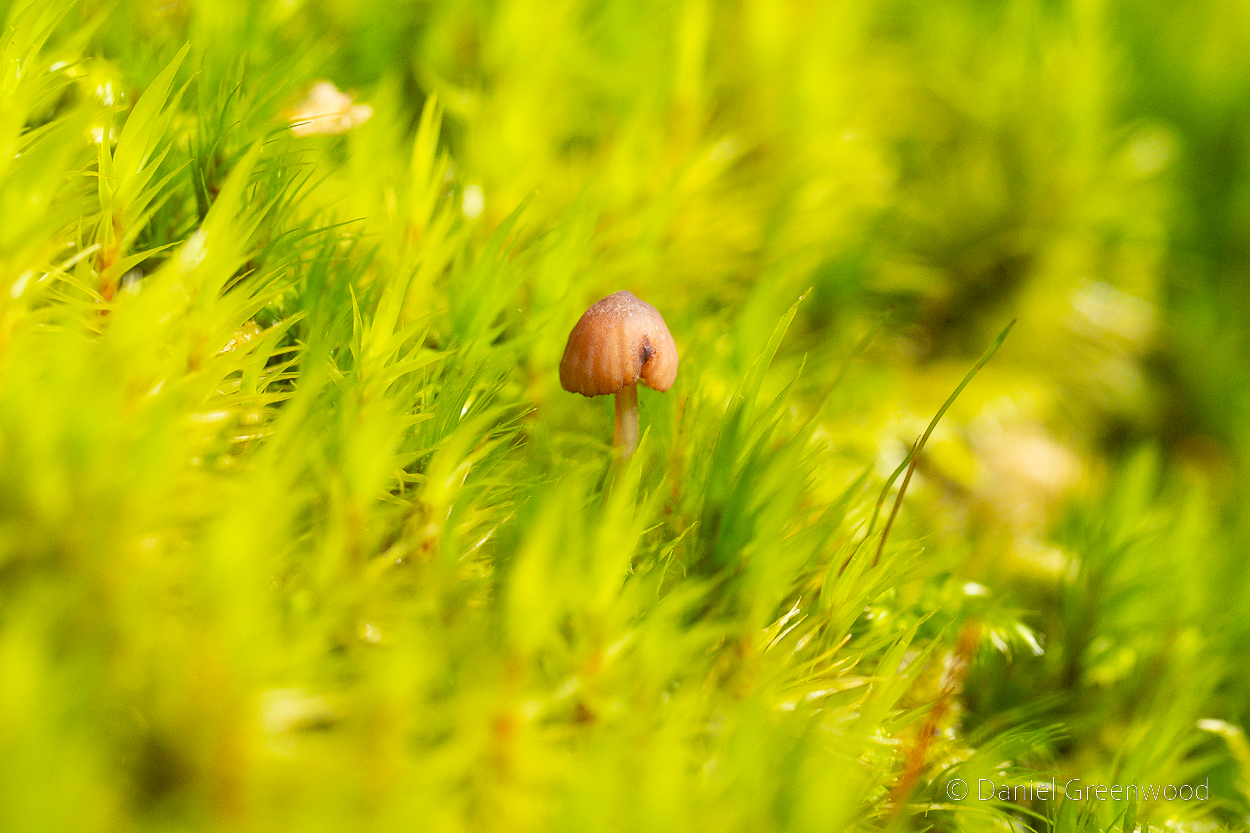
Another mushroom! Like a tiger in the woods…
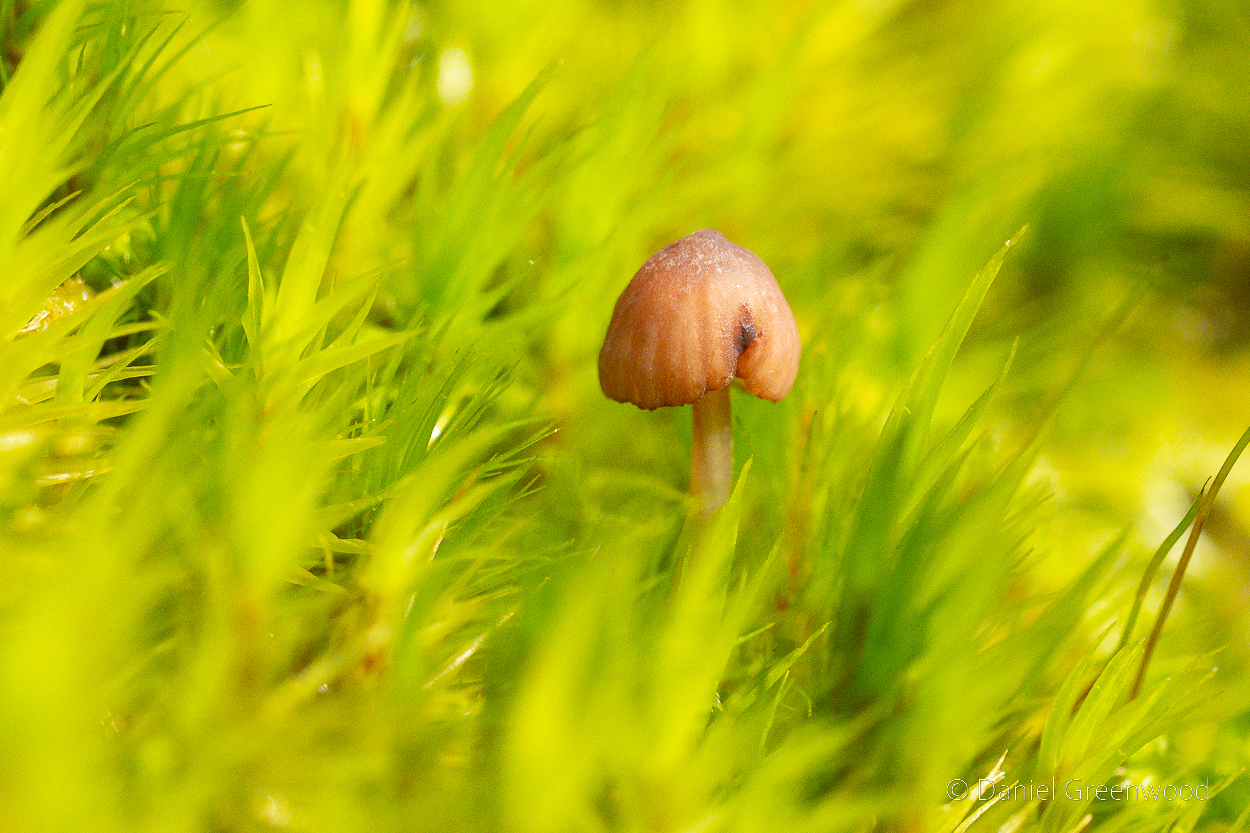
This is a moss bell, one of the small brown-orange Galerina mushrooms you find in moss and also cropped grasslands.
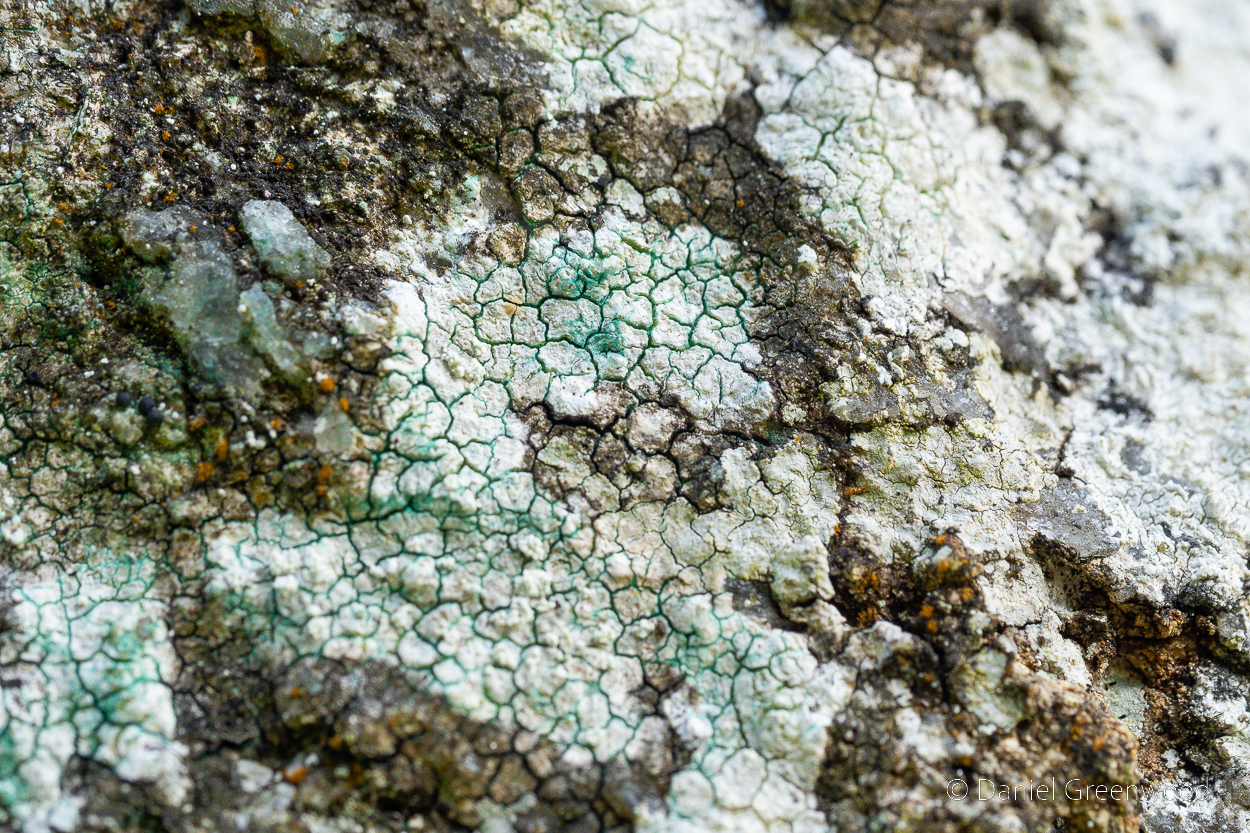
I was intrigued by the blue wash on this crustose lichen, but I think it’s just spray paint or some farm chemical.
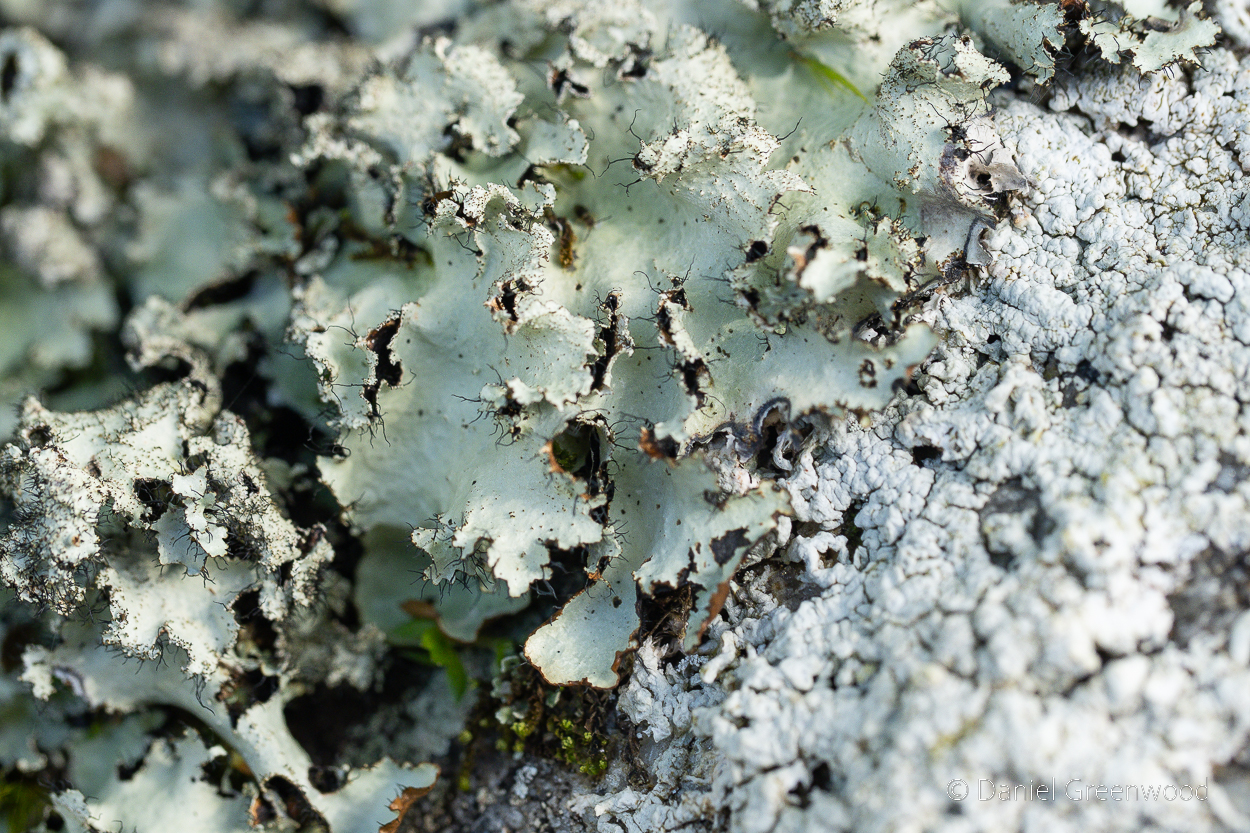
This is a species I’ve seen before but never looked at properly. It appears to be named after me – Desperate Dan (Parmotrema crinitum)! Desperate Dan from The Dandy was my inspiration as a kid because he ate lots of pies, I even had the t-shirt. I didn’t realise he was a Scottish creation.
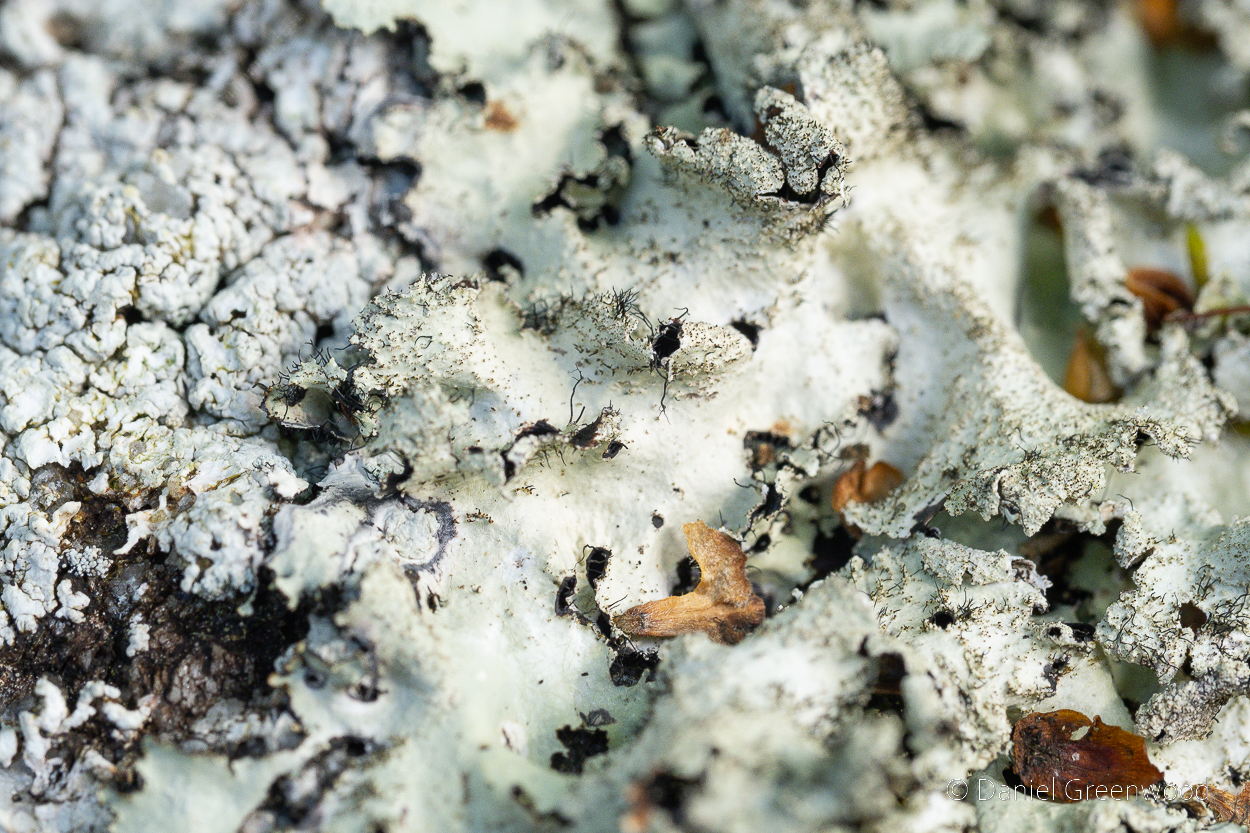
Apparently it’s named by British lichenologists because of the black ‘hairs’ protruding from the edges like Dan’s beard stubble! That’s the kind of cultural reference we need for our lichen friends.
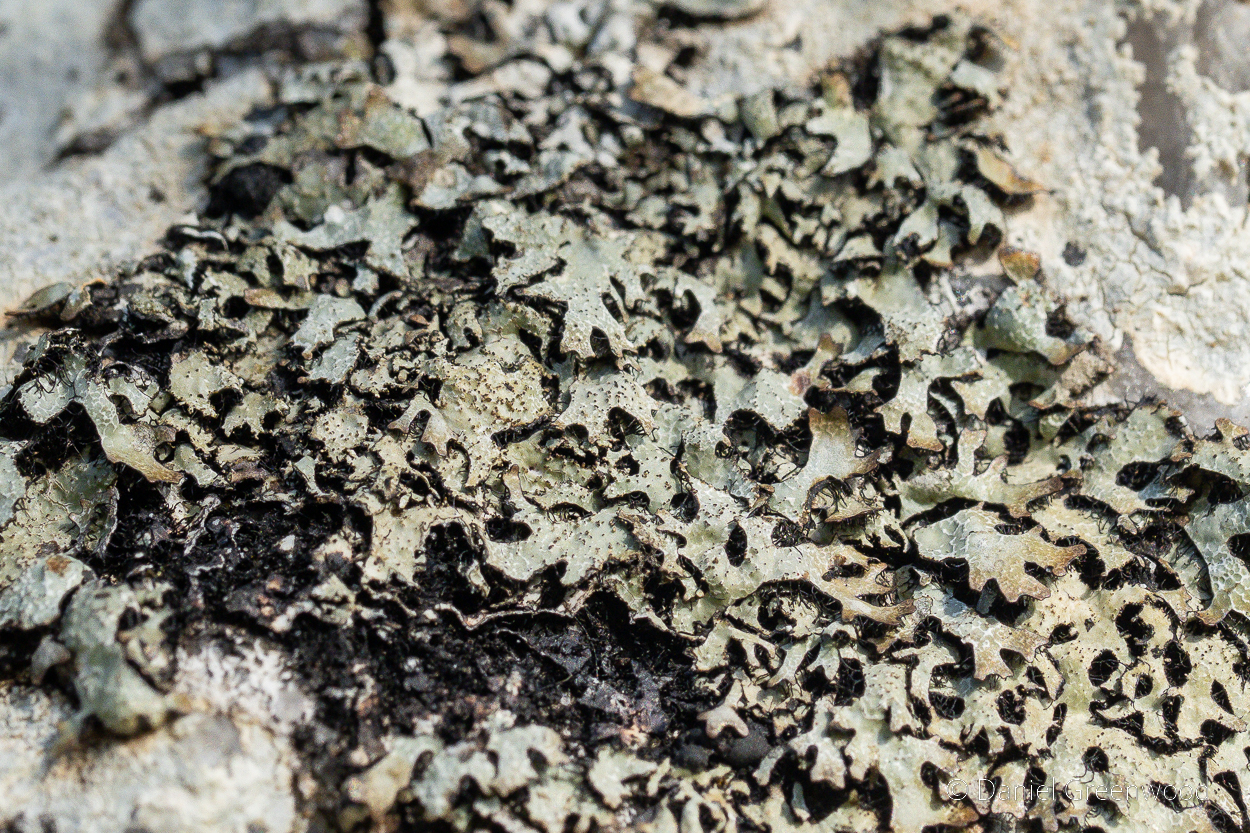
This is a shield lichen, possibly netted shield lichen, but I’m not sure.
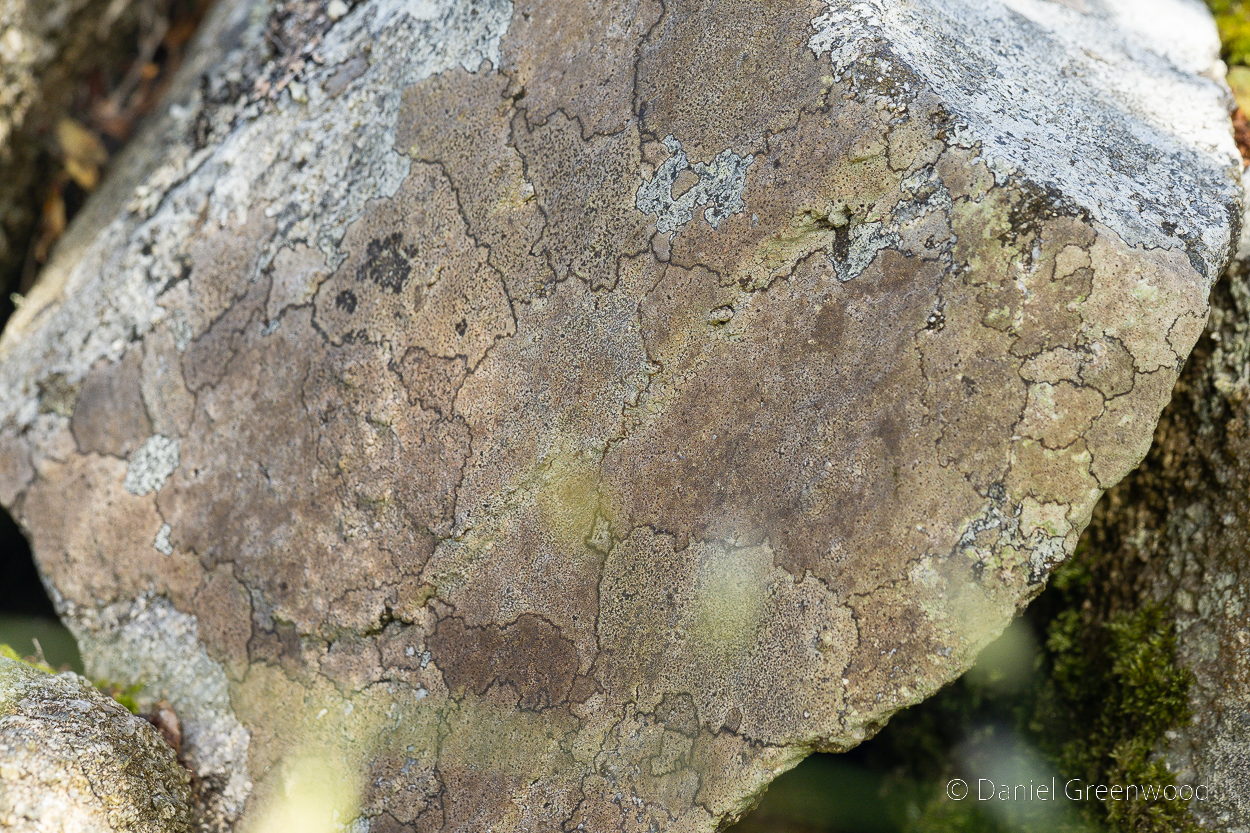
A lichen map of the world with all the districts being redrawn over time, just like us humans.
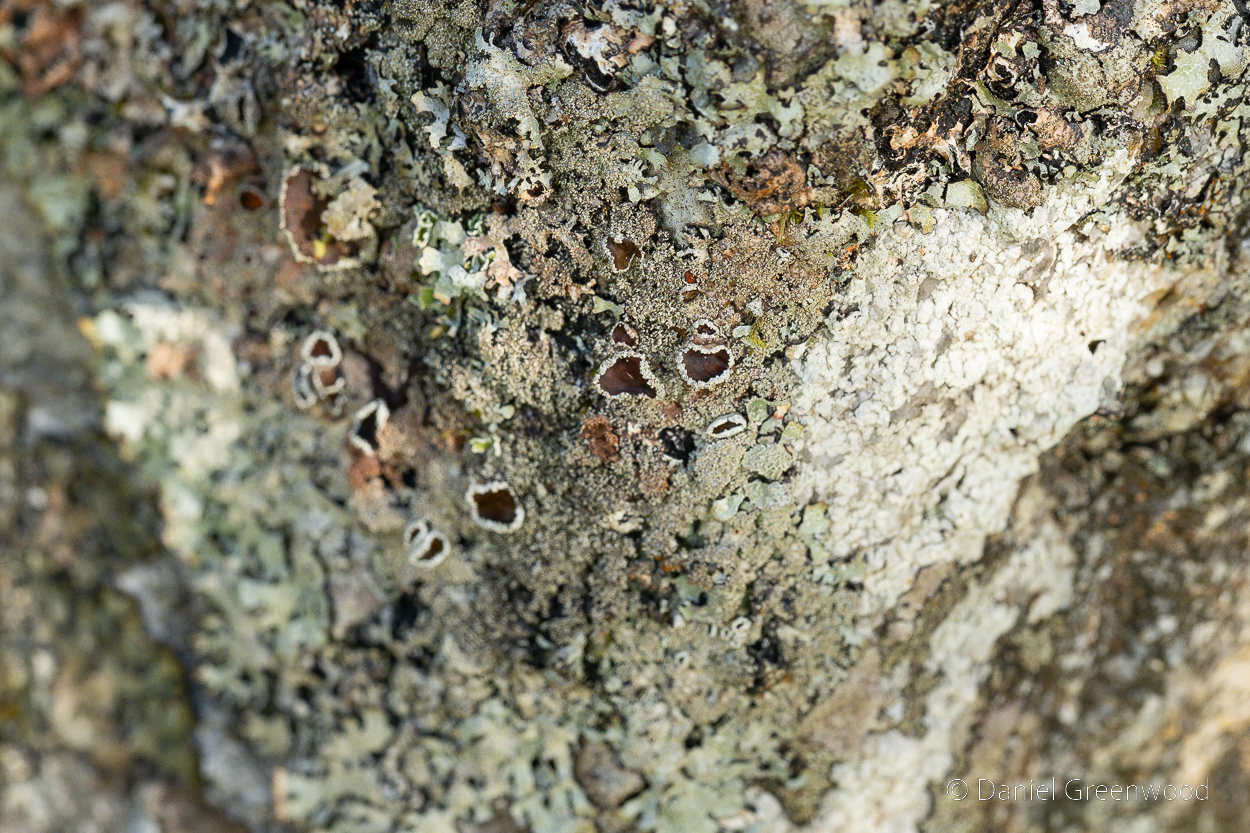
Disappointed with how the focus came out in the photo, but I like the cups.
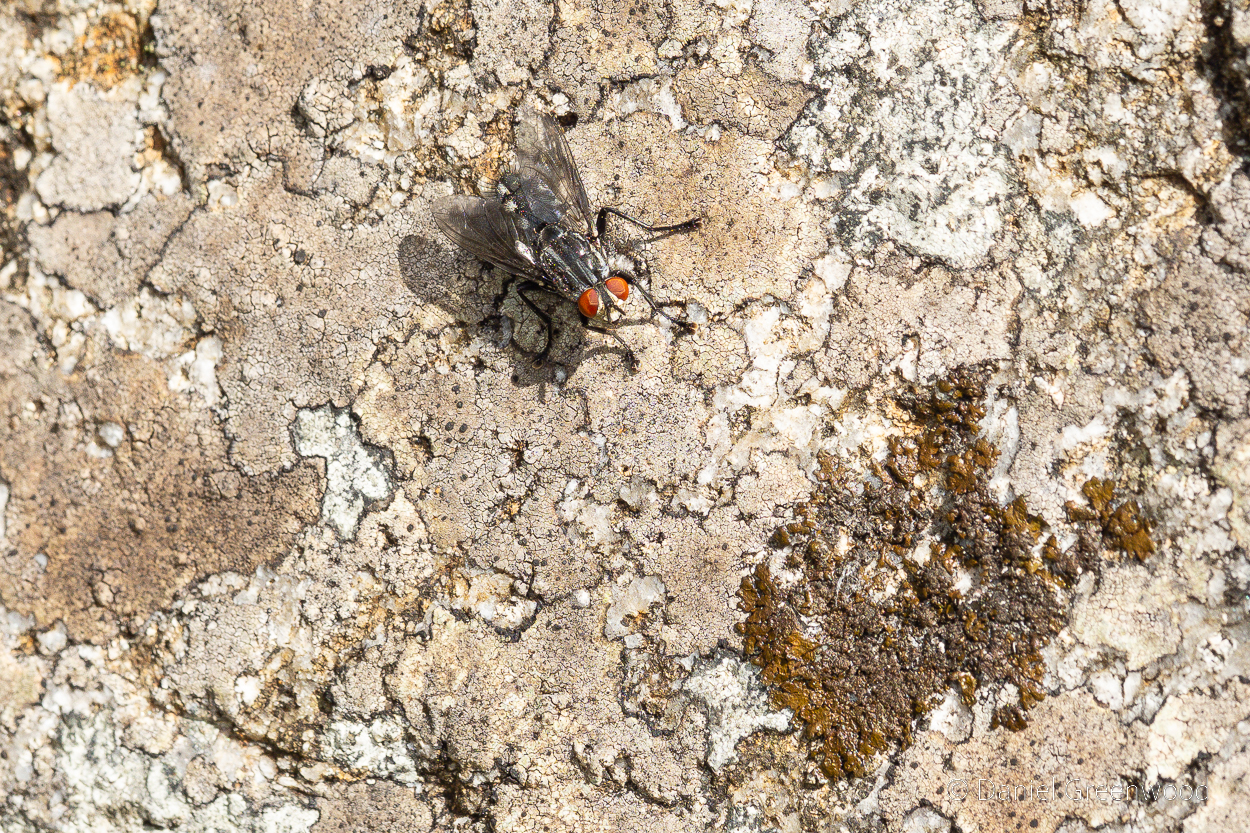
This fly was explaining the difference between crustose and fruticose lichens, but failed to identify the type of rock.
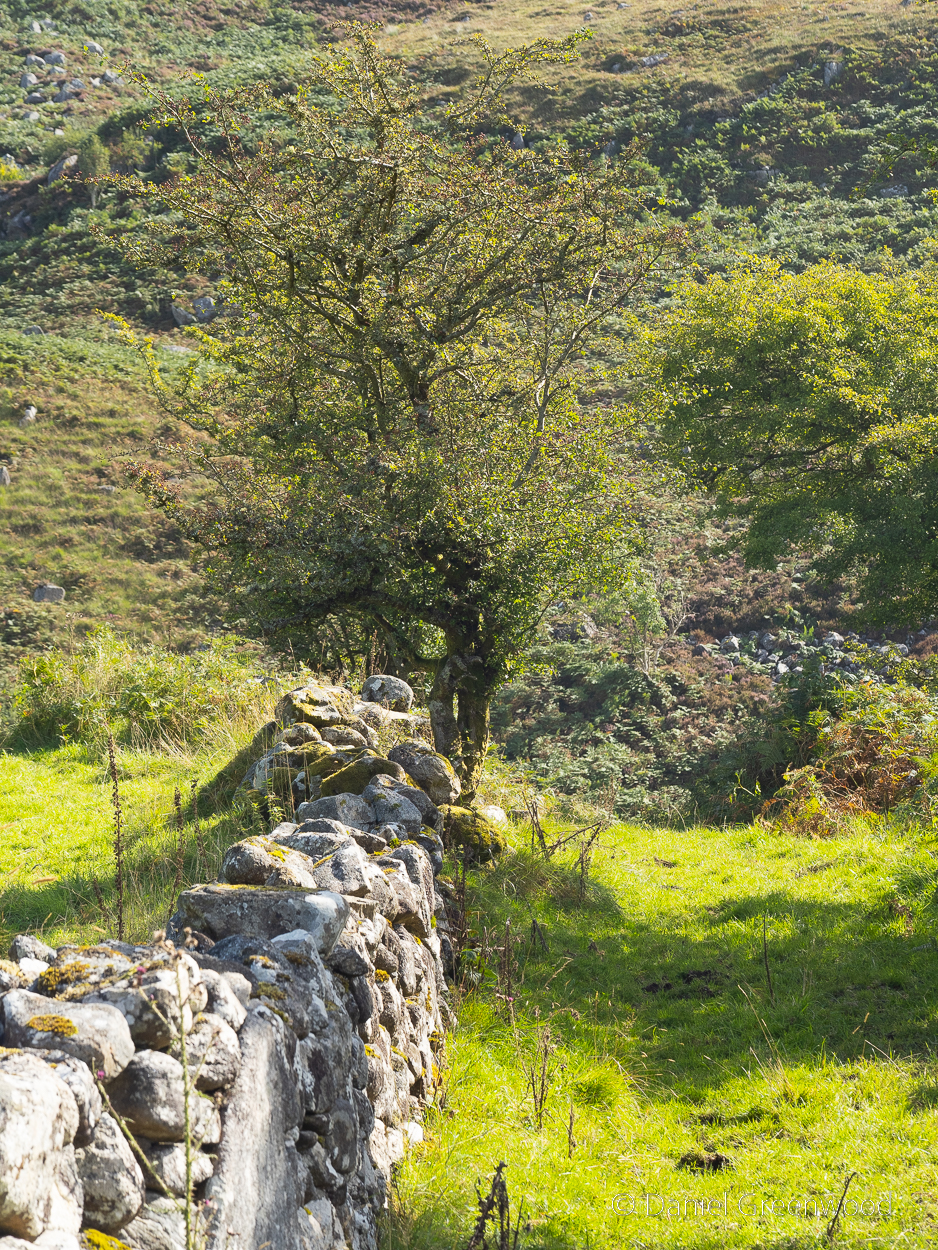
Here’s the ancient stone wall, looking down the lane to the Ox Mountains where Mayo and Sligo meet. This stretch is not being overshaded by brambles so the lichens are ok for now.
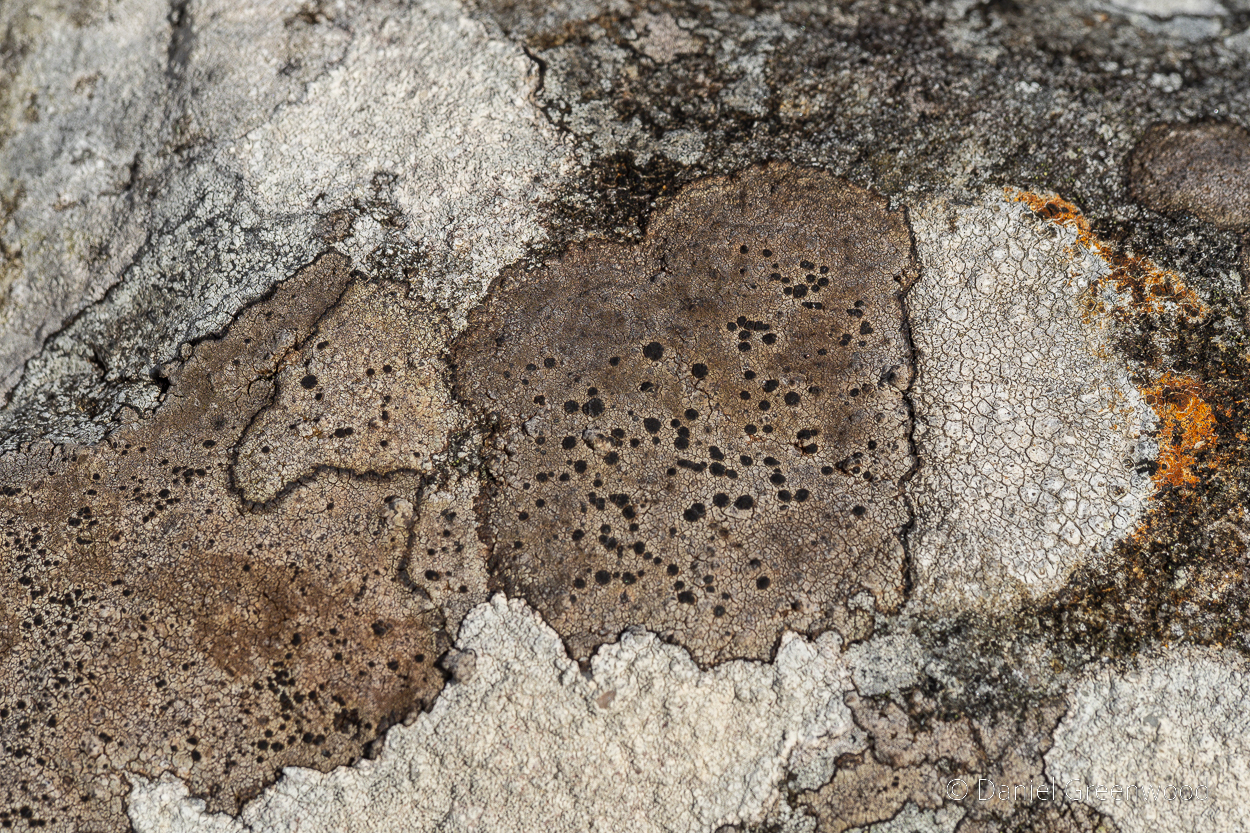
A closer look at that map of the world.
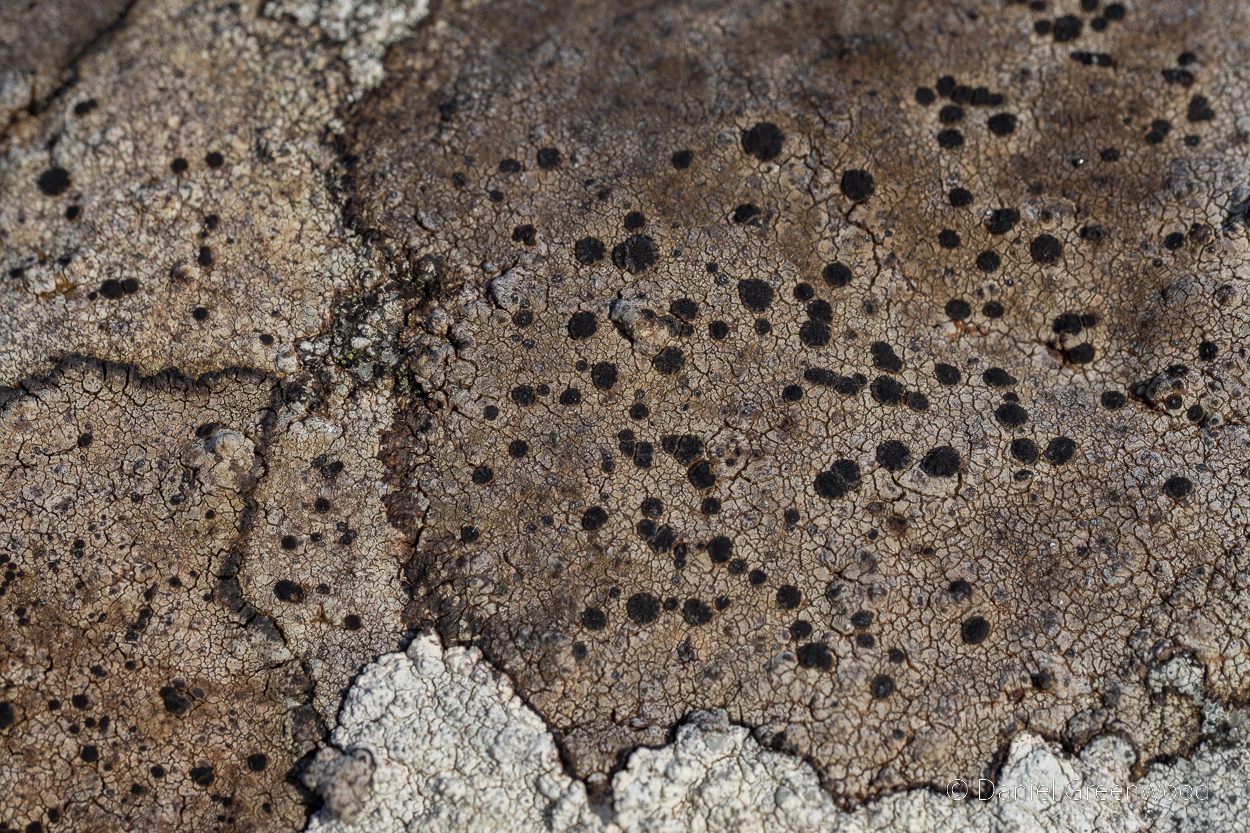
The best guess I have for this lichen is Lecidea fuscoatra.
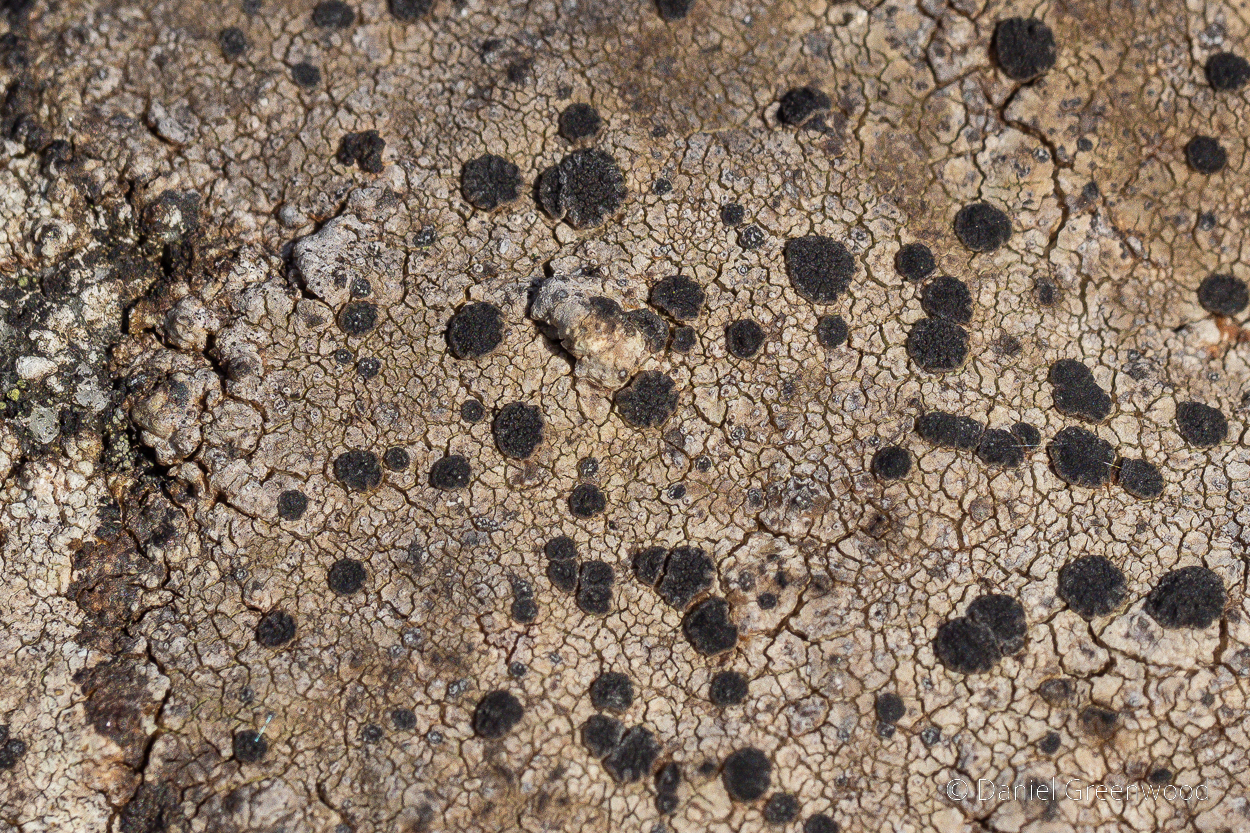
Unfortunately it doesn’t have a fun common name, so let’s give it one: black pudding lichen (the fungus-based version).
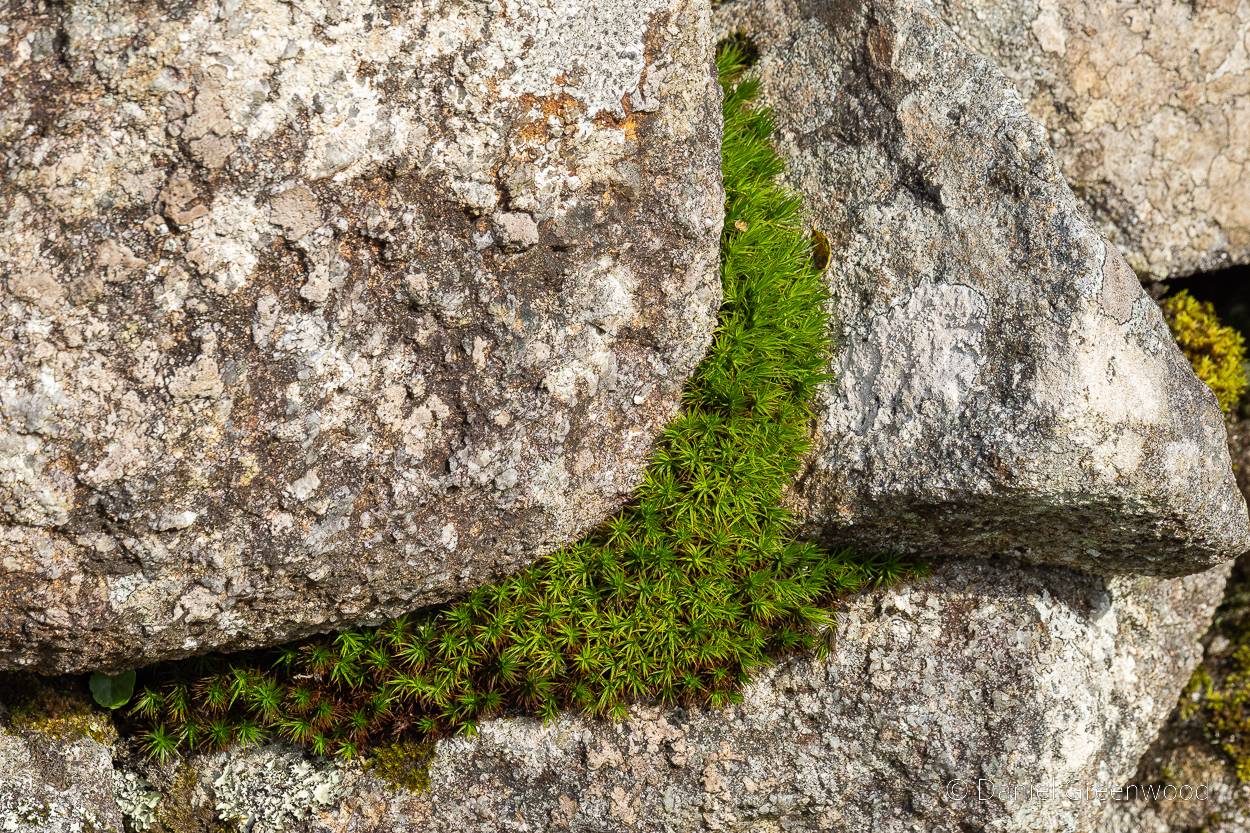
A much needed moss break.
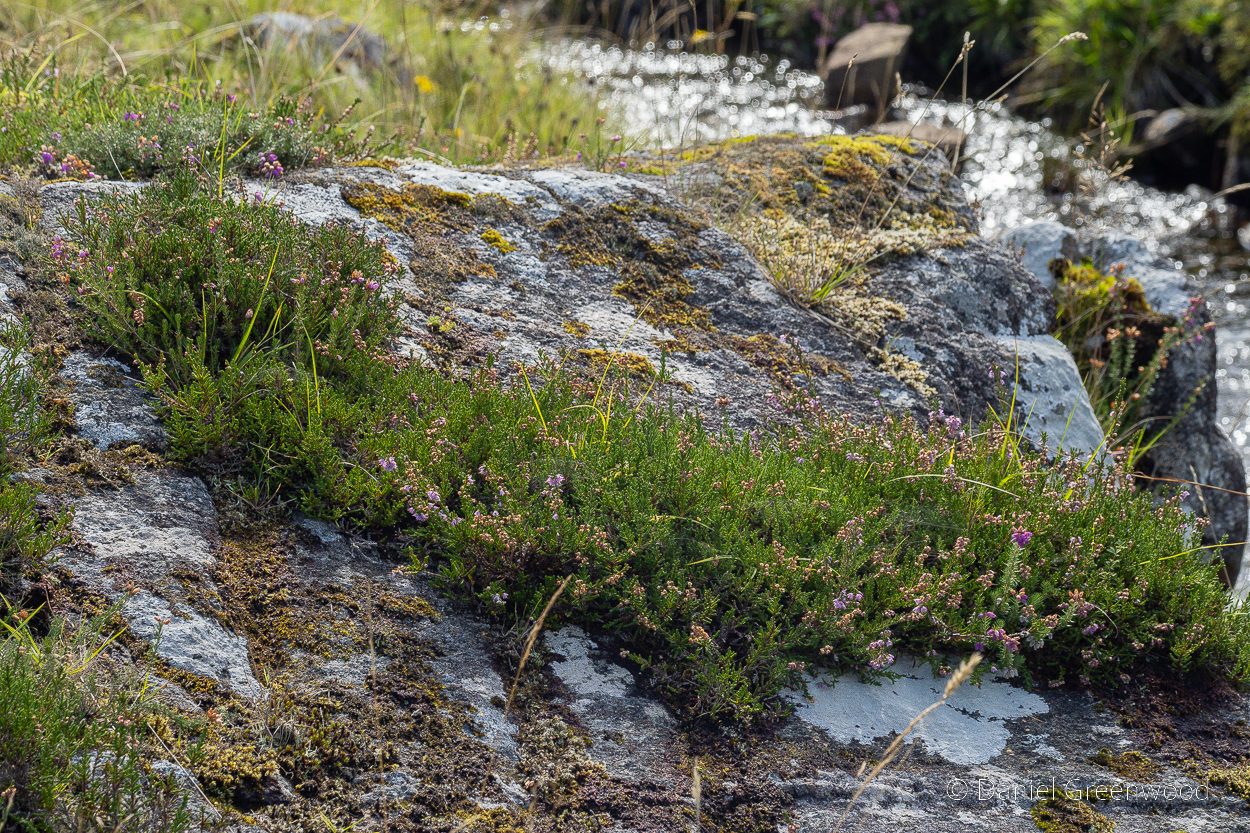
We probably need some heather, too, while we’re here.
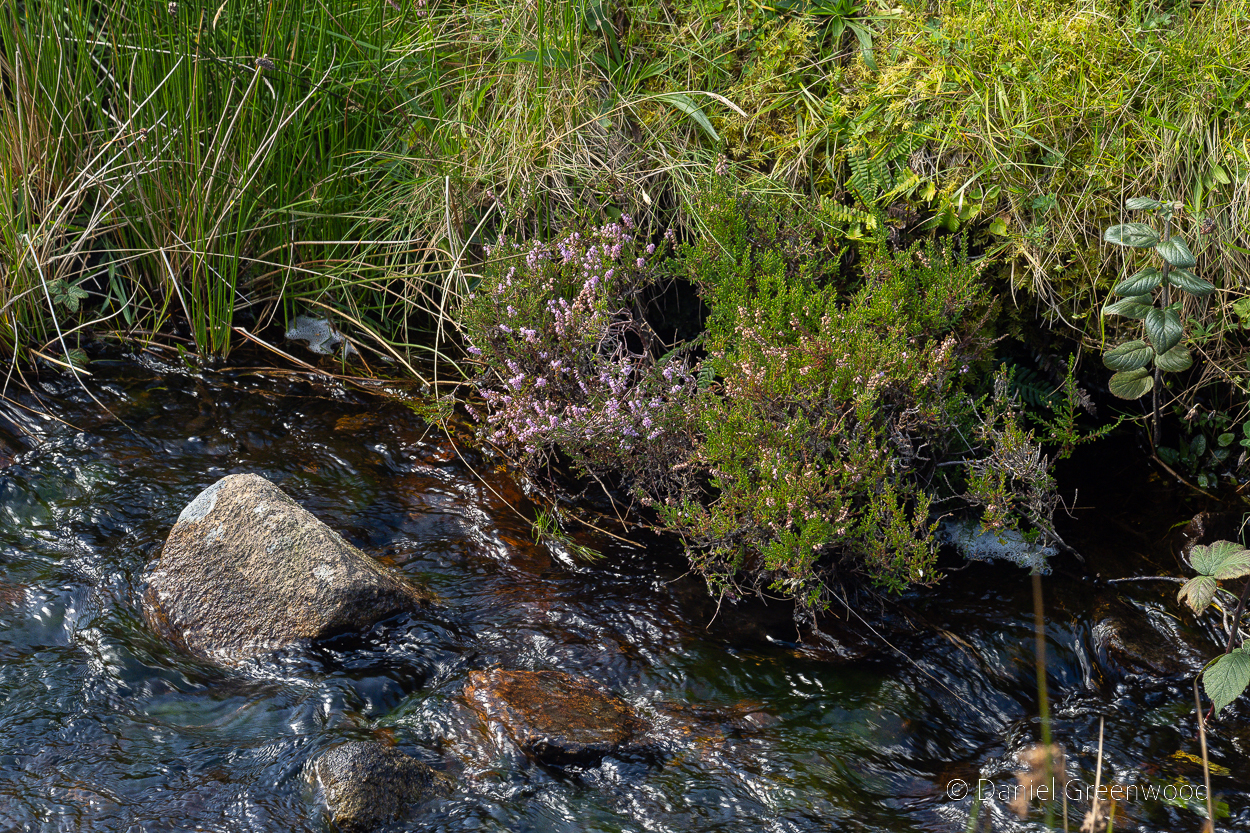
And some heather overhanging a babbling brook won’t hurt either.
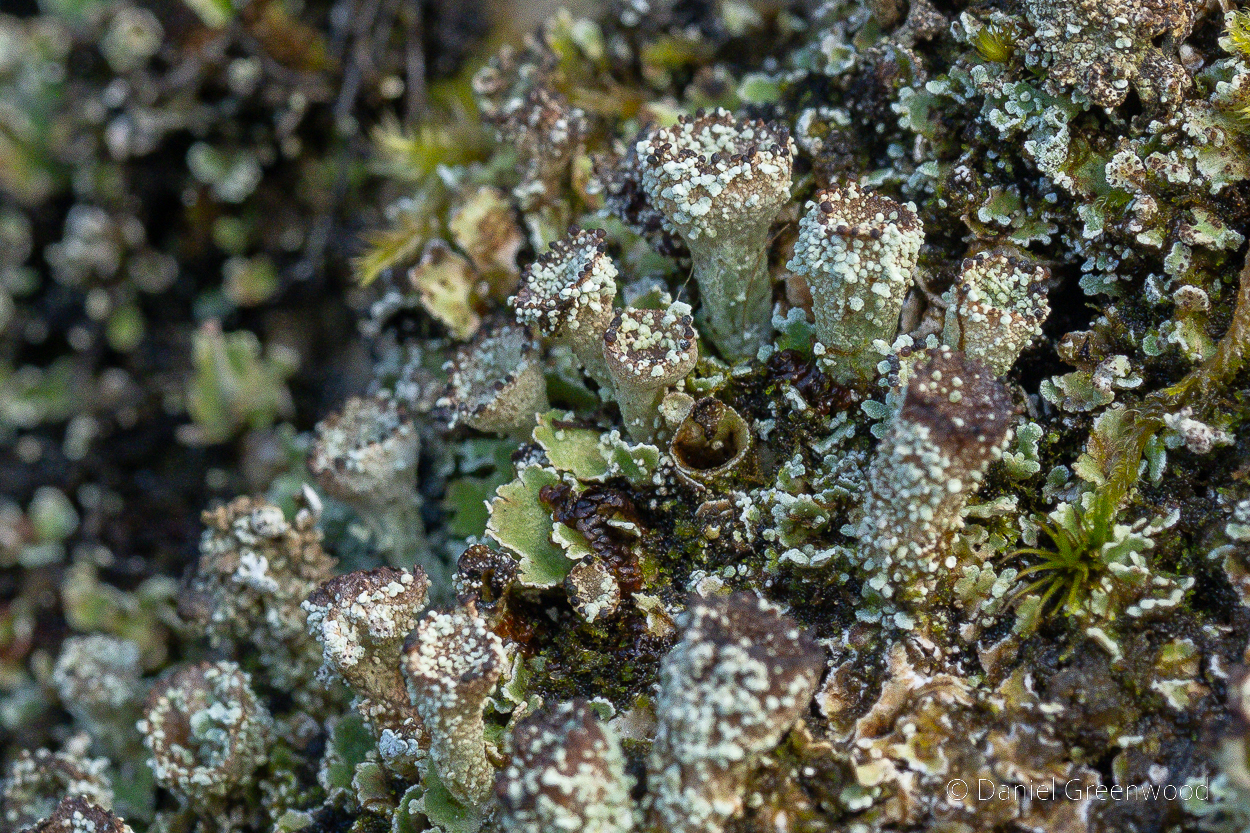
To finish this post (which I have learned quite a lot from writing, actually) let’s return to those lovely pebbled pixie cups.
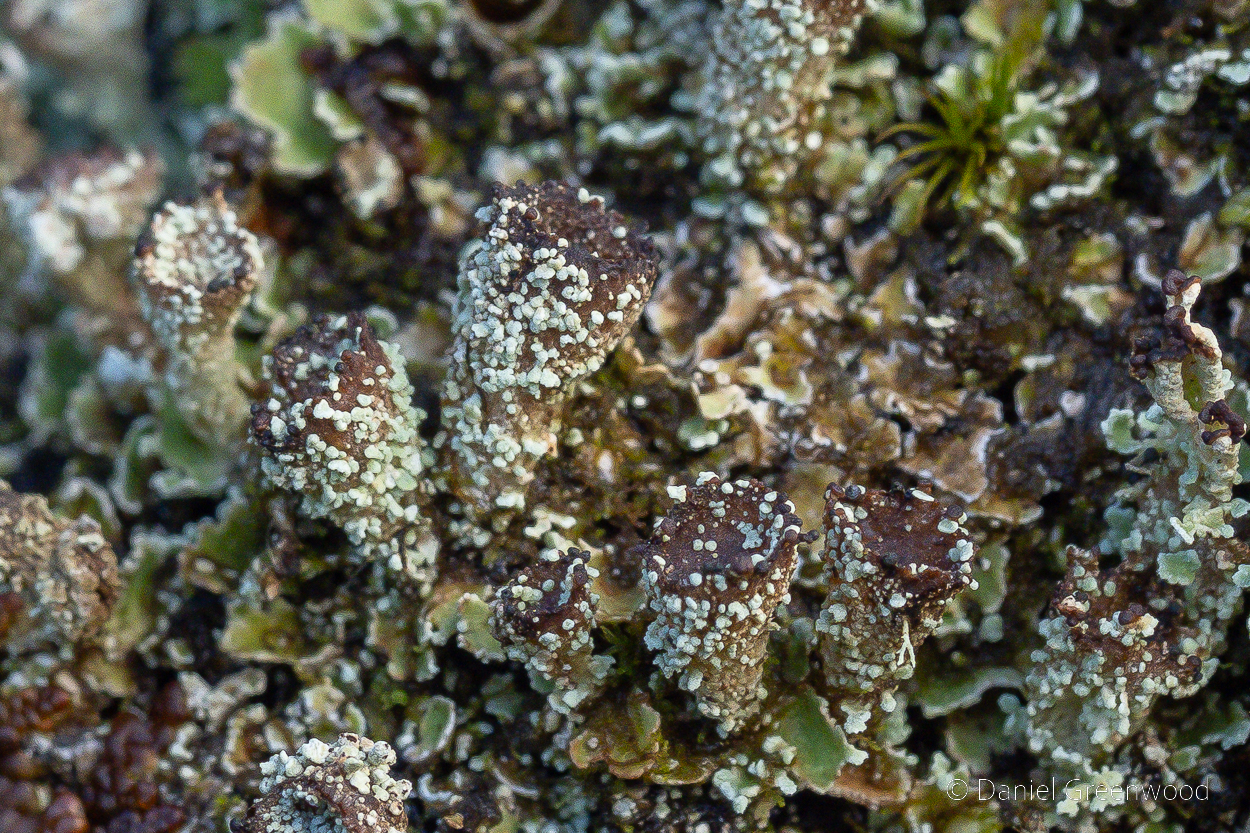
You can see more detail on them here, as I managed to improve the depth of field and focus
Thanks for reading.


Leave a Reply