National Trust Sheffield Park, Fletching Parish, East Sussex, September 2025
A journey into the other half of Sussex! Sheffield Park is a wonderful park and garden near Uckfield in East Sussex. It’s free to National Trust members to enter but there’s a fee otherwise.
Sheffield Park is Grade I listed due to the autumn colour in the grounds, and I think it’s a very good place to see/photograph fungi. Because access is controlled and it has such a range of different tree species, it means there’s limited footfall, making the park a dynamic, diverse habitat for fungi.
You can read the National Trust’s policy on foraging here, though it may vary from site to site.

The park gets its name from the fact it was gifted to the Baron of Sheffield in 1781. Like much of England, rural Sussex is framed by Norman land ownership systems dating back nearly 1000 years (‘baronies’).
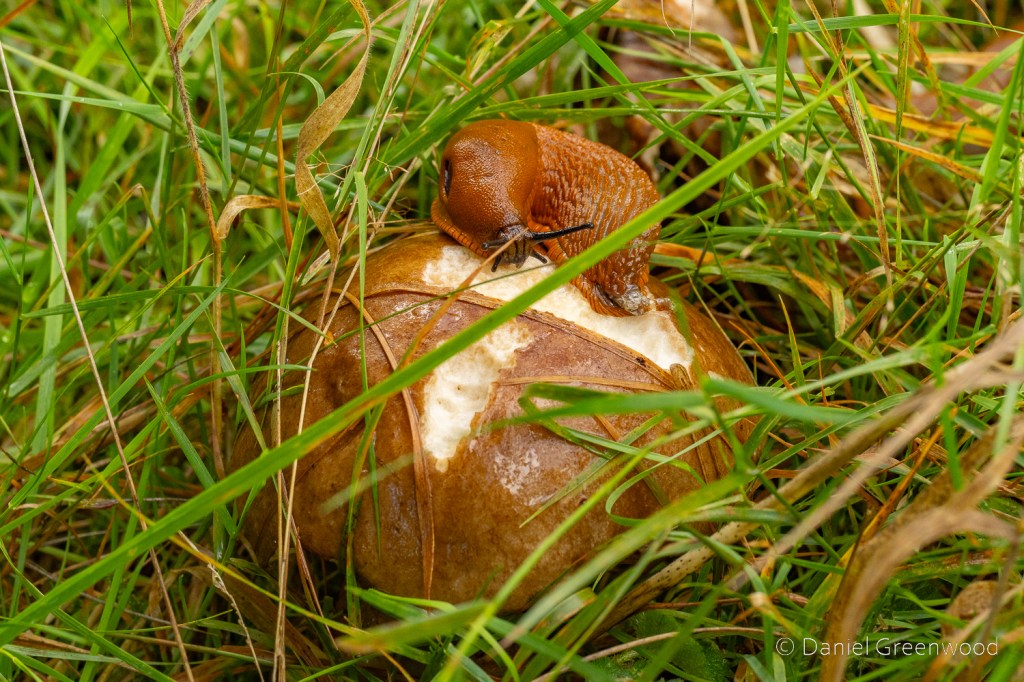
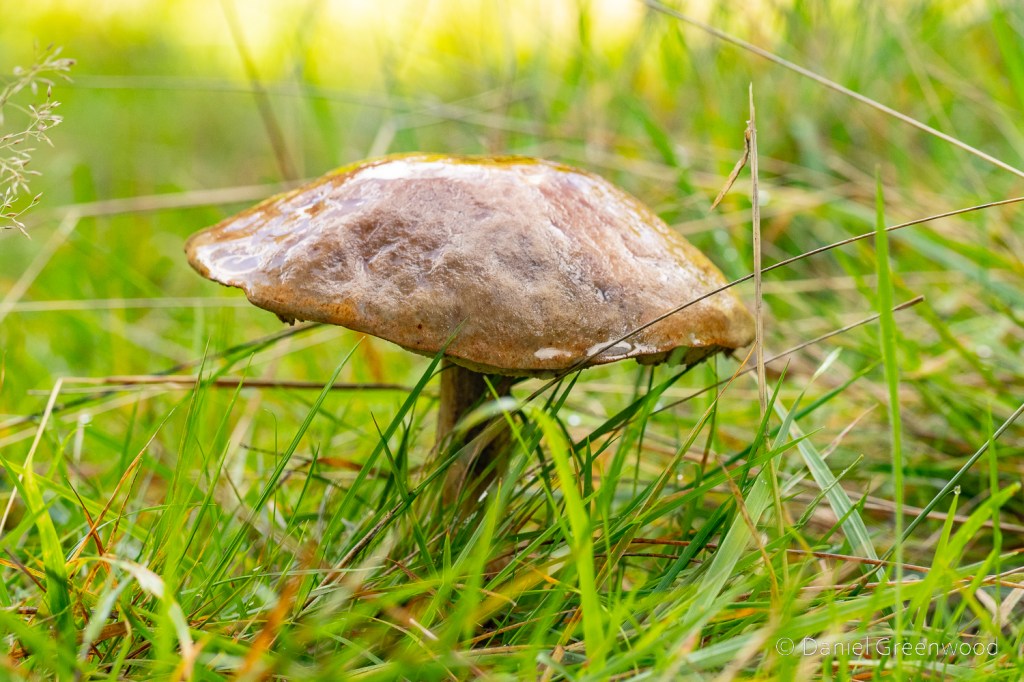
Onto the mushrooms. My first sightings were of some rather soggy and sluggy boletes in the grasslands under trees. There’s probably a mix of birch boletes and maybe the odd Boletus edulis here, more of which later.
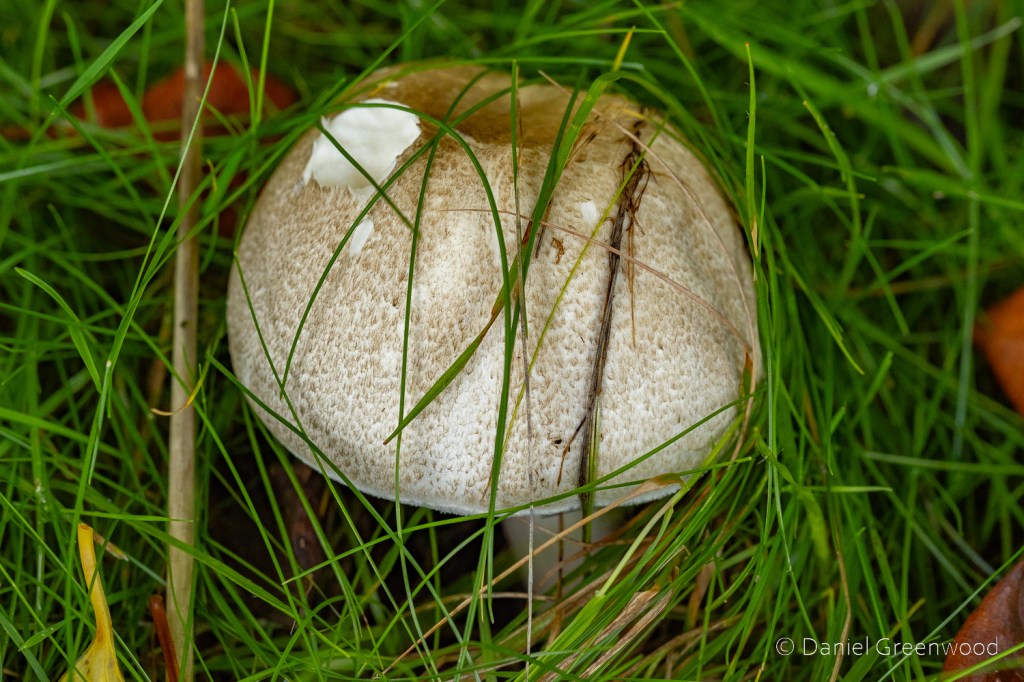
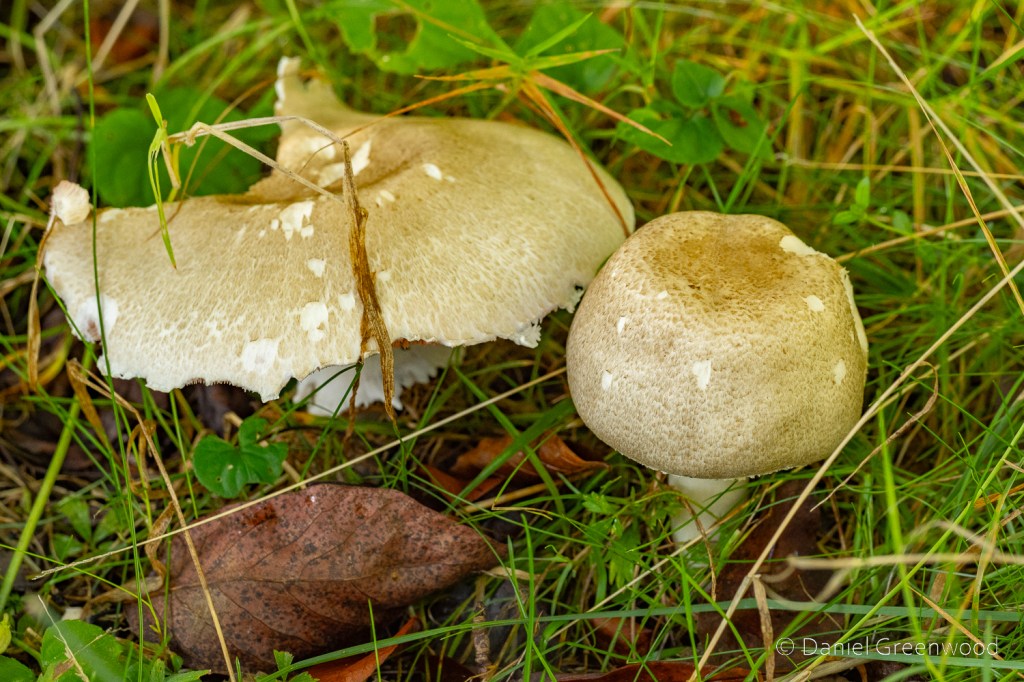
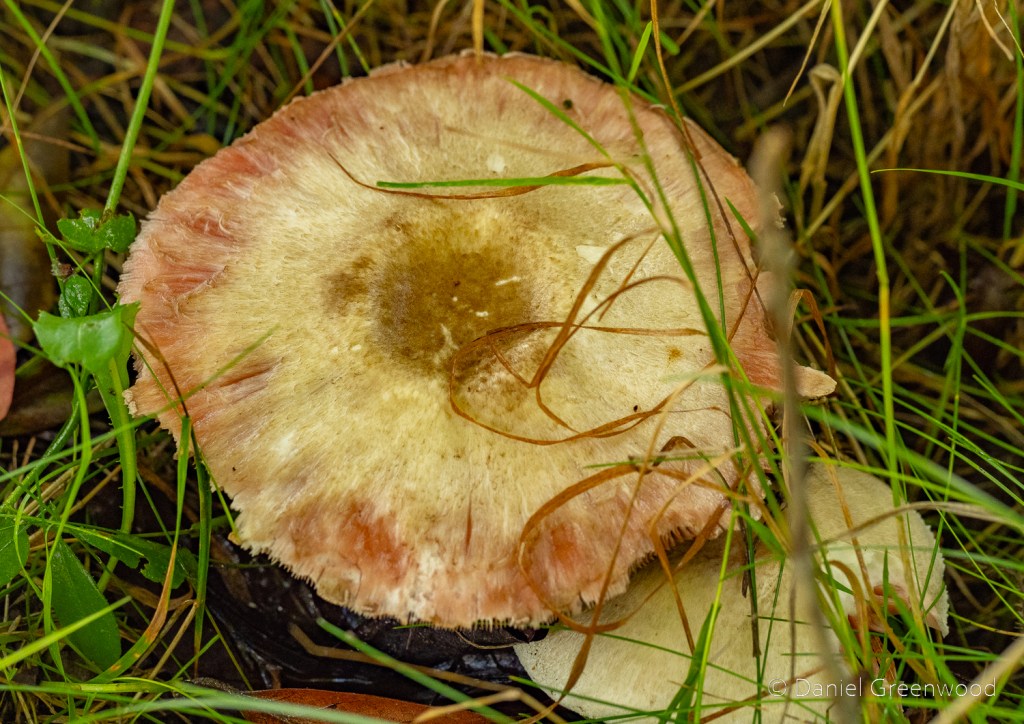
I may have conflated two agaricus mushrooms here (if that’s even the right group), but I recognise both the squared cap of the first mushroom, and the pink blush to the edge of the third one. Late summer/early autumn is definitely when you see more of these grassland agarics, before the heavier autumn rain that melts them away.
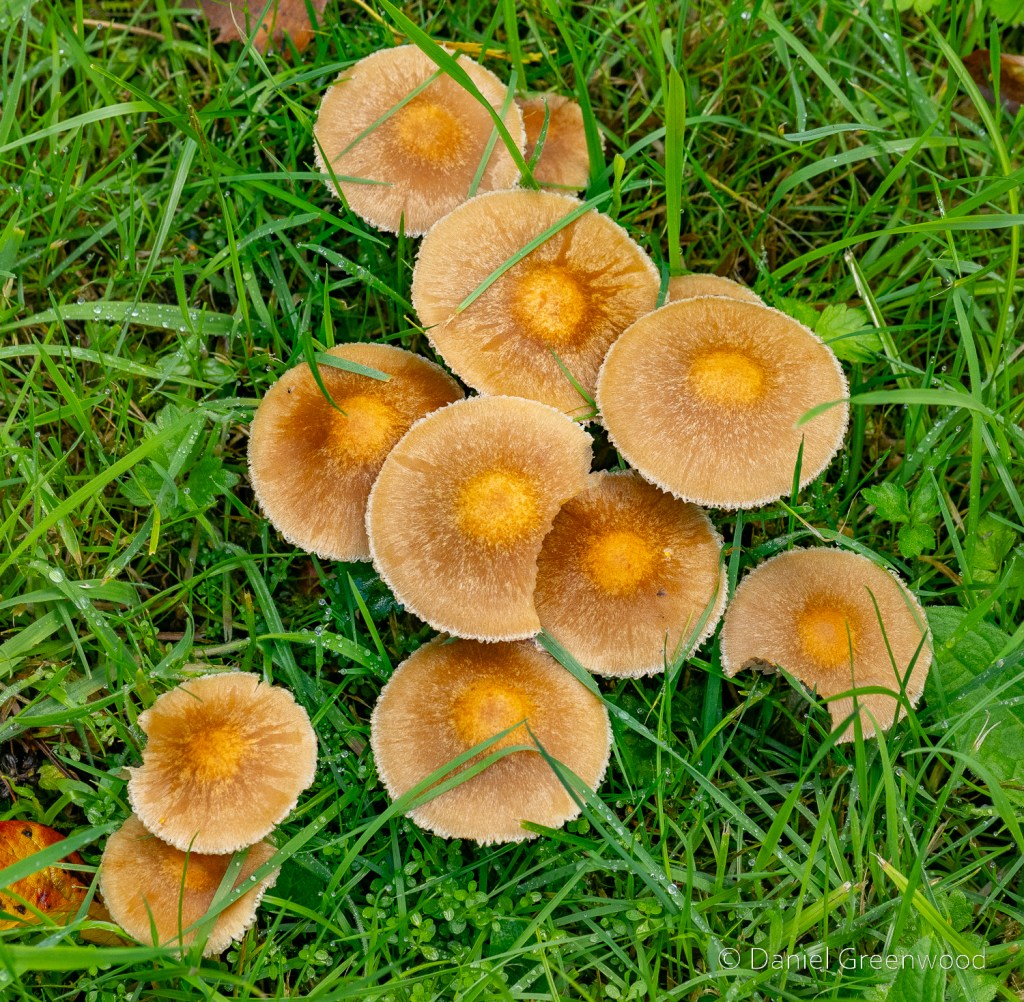
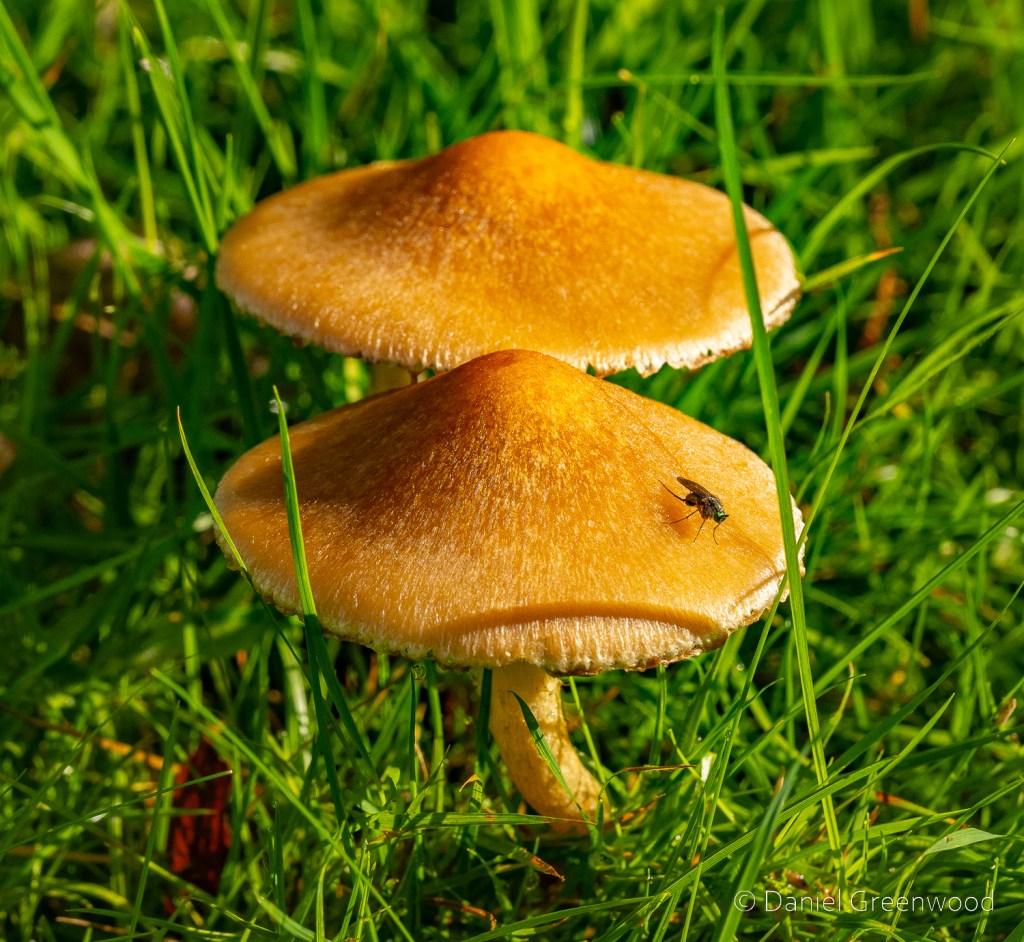
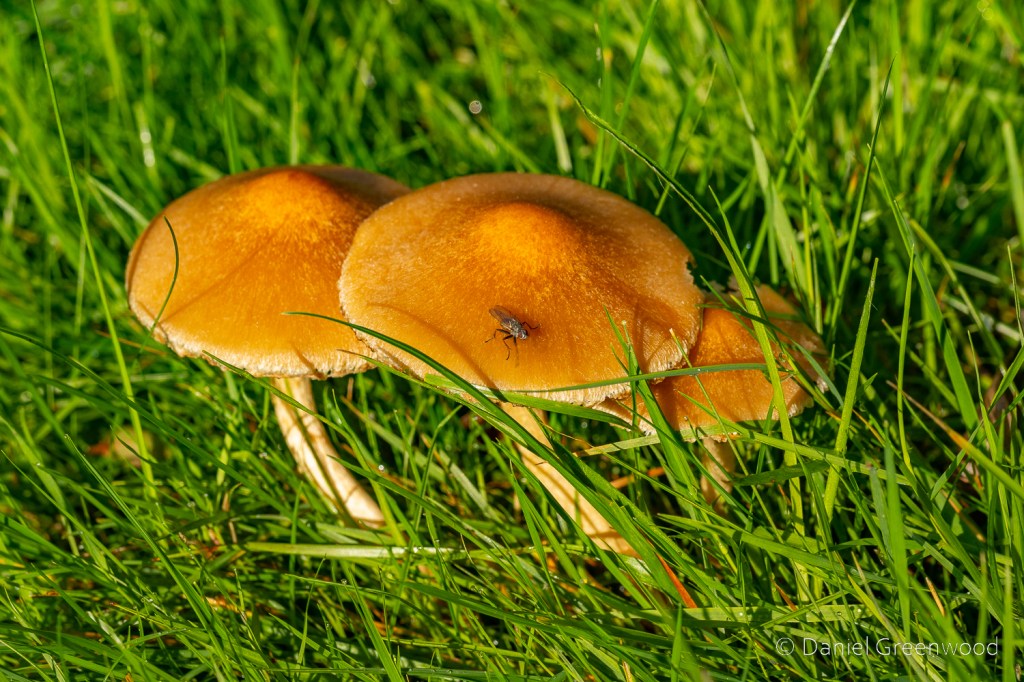
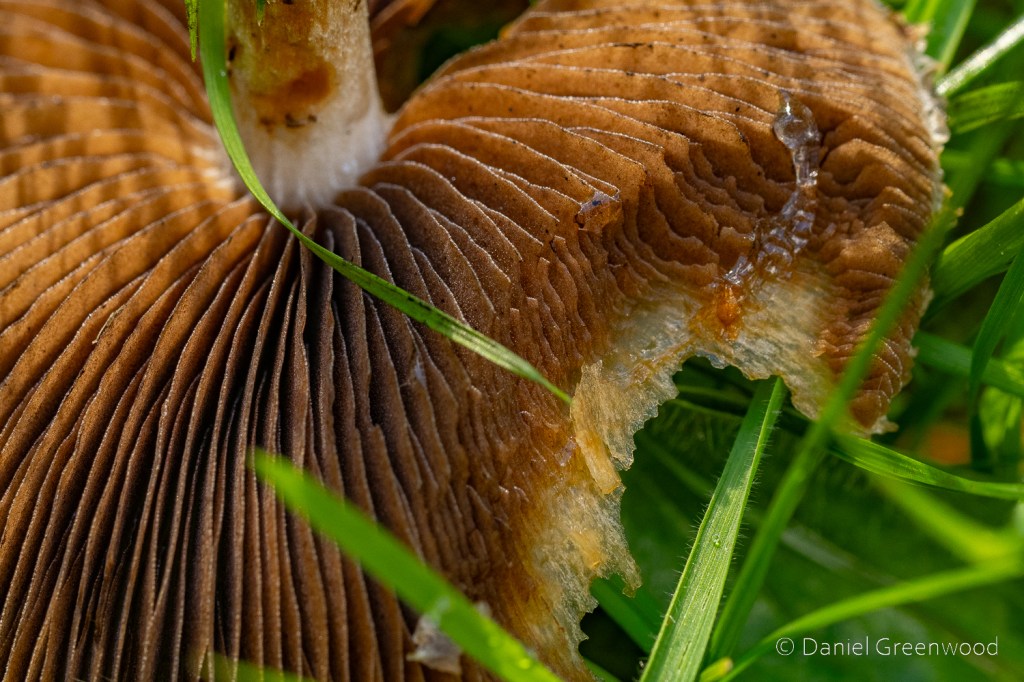
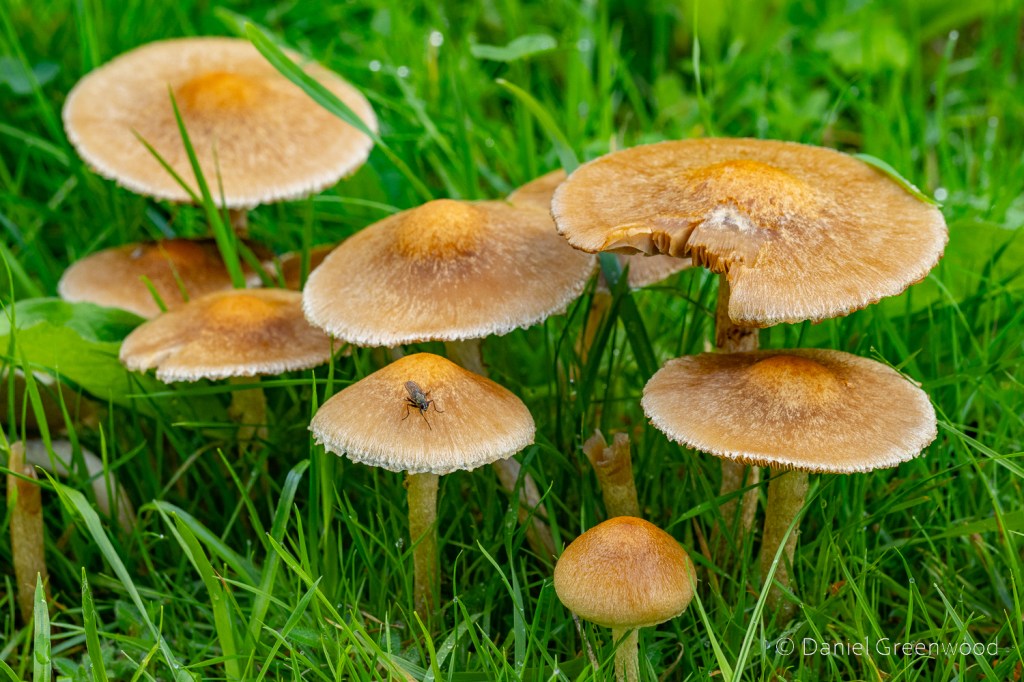
These charming golden-brown mushrooms were sitting in some lovely late-afternoon light. I’m going to throw them in with the large brittlestem and inkcap family.

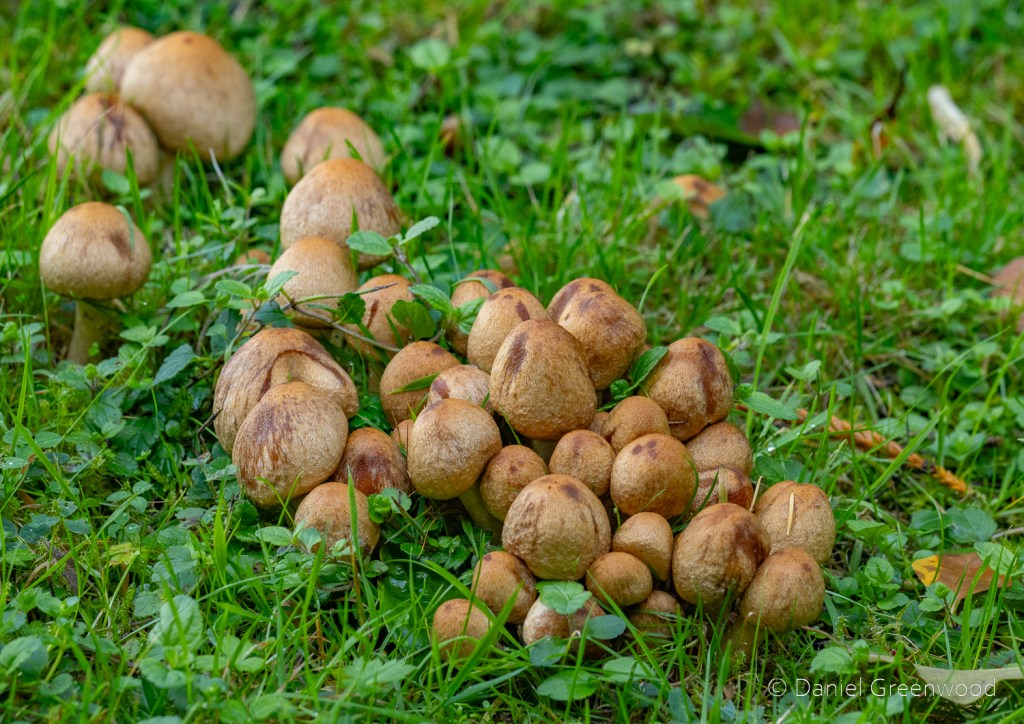
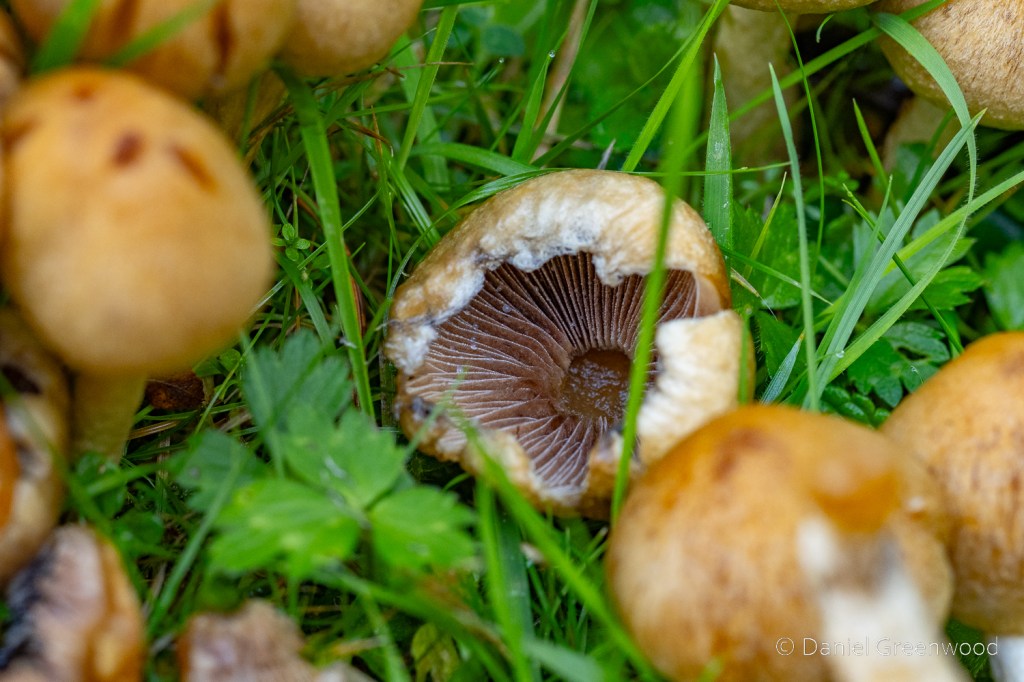
This could well be the same species as above, but they were in a different state. It’s such a joy to see the new flushes of mushrooms in the lawns at this time of year.
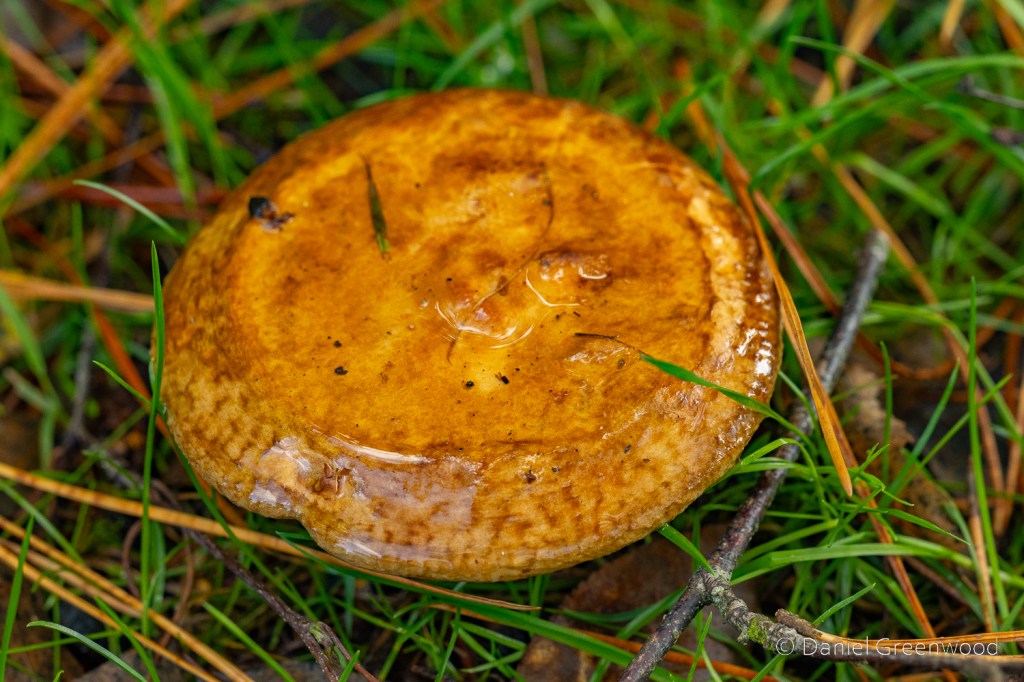
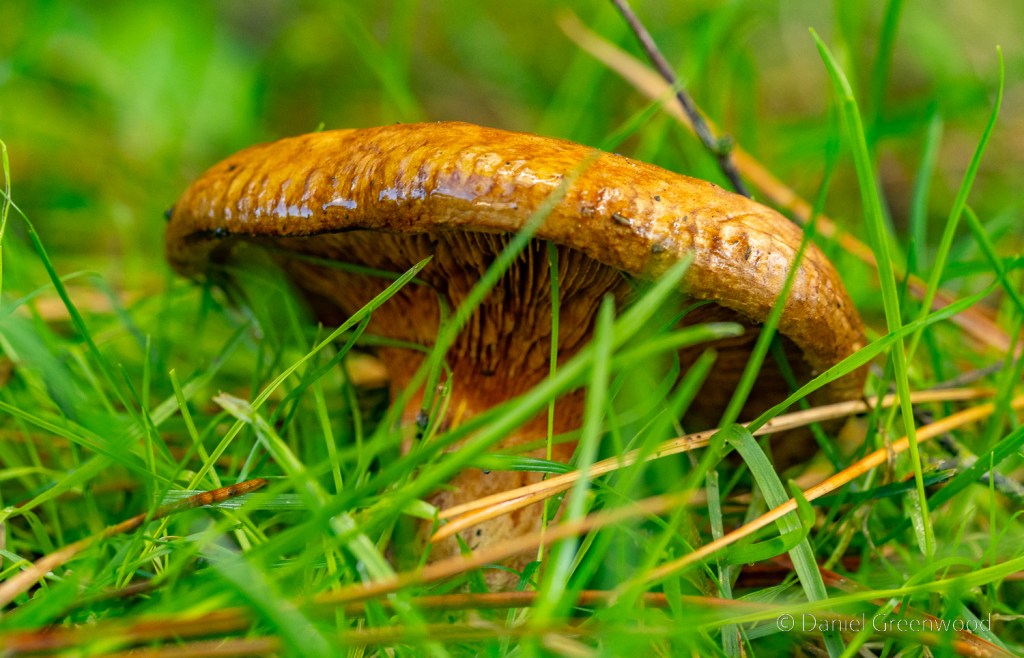
Rollrims seem to be common in mid-September, and Sheffield Park had its fair share. Brown rollrim is deadly poisonous to eat.
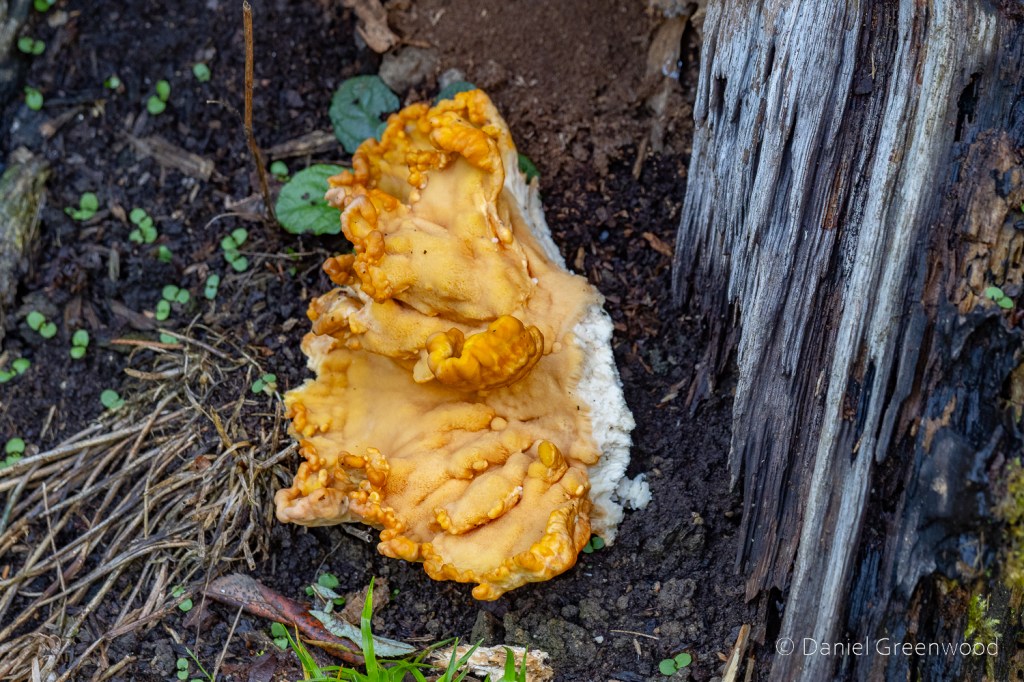
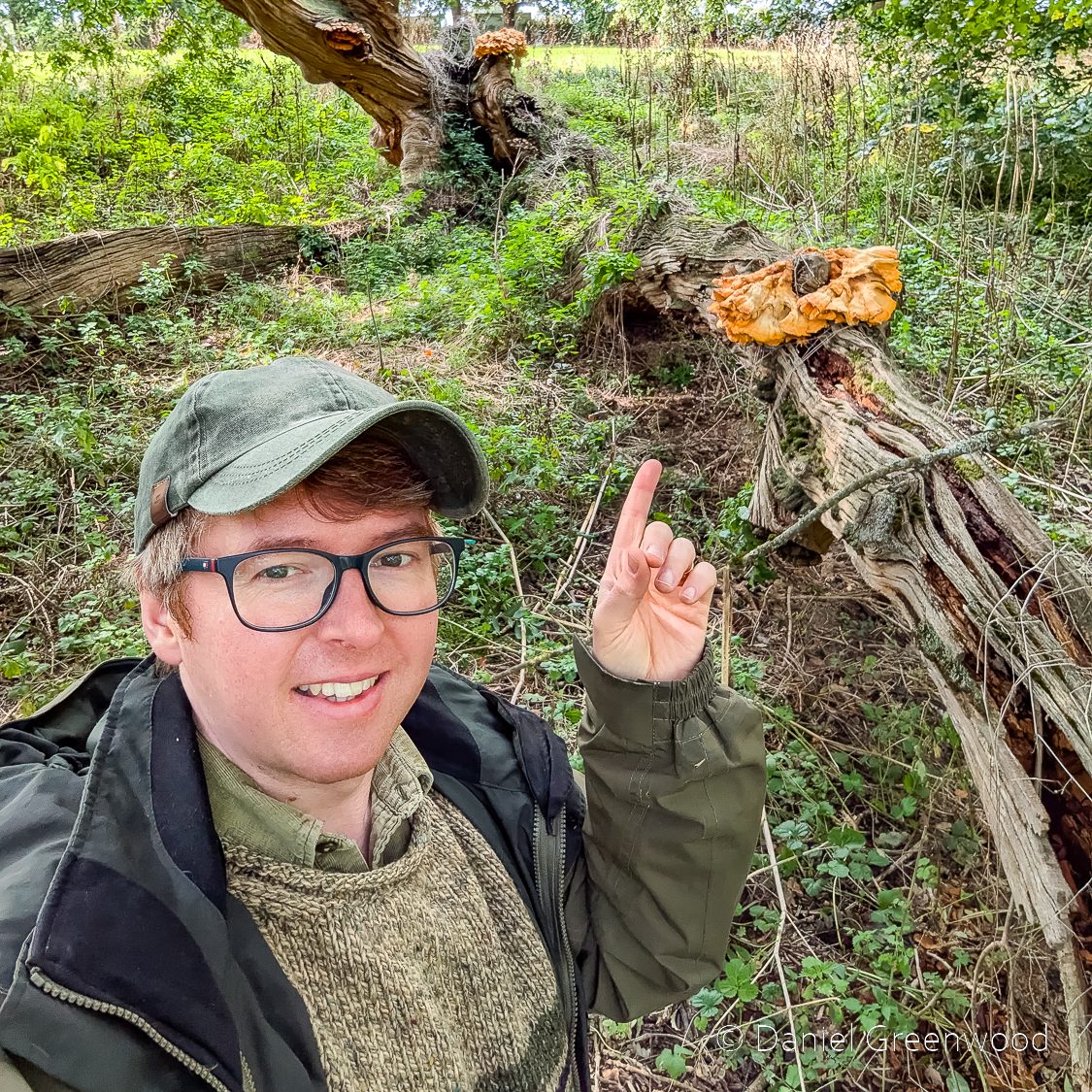
A rather fried chicken-looking chicken of the woods. This had fallen off an old chestnut tree.

This rather grumpy looking bracket is a Ganoderma, either artist’s or southern bracket. The fruiting bodies can persist for decades.
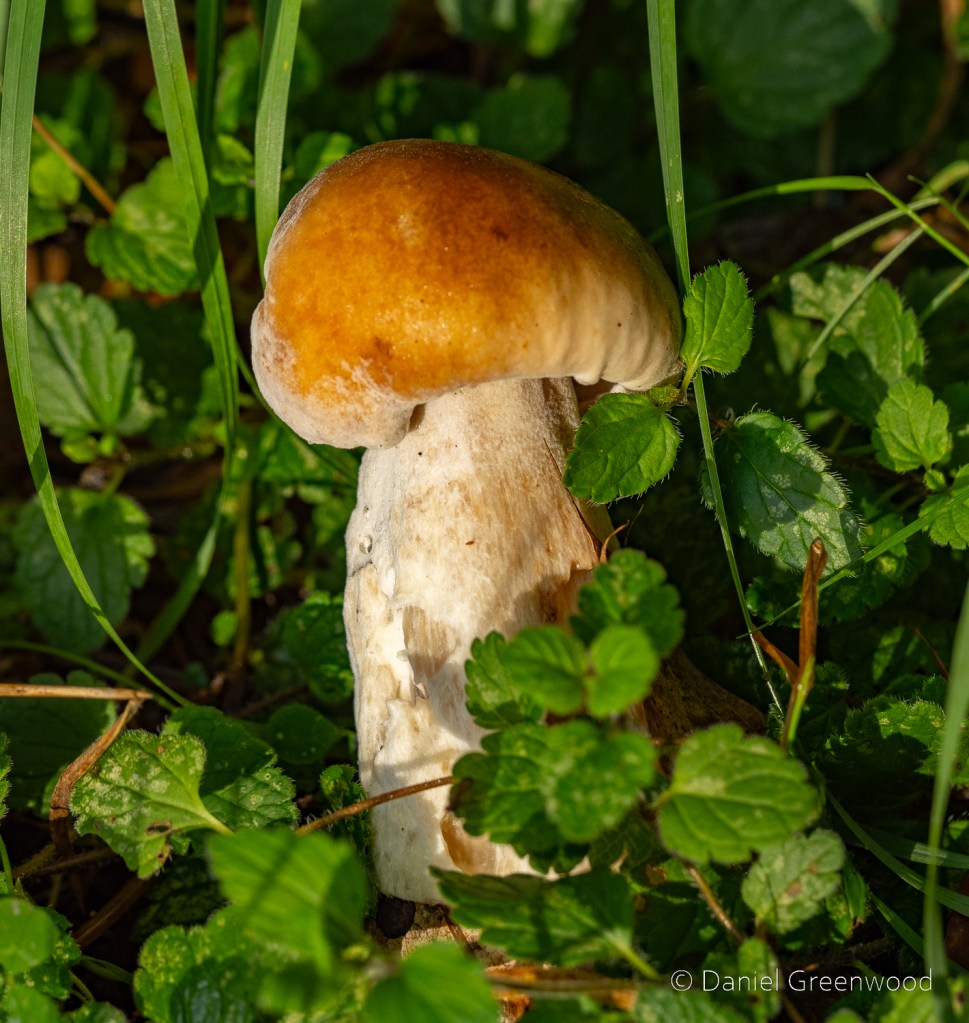
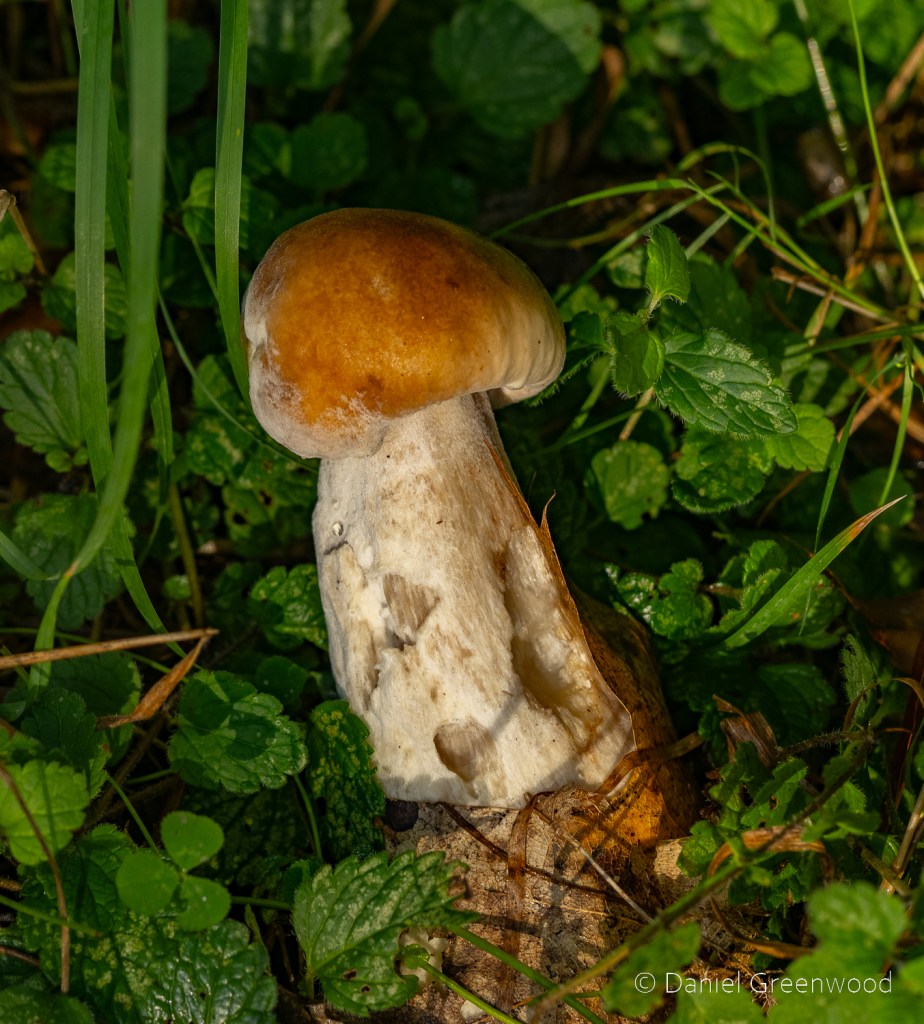
Far more ephemeral was this Boletus edulis (cep, porcini, etc.) which had already been nibbled by slugs and the like.
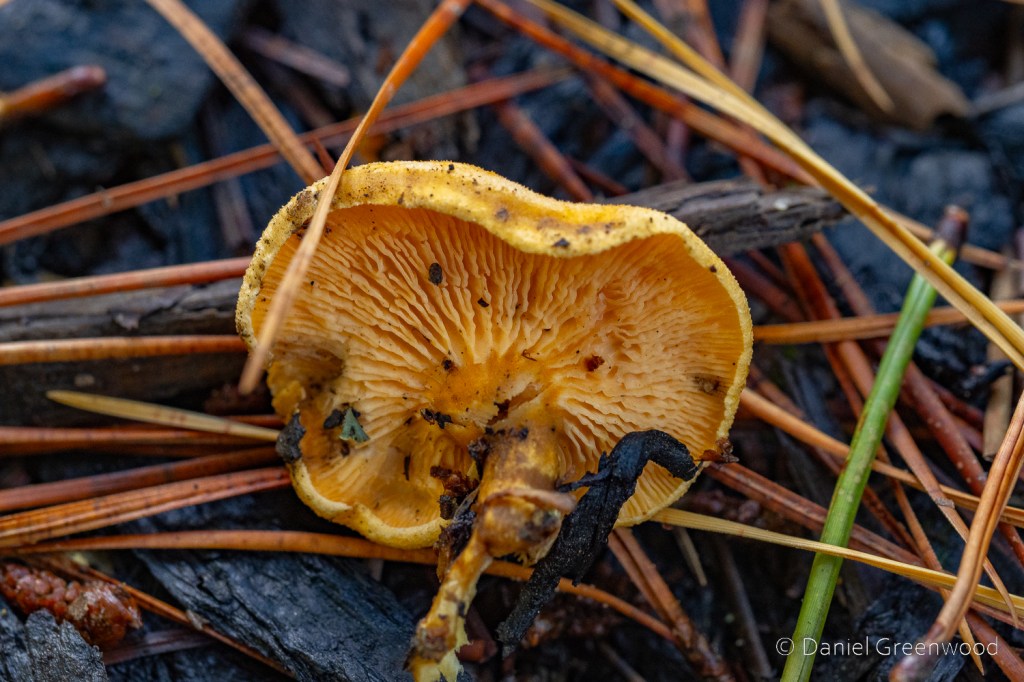
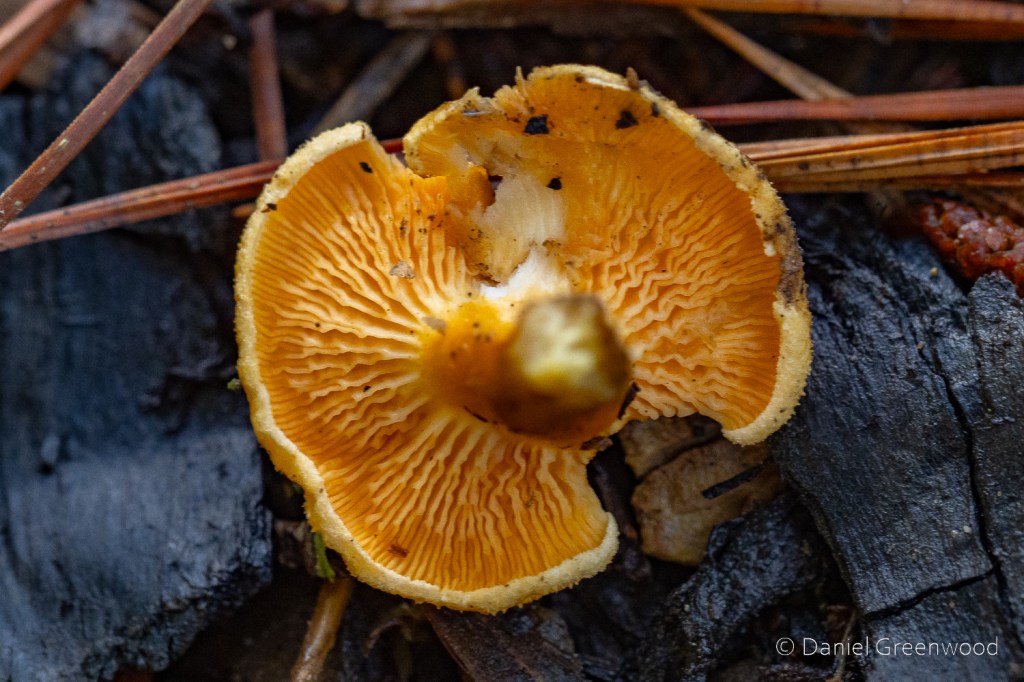
You can tell when the foragers have been and gone (this is the National Trust’s position on foraging on their land). These are false chantarelles that had been picked to check the gills. Elsewhere, I saw the de-capped stipes of brown birch boletes.
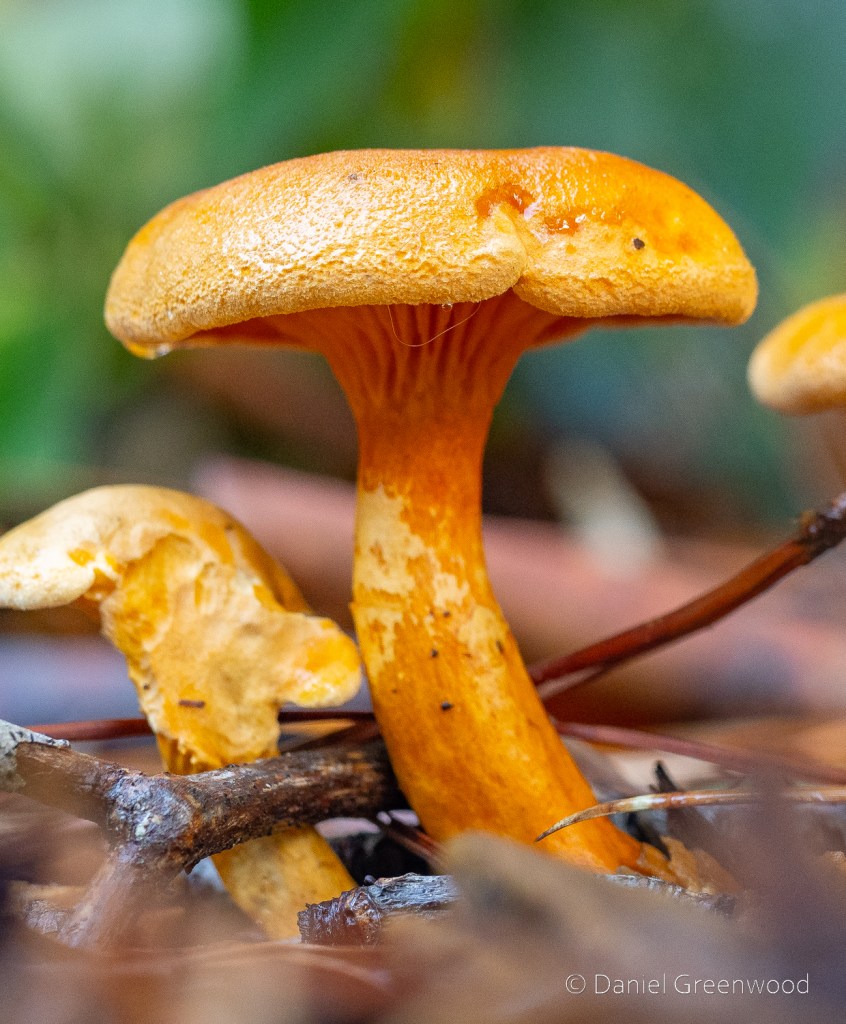
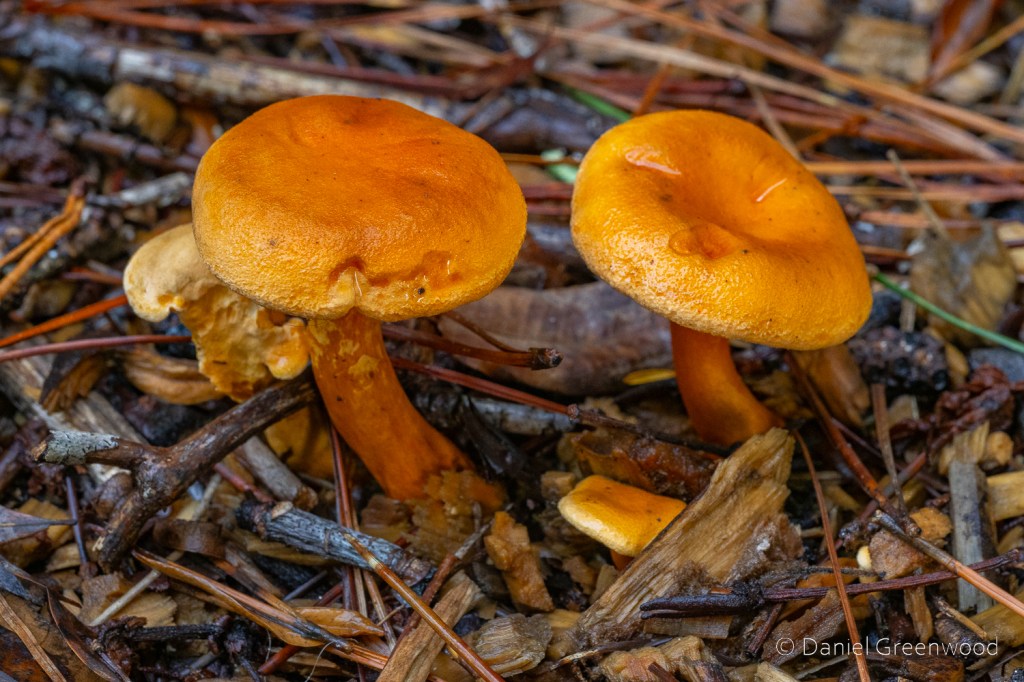
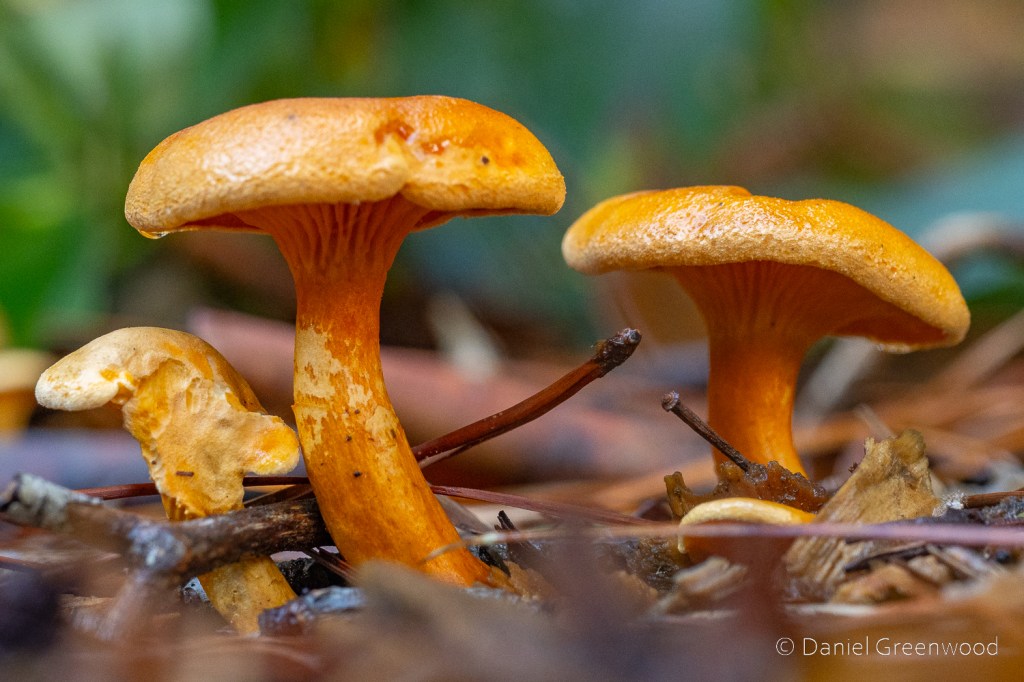
There were a lot more of those false chantarelles nearby.

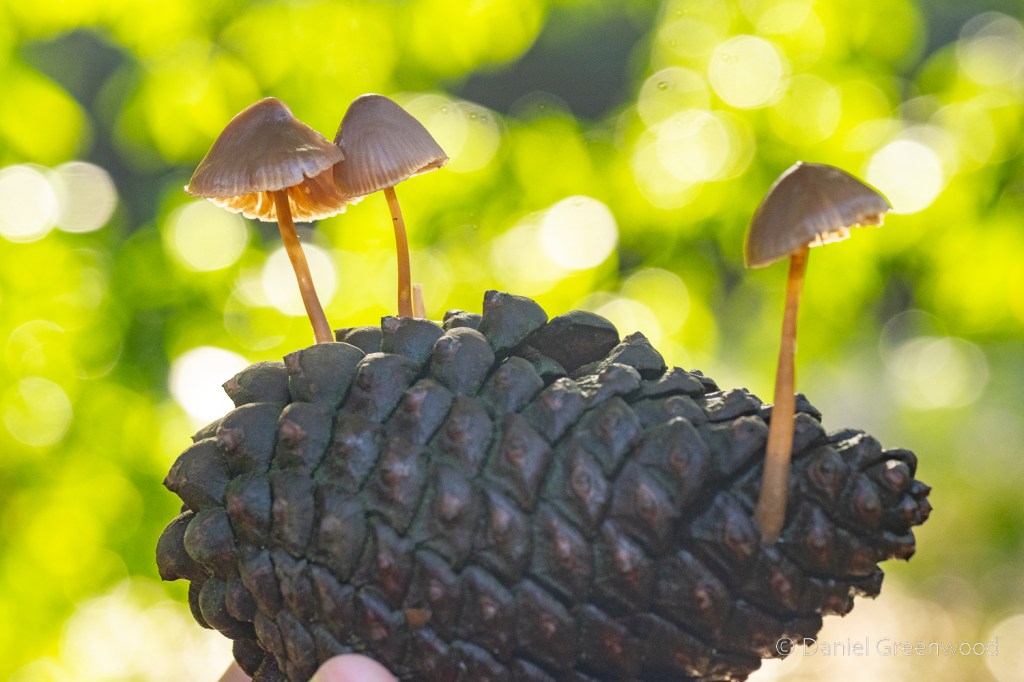
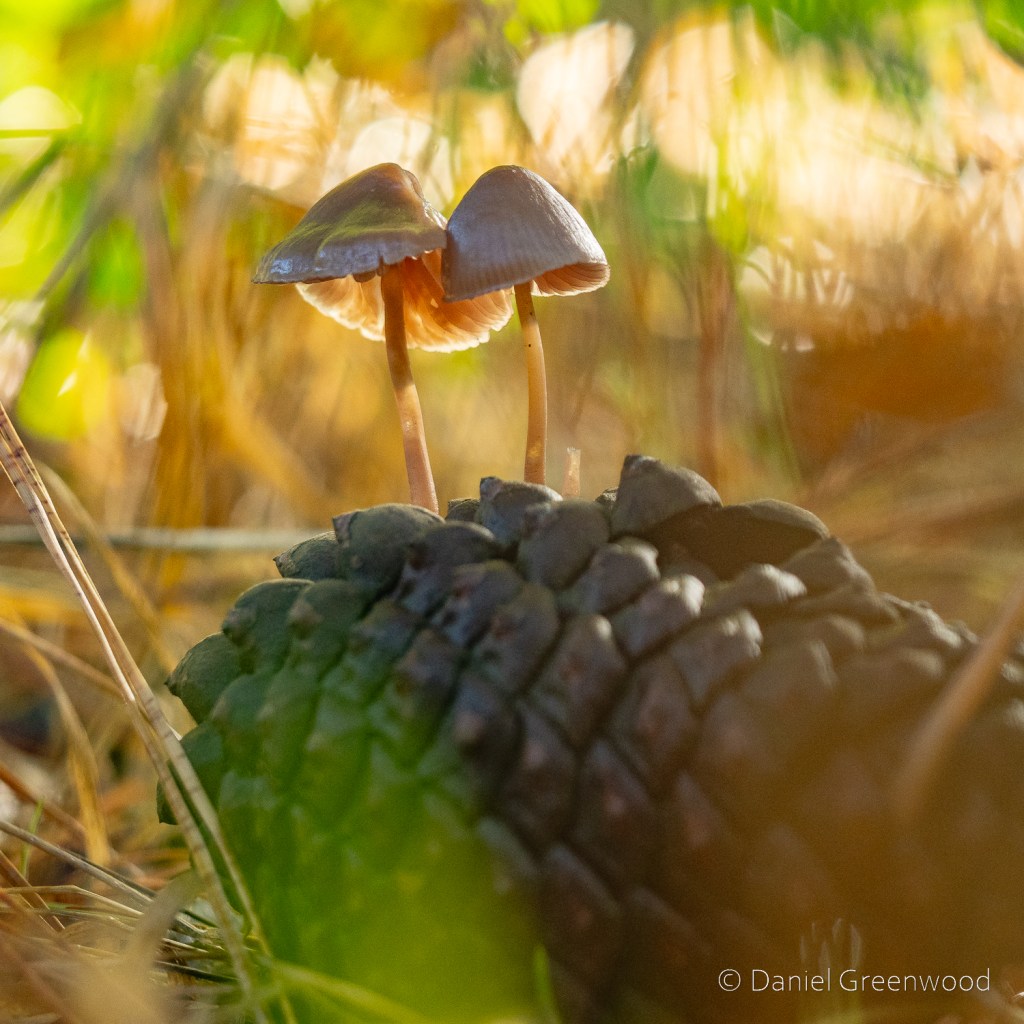
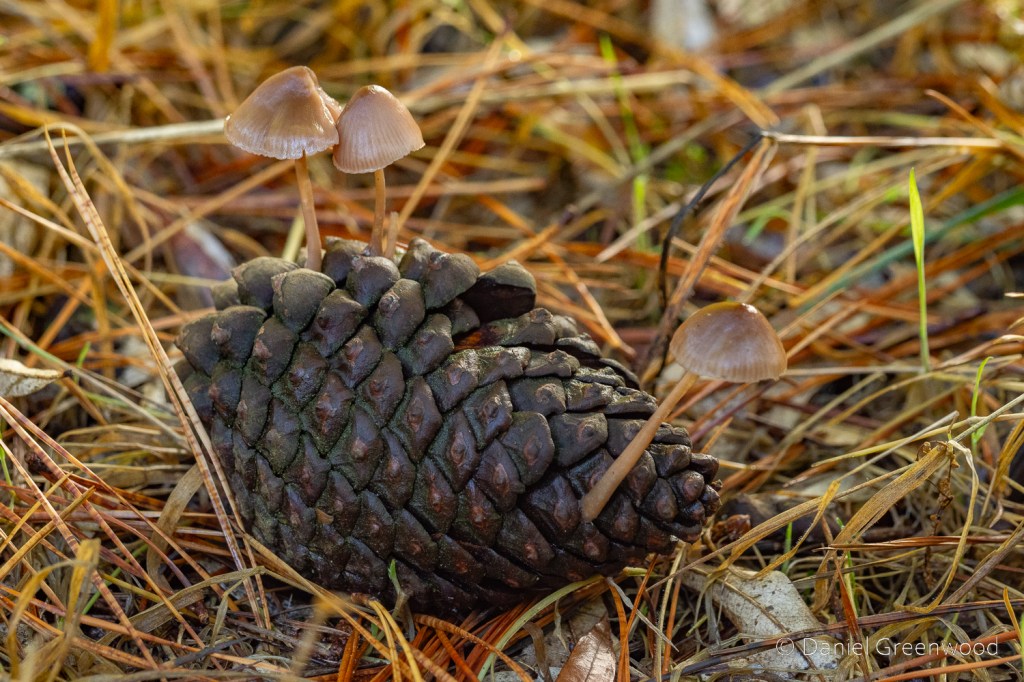
My wife found this massive cone with bonnet mushrooms reaching out from between the segments. This is a fantastic photography find, so I am grateful as ever to her exceptionally squirrely instincts!
Thanks for reading.
Boletes | Brown rollrim | Chicken of the woods | False chantarelle | Ganoderma


 Fungi Friday 🍄
Leave a reply to Walking Away Cancel reply