Basically not very.
We’re unofficially in drought in south-east England and there are no mushrooms to be found yet. So I am getting myself into trouble with a bit of commentary instead!
Deathcaps are in the news at the moment because of a court case going on in Australia.
This week The Guardian (presumably Australia) published an article outlining people’s fears about deathcaps, and their distribution in Australia.
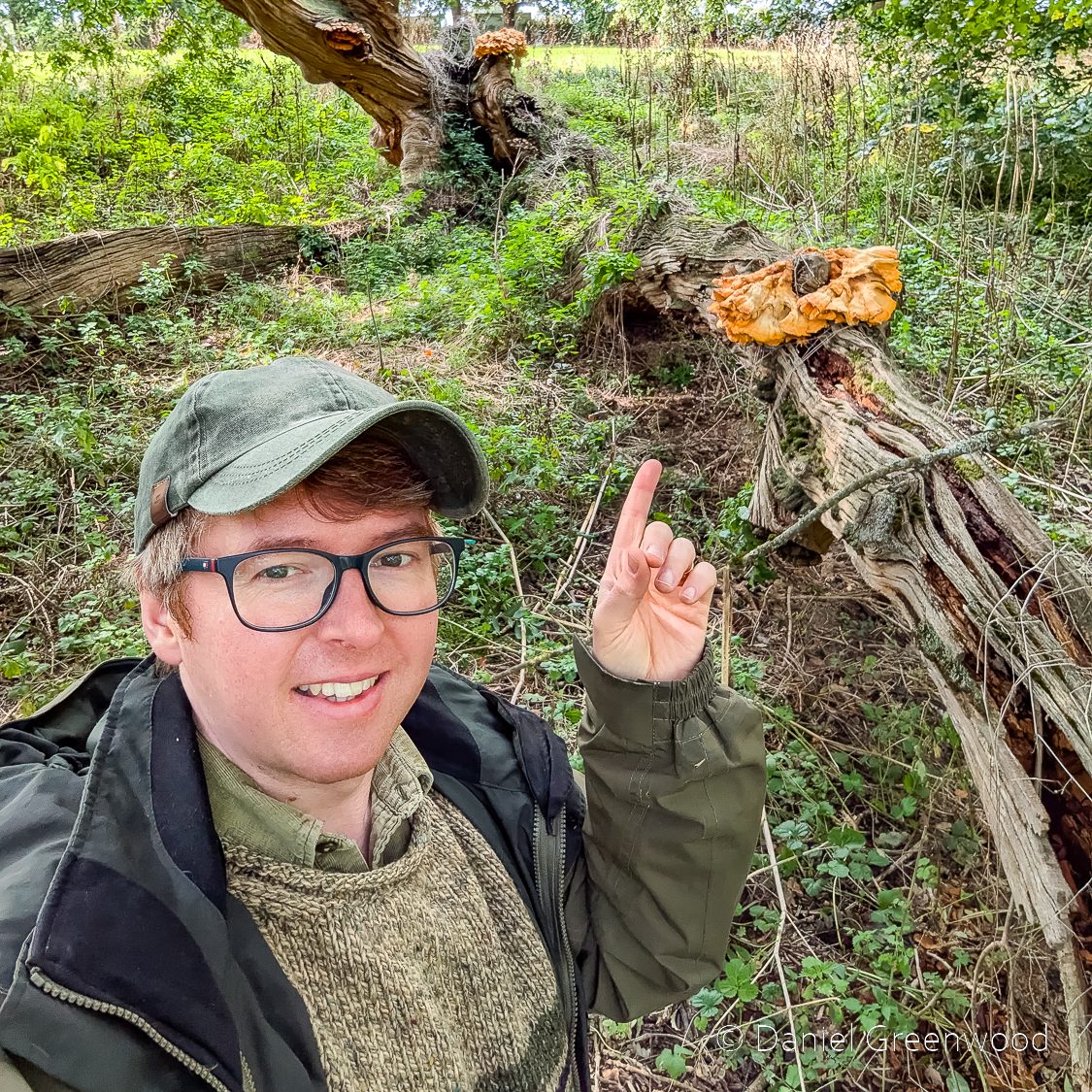
Now, I’ve never been to Australia but I have spent days and days, or probably weeks looking for mushrooms around the UK. I’ve seen deathcaps between five-ten times.
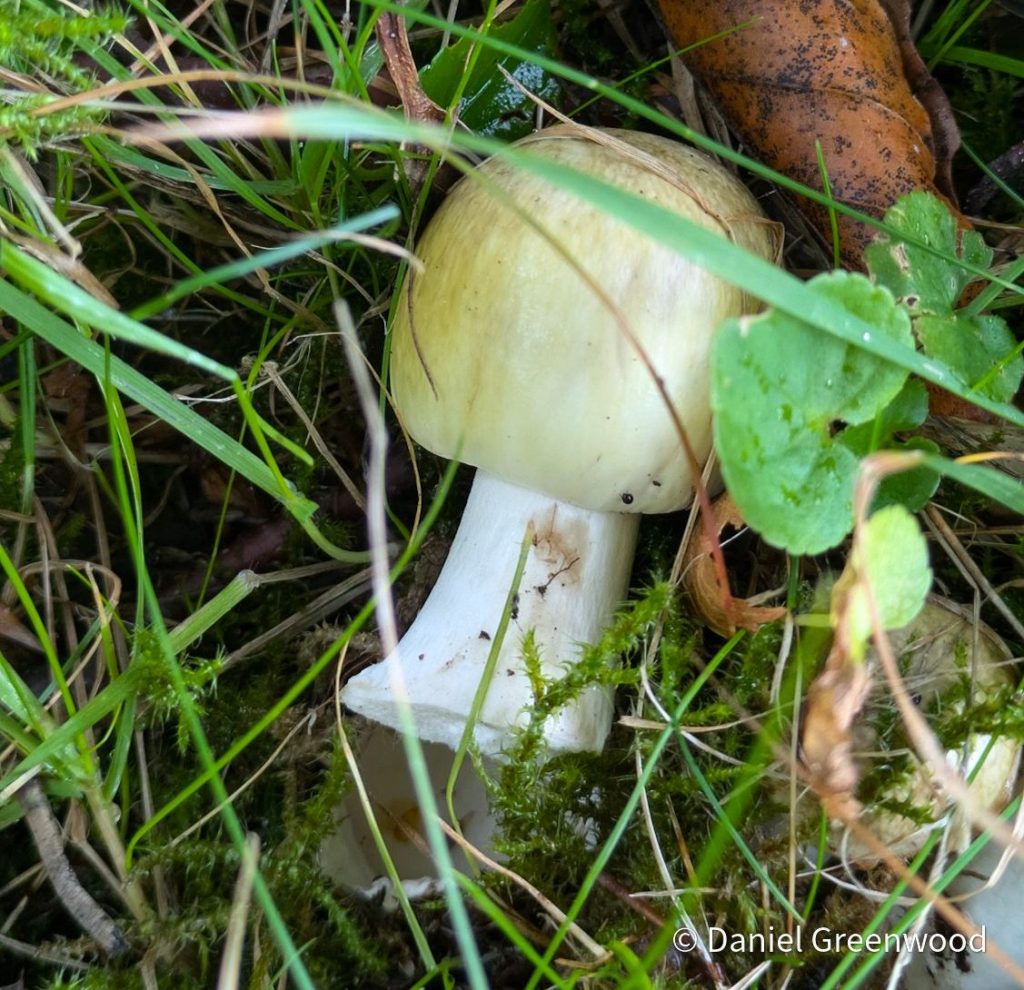
Here’s my most recent encounter with this terrifying species in Ireland.
It is of course worrying that mushrooms can be found, eaten, and poison you. However, the chances of you encountering that fungus are so unlikely it just doesn’t seem worth thinking about. The chance of you eating it knowing it’s a deathcap is hopefully far more unlikely. Let’s not talk about you giving it to other people!
There are more common mushrooms in the UK that are toxic, namely sulphur tuft (though not deadly). And you are far more likely to come into contact with yew trees, false acacia, foxglove or hemlock, all of which have varying levels of toxicity.
The beauty about these organisms is that unlike humans, they leave you alone. The same goes for deathcaps.
I’ve blogged about toxic fungi more generally.
Toxicity is everywhere in nature and it has always been that way.
The best thing you can ever do is exercise caution. If you don’t know that a mushroom is edible, don’t eat it. Or like me, just don’t bother eating them but for the rare occasion you know what it actually is, and it’s worth it.
As for children, most parents appreciate they have to protect their children outdoors regardless of mushrooms.
Most importantly, your encounter with deathcaps probably won’t ever happen.
Thanks for reading.


 Fungi Friday 🍄
Leave a reply to Daniel Greenwood Cancel reply