National Trust Sheffield Park, Fletching Parish, East Sussex, October 2025
On the back of September’s delightful visit to Sheffield Park in East Sussex(!) I headed back on a Saturday afternoon in October, partially on account of the autumn colour.
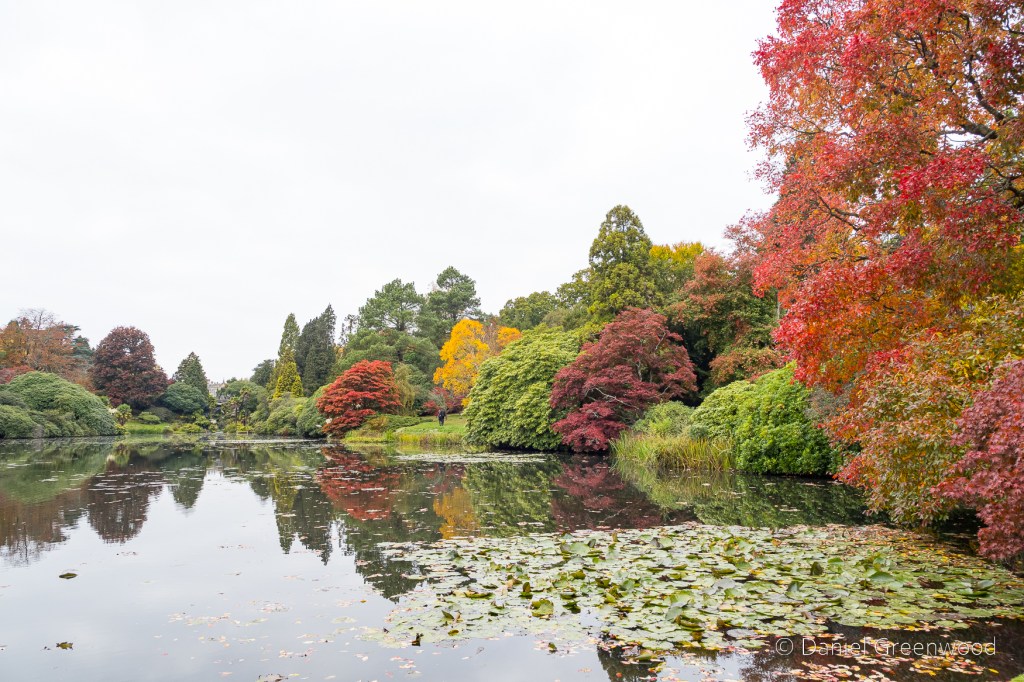
This was the busiest I’ve ever seen Sheffield Park, probably because the autumn colour has been trailed heavily in the media this year, with Sheffield Park receiving a lot of the interest. Personally, autumn 2025 didn’t seem much different to any other.
While others were seeking the reds, yellows, purples and golds of the trees, my wife and I were looking down at the ground to see where those colours might arise from the leaf litter.
The walk was done along the main paths around the lake with a couple of excursions onto woodland paths and glades.
I was only taking photos. You can read the National Trust’s policy on foraging here.


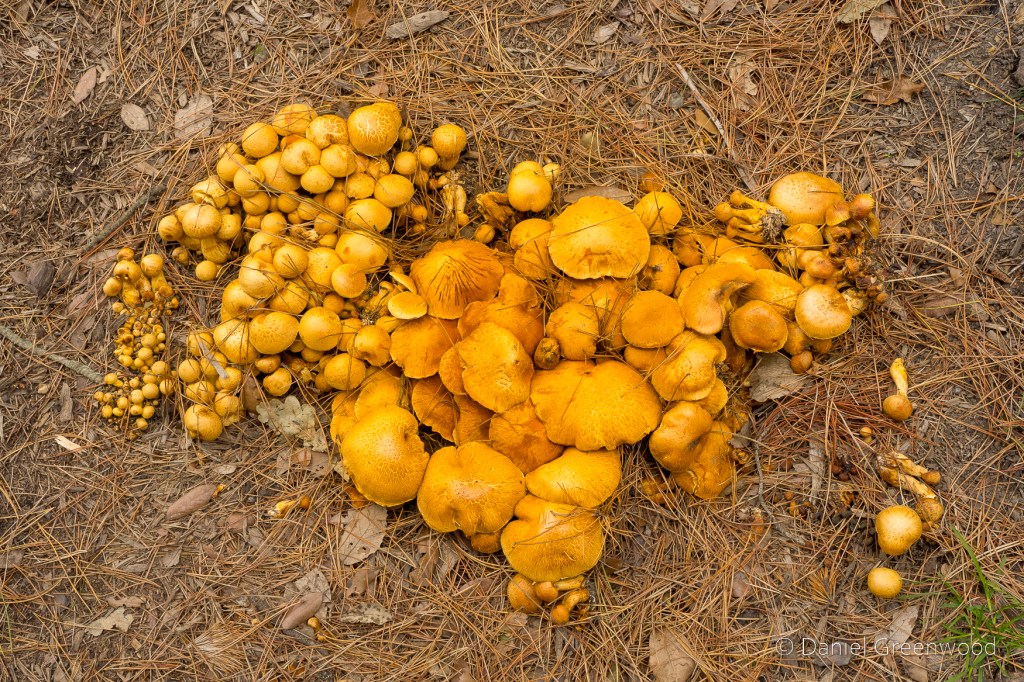
At the edge of the path towards the cafe there was a spread of, well, spectacular rustgill. A mushroomy car park or entrance area is always a decent sign that there will be mushrooms ahead.

Inside the entrance to the park I found these uprooted russulas, so I lined them up for a photo. I think they also had pale caps.
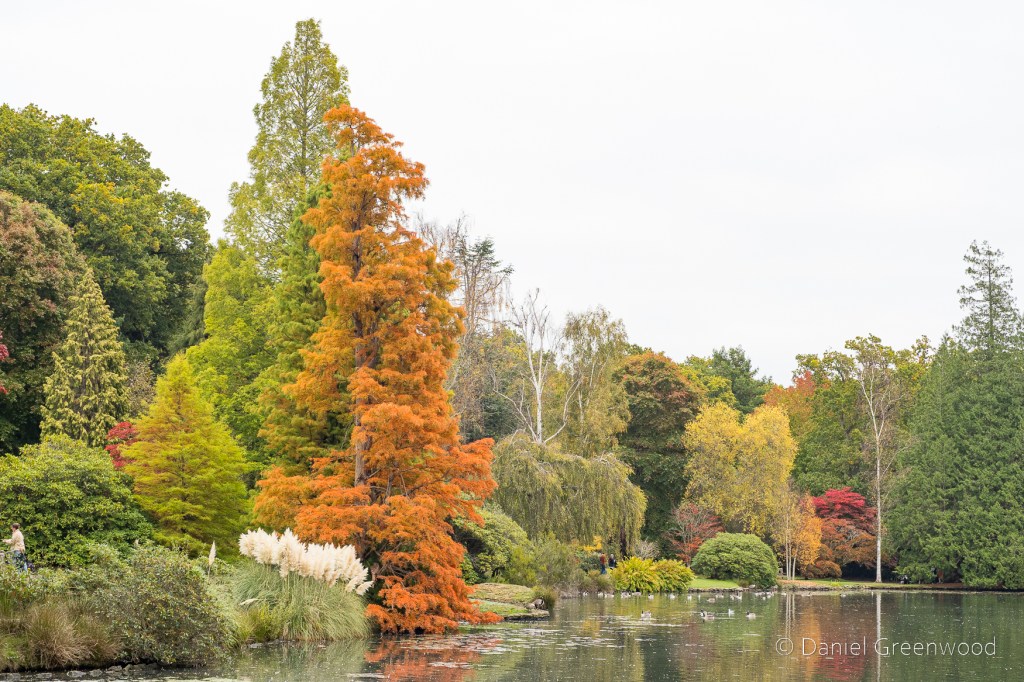
One of the nicest views across the lake at Sheffield Park. Still looking pretty green to me.

No, it’s not an abandoned marmot or someone’s shower sponge. It’s cauliflower fungus growing in a restricted area. This fungus is pale at first but becomes more brown in colour as it ages.
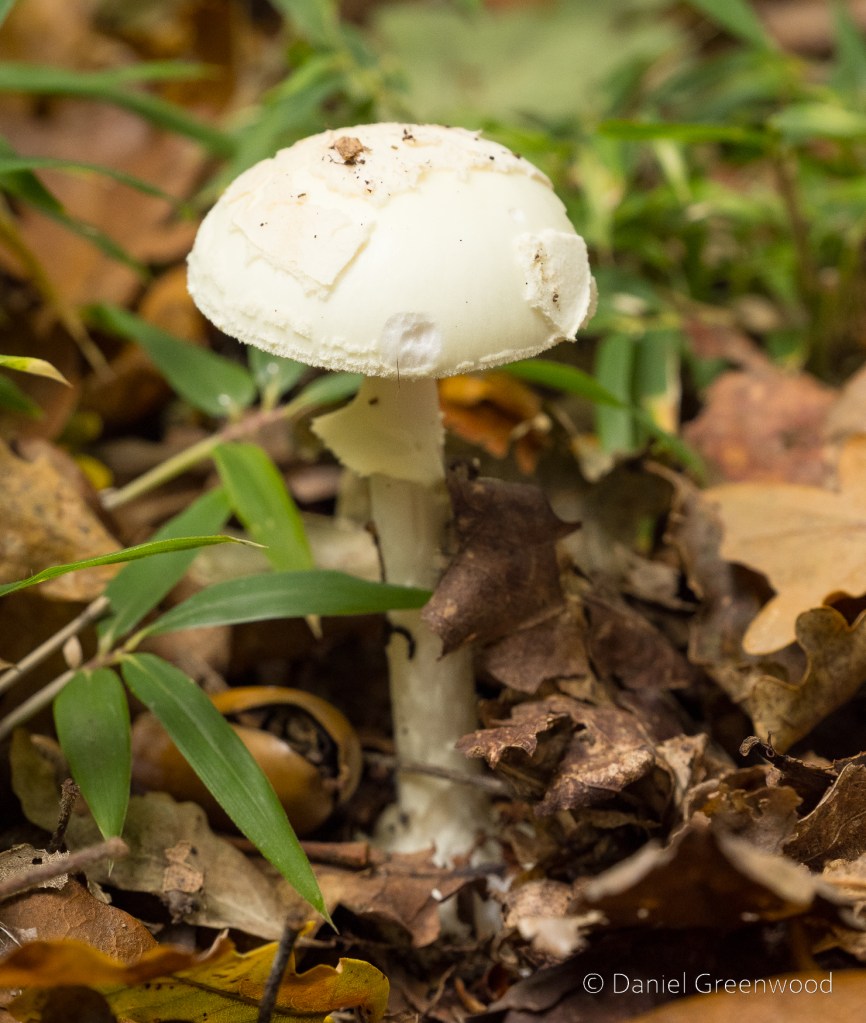
That little hoodwinker of the mushroom world, the false deathcap. The real deal deathcaps don’t usually have remnants of the universal veil on the cap (as you will see on fly agaric, blusher and panthercap) and their evil glow is more neon than gold, yellow or greenish, as with deathcap.
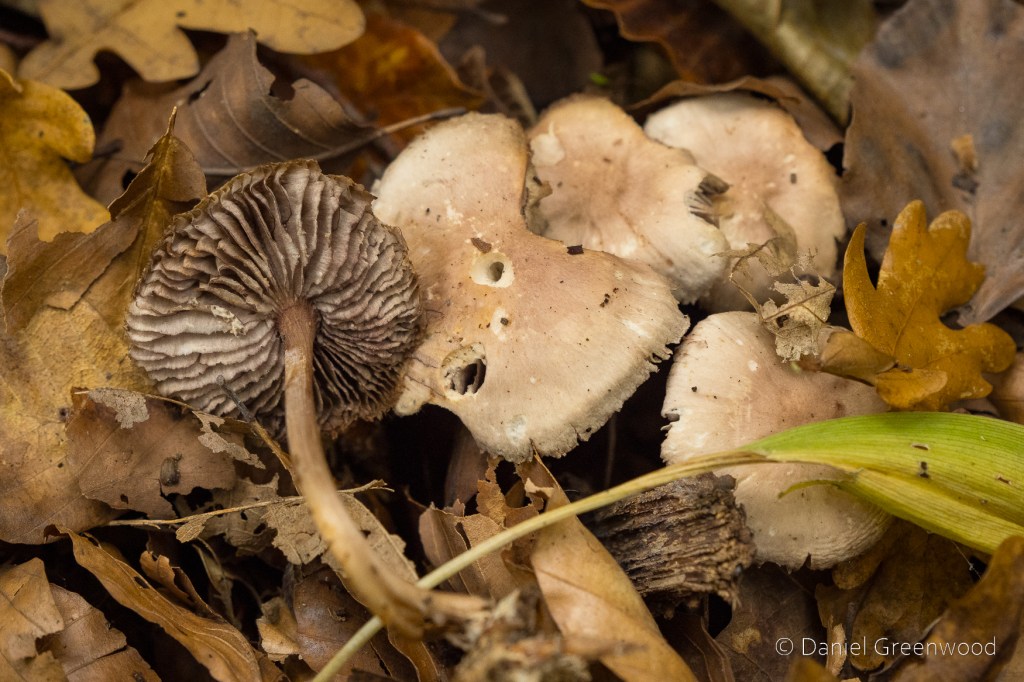
I’m not sure what these are but they’re on iNaturalist waiting to be adopted. If it’s a pinkgill or poisonpie I am usually in trouble.


This is rosy bonnet, which doesn’t look particularly rosy here.

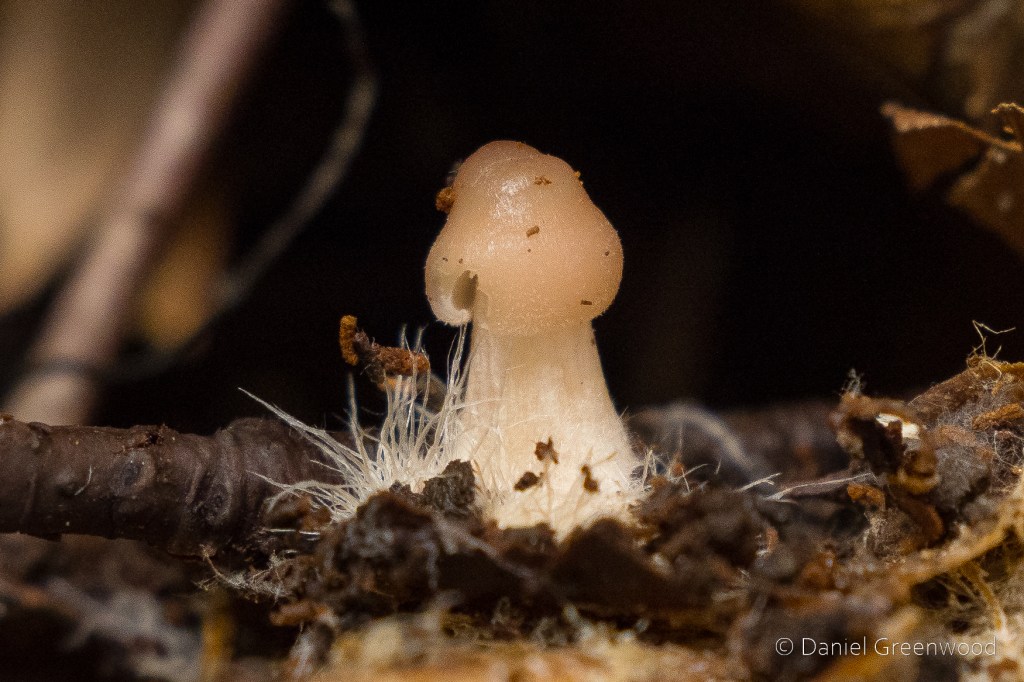
Probably another rosy bonnet. I love the reaching hyphae which the fungus has sent out from the substrate, possibly to find more material to recycle. A reminder that the fruiting body of a fungus is formed by the massing of these hyphae.

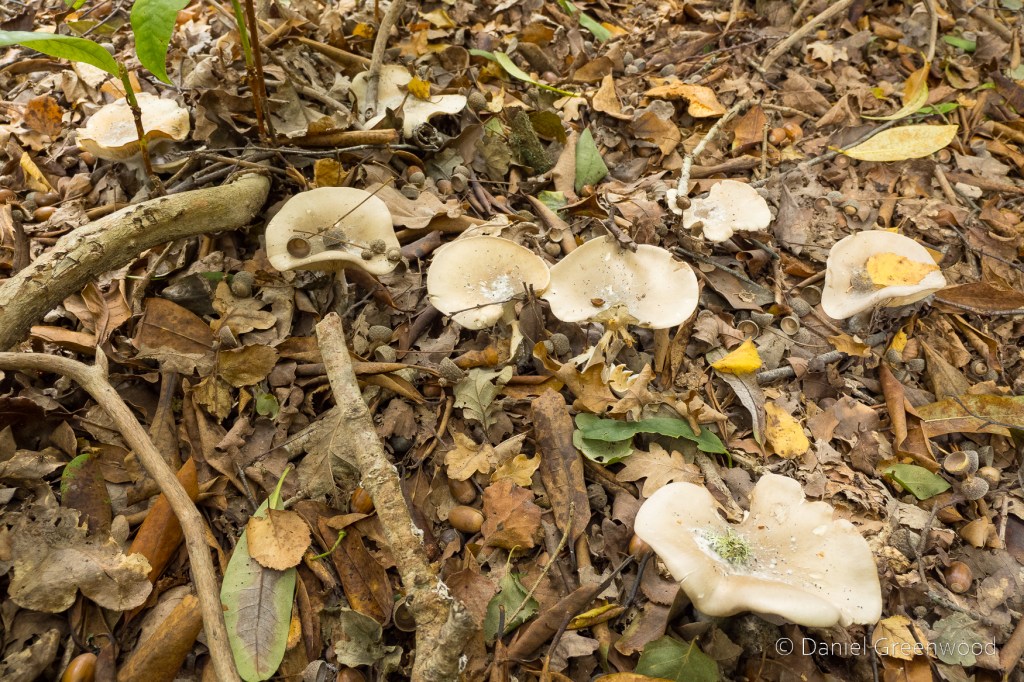

We’re in true autumn when clouded funnel is marching around the woodland floor, and so it was. This is an easy species to identify from the darkened caps (clouded).

This uprooted mushroom was home to a banded centipede (iNat). Another reminder that mushroom gills are habitat. This centipede was as snug as a bug in a shroom.

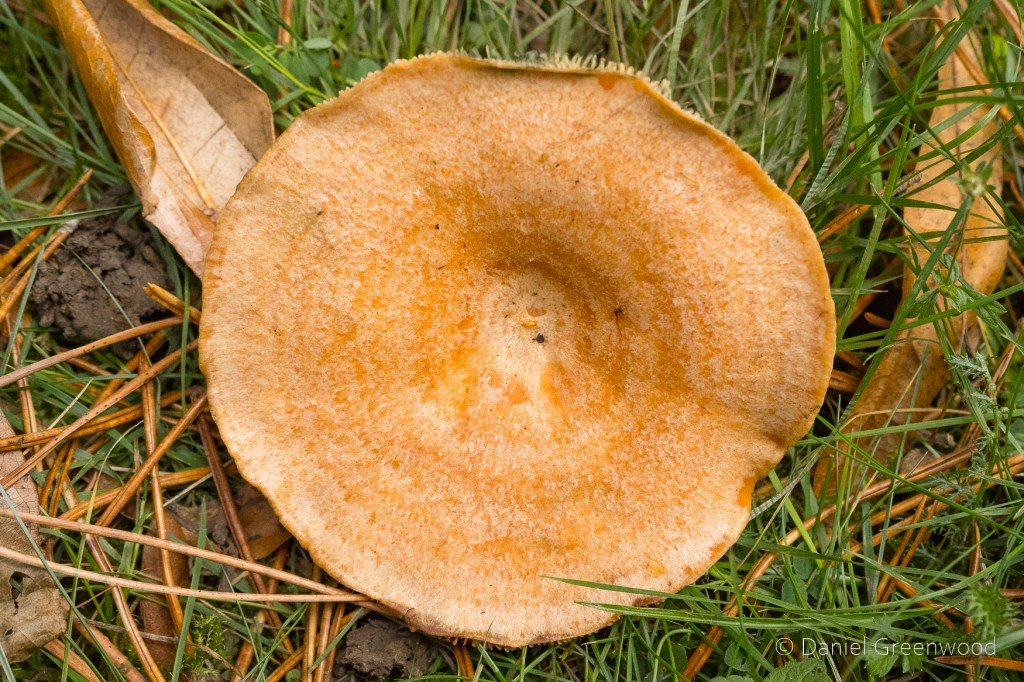
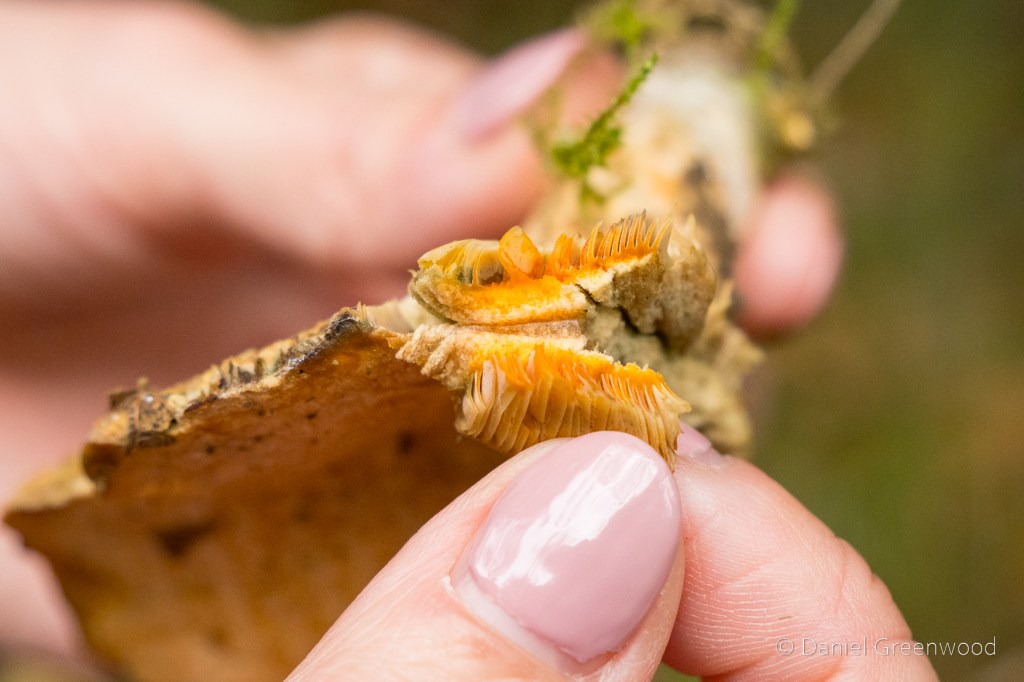


Alongside one of the main paths were a number of orange-milked milkcaps, possibly saffron milkcap or carrot milkcap (iNat). One had been turned over and its gills besmirched. It glows greeny-blue when bruised. This is a family of mushrooms I really want to do more work on.

I enjoyed this russula also because of the dung-fly hanging out on its cap. With the red russulas I don’t try to identify them as they’re too numerous for my levels of expertise/concentration.

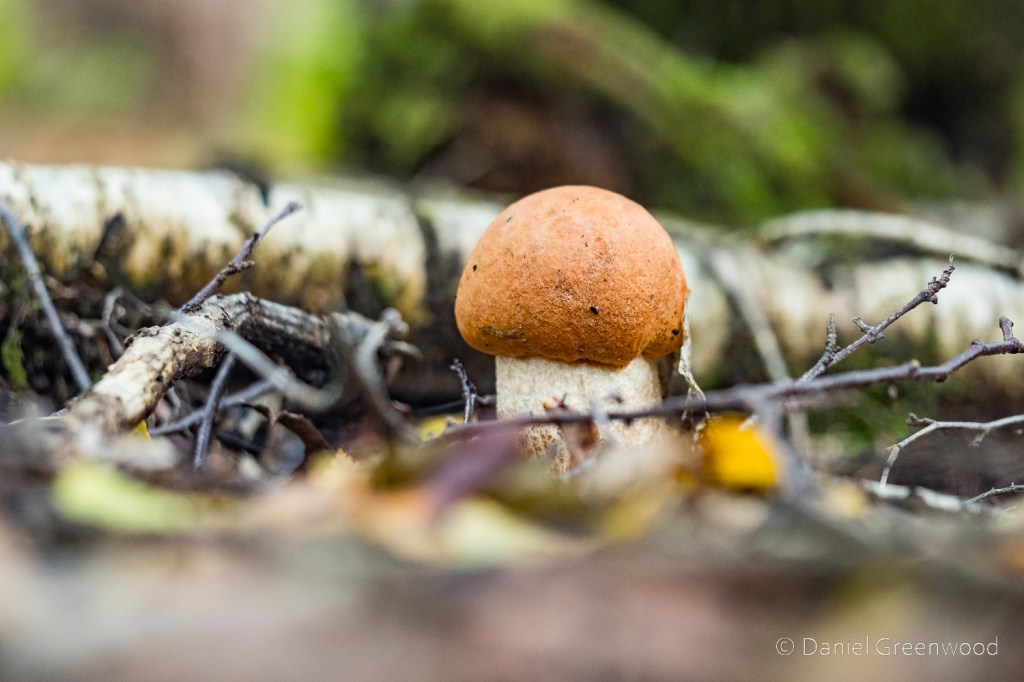
We were amazed that this brown birch bolete hadn’t been picked or kicked as it was right next to the main path and thousands of feet. A lovely one.

I’m not sure if this is honey fungus or a rogue mushroom of another kind, but I enjoy its bold outlook on life.

This large willow tree had some quite curly honey fungus growing on its trunk. You can see the white spores here which are a feature of this much (mush?) feared species.
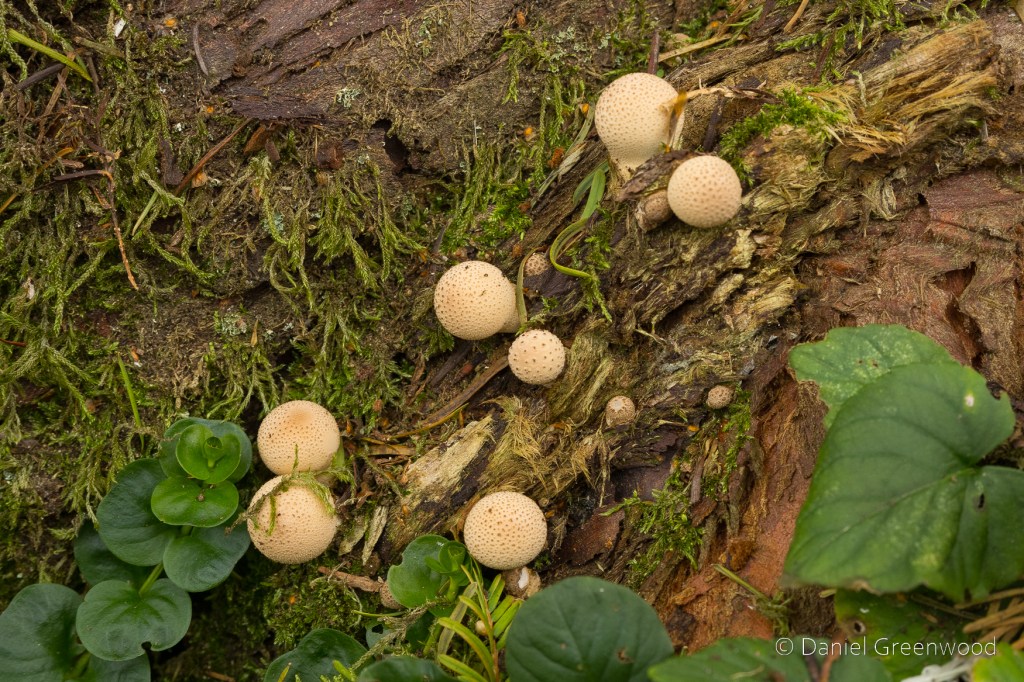


If it’s a small puffball growing on a tree stump it’s usually stump puffball!
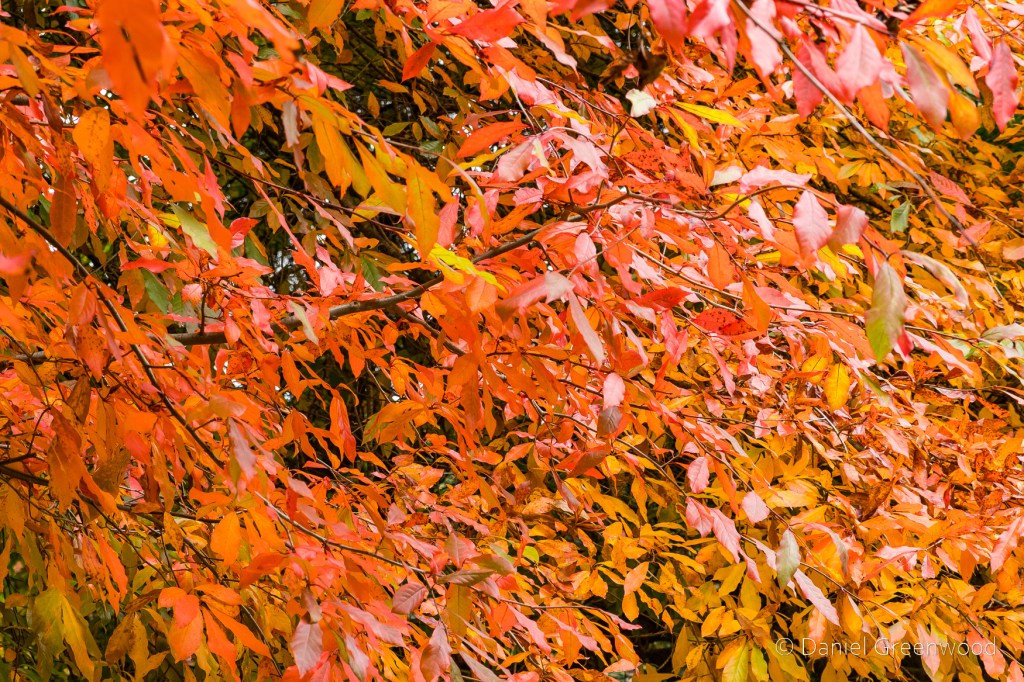
Oh, you didn’t realise it was autumn?


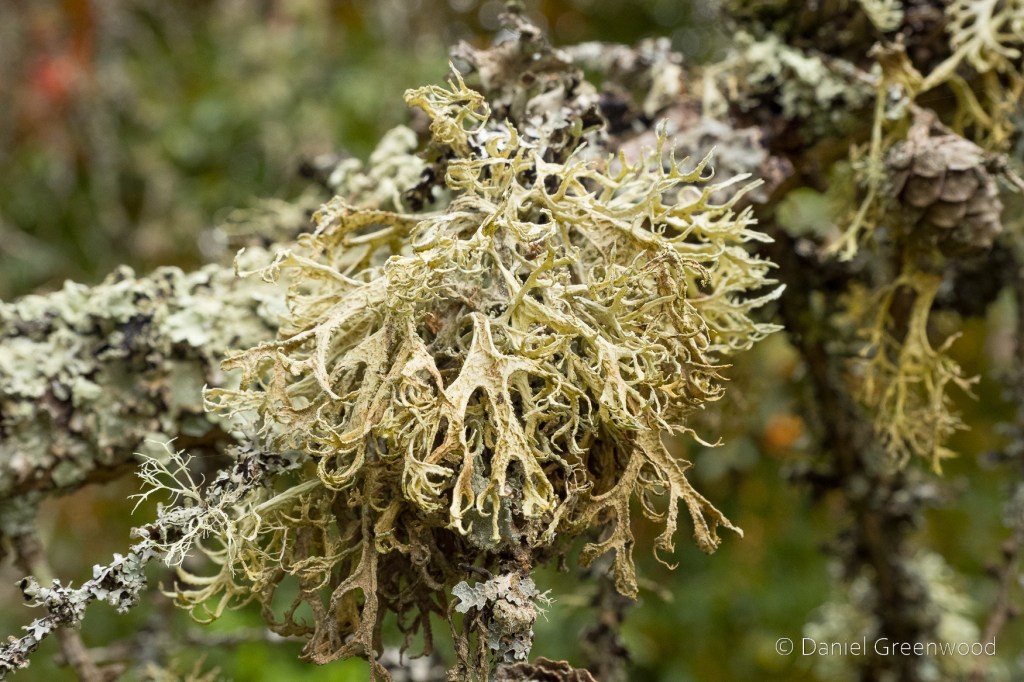
Evernia prunastri (British Lichen Society info), also known as ‘oakmoss‘ from its use in perfumes, often seems to grow with clusters of other lichens on branches and twigs. I worry about lichens in this warming world, though I did hear a botanist say on the radio that they will outlive humans. Thank goodness for that!
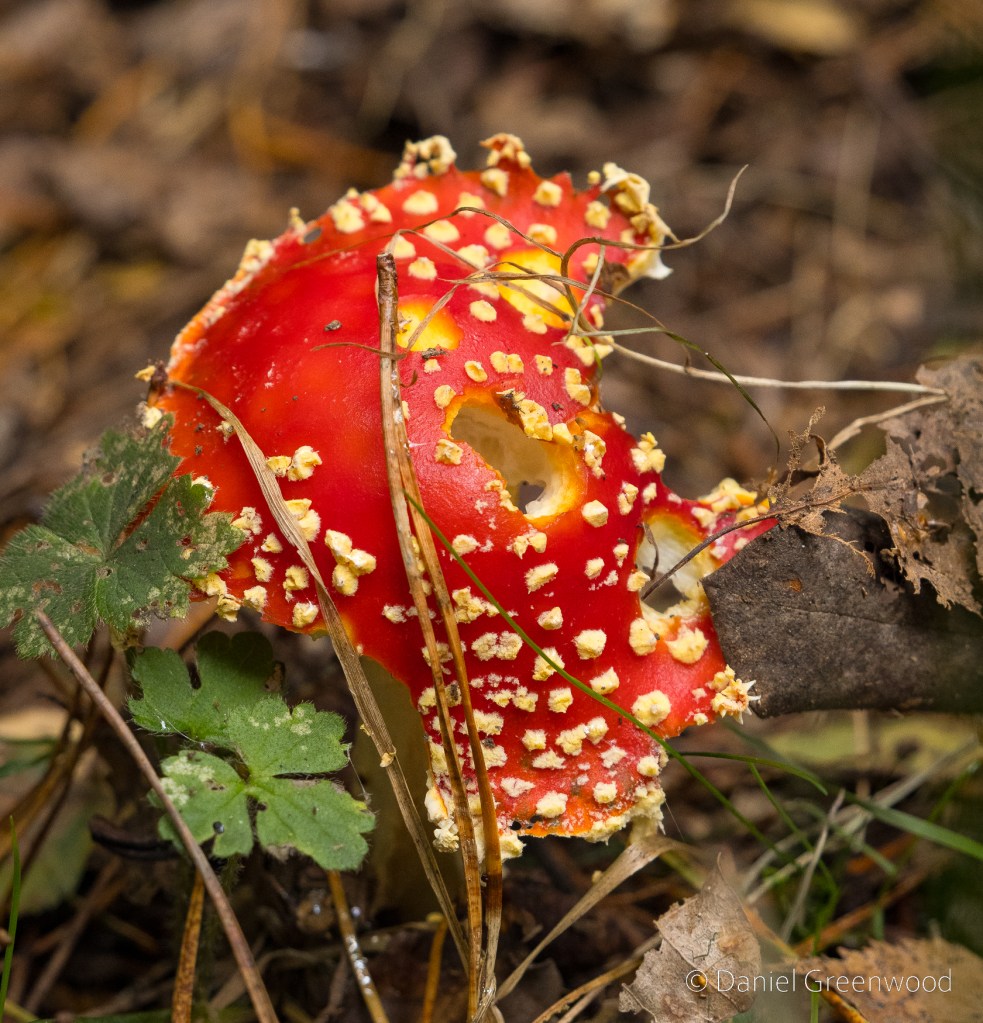
I didn’t see many fly agaric during this walk but in October you should be able to find a couple in a place like this. Fly agaric had an exceptional September in 2025.


Interesting that we’re now finding more Amanitas in succession probably because there were birch trees nearby. This is tawny grisette, which is very common in the heathier parts of Sussex and Hampshire.


The third Amanita in a row was this blusher that had been uprooted and gnawed. One of the friendlier members of a rather toxic family.

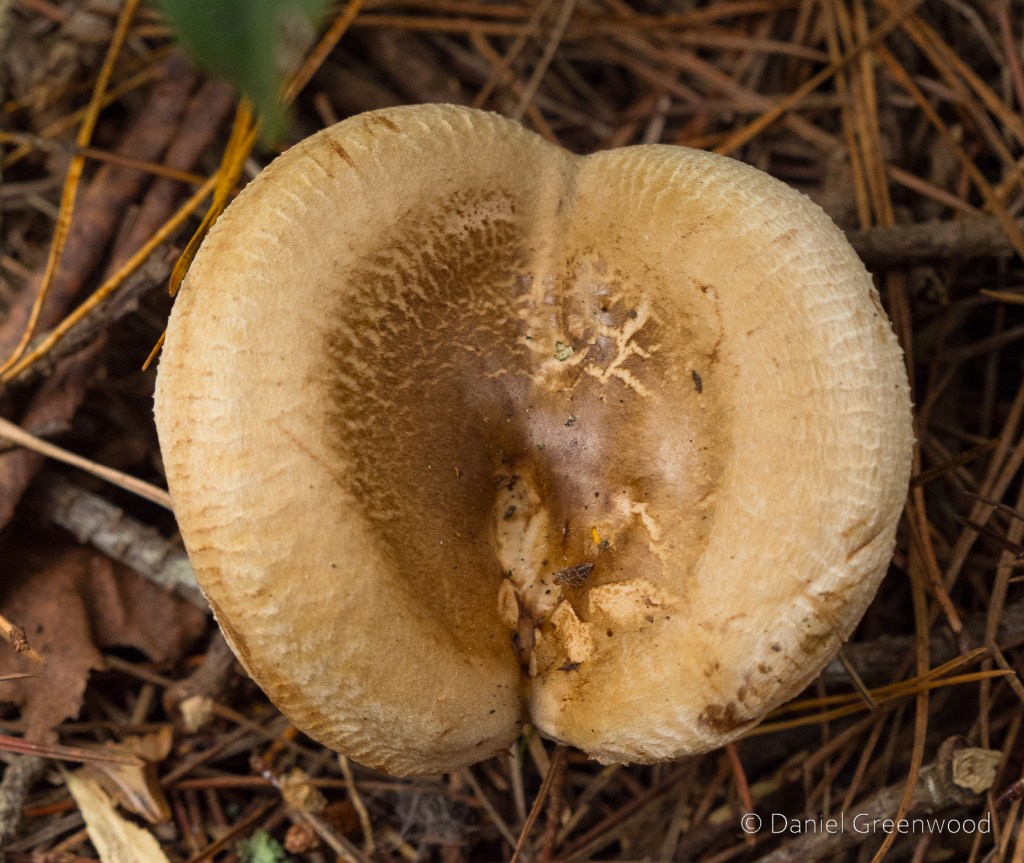

Speaking of toxic, I’ve seen a lot of brown rollrims this year. They are a very common species in Sussex I would say.

Autumn colour advertising break.


This is one of the most spectacular tree-mushroom-landscape scenes I’ve seen, I think. I love the way the porcelain fungi are climbing up the seam in the trunk of the beech tree. I’ve not really seen them growing in this way before.

I found this porcelain fungus plucked nearby. It’s quite an easy species to identify.

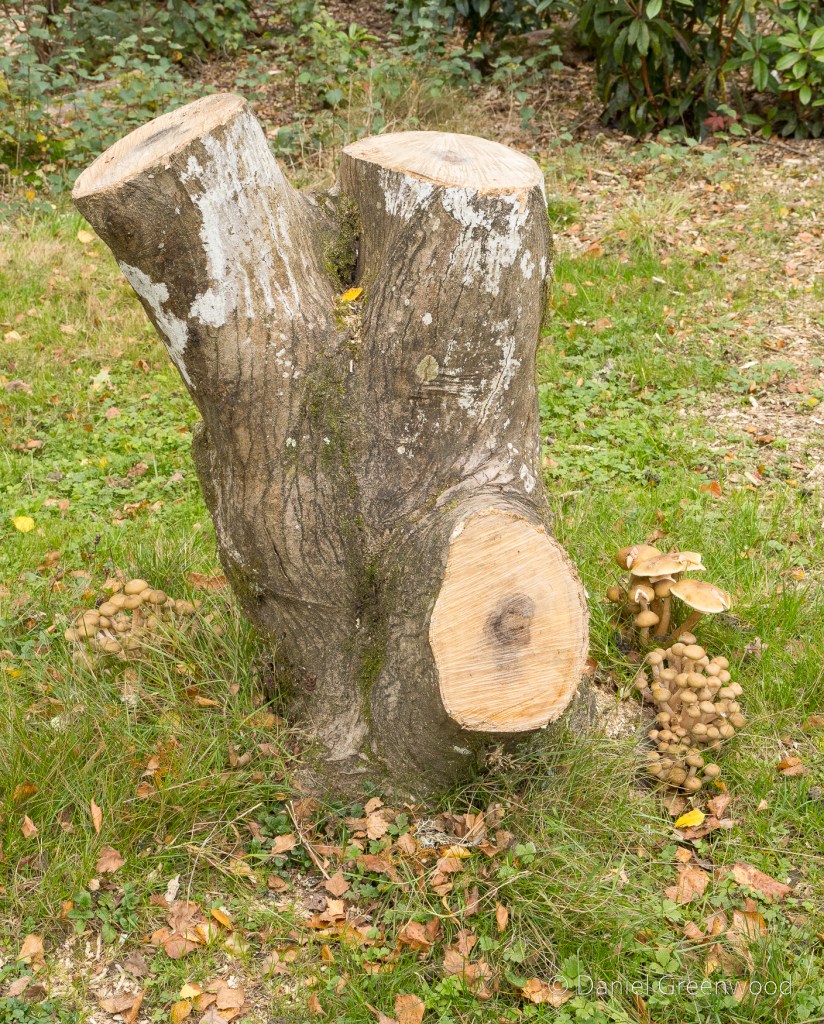
This tree had been felled because of internal decay which you can see in the exposed heartwood. The tree was likely infected by the honey fungus you can see growing on either side. This has been an explosive year for Armillaria.
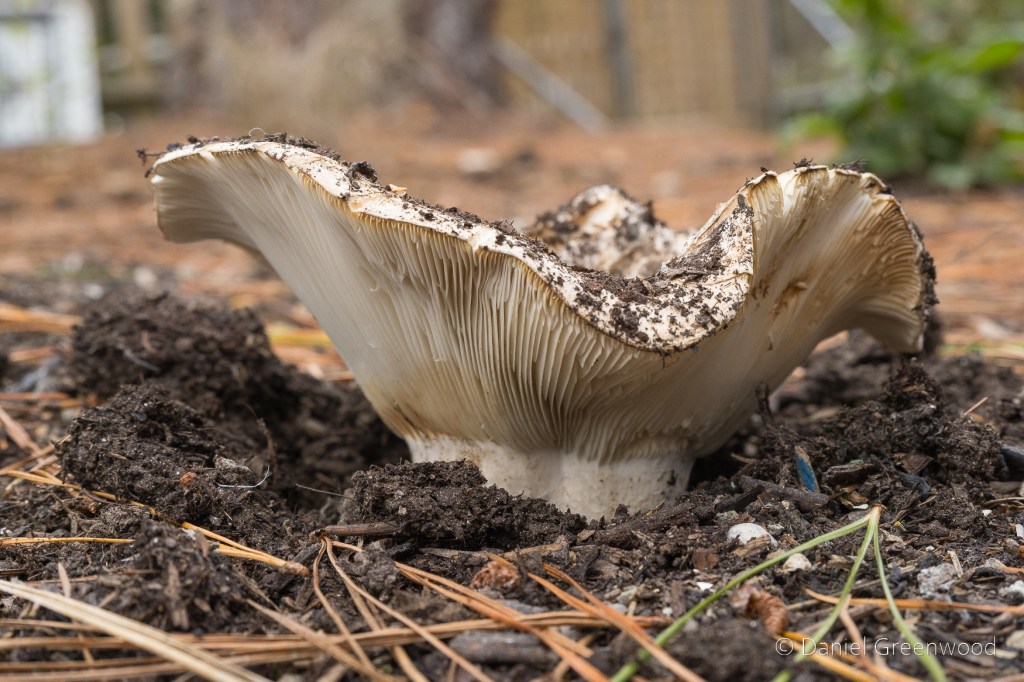

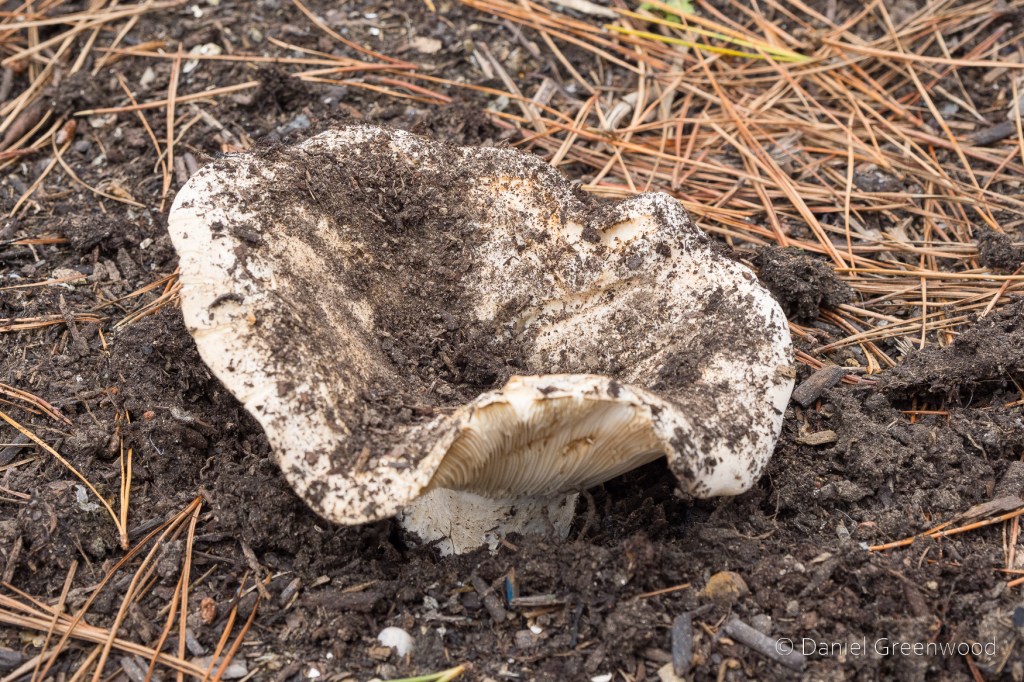
Just before we left I noticed this epic mushroom muscling its way up through the soil. I say muscling because it’s a solid chunk of protein, but interestingly it’s a species of russula. This year I’ve taken notice of this interesting group of funnel-russulas which are quite robust, having not really seen them before.
Thanks for reading.
More from Fungi Friday:


 Fungi Friday 🍄
Leave a comment