High Weald Area of Outstanding Natural Beauty, West Sussex, October 2023
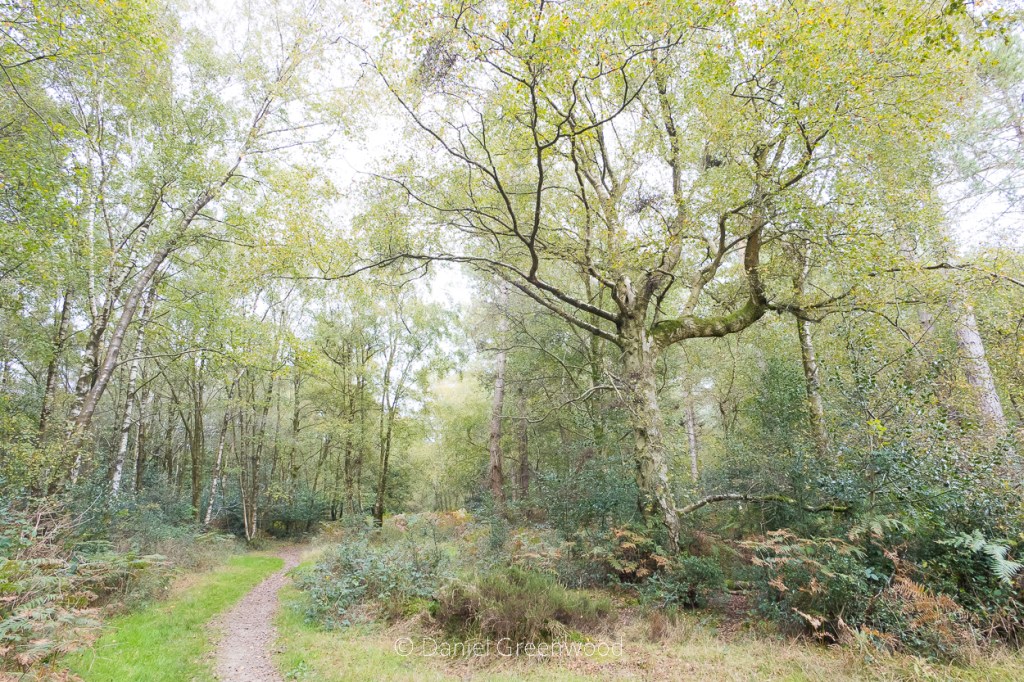
Mid-October is one of the prime mushroom points in southern England, and this post is going to pack in several species. Some of them are new observations for me, which is nice. I’m not naming the site I’m covering about here because I think that’s the responsible thing to do. It’s in the western High Weald AONB.
Violet webcap


One of the autumn highlights for me in this part of the world is violet webcap, Cortinarius violaceus. I find it in this area of woodland each year but never in this abundance.
There were as many as 10 in the area. They always remind me of the Teletubby Tinky Winky from childrens TV.
Spotted toughshank

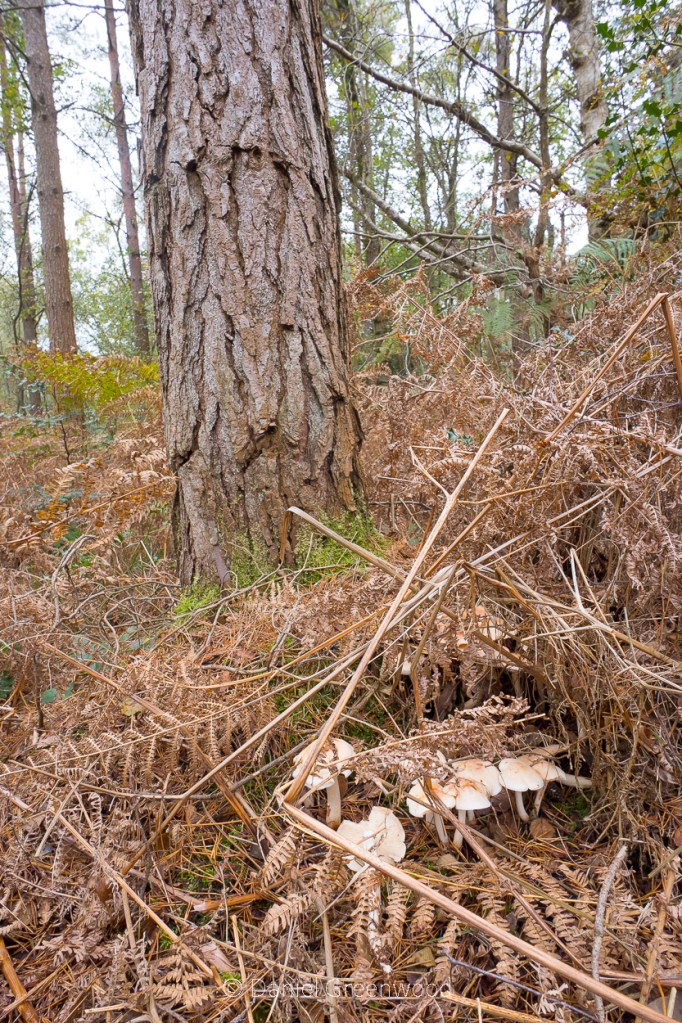


This is a new species for me, Rhodocollybia maculata, and quite an interesting one. I am very familiar with spindleshank, Gymnopus fusipes, which I have observed over the years in oak woodland in SE London. But this is pine, and this species of toughshank is quite a bit bigger than the smaller spindleshanks. The cap is ‘spotted’ though I wouldn’t quite call it that myself, but it’s said to be variable. The stipe is really long, making the species quite tall. The stipe’s toughness does allow it to be longer.
Rooting shank

Rooting shank is quite a regular mushroom in late summer in oak woodland in SE England. It’s not a relative of the ‘shank’ above. Shank is an old English word for leg, and the ‘rooting’ part of the name is because this species has a taproot-like stipe. I’ve often found it alone, rather than in larger groups of mushrooms.
False saffron milkcap?

Milkcaps are a group I am hoping to develop my knowledge of, and I was interested in these ones. Lactarius deliciosi have their own section.

I noticed that some had been cut to remove the caps, presumably for foraging.
I recorded a video below on my camera to show the process of trying to release the ‘milk’ for an ID. These mushrooms usually have orange milk.
There is a hint of orange milk here, which, combined with the colouring of the cap may mean that it’s a false saffron milkcap. Again I’m not interested in edibility, just to understand the group more.
Sheathed woodtuft
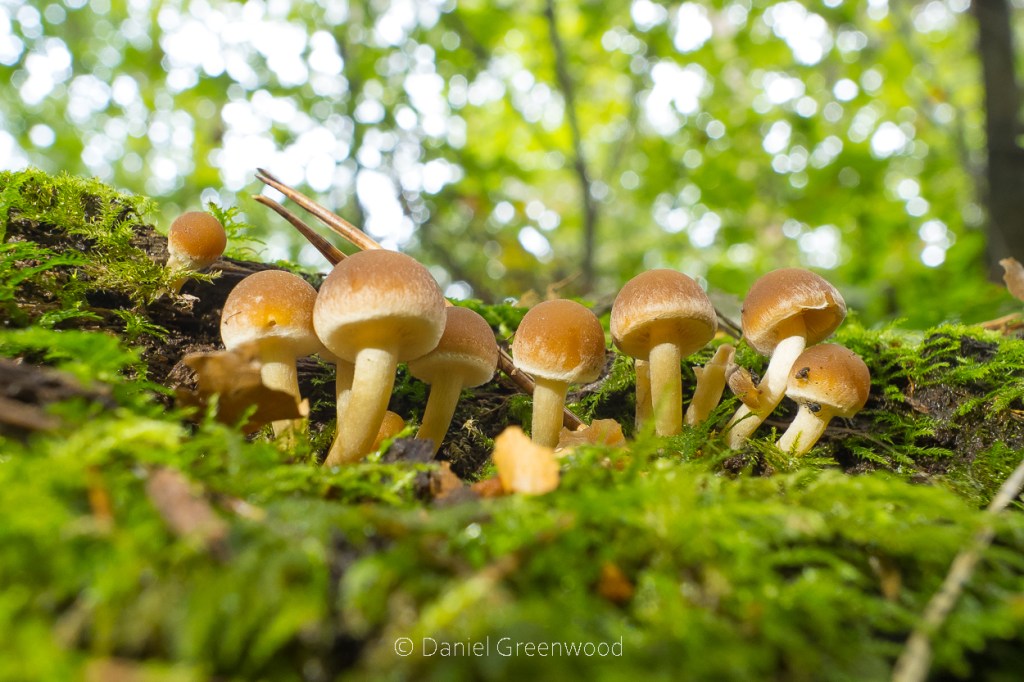

A common species of mossy logs in Sussex Weald woodland is sheathed woodtuft. I’ve not seen a lot of it this year but it’s highly photogenic. This can be confused with funeral bell.
Fly agaric
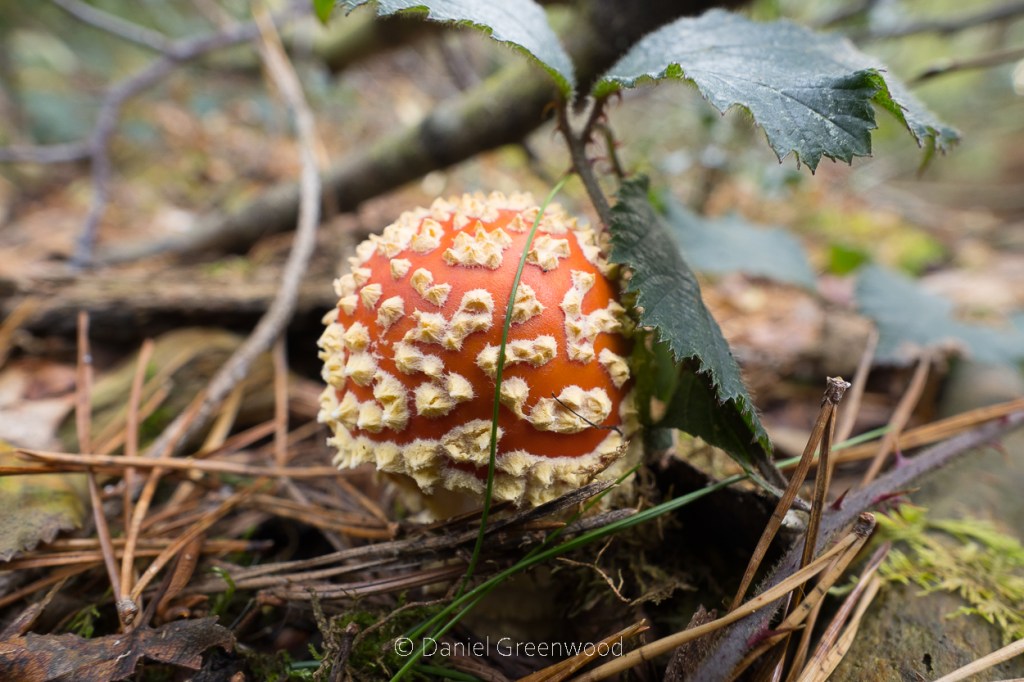
This is a very birchy and oaky landscape, so fly agaric is never far away at this time of year.
Boletes

The heavier rain usually results in fewer boletes. I do think that August can be the best time for this group of iconic mushrooms. This particular one had been well and truly munched, maybe by a deer or squirrel – tooth marks aplenty.
Thanks for reading.
 Fungi Friday 🍄
Leave a comment