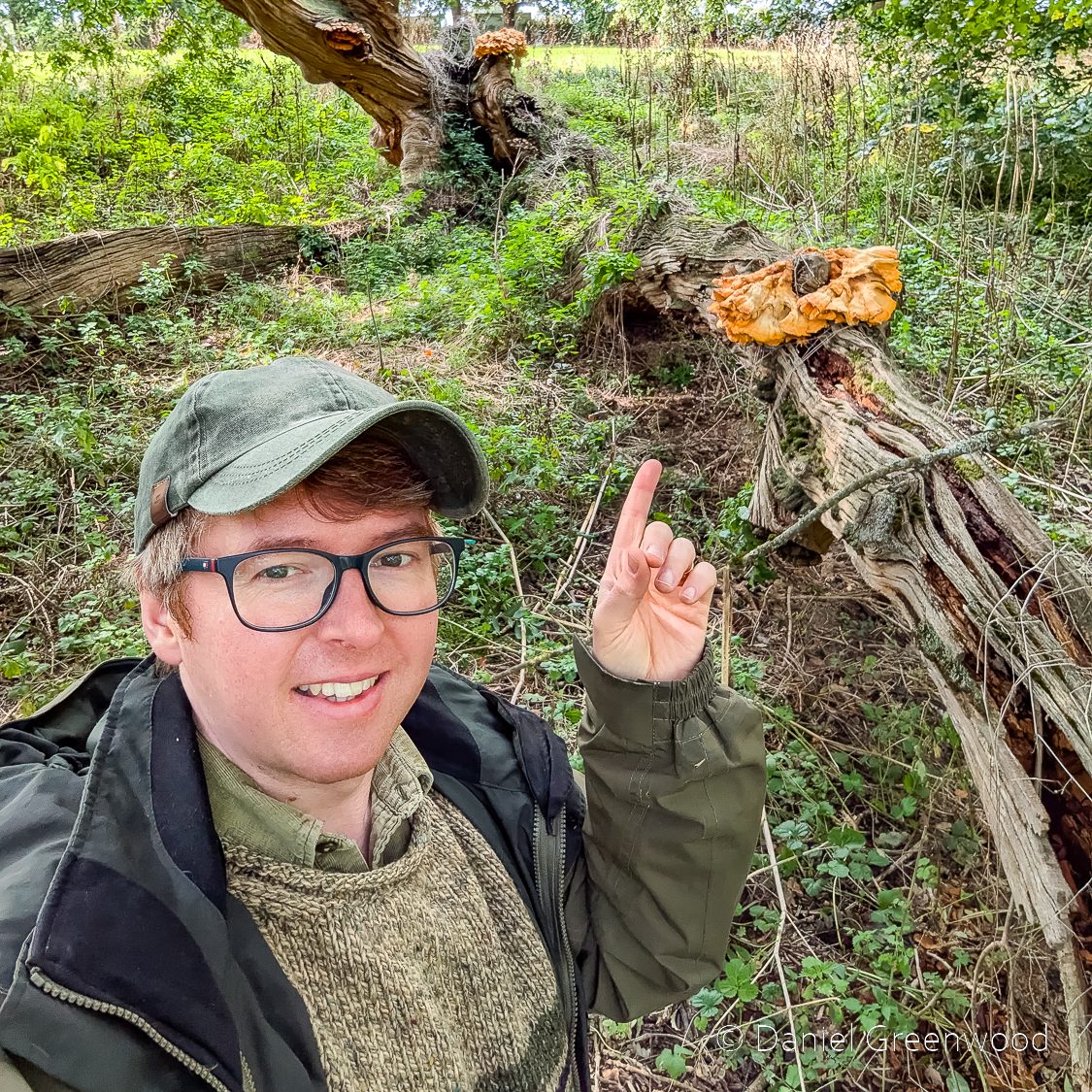
Happy #FungiFriday!
I had a very good UK Fungus Day on Saturday, leading a guided walk in Haywards Heath in the morning and then went for my own personal none-to-one guided walk.
My assessment is that autumn is pushing through, as you would expect at this time of year, but the drought has held the season back.
Anyway, enough season-searching, more mushroom-searching. Here’s what I found in the High Weald Area of Outstanding Natural Beauty on Saturday 7th October 2023.


I was very happy to find my first fly agarics of the season, hiding away deep within the woods in the damp nook of mossy birch roots. The birch was actually dead but there were several around, so this was probably a mycorrhizal relationship between the fungus and the birch.
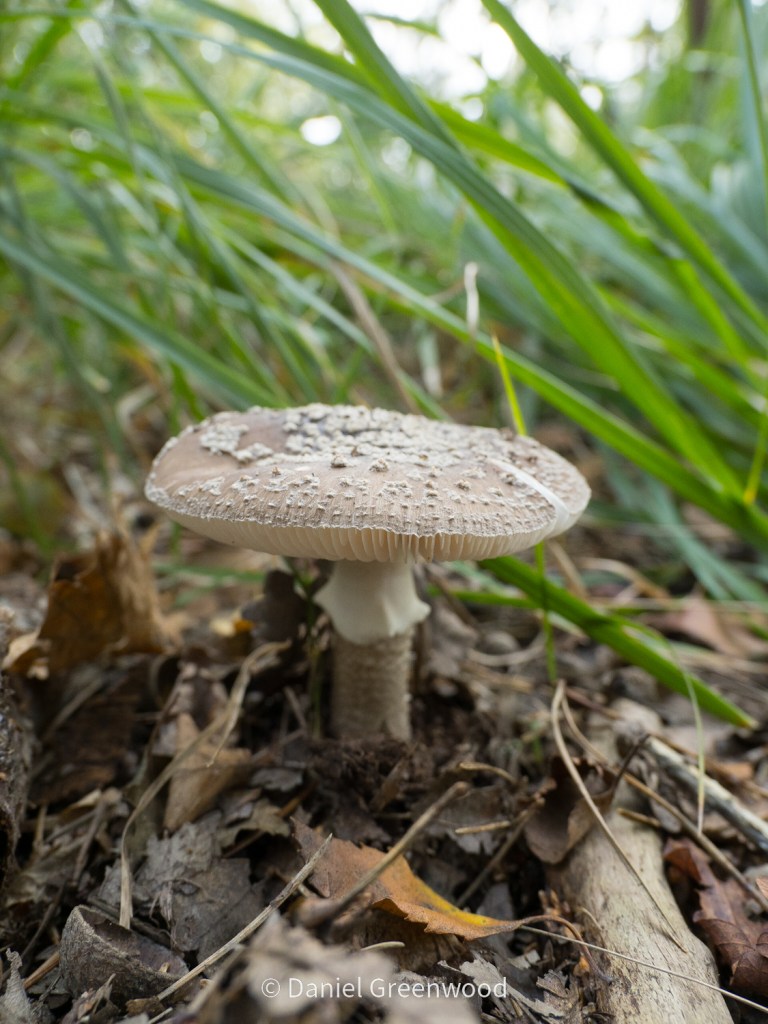

There were a number of other amanitas around, including this, probably one of the grey-spotted amanitas.
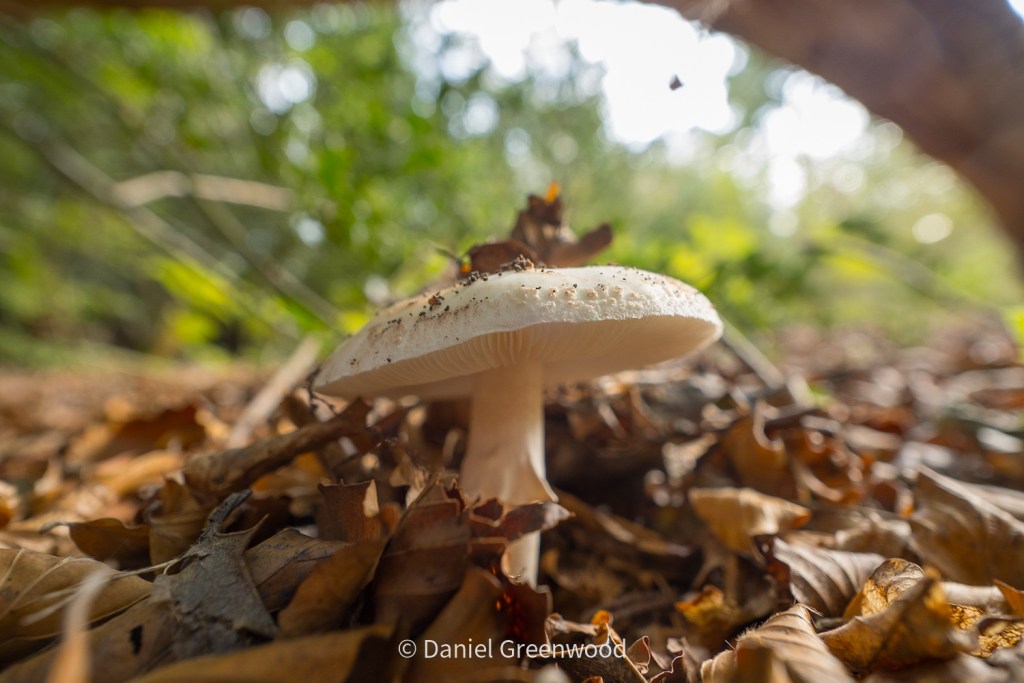

I didn’t pick anything or try and do any detailed ID, and left all the shrooms where they were. I am fairly sure these two are false-death caps, a species which is about to be separated into more than one.


Different individual mushrooms (obvs) on show here, but I think they are both blushers. There is that typical ‘blush’ to the fungus on both here. Most visible where there’s been erosion of the stipe or cap.
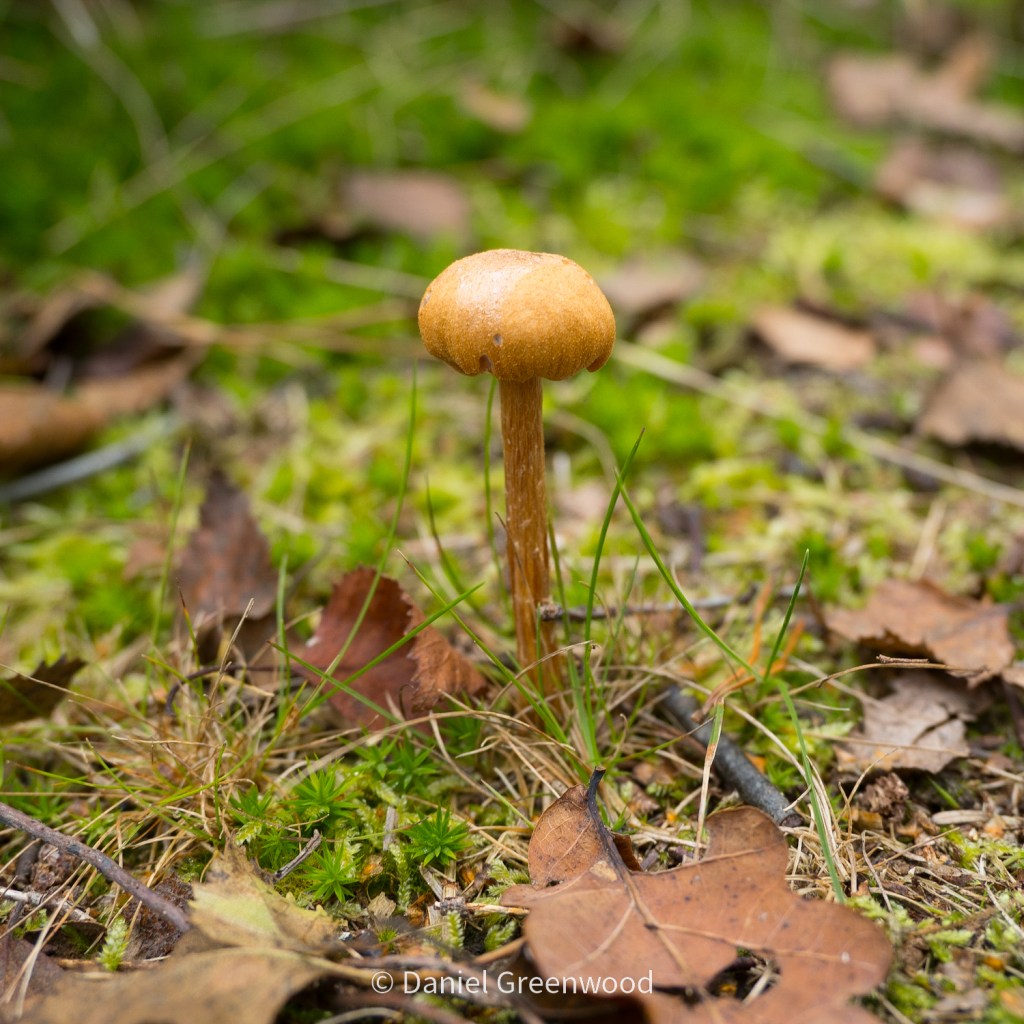
Not the world’s greatest mushroom but probably a deceiver, and the first I have seen this year.

A very calm and secure group of glistening inkcap (known as mica caps in America).

It was a day of annual firsts (or ‘year-ticks’ as the birders say), with this yellow stagshorn being the first I have seen in 2023.

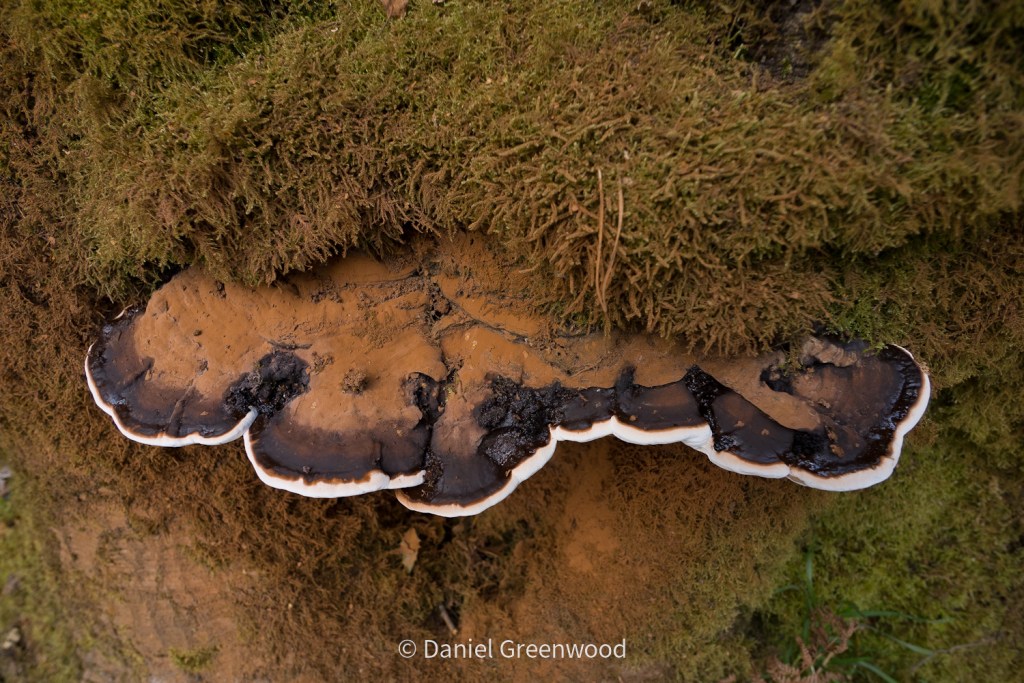

The ganodermas were out in force, as they often are where mature beech trees are present in large numbers.
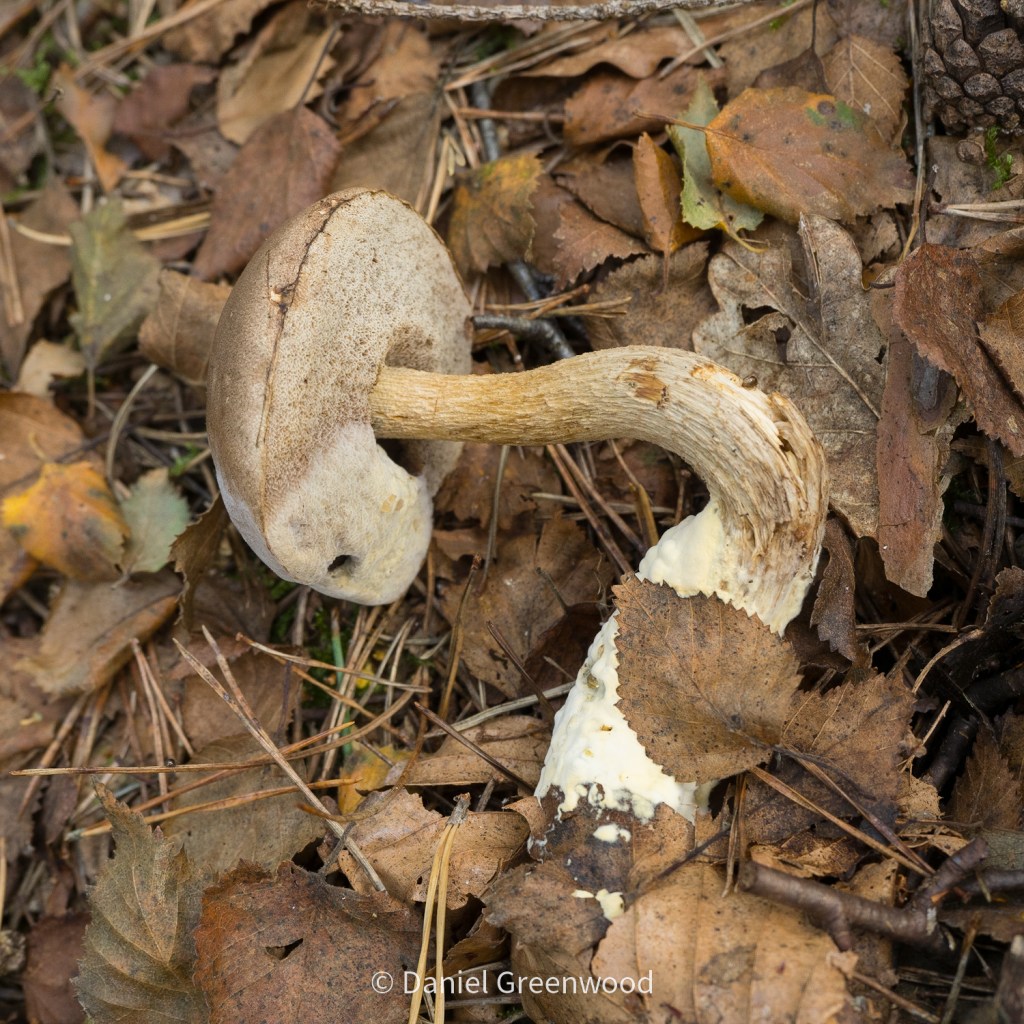


It was very welcome to see these brown birch boletes popping up. As you can see (if I have the ID right) this is a variable species. The stipe has a typical mottled or shaded webbing which differentiates it from Boletus edulis, among others.
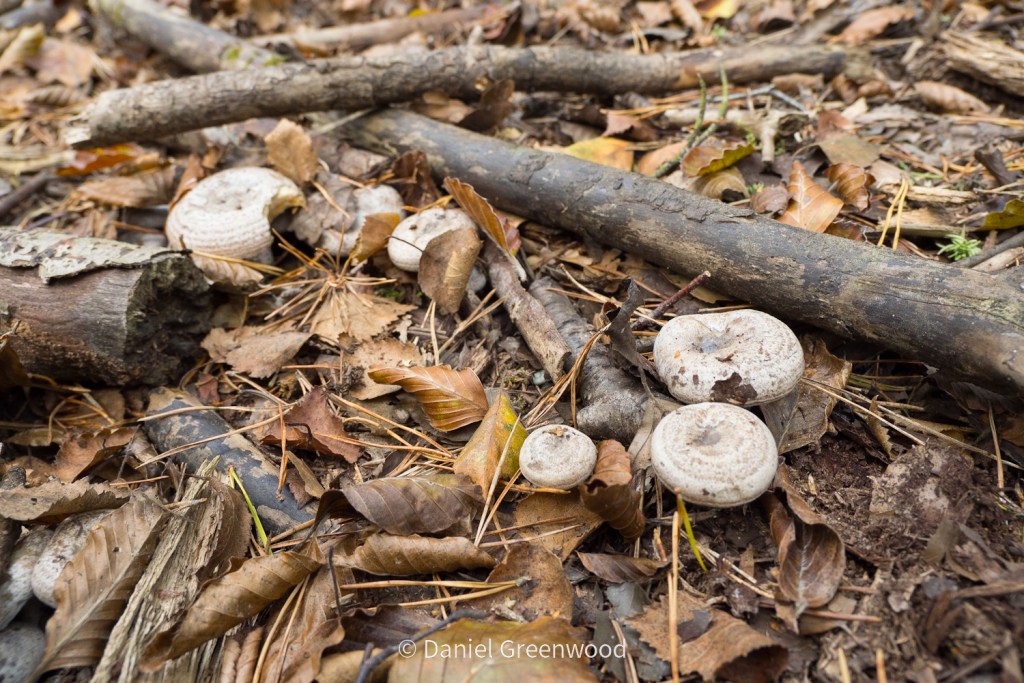

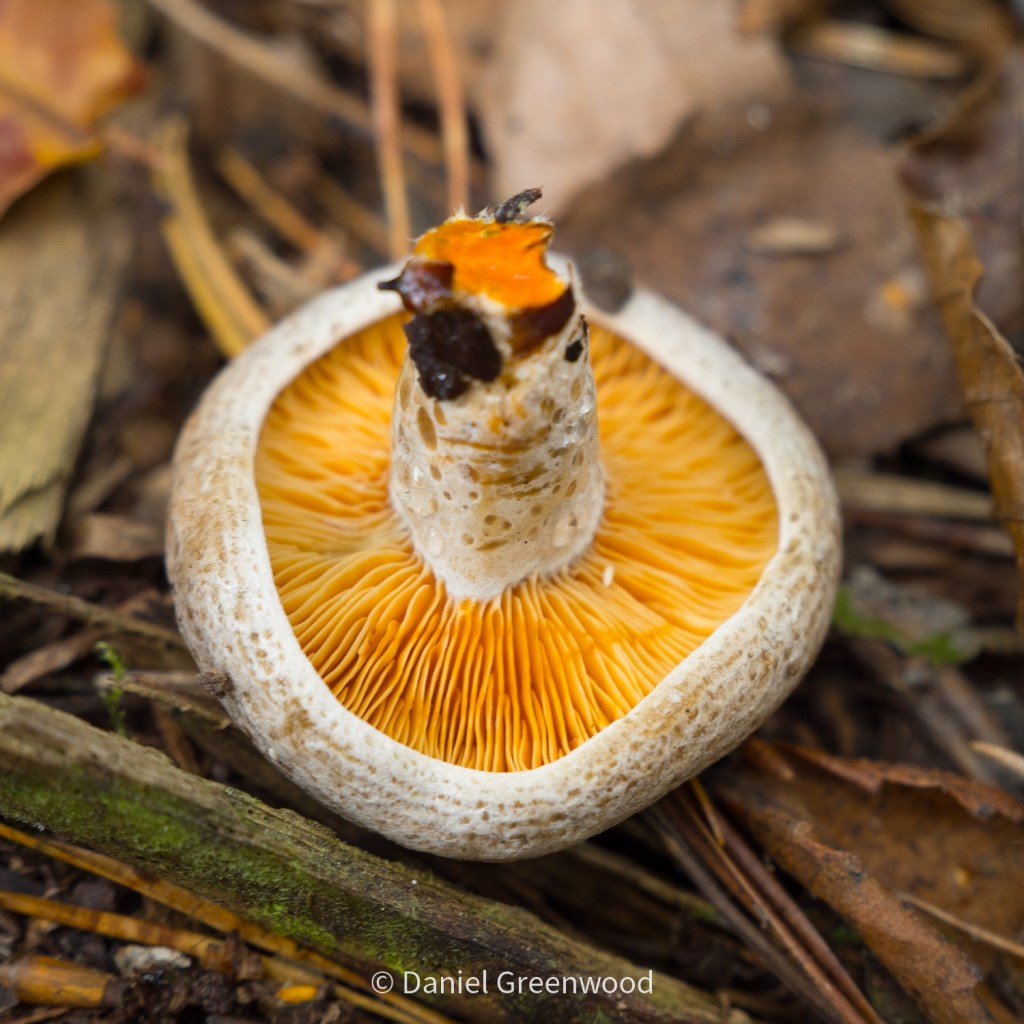
Now, milkcaps are not a strong area for me, but this was a gorgeous shroom. I popped this one upside down and was amazed by the pumpkin-coloured gills. I haven’t begun the identification process for this yet.
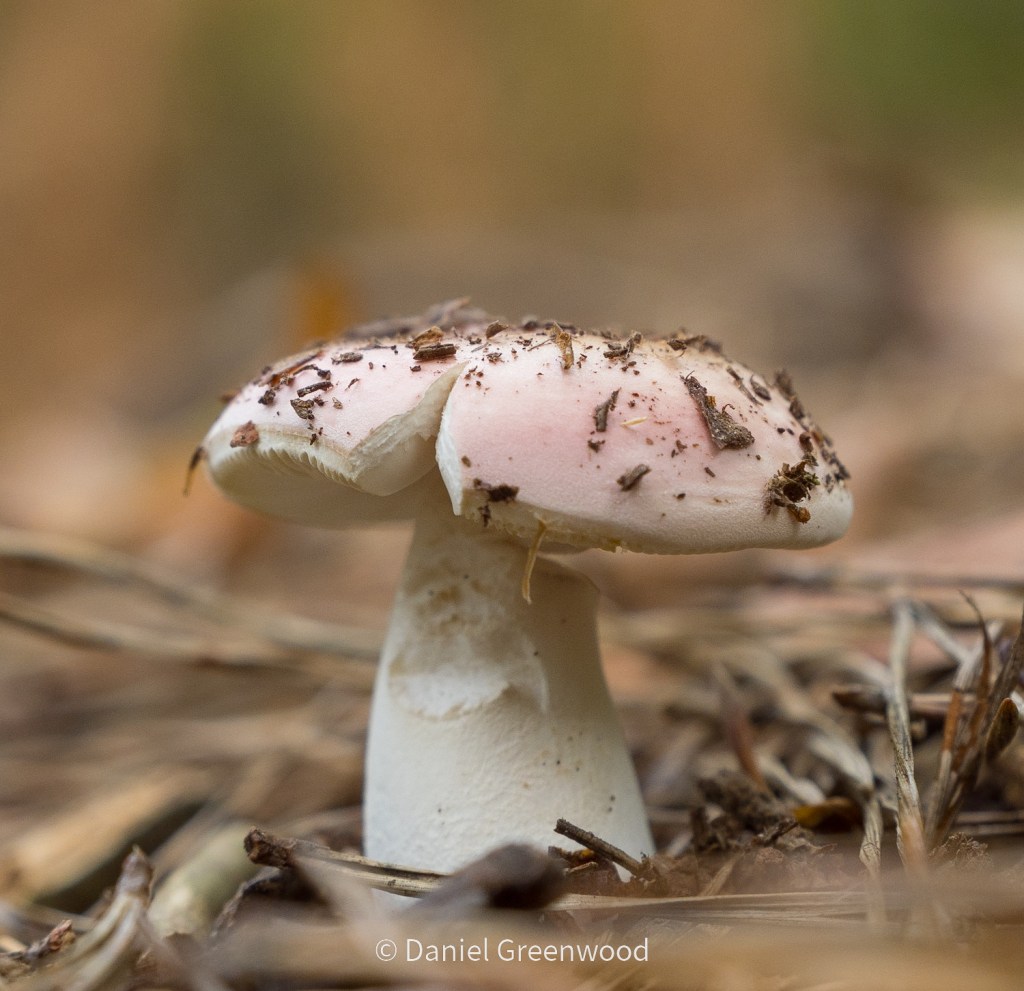
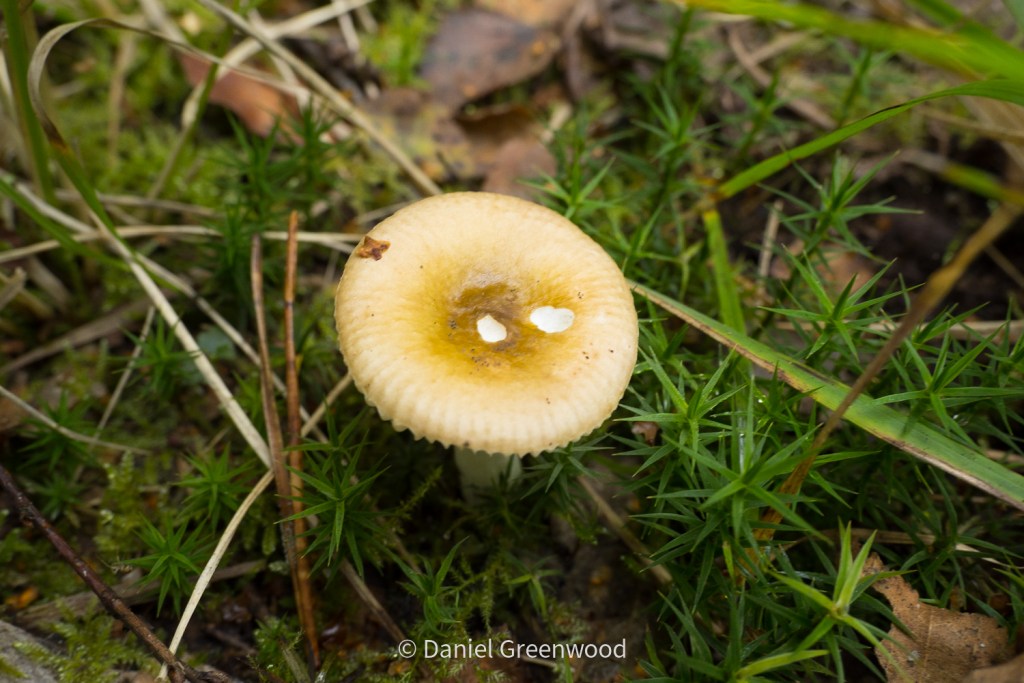
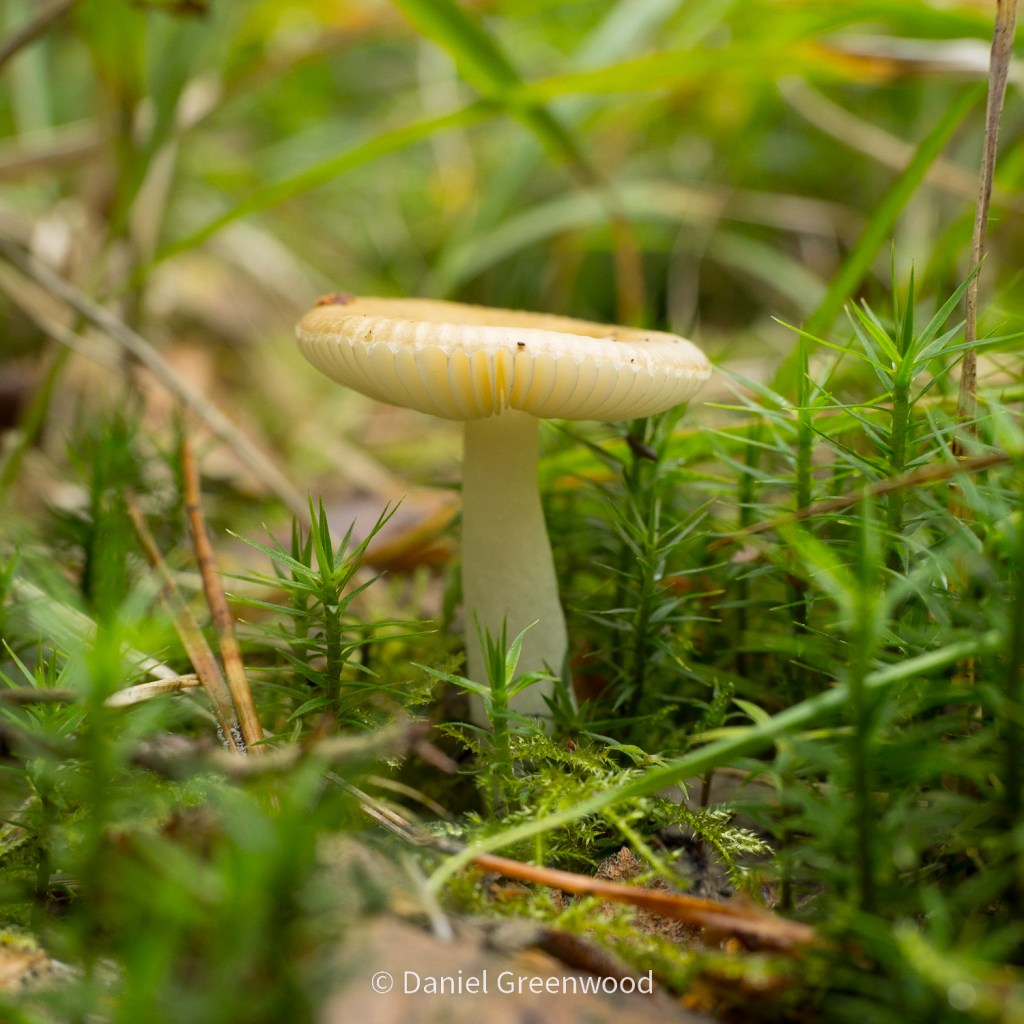

Time for the milkcap relatives – the russulas! I found very few of these shrooms, only two different species. Russulas are hard.

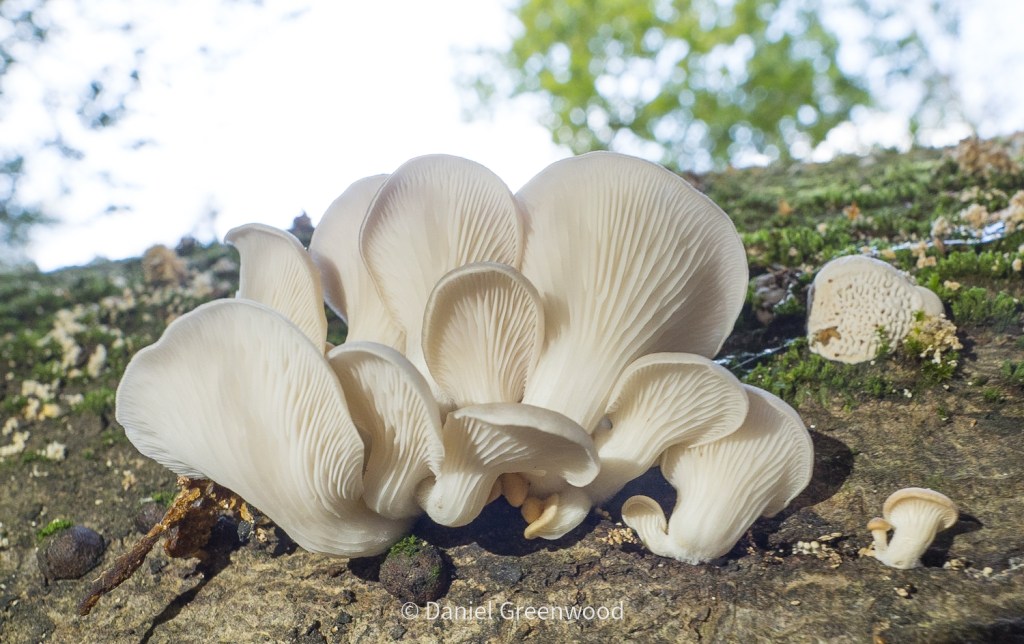


There was a large number of oysters in a location where they consistently appear. I think newly fallen beech trees are a key to their prevalence, especially while the bark remains on the trunk.
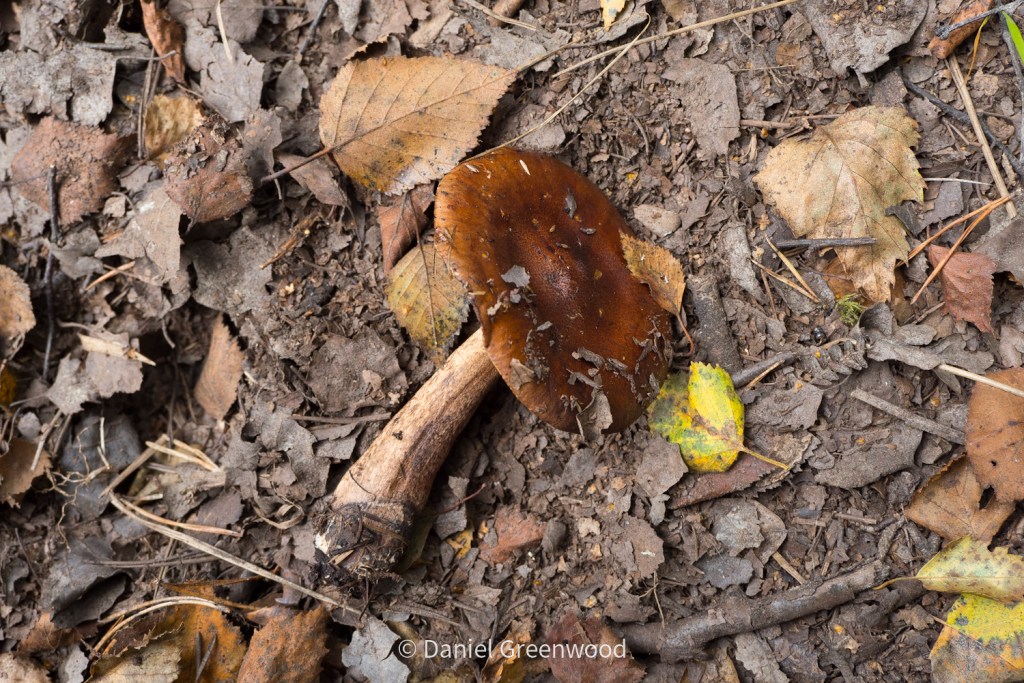


This is not a pretty shroom but it is definitely one I haven’t identified before. Any tips are very welcome!
Thanks for reading.


 Fungi Friday 🍄
Leave a comment